 by
Tom Gurney
Tom Gurney BSc (Hons) is an art history expert with over 20 years experience
Email:
tomgurney1@gmail.com
/ Phone:
+44 7429 011000
Thomas Sully Portraits: Introduction
Thomas Sully made portraits for families, performers, merchants, political figures and a queen. Their shared purpose was a recognisable likeness, but recognition could be presented in many ways: a concentrated head, an imposing standing figure, a child in informal costume or several people connected through an activity. His manual treats resemblance as a continuing responsibility while allowing the painter to select and improve the arrangement. [1]
Looking across the portraits makes those choices easier to see. The face remains important, but hands, objects, costume, scale and the direction of attention help determine how a sitter meets an audience. The result is a composed representation whose meaning extends beyond whether individual features have been accurately copied.
Selected Thomas Sully portraits
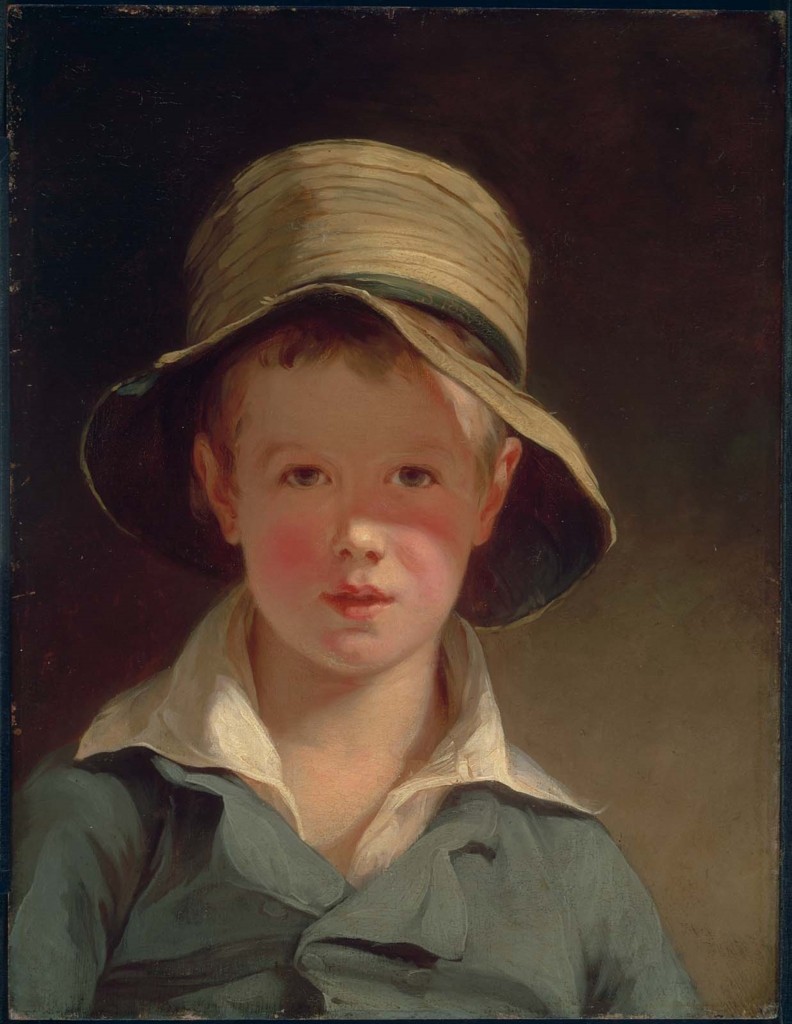
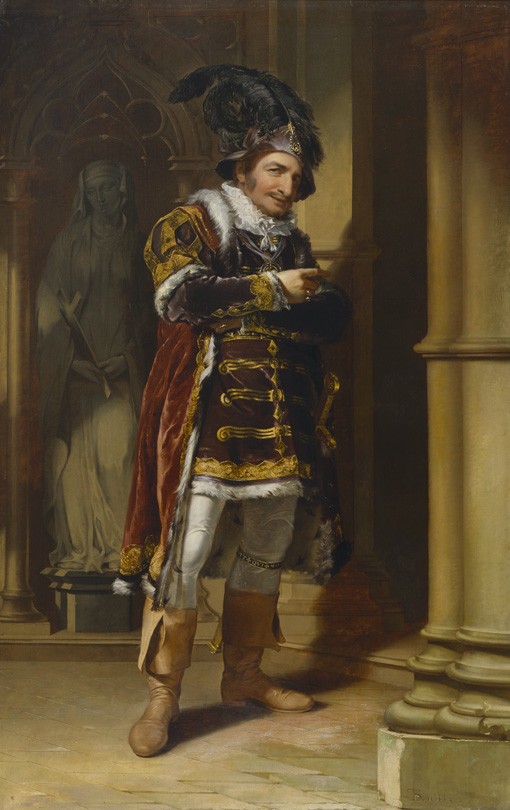
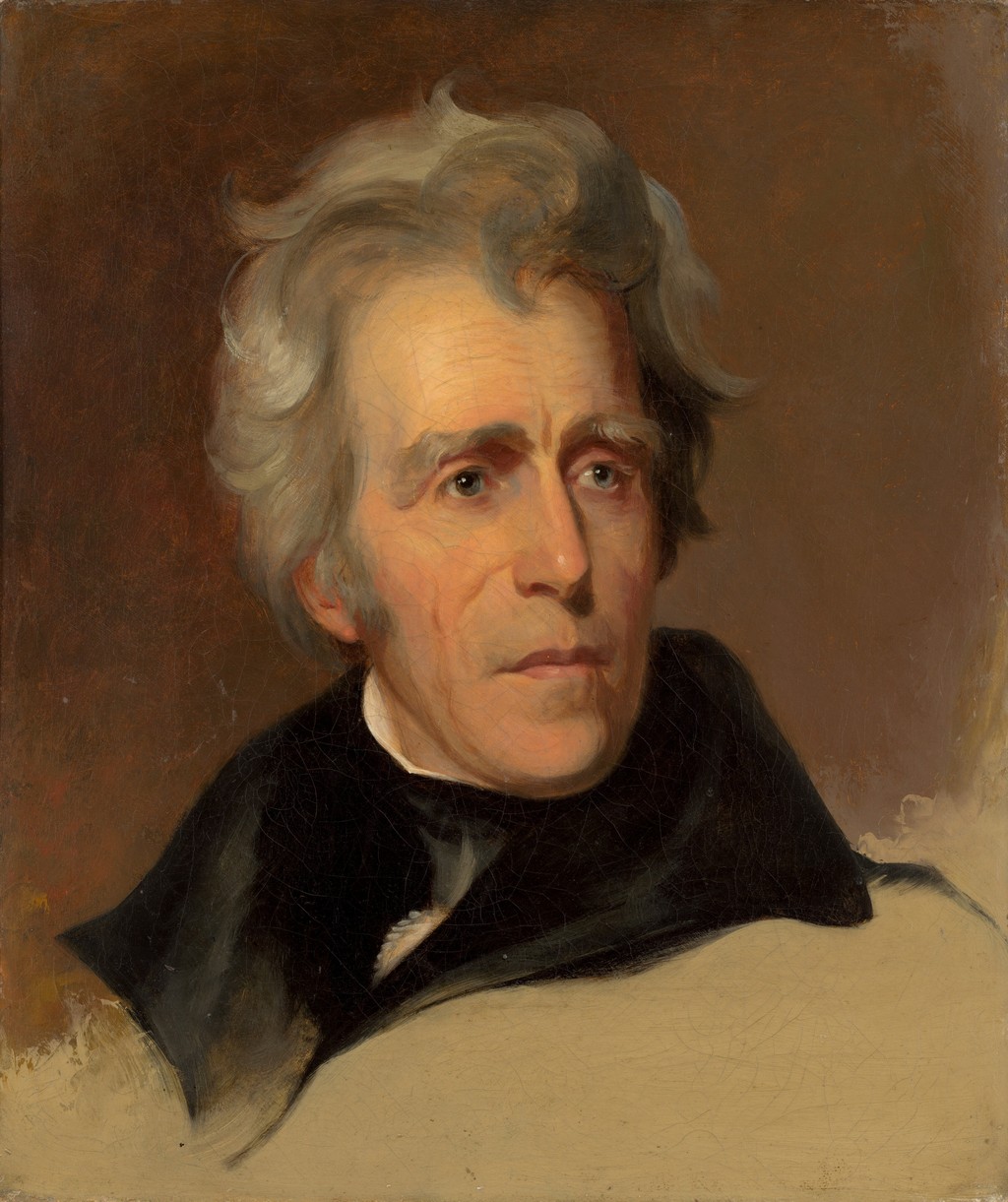
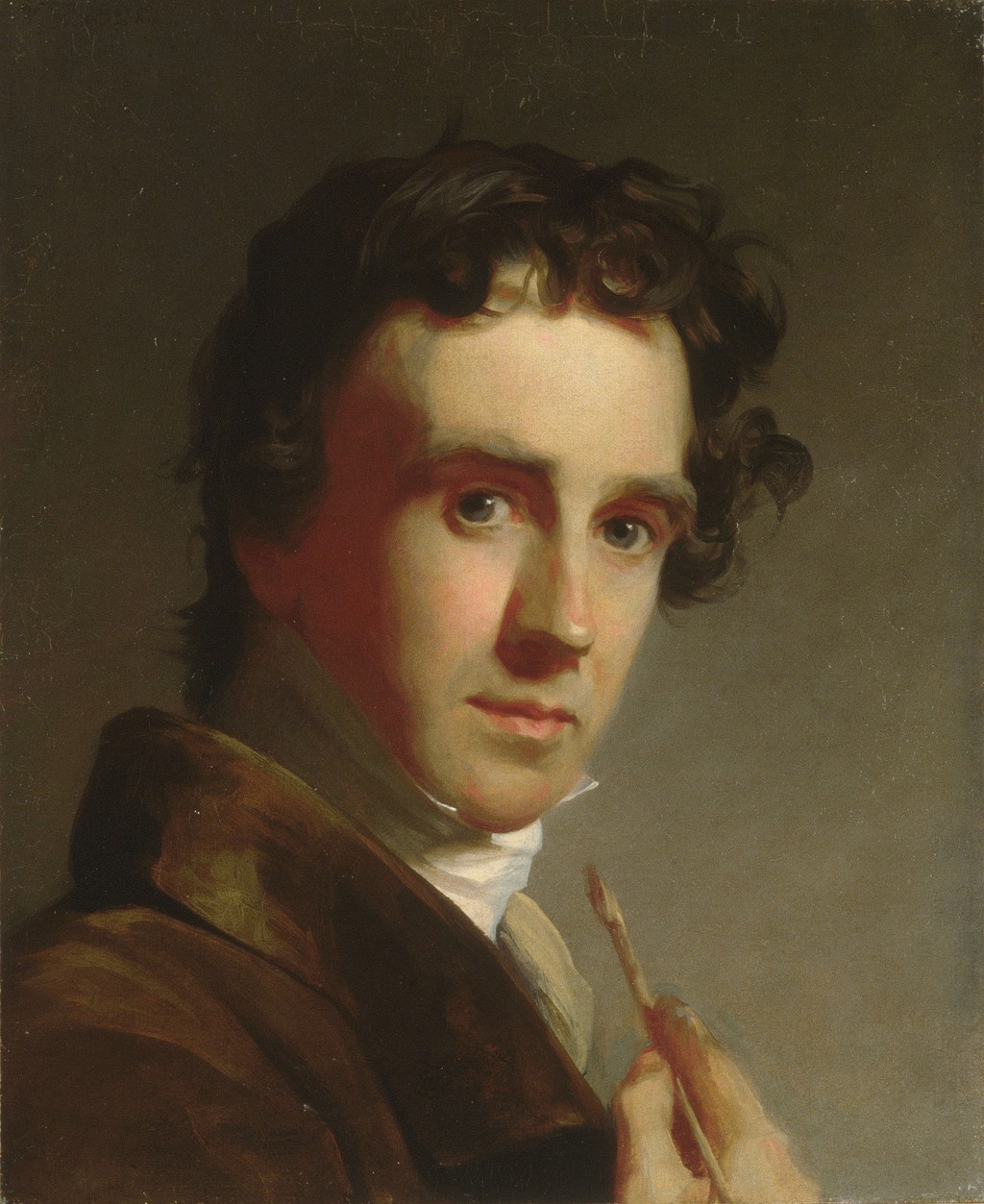
At a Glance
- Main concern A likeness arranged for a particular audience
- Formats Head studies, busts, full-length figures and groups
- Sitters represented here Family members, children, actors, public figures and royalty
- Repeated resources Directed light, costume, hands and personally meaningful objects
- Useful pairings Cooke and Stewart; Vanderkemp and David; Adams study and Durand print
- Primary written evidence Sully’s Hints to Young Painters
Contents
- Likeness and a convincing whole
- Different audiences, different demands
- The full-length figure and the stage
- Objects that belong to the arrangement
- Elegance and the social world beyond the frame
- Children connected through attention
- Family sitters who were also artists
- From the sitter’s presence to a circulating image
- Looking across the portraits
Likeness and a convincing whole
Sully’s manual makes clear that an attractive portrait still had to preserve identity. His concern with improvement therefore belonged within the problem of resemblance, rather than replacing it. He also described observation, preparatory drawing and successive sittings as stages in making the picture. [1]
The 1821 self-portrait makes a useful starting point. The head receives concentrated light and attention, while a raised brush connects the painter’s hand with the face. The dark coat occupies a considerable area without demanding an equal amount of descriptive detail.
That unequal distribution is part of the design. A portrait can remain persuasive when the eye knows where to settle and how to return there. The face may be reinforced by a white collar, a dark surrounding shape or the direction of the shoulders. Likeness depends on the whole arrangement through which the features are encountered.
The difference matters when discussing personality. A lifted head or sideways glance can give an image alertness, reserve or ceremony, but those effects do not provide direct access to a sitter’s private character. They also belong to the painter’s decisions about how a particular person should appear.
Different audiences, different demands
The NGA’s portraits demonstrate how widely the purpose of a likeness could vary. Its Sully holdings include a young musician, a naval officer, presidential subjects and several family groups. Their commissions and histories connect them with different patrons and forms of circulation. [2]
A family might value the relation between several people and the preservation of a particular age. A public portrait might need a more extensive statement of role. A study could supply information for a work whose eventual audience would never see the original sitting.
These purposes can overlap. A picture made for a household may later become familiar in a museum, while a private sitter can be presented through the scale and costume associated with public display. The present audience is not always the one for whom the work was first conceived.
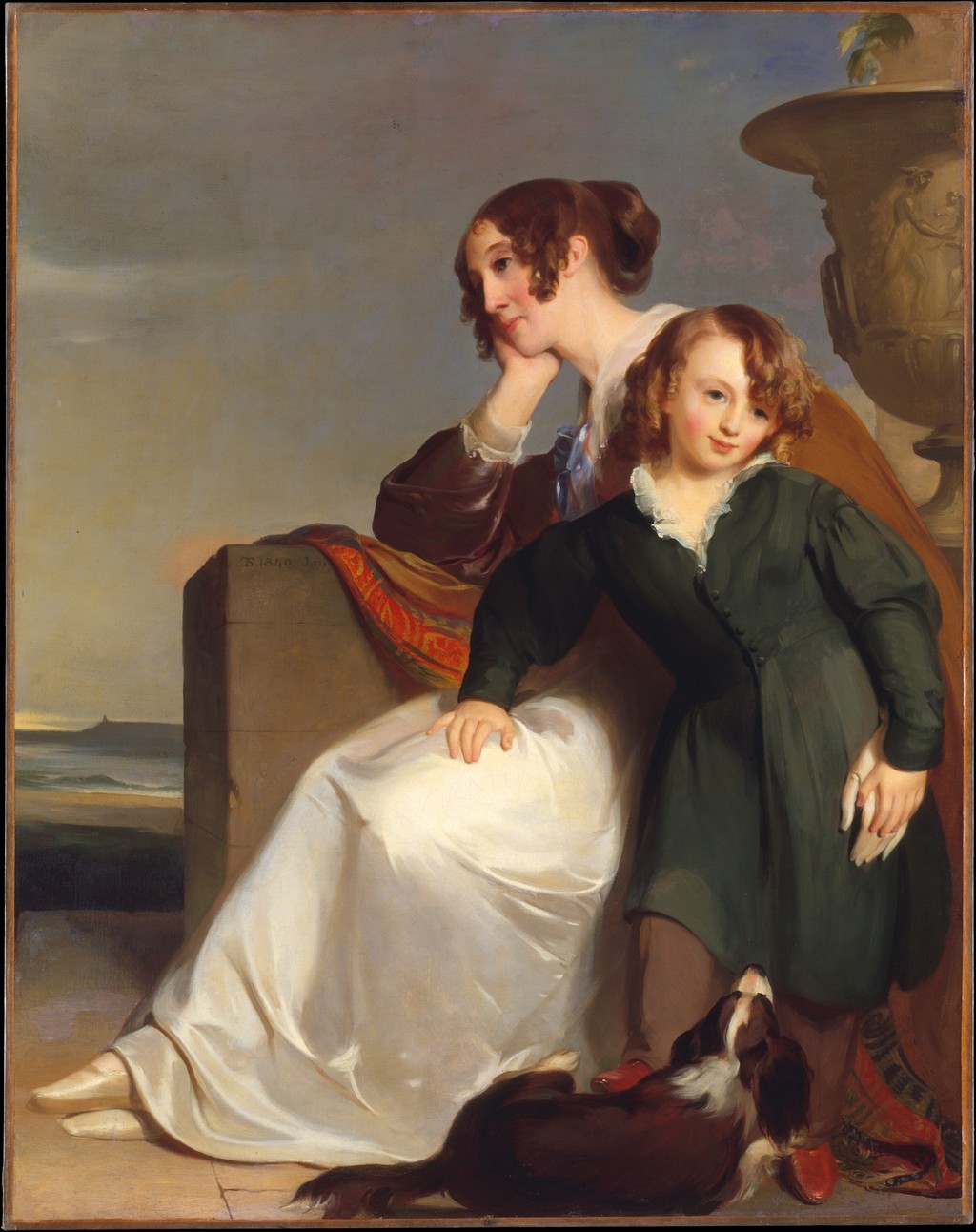
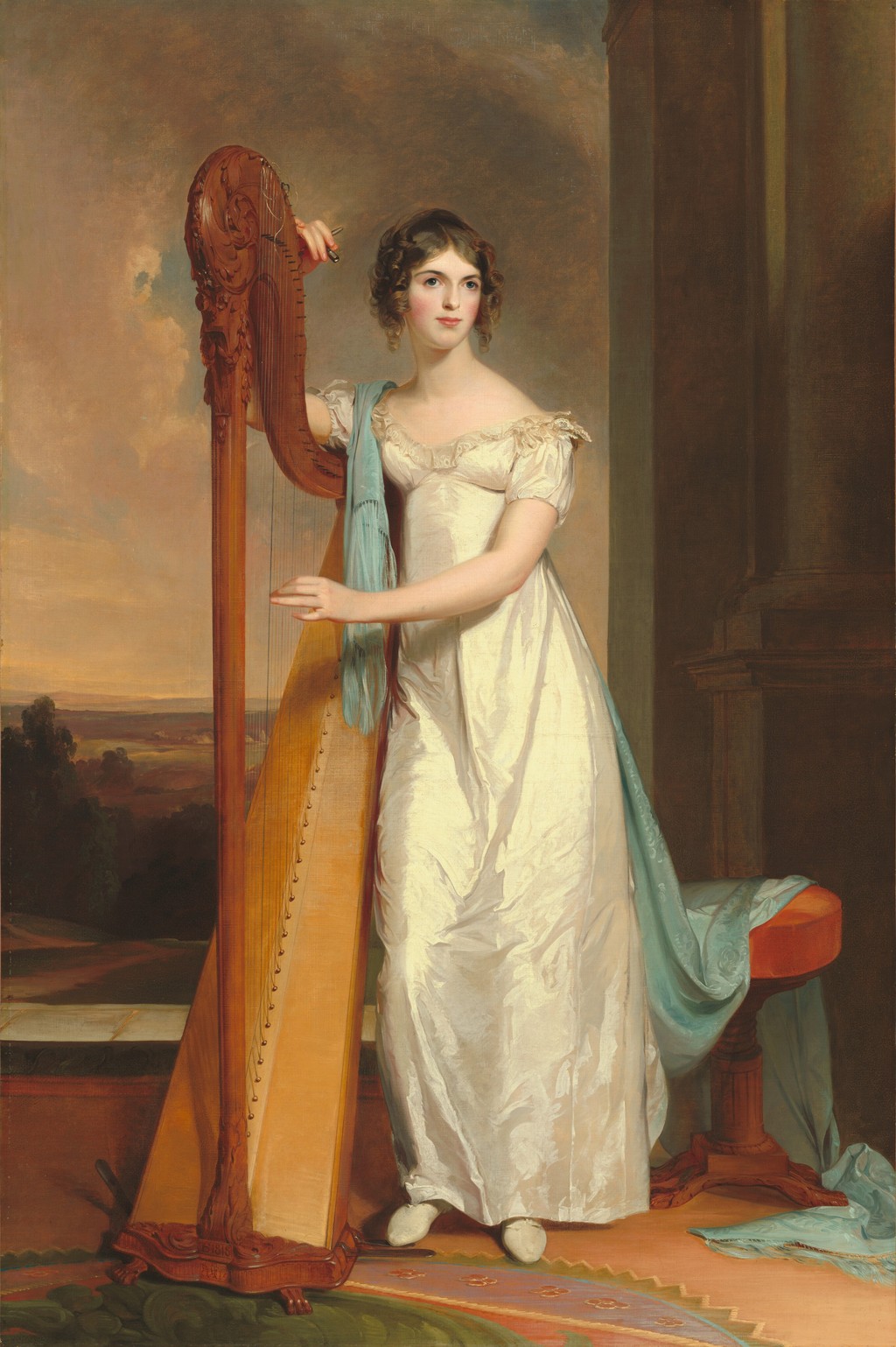
This is one reason a portrait’s later title cannot explain everything. Lady with a Harp describes an object and an activity, but identifying Eliza Ridgely restores the person whose education made the instrument meaningful. Mother and Son names a relationship while leaving Jane Darley’s own career as a painter to be recovered through the accompanying history.
The full-length figure and the stage
In George Frederick Cooke as Richard III , an actor appears through a theatrical role. The portrait joins the identity of Cooke with costume and a deliberately presented body. PAFA dates it to 1811–1812. [3]
The full-length format makes the lower figure important. A stance, a raised or lowered hand and the distribution of a cloak can carry the eye across a much larger surface than a bust portrait permits. The face must remain recognisable within that extended performance.
Compare the NGA’s Captain Charles Stewart . The naval officer’s uniform and accessories give a standing portrait another kind of public identity. [2] The comparison is useful precisely because an imposing format can be adapted to different circumstances. A shared scale does not make a military sitter an actor in disguise.
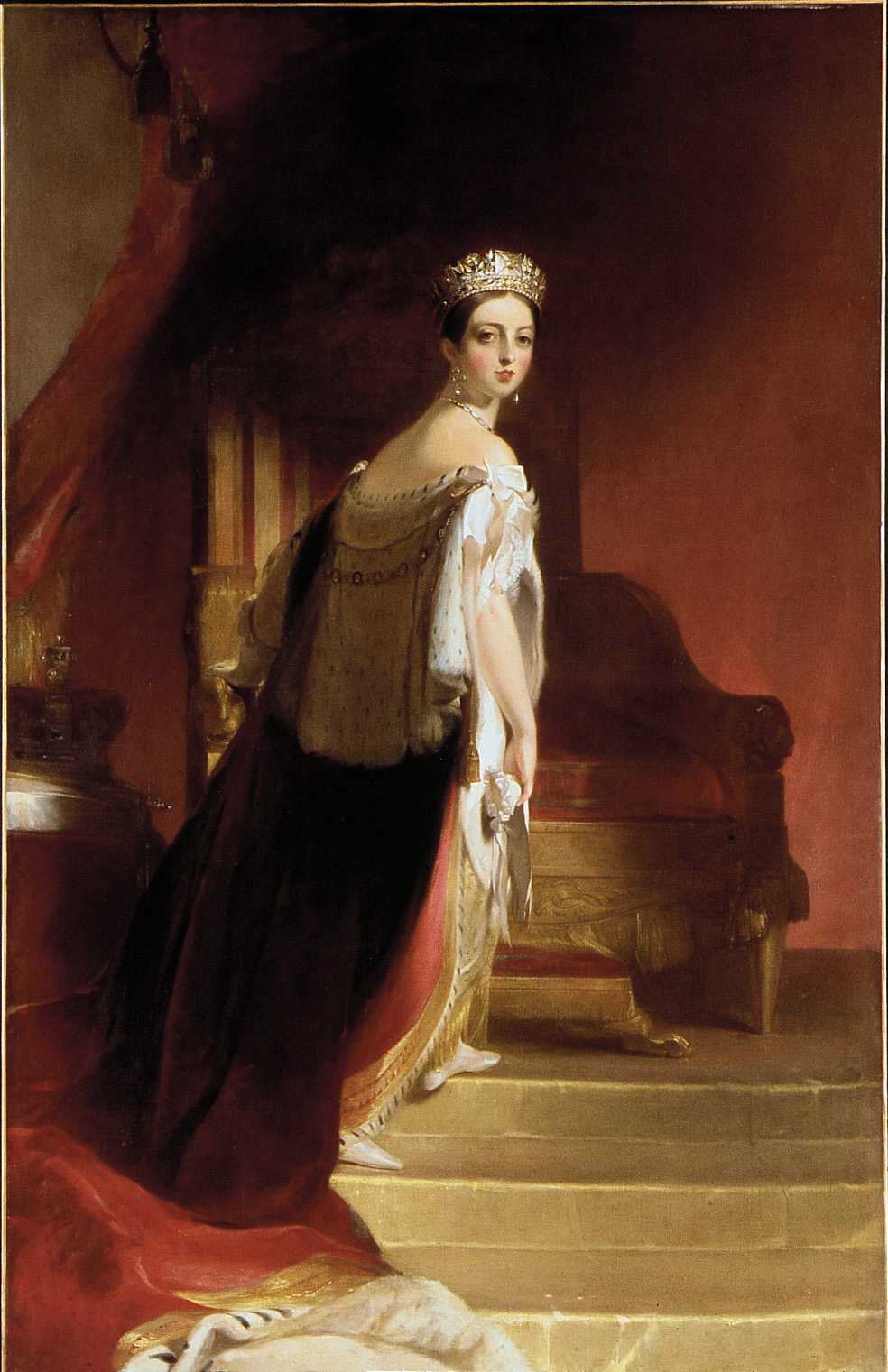
Queen Victoria adds the demands of a royal commission. The Met’s full-length portrait was made for Philadelphia’s Society of the Sons of Saint George. Robes, insignia and an extensive setting carry the likeness through an image intended for institutional display. [4]
In all three cases, the body contributes to the subject’s public role. The portrait asks the viewer to recognise a person and understand the kind of presence being constructed around that person. Face and costume work together, even when one attracts attention before the other.
Objects that belong to the arrangement
Eliza Ridgely’s harp provides one of Sully’s clearest ways of connecting an accessory with a sitter. In Lady with a Harp , the instrument gives direction to the raised hand and extended arm. Its long frame creates a shape that can be read beside the standing body.
The object also needs accurate identification. The surviving Erard harp at Hampton is not simply the same instrument seen in the painting: the NPS distinguishes the later double-action instrument from the single-action harp represented by Sully. Its conservation history provides a separate material record. [5]
A photograph of that surviving harp can therefore deepen the article when the difference is explained. It connects the image of musical accomplishment with an actual object while avoiding a false claim that every visible feature corresponds. The portrait and the instrument provide related evidence rather than interchangeable illustrations.
Other accessories serve different purposes. A portfolio can bring children into a shared activity; a book can reinforce a seated public figure; a painter’s brush can identify professional work. Their meaning emerges partly through the sitter’s known circumstances and partly through what the object does within the composition.
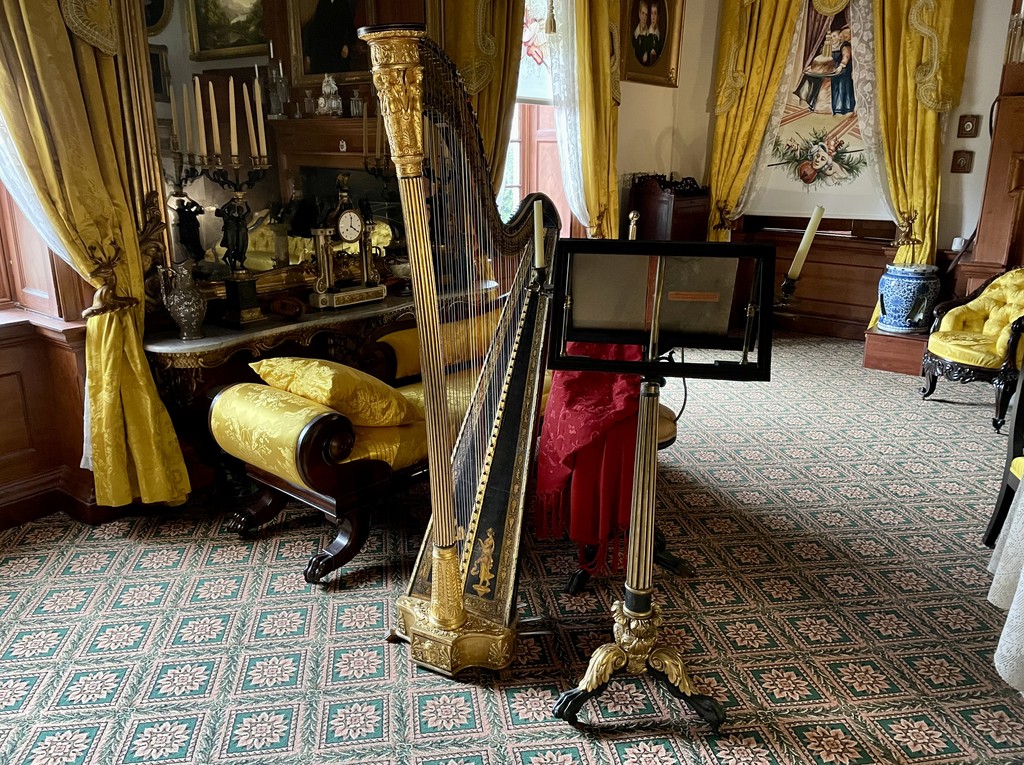
Eliza Ridgely’s surviving double-action Erard harp, HAMP 2598, in Hampton’s Music Room after conservation in 2023. It is distinct from the single-action harp in Sully’s portrait. National Park Service; no claim to original U.S. Government works.
Image source
.
Public domain
.
Elegance and the social world beyond the frame
Portraits can make wealth, education and leisure visible without showing all the conditions that supported them. The polished appearance of a sitter is one selected view of a social world. It should be possible to appreciate the arrangement while asking who and what remain outside it.
Eliza’s later life at Hampton provides a specific example. The NPS documents her participation, with her husband, in purchases of enslaved people. That history should remain distinct from the fifteen-year-old sitter’s circumstances in the 1818 portrait, but it qualifies an account of the later household based only on refinement and taste. [6]
The painting does not itself depict those later transactions or record Sully’s opinion of them. Historical context contributes knowledge that appearance alone cannot supply. The task is to connect the evidence accurately, without turning an elegant pose into proof of either innocence or a particular political belief.
The same discipline applies more broadly. A title, uniform or costly object helps identify how a person was presented, but it does not exhaust the person’s historical significance. A portrait’s success as an image and the conduct of its sitter are questions that can be considered together without being confused.
Watch: Thomas Sully
Choose a film to explore the artist’s work, its interpretation and its wider setting.
Thomas Sully: A Lesson in Conservation
The Columbus Museum explores the conservation of a painting by Thomas Sully.
Watch on YouTubeChildren connected through attention
In The Vanderkemp Children , a portfolio draws three sitters into a compact arrangement. Faces turn in different directions and hands overlap around the shared object. The picture suggests an encounter without requiring each child to repeat the same pose.
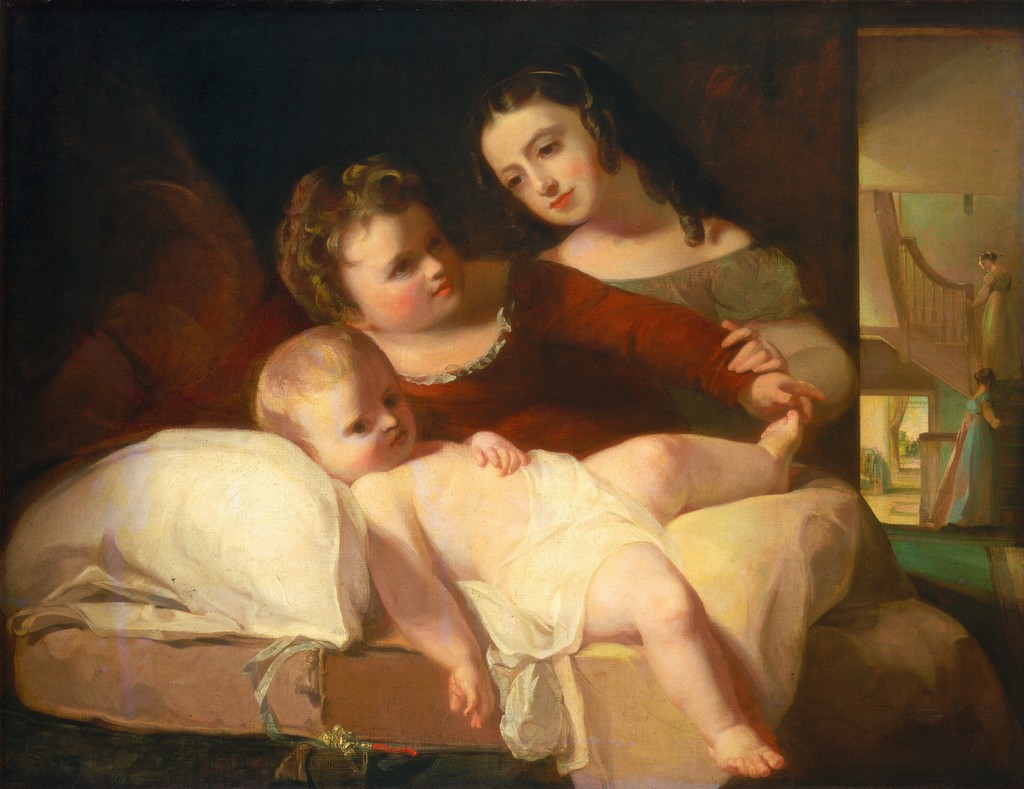
The David Children organises a group around a reclining infant. The older children bend toward him, making a sequence of attention and contact across the foreground. Its spatial arrangement differs markedly from the portfolio group, although both are three-child portraits. [2]
The distinctions become clearer if the faces are temporarily set aside. Follow the arms, the interval between heads and the largest areas of pale or bright cloth. These shapes show how the group holds together before the individual likenesses are considered in detail.
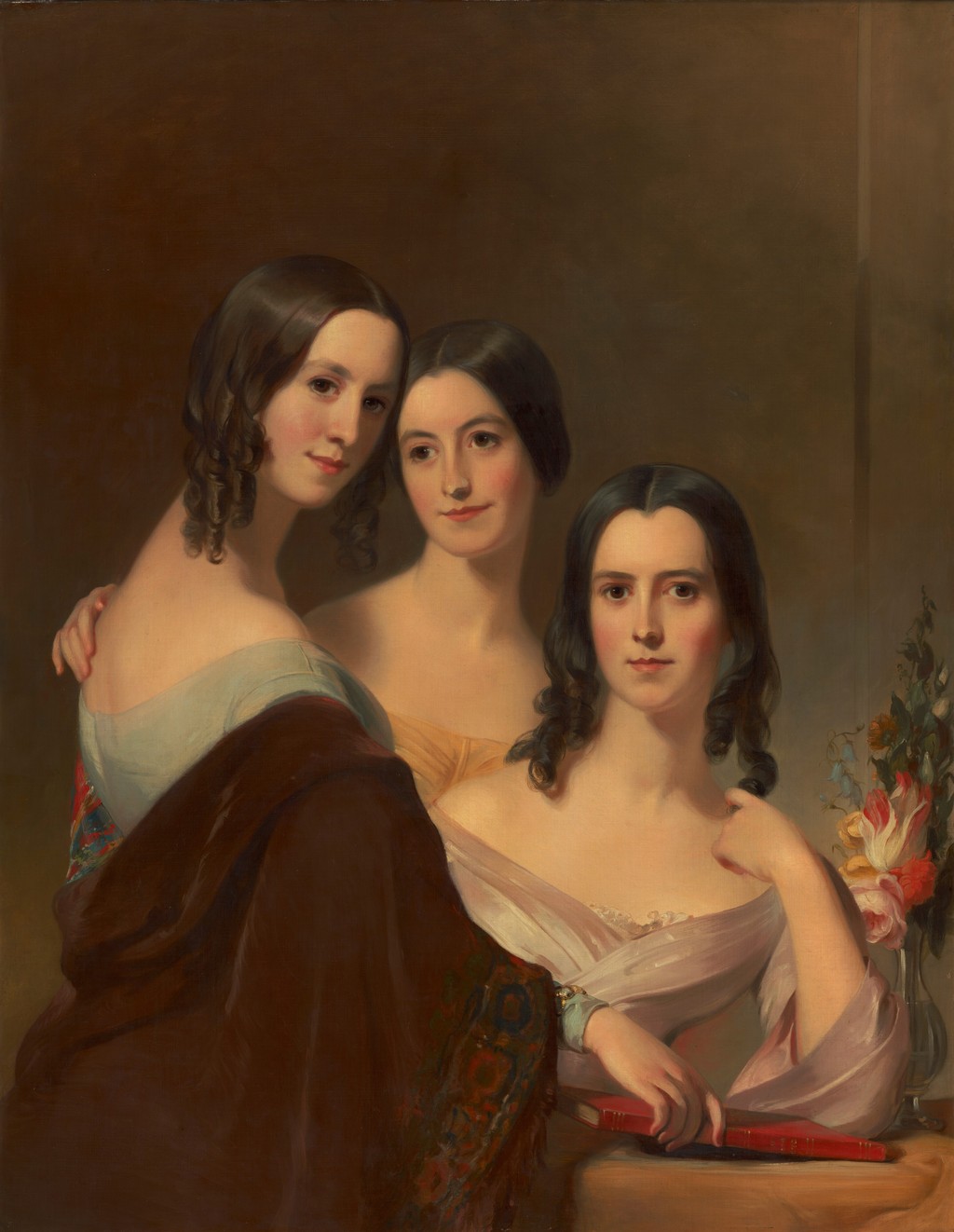
The Coleman Sisters offers a more upright alternative. Different dress colours and heights distinguish the three sisters, while gestures and overlapping forms connect them. The picture balances family coherence with the need for each sitter to remain individually visible.
These are composed relationships rather than candid photographs of an unarranged instant. That does not make the familiarity unreal. It means the painter has selected forms through which a relationship can be communicated in a lasting object.
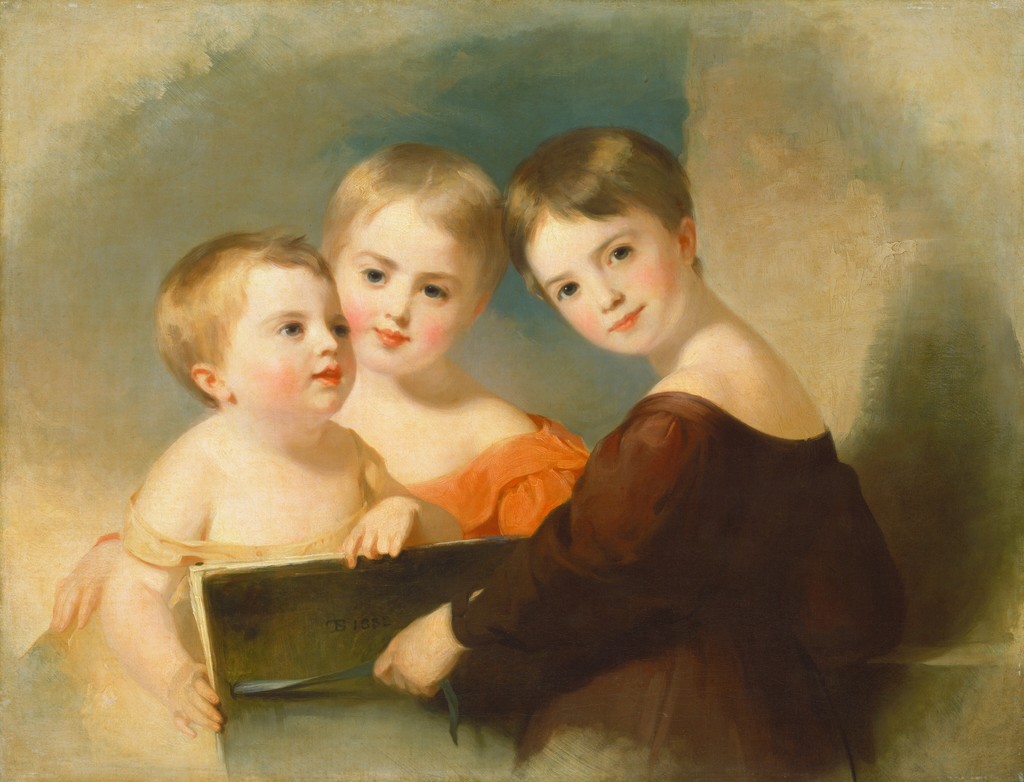
Thomas Sully, The Vanderkemp Children, 1832. Left to right: John Jacob, Jr., Bertha Frances and Pauline Elizabeth. Oil on canvas, 70.9 × 90.5 cm. National Gallery of Art, Washington, Gift of Countess Mona Bismarck, 1966.11.1. CC0.
Image source
.
CC0; National Gallery of Art Open Access
.
Family sitters who were also artists
In Mother and Son , the woman is Jane Cooper Sully Darley, Sully’s daughter and a practising painter. Her son Francis stands beside her and later bequeathed the canvas to the Met, which dates the work to 1840. [7]
The title makes the relationship easy to understand, but Jane’s professional identity changes the encounter. A painter is being painted by another painter who is also her father. That network is more specific than a general image of motherhood.
Her son looks outward while Jane turns away, resting her head on a hand. Their touch connects them without producing a single shared expression. The wall, urn and distant water also prevent the image from settling into a simple description of an ordinary family room.
The portrayal can consequently sustain several lines of attention: bodily connection, differing gazes, a constructed setting and the family’s involvement in making and preserving pictures. None requires a confident claim about what Jane was privately thinking when the image was made.
From the sitter’s presence to a circulating image
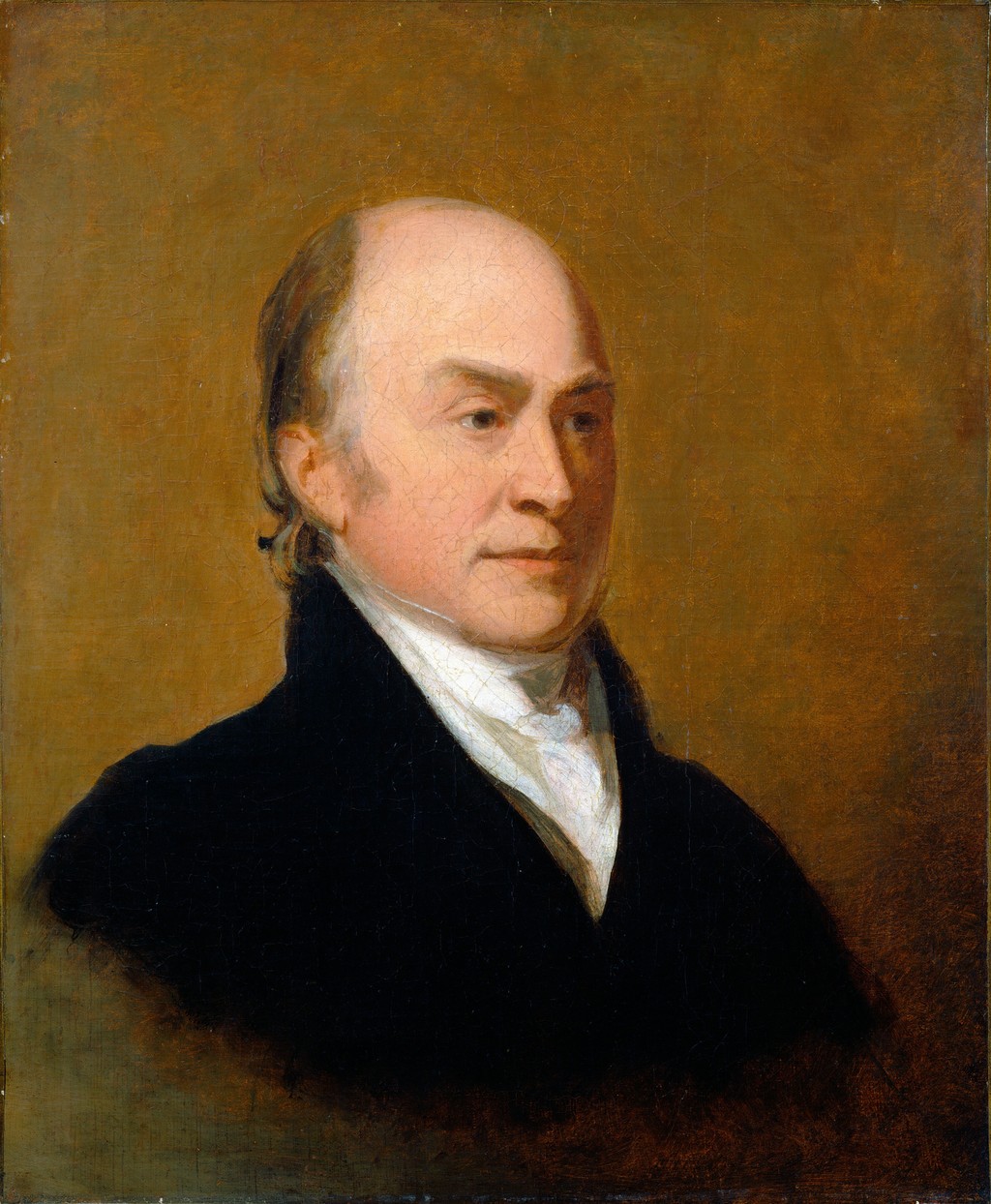
The Adams project shows how information gathered during sittings could move through several formats. The NGA oil concentrates on the head; the Met watercolour sets out a seated figure and room, with subsidiary sketches still visible on the sheet. [8] Each preserves information useful to a larger public portrait.
Durand’s 1826 engraving after Sully then carried the design into print. [9] A viewer of that sheet encountered a portrait made through the work of both painter and engraver. The original physical meeting with Adams stood at the beginning of a process whose audience could become much wider.
The NGA’s Jackson illustrates a related distinction within painting itself. Its 1845 date belongs to a later version of a likeness obtained in 1824. [2] Treating it as a new life sitting would confuse the history of the represented face with that of this particular object.
Following those stages makes portraiture more than a record of who sat to whom. A likeness could be retained, adapted, enlarged, copied, engraved and seen in new circumstances. Each change affected the form in which the person became familiar to others.
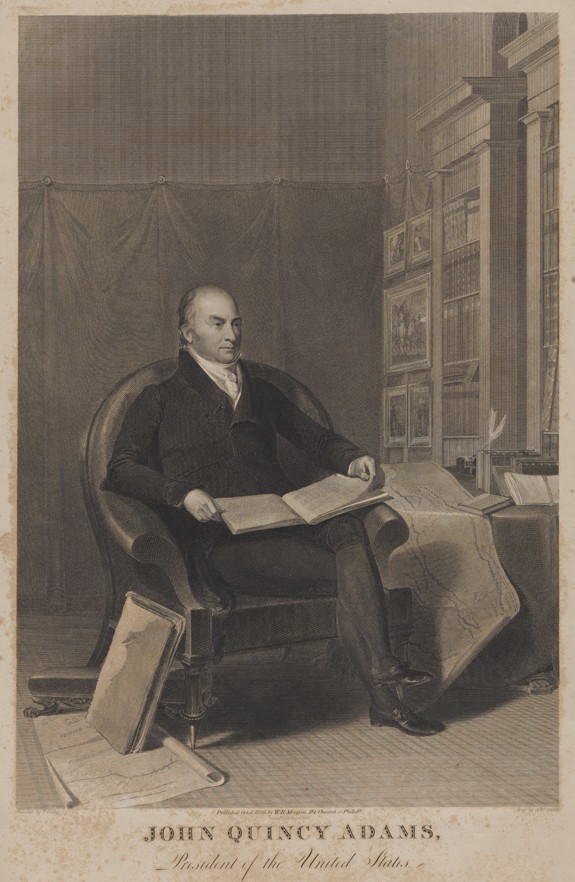
Asher B. Durand after Thomas Sully, John Quincy Adams, 1826. Etching and engraving on cream wove paper. Pennsylvania Academy of the Fine Arts, John S. Phillips Collection, 1876.9.184a. No known copyright restrictions.
Image source
.
No known copyright restrictions, as stated by PAFA
.
Looking across the portraits
For a useful first comparison, begin with the face and then deliberately move away from it. Trace the line of a hand, identify the largest dark and light shapes, and ask how costume or a nearby object returns attention to the sitter. In groups, follow the gaze from one person to another before looking back at the whole.
Then compare the picture’s purpose with its degree of finish. The open lower passages of a study may preserve exactly the information required, while a large public portrait must connect the head to a much more extensive setting. Neither demands that every passage receive equal emphasis.
The individual articles provide identities, commission histories and object-specific findings. Read together, they show how Sully adapted a continuing concern with likeness to markedly different encounters: the studio study, family possession, theatrical tribute, institutional commission and circulating print.
Artworks directory
A selection documented in the linked articles, with related studies and a print after Sully listed separately. Dates identify individual objects; Musidora’s date range does not imply continuous work. This is not a catalogue raisonné. The Drawing filter includes watercolour and reproductive printmaking.
| Name | Date | Medium |
|---|---|---|
| Captain Charles Stewart | 1811–1812 | Painting — oil on canvas |
| George Frederick Cooke as Richard III | 1811–1812 | Painting — oil on canvas |
| Musidora | 1813–35; Met panel | Painting — oil on wood |
| Lady with a Harp: Eliza Ridgely | 1818 | Painting — oil on canvas |
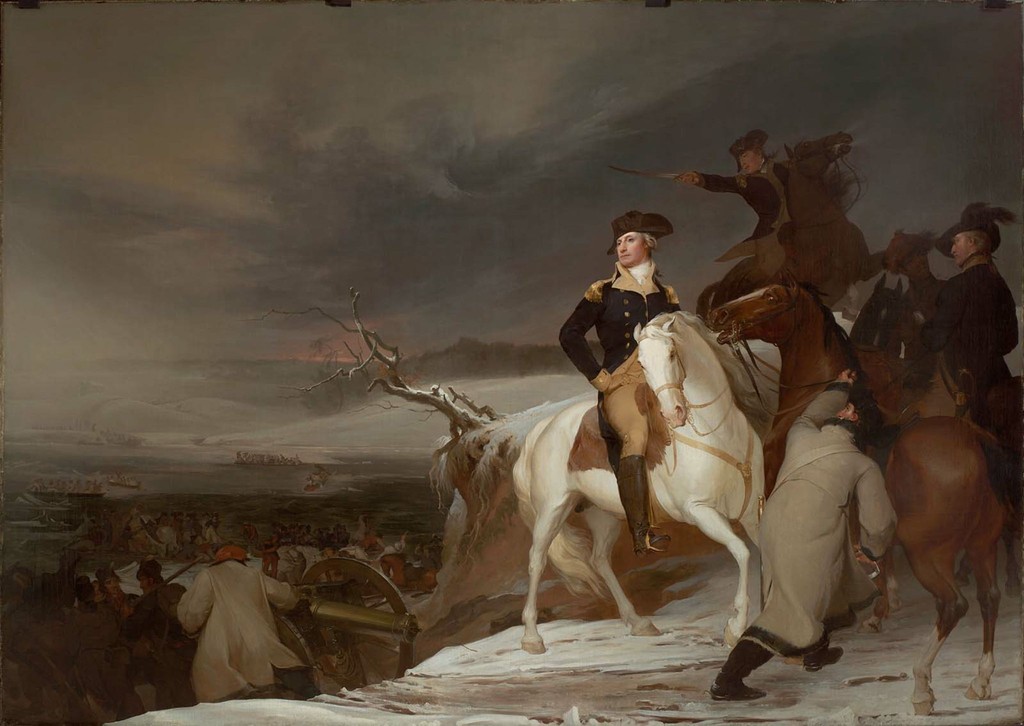
| The Passage of the Delaware | 1819 | Painting — oil on canvas |
| The Torn Hat | 1820 | Painting — oil on panel |
| Portrait of the Artist | 1821; Met canvas | Painting — oil on canvas |
| John Quincy Adams | 1824; NGA oil study | Painting — oil on canvas |
| John Quincy Adams (watercolour study) | 1824; Met 38.146.1 | Drawing — watercolour, black chalk and graphite on paper |
| John Quincy Adams (Durand after Sully) | 1826; PAFA 1876.9.184a | Drawing — etching and engraving on paper |
| The David Children | 1826 | Painting — oil on canvas |
| The Vanderkemp Children | 1832 | Painting — oil on canvas |
| Queen Victoria | 1838; full-length Met canvas | Painting — oil on canvas |
| Queen Victoria (life study) | 1838; Met 14.126.1 | Painting — oil on canvas |
| Mother and Son | 1840; inscription date | Painting — oil on canvas |
| The Coleman Sisters | 1844 | Painting — oil on canvas |
| Andrew Jackson | 1845; after the 1824 life portrait | Painting — oil on canvas |
Frequently Asked Questions
No. The selection includes imposing full-length portraits, close family groups and relatively open studies.
Yes. George Frederick Cooke appears as Richard III in the PAFA portrait. [3]
The surviving double-action Erard instrument is distinct from the single-action harp represented in the painting. [5]
Durand’s Adams engraving demonstrates how a painted likeness reached a wider audience through another artist and medium. [9]
Discussion
Look again at the images and ideas explored in Thomas Sully Portraits. These editorial prompts invite your observations.
Reader Insights
Which portrait makes an object most active in the sitter’s pose?
Compare the gaze and hands in two family groups. What keeps each group connected?
How does the Adams engraving change your understanding of the audience for a portrait?
Join the Conversation
Share a detail, comparison or question about Thomas Sully Portraits below.
References
- Thomas Sully: Hints to Young Painters and the Process of Portrait-Painting , 1873. View source
- National Gallery of Art: American Paintings of the Nineteenth Century , Part II, 1998, selected Sully entries. View source
- Pennsylvania Academy of the Fine Arts: George Frederick Cooke as Richard III . View source
- The Metropolitan Museum of Art: Queen Victoria , full-length portrait, 2021.140. View source
- National Park Service , Hampton: Eliza Ridgely’s harp and its conservation. View source
- National Park Service , Hampton: Eliza Ridgely. View source
- The Metropolitan Museum of Art: Mother and Son , 1840, 14.126.5. View source
- The Metropolitan Museum of Art: John Quincy Adams , watercolour study, 38.146.1. View source
- Pennsylvania Academy of the Fine Arts: Durand after Sully , John Quincy Adams, 1826. View source
- Splash image source.
Thomas Sully, Mother and Son, 1840. Jane Cooper Sully Darley and Francis Thomas Sully Darley. Oil on canvas, 144.8 × 115.3 cm. The Metropolitan Museum of Art, Bequest of Francis T. S. Darley, 1914, 14.126.5. Public domain .
View source