 by
Tom Gurney
Tom Gurney BSc (Hons) is an art history expert with over 20 years experience
Email:
tomgurney1@gmail.com
/ Phone:
+44 7429 011000
Thomas Sully Biography: Introduction
Thomas Sully was born in England in 1783 and built his career principally in Philadelphia, where he died in 1872. His work ranged from small portrait studies to large family groups, theatrical figures and historical compositions. A long professional life connected him with actors, merchants, public figures, fellow painters and the institutions through which pictures were exhibited and sold. [1]
The familiar image of an established portraitist was reached through movement and adaptation. Sully trained first within a circle of miniature painters, gained patrons through the theatre, sought instruction in Boston and London, and then developed a Philadelphia practice. His registers, notes and surviving paintings make it possible to follow that career without treating every anecdote preserved by later admirers as a complete record of events. [1] [2]
At a Glance
- Born 19 June 1783, Horncastle, Lincolnshire, England
- Died 5 November 1872, Philadelphia, Pennsylvania
- Parents Matthew and Sarah Sully, actors
- Arrived in the United States 1792
- American citizenship 1809
- Principal professional home Philadelphia, from 1808
- Main work Portraits, with historical and literary painting
- Wife Sarah Annis Sully, married in 1806
- Written legacy Registers, journals, notes and Hints to Young Painters
Thomas Sully in context
Bars show approximate historical periods. c. means circa (about).
Romanticism
c. 1800–1850 [17]The bars show wider historical contexts. Genres, subjects and specific artistic relationships are retained in Notes and sources.
Notes and sources
Romanticism. British examples and American practice. Elegant poses and lively handling connect Sully’s portraits with British examples, especially Thomas Lawrence. Explore the wider setting of Romanticism. [3]
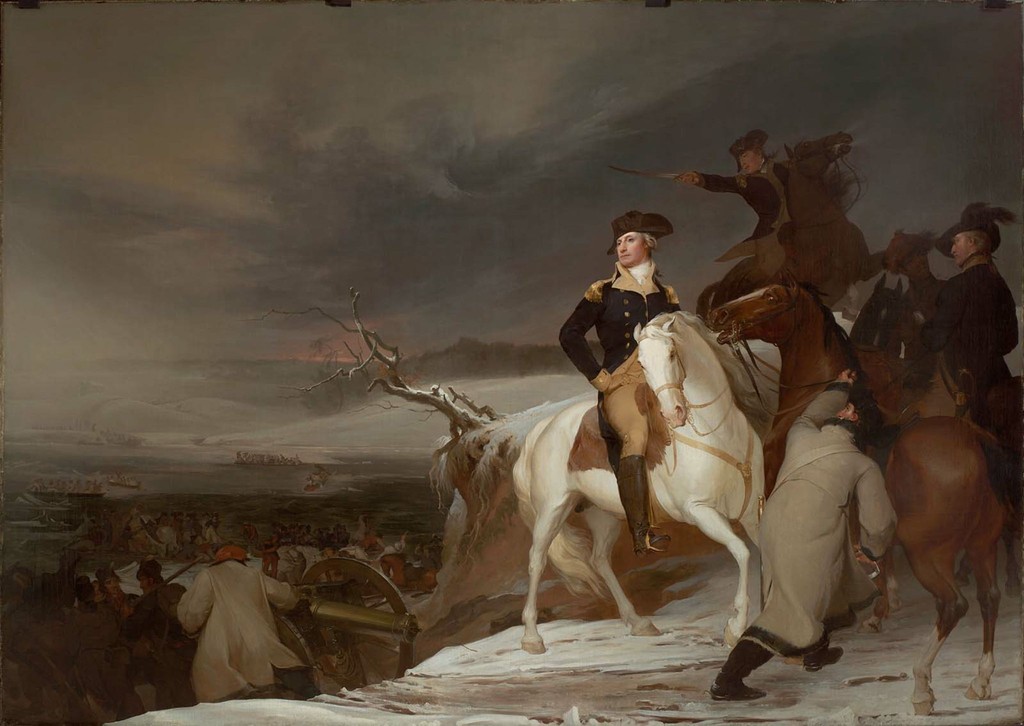
History painting. The Passage of the Delaware, 1819. Sully developed a Washington commission into a large composition joining the commander with a military operation and landscape. [2]
Literary painting. Musidora, 1813–35. The Met panel represents a figure from James Thomson’s Summer. Its range of catalogue dates does not mean uninterrupted work. [4]
Each bar runs from the artist’s birth to their death.
Benjamin West
1738–1820 · Birth–death [18]Gilbert Stuart
1755–1828 · Birth–death [19]Thomas Lawrence
1769–1830 · Birth–death [20]Thomas Sully
1783–1872 · Birth–death [21]Charles Robert Leslie
1794–1859 · Birth–death [22]Notes and sources
Benjamin West. London study, 1809–1810. West advised Sully and helped him gain access to pictures and opportunities for further study. [5]
Gilbert Stuart. Boston advice, 1807. Sully observed Stuart at work and sought criticism of a likeness of his own. [5]
Thomas Lawrence. An influential British portrait example. Lawrence’s portrait practice supplied a lasting point of reference for elegant arrangement and painterly handling. [3]
Thomas Sully. Follow selected portraits, family groups and historical or literary compositions through their object dates. [1]
Charles Robert Leslie. Teaching and later criticism. Sully taught Leslie through copying; the older artist later sought his former pupil’s criticism. [5]
The Torn Hat
1820Portrait of the Artist
1821; Met canvasJohn Quincy Adams
1824; NGA oil studyQueen Victoria
1838; full-length Met canvasMother and Son
1840; inscription dateAndrew Jackson
1845; after the 1824 life portraitMusidora
1813–35; Met panelNotes and sources
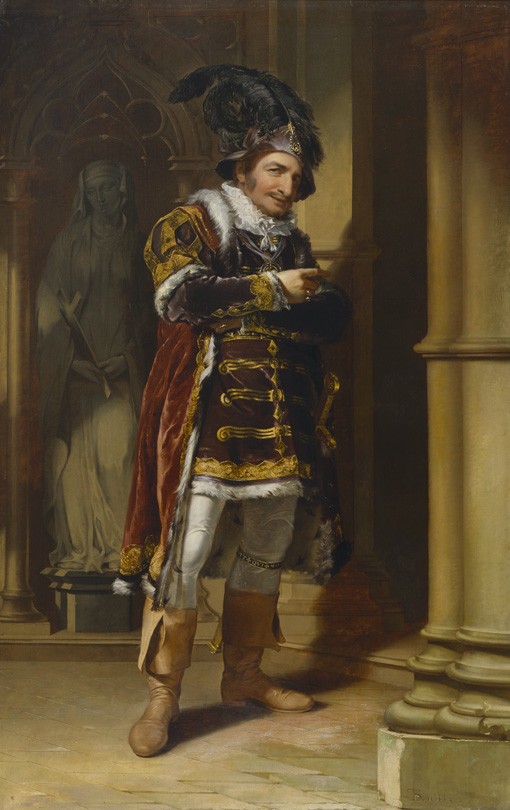
George Frederick Cooke as Richard III. Actor and theatrical role meet in an imposing full-length portrait. [6]
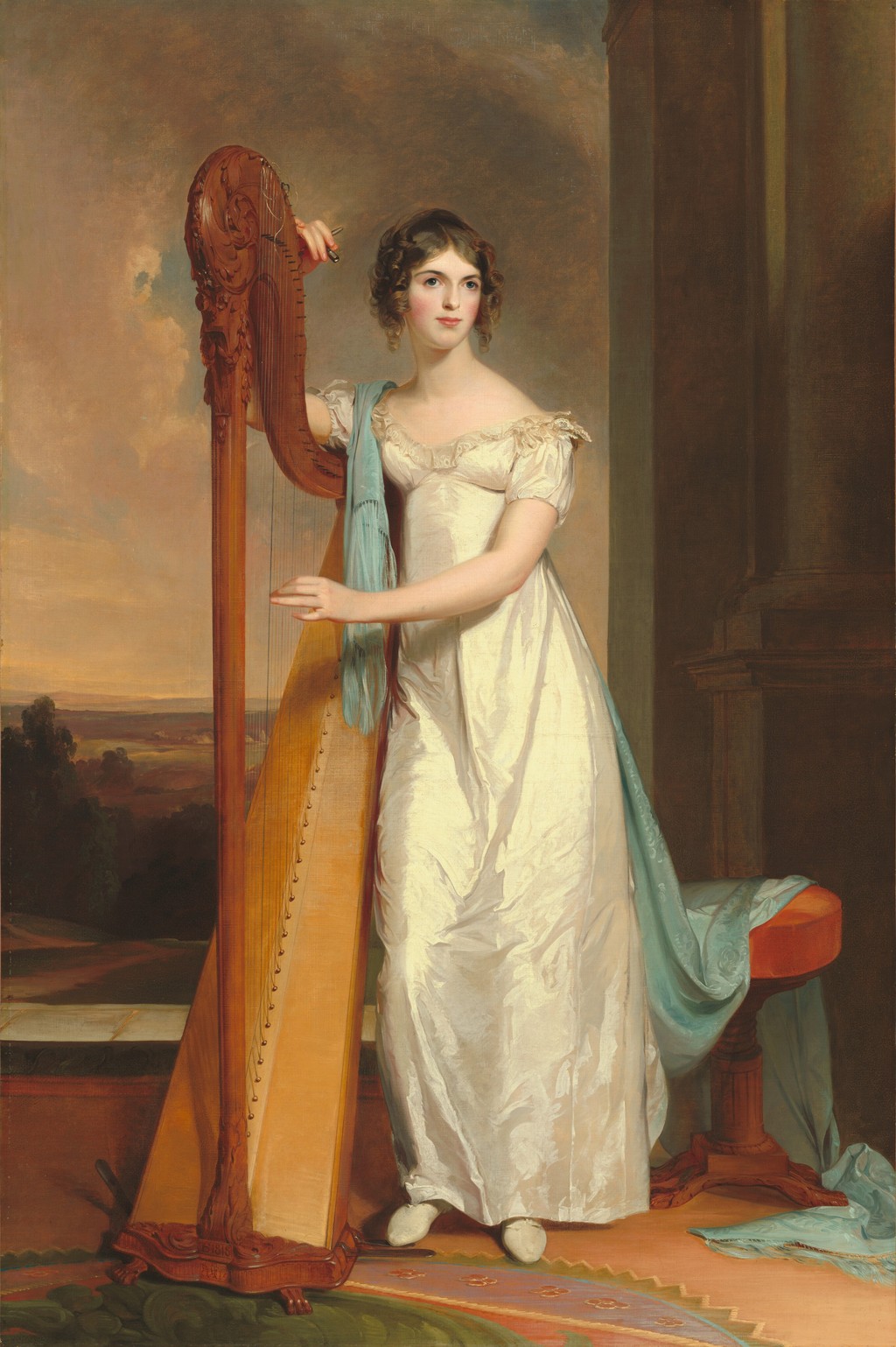
Lady with a Harp: Eliza Ridgely. The harp connects the sitter’s accomplishment with the arrangement of her body. [7]
The Passage of the Delaware. Washington is mounted on shore while the crossing proceeds around him. [8]
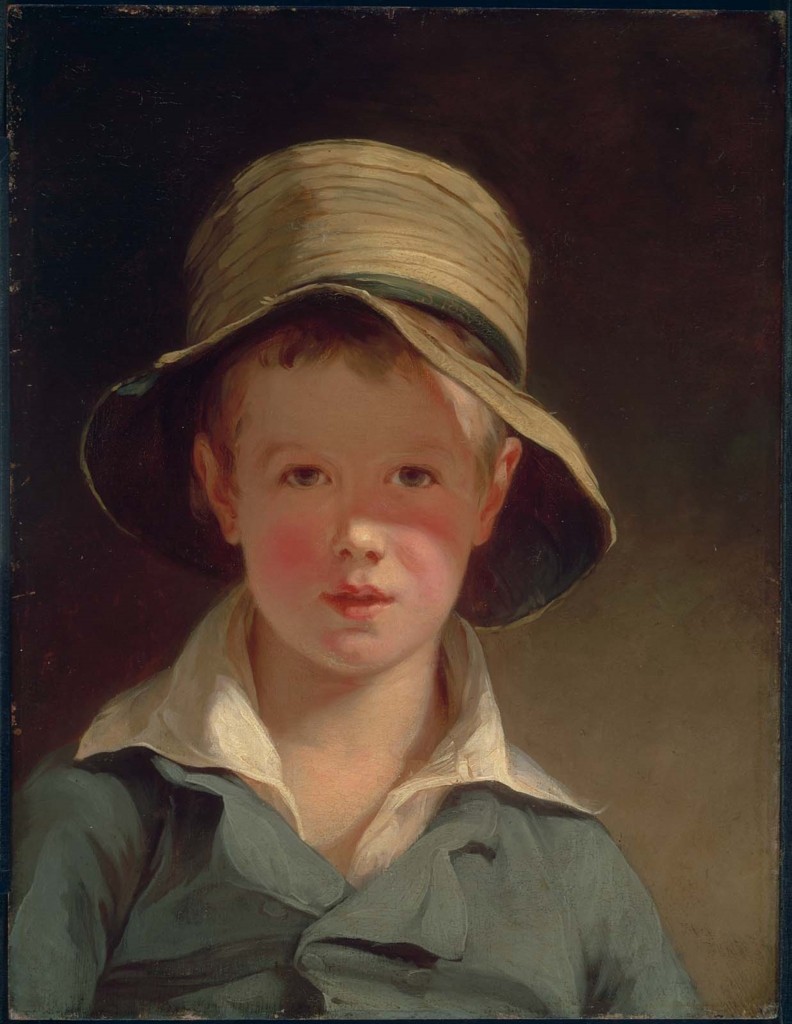
The Torn Hat. A worn hat and directed light give the artist’s son an informal presentation. [9]
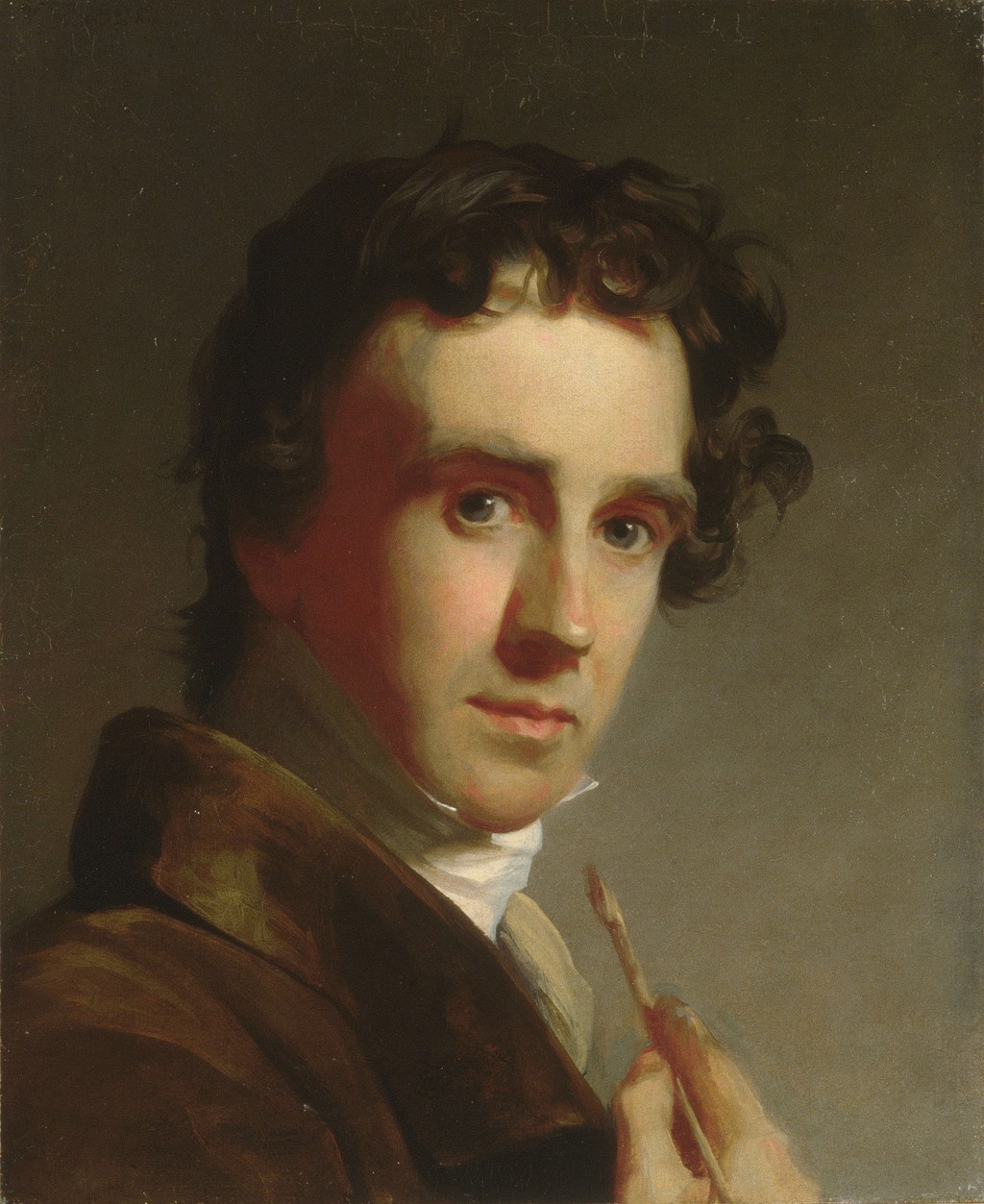
Portrait of the Artist. A raised brush joins the painter’s hand to the illuminated head. [10]
John Quincy Adams. A developed likeness supplied information for a larger portrait project. [7]
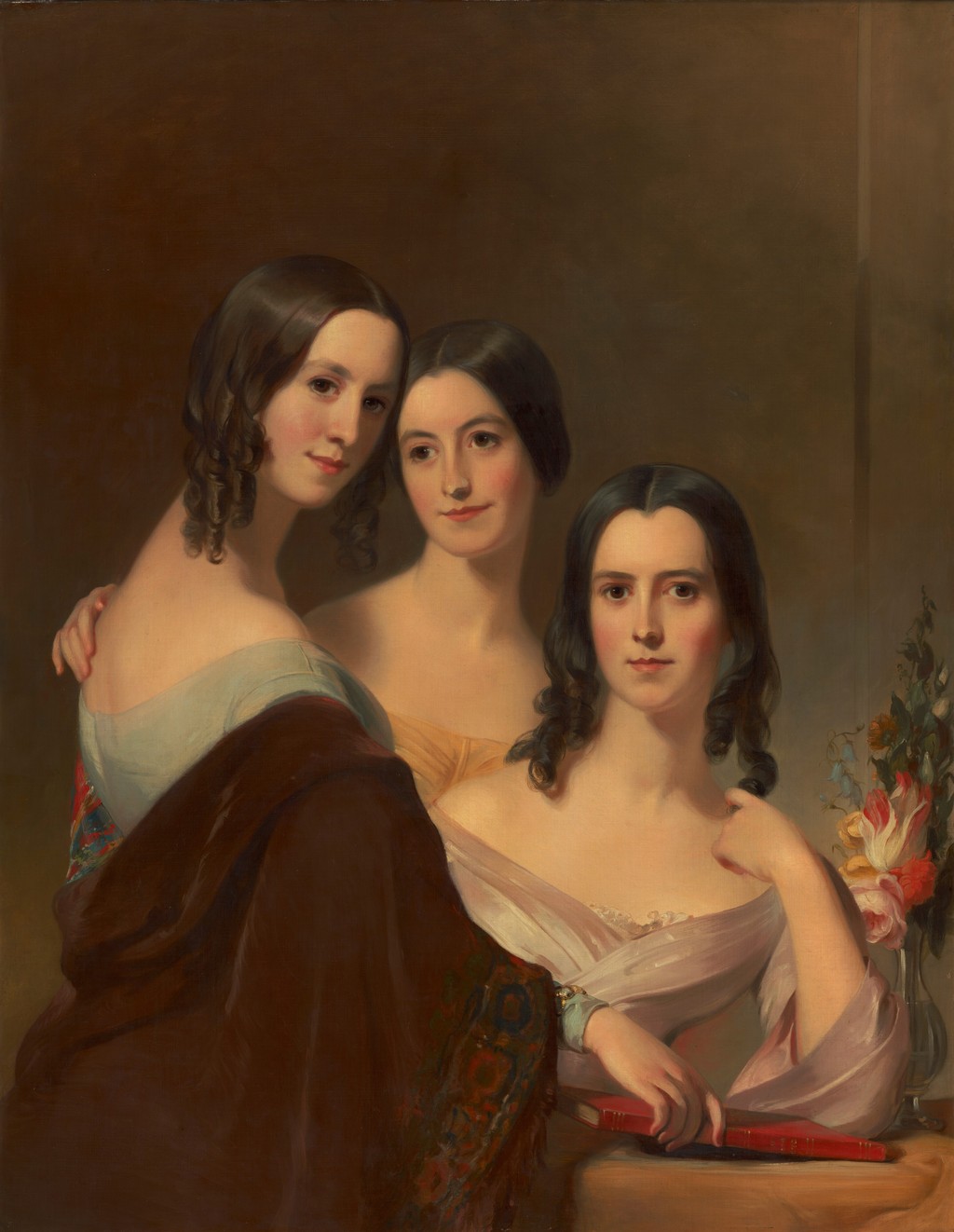
The David Children. The older children direct attention toward the reclining infant. [7]
The Vanderkemp Children. A portfolio and overlapping hands connect the three children. [7]
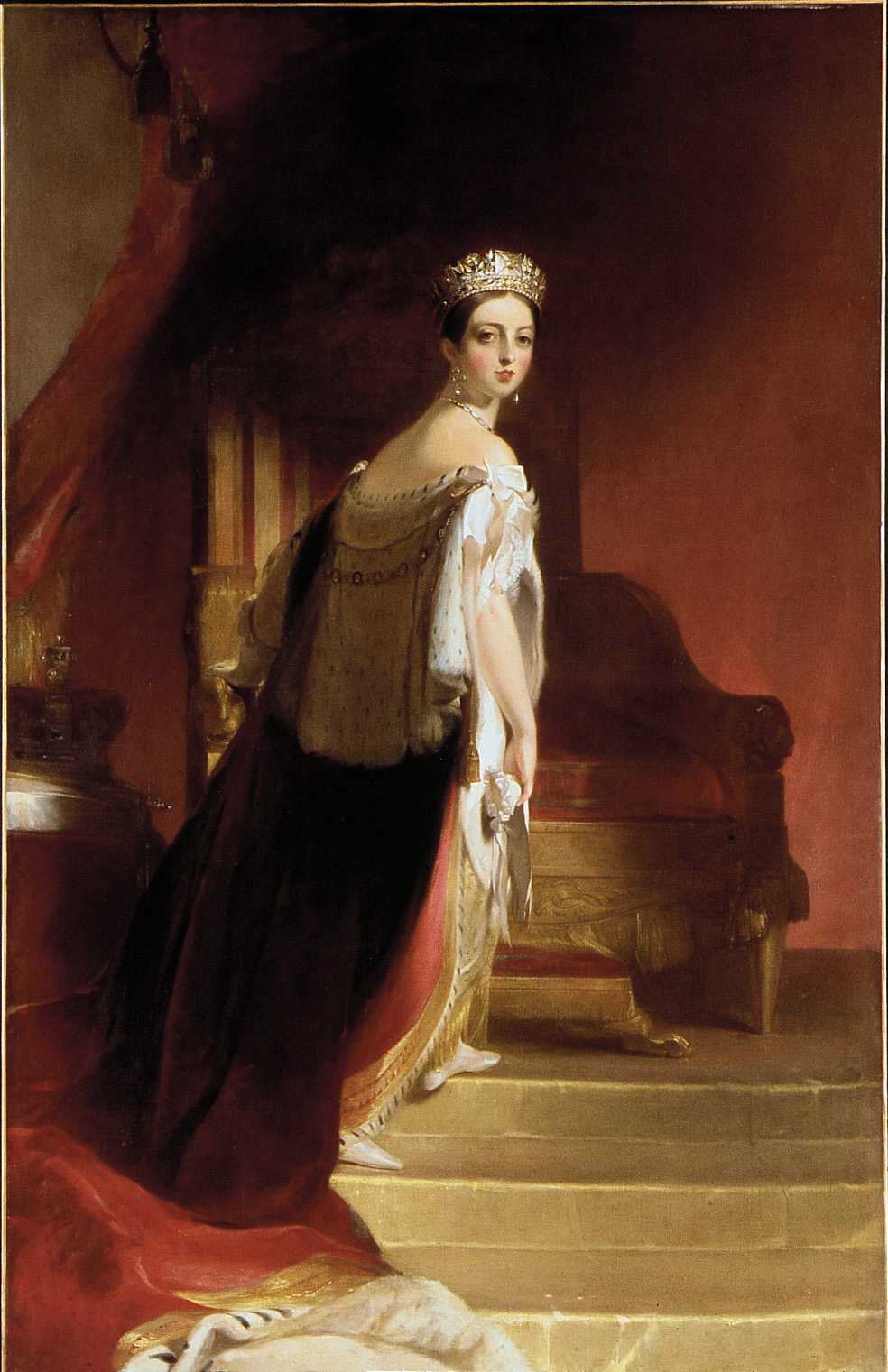
Queen Victoria. The royal likeness extends through robes, insignia and a ceremonial setting. [11]
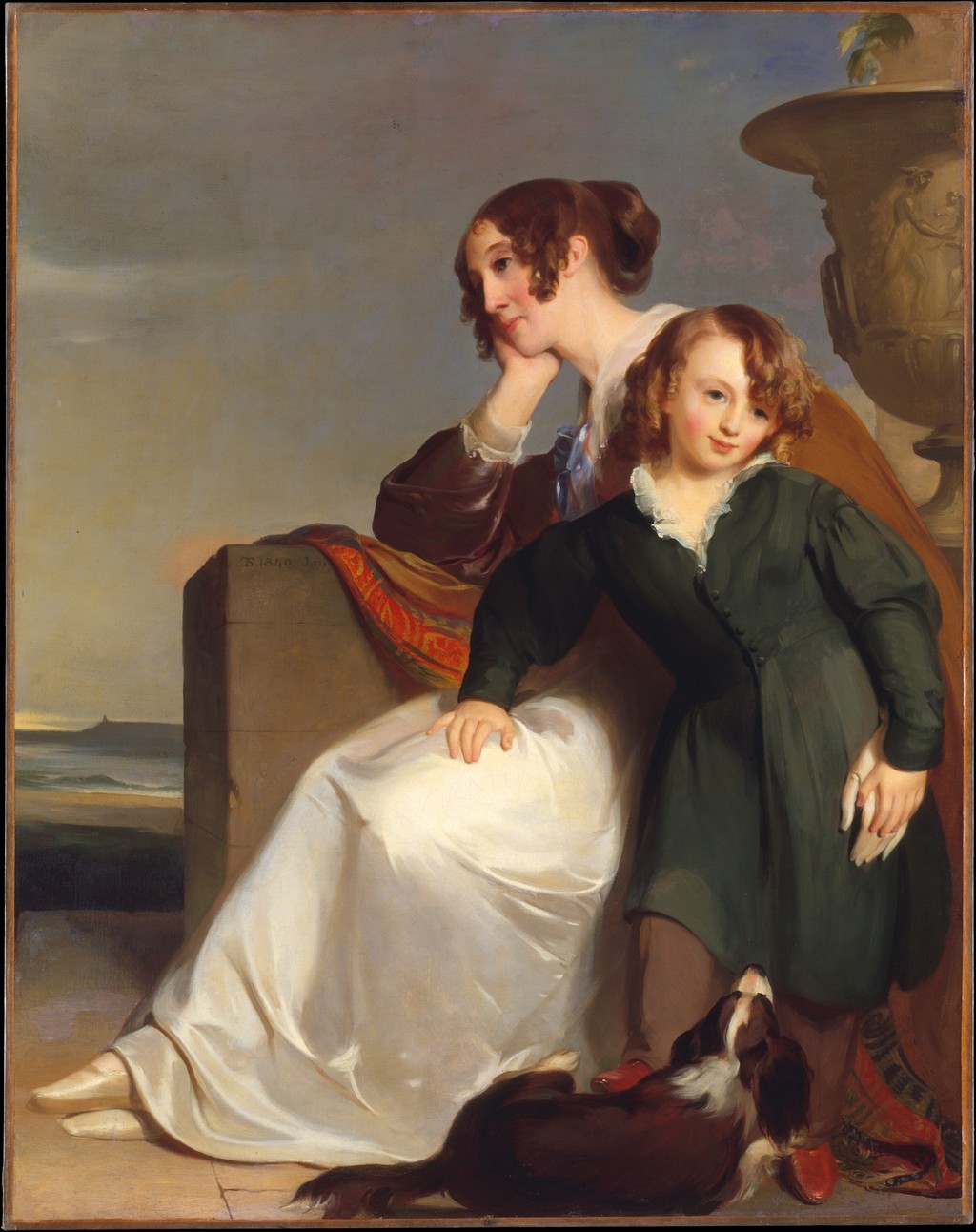
Mother and Son. Jane Darley and her son are connected through touch and differing gazes. [12]
The Coleman Sisters. Contrasting dresses, heights and gestures hold three individual likenesses together. [7]
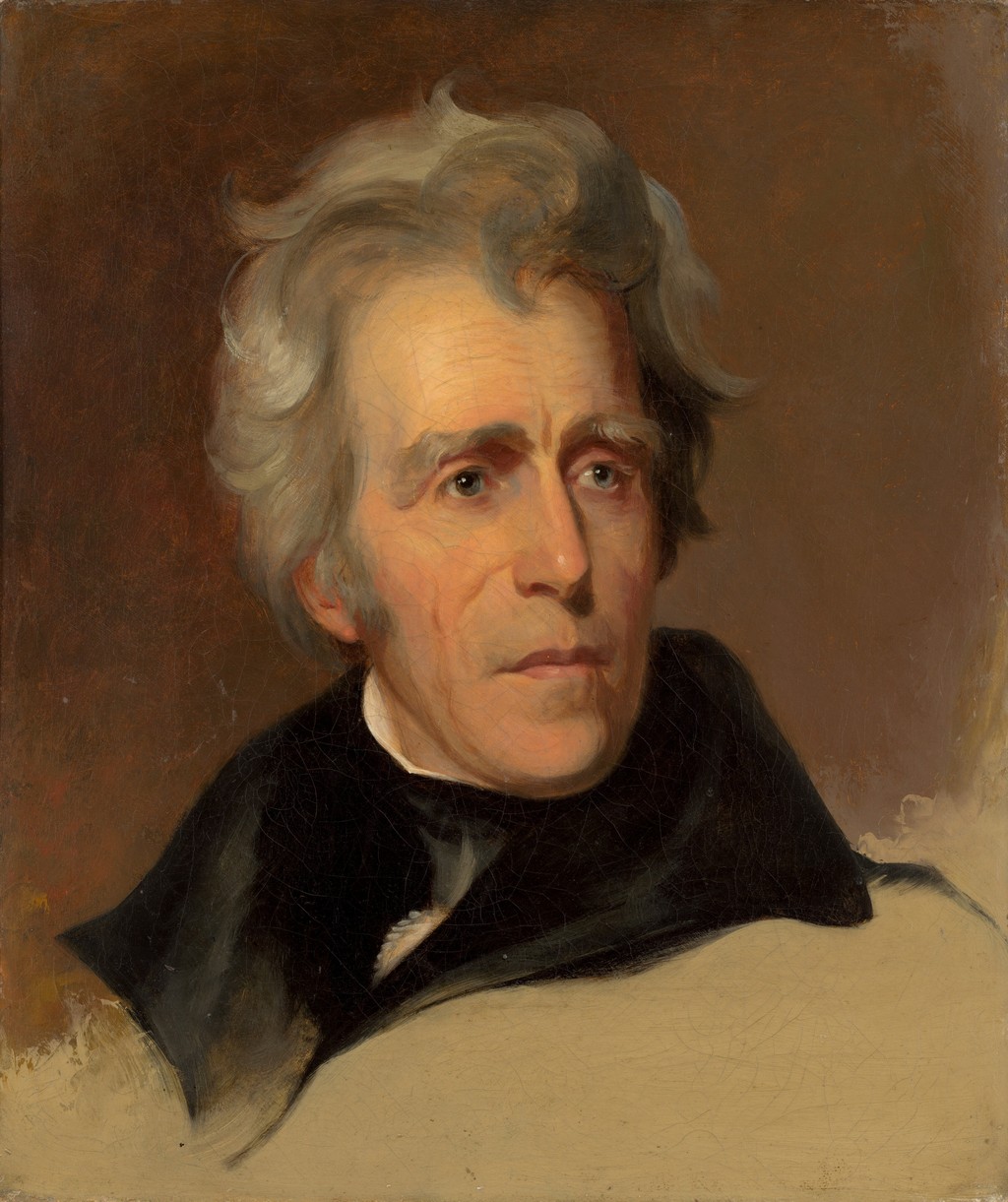
Andrew Jackson. This later version must be distinguished from its earlier life source. [7]
Musidora. A turned figure beside a pool belongs to a literary episode, not a named portrait sitter. [4]
Contents
- An actor’s family and an early interest in drawing
- Lawrence Sully, Norfolk and the first records
- Theatre patrons and the move to New York
- Gilbert Stuart in Boston
- Philadelphia: a visit in 1807, settlement in 1808
- Citizenship and the first London journey
- Early full-length portraits and public attention
- Historical ambition and the Delaware painting
- Sittings, travel and the circulation of likenesses
- The royal commission and second journey abroad
An actor’s family and an early interest in drawing
Sully was born at Horncastle on 19 June 1783. His parents, Matthew and Sarah, worked as actors. The family emigrated to the United States in 1792, initially living in Richmond before settling in Charleston in 1794. Theatre was therefore part of his early environment, rather than a professional world he discovered only after becoming a painter. [2] [1]
His first artistic contacts were close at hand. Charles Fraser, a schoolmate who later became a noted miniaturist, gave him encouragement and instruction. Sully also studied with his brother-in-law Jean Belzons, a miniature painter. Their relationship ended in a disagreement in 1799, after which he went to Richmond to learn from his elder brother Lawrence. [1]
The 1921 biography preserves a lively story about a brief attempt to place the young Sully in an insurance office. Its central image is a boy drawing figures where his employer expected business work. The anecdote belongs to the remembered account of his beginnings; it should not be made to carry every explanation of his later career. [5]
What is clearer is the importance of miniature painting in his training. Working at a small scale offered a route into making recognisable likenesses before the more expansive problems of a standing figure, surrounding furniture or historical crowd became central to his practice.
Four stages of Thomas Sully’s career
These periods group related developments; painting, travel and local work overlap across their boundaries.
From miniature painting to London study
An acting family, early miniature training and theatre patrons helped Sully enter the profession. Advice from Stuart and study in London widened his experience before his return to Philadelphia in 1810. [1]
Public figures, families and historical ambition
Full-length portraits of Cooke and Stewart helped establish Sully’s reputation. Lady with a Harp, the Delaware composition and later family groups show how widely he adapted the figure to different purposes. [3]
London sittings and a Philadelphia portrait
Sully travelled with Blanche to paint Queen Victoria. Studies made during the London visit supplied information for full-length versions, while Blanche helped him work on the costume. [5]
Continued work and a changing market
Sully continued painting, exhibiting and teaching while portrait commissions became less dependable. He assembled his manual in 1851 and revised it in 1871; publication followed after his death. [2]
Lawrence Sully, Norfolk and the first records
Thomas moved with Lawrence’s household to Norfolk in 1801. There he painted a miniature of his brother Chester from life, the work with which his early record of pictures begins. His first attempt in oil followed in 1802. [1] [5]
The record is significant because it follows work as a continuing occupation. Sully entered such information as a picture’s subject, dimensions, dates and price or valuation. These columns allow later researchers to distinguish the making of an object from the various ways it might have been commissioned, retained or sold. They do not form a complete list of every work he ever produced. [1]
Lawrence died in 1804. Thomas helped support the widow, Sarah Annis Sully, and her three children, and married her on 27 June 1806. Thomas and Sarah subsequently had nine children together. The earlier household and the children of the later marriage should remain distinct when family totals are discussed. [1] [2]
This growing family made earning a living a substantial part of the young painter’s circumstances. His career cannot be described only as a sequence of stylistic discoveries. Patrons, prices, travel and the ability to maintain a household continually shaped the opportunities available to him.
Theatre patrons and the move to New York
The actor and theatre manager Thomas Abthorpe Cooper encouraged Sully to seek a larger market in New York. He moved there in November 1806 and painted members of the theatrical community. Cooper’s support provided introductions as well as work, showing how a relationship with one sitter could bring access to others. [5]
The theatre connected artistic skill with people accustomed to presenting themselves before an audience. A performer could sit as an individual or appear within a role, giving the painter different kinds of identity to organise. These possibilities would remain important in Sully’s later full-length portraits.
The association should not reduce his whole practice to theatricality. Merchants, families and other patrons required different kinds of likenesses. What the early theatre network supplied was a practical route toward those wider opportunities, not a single formula to be applied unchanged to every sitter.
Gilbert Stuart in Boston
In 1807 Sully visited Gilbert Stuart in Boston. The older painter allowed him to observe a sitting and offered criticism of a portrait Sully made. The encounter gave him access to an established portraitist’s working decisions at a time when his own methods were still developing. [1] [5]
Biddle and Fielding’s account emphasises Sully’s anticipation of Stuart’s judgement and the encouragement he took from it. The episode is useful because it presents learning through observation and response: a painter watches work, makes something himself and brings it back for another artist to assess. [5]
Sully’s later manual continued that conversation. It preserved comments associated with Stuart while also expressing disagreement about particular aspects of likeness. Admiration did not require him to repeat every opinion without qualification. His professional development included deciding which advice matched his own experience. [13]
Philadelphia: a visit in 1807, settlement in 1808
The Philadelphia chronology is clearest when a visit is separated from a permanent move. The 1921 biography records work there late in 1807 and explicitly distinguishes that visit from settlement the following year. Worcester’s later biography likewise places his move from New York in 1808. [5] [2]
Philadelphia became the main base of his career. The early years involved finding patrons and adjusting prices as economic conditions changed. Sully’s records include a reduced-price subscription scheme, one of several examples of the painter organising demand rather than simply waiting for commissions to arrive. [5]
The city also placed him within a developing institutional world. Exhibitions, artists’ organisations, engravers, collectors and the Pennsylvania Academy of the Fine Arts could help a picture reach people beyond its immediate patron. These relationships became part of the work of sustaining a practice.
Citizenship and the first London journey
Sully became an American citizen in 1809 before sailing for England. A group of Philadelphia supporters helped finance the journey in return for copies he would make abroad. Travel and copying were consequently linked by a practical arrangement as well as by the desire for artistic improvement. [5]
In London he shared accommodation and working space with Charles Bird King. Benjamin West gave advice, encouraged further anatomical study and made pictures available for copying. West’s support helped Sully gain access to works and artistic contacts that would otherwise have been difficult to secure. [5]
West was then principally engaged with historical subjects. Sully also sought instruction and examples from portrait painters, particularly Thomas Lawrence. The encounter with Lawrence gave him a lasting point of reference for the elegant arrangement of a likeness within costume and setting. [1] [5]
The months abroad were spent making copies and studying, not simply collecting introductions. Sully had obligations to the people who supported the journey. He returned to the United States in 1810 with both work to deliver and experience that could be brought into his continuing portrait practice.
Early full-length portraits and public attention
The years after his return brought important full-length pictures. George Frederick Cooke as Richard III presented a well-known actor in costume, while Captain Charles Stewart organised the standing figure of a naval officer. The two projects overlapped in execution during 1811–1812. [3]
These large portraits expanded the task beyond recording a head. Sully had to connect a face with hands, legs, costume, accessories and an extensive surrounding space. Their different subjects also show that an imposing full-length arrangement could serve more than one kind of public identity.
Lady with a Harp , painted in 1818, offered another solution. The instrument helped organise Eliza Ridgely’s complete posture while presenting an aspect of her education. Such works made Sully’s ability to arrange a person within a larger image central to his reputation. [3]
Smaller pictures could serve quite different circumstances. The Torn Hat represented his young son, while the 1821 self-portrait made the painter’s face and brush the focus of a compact design. A career built around portraiture still required considerable variation in scale, audience and purpose.
Historical ambition and the Delaware painting
Sully also identified himself with history painting. His large Passage of the Delaware , completed in 1819, represented Washington on the riverbank before his crossing. The project arose from a North Carolina commission that developed beyond the original proposal for full-length portraits. [2]
The finished work was too large for its intended setting. Its subsequent exhibition and sale illustrate a practical difficulty of historical ambition: a monumental painting could demand an audience and space that were not secured simply by completing it. A conventional portrait commission and a large independent historical composition did not carry the same financial risks.
The difference did not stop Sully pursuing subjects beyond an individual likeness. Literary pictures, copies and other compositions continued alongside his portrait work. Musidora belongs to that wider range, connecting a figure beside a pool with a poem rather than a named portrait sitter.
Watch: Thomas Sully
Choose a film to explore the artist’s work, its interpretation and its wider setting.
Thomas Sully: A Lesson in Conservation
The Columbus Museum explores the conservation of a painting by Thomas Sully.
Watch on YouTubeSittings, travel and the circulation of likenesses
Although Philadelphia remained his home, Sully travelled for work. A sitter’s availability might require a visit to another city, after which studies could support a larger painting developed elsewhere. His Washington work on John Quincy Adams in 1824 provides a particularly clear example. [3]
Likenesses also travelled through reproduction. Durand’s engraving after the seated Adams portrait carried an image beyond the physical oil painting, while repeated Jackson portraits drew on an earlier life study. Such projects link the painter’s immediate encounter with a sitter to a much wider public history of the resulting design. [3]
The distinctions between study, original, copy, replica and print are therefore important to the biography. Sully’s activity included making new images from life, returning to earlier information and working within networks of publishers and engravers. It cannot be understood solely by counting distinct titles.
The royal commission and second journey abroad
In 1837 Sully travelled to England with his daughter Blanche to paint Queen Victoria for Philadelphia’s Society of the Sons of Saint George. The project required palace access and a series of studies. Reproduced family letters describe the waiting, preparation and practical adjustments surrounding the sittings. [5]
Blanche helped by modelling costume, allowing her father to work on the robes separately from Victoria’s own attendance. The head study and the larger versions should remain distinct: the likeness obtained in London supplied information for a more extensive image developed after the return to Philadelphia. [5]
The journey also included a visit to Paris and the Louvre in 1838, recorded in the 1921 account. The two English journeys were not his only encounters with European collections. His comments on other painters show an artist continuing to look critically at work outside his own. [5]
The royal portrait generated several versions and a dispute over repetition of its design. Those questions belong to the history of the Queen Victoria project , where the objects and dates can be followed individually. They underline how reputation, ownership and the circulation of an image could become entangled in a successful commission.
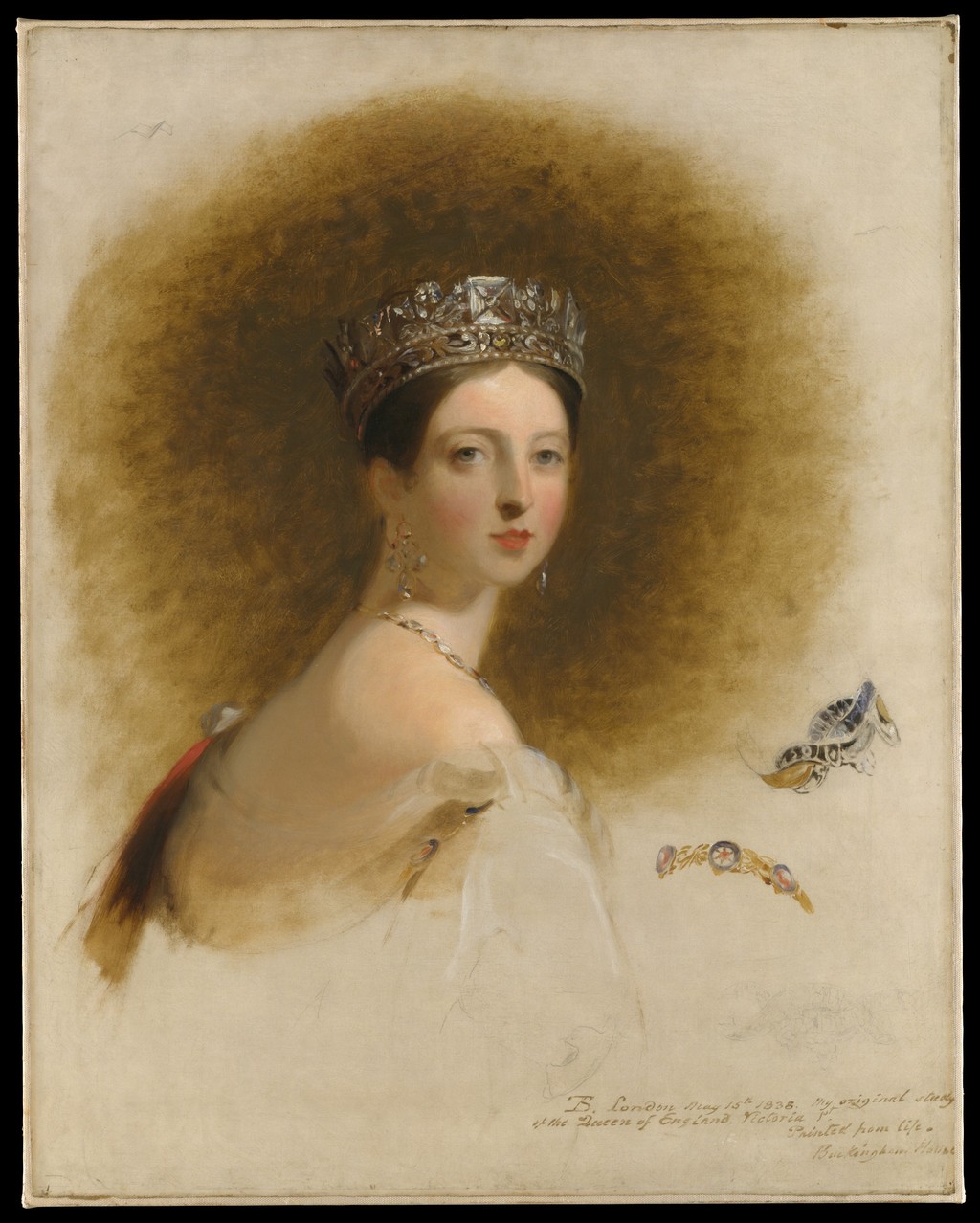
Thomas Sully, Queen Victoria, 1838, life study. Oil on canvas, 91.4 × 71.5 cm (museum display dimensions). The Metropolitan Museum of Art, Bequest of Francis T. S. Darley, 1914, 14.126.1. Public domain.
Image source
.
Public domain
.
A family engaged in making pictures
Sully’s household supplied sitters, assistants and artists. His daughter Jane Cooper Sully Darley became a portrait painter, while his son Thomas Wilcocks Sully painted portraits and miniatures. Their identities as makers should remain visible alongside their appearances in their father’s work. [1] [3]
In Mother and Son , Jane appears with Francis, the grandson who later bequeathed the canvas to the Met. The portrait presents a family relationship, but its title does not exhaust Jane’s professional life. The picture also connects Sully’s working generation with the later people who preserved his paintings.
Teaching extended beyond the household. The historical biography recounts instruction given to Charles Robert Leslie through copying, and later advice exchanged between the two artists. Learning could move in both directions as a former pupil developed his own experience. [5]
Later work, financial pressure and the manual
Sully’s later career was long, but commissions did not remain equally plentiful. Worcester’s account records discounted offers, difficulties collecting payments and a growing reliance on other kinds of pictures. The Academy eventually provided financial support during his final years. [2]
These circumstances qualify the impression of uninterrupted prosperity that a celebrated royal portrait might create. A painter could have a substantial reputation and still face an uncertain market. Completed work, promised payment and money actually received were not always the same thing.
The writing preserved another part of his professional identity. Sully assembled his Hints in 1851 and revised it in 1871; publication followed in 1873. The manual combined practical advice with observations and recollections, allowing his stated methods to survive beyond the circumstances of a particular studio or class. [13]
Its illustrations include a palette diagram and a working stand reproduced from a drawing. These documents support an account of his style and technique grounded in the artist’s own explanations. They do not replace examination of the individual paintings, whose materials and later histories differ.
Death, photographs and the surviving record
Sully died in Philadelphia on 5 November 1872. His life had extended from the early republic into the period after the Civil War, while his working records and paintings preserved encounters with several generations of sitters. [1]
A photographic print in the Archives of American Art provides a separate image of the seated artist holding a sketchbook. The Smithsonian catalogues the print as 1869 and records that it was copied from a daguerreotype. That date should not be treated as a securely established exposure date for the earlier photographic source. [14]
The archival materials also require distinctions. The New York Public Library finding aid describes registers, journals and a transcript of technique notes among the Sully papers. A description of those holdings is not the same as direct reading of every manuscript they contain. [15]
The most revealing biography brings the different evidence together: the small studies, imposing public pictures, family portraits, reproduced correspondence and records of ordinary business. They show an artist continually negotiating between the making of a likeness and the circumstances that allowed it to reach a sitter, a household or a wider audience.
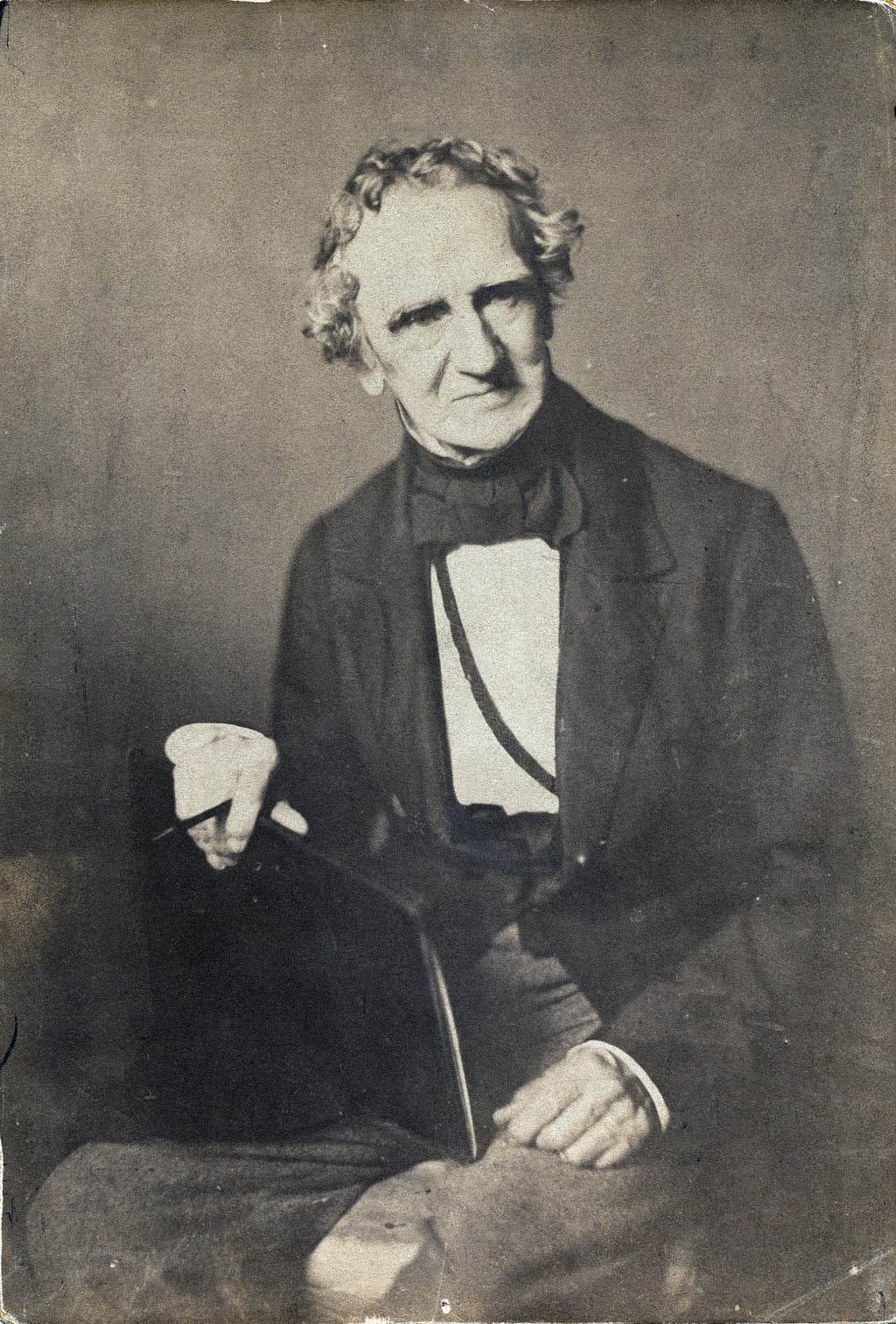
Thomas Sully holding a sketchbook. Photographic print catalogued 1869, identified on its reverse as copied from a daguerreotype; original exposure date not established. Unidentified photographer. Archives of American Art, Smithsonian Institution, aaa_macbgall_4844.
Image source
.
No known copyright restrictions (institution); US public domain (Commons)
.
Artworks directory
A selection documented in the linked articles, with related studies and a print after Sully listed separately. Dates identify individual objects; Musidora’s date range does not imply continuous work. This is not a catalogue raisonné. The Drawing filter includes watercolour and reproductive printmaking.
| Name | Date | Medium |
|---|---|---|
| Captain Charles Stewart | 1811–1812 | Painting — oil on canvas |
| George Frederick Cooke as Richard III | 1811–1812 | Painting — oil on canvas |
| Musidora | 1813–35; Met panel | Painting — oil on wood |
| Lady with a Harp: Eliza Ridgely | 1818 | Painting — oil on canvas |
| The Passage of the Delaware | 1819 | Painting — oil on canvas |
| The Torn Hat | 1820 | Painting — oil on panel |
| Portrait of the Artist | 1821; Met canvas | Painting — oil on canvas |
| John Quincy Adams | 1824; NGA oil study | Painting — oil on canvas |
| John Quincy Adams (watercolour study) | 1824; Met 38.146.1 | Drawing — watercolour, black chalk and graphite on paper |
| John Quincy Adams (Durand after Sully) | 1826; PAFA 1876.9.184a | Drawing — etching and engraving on paper |
| The David Children | 1826 | Painting — oil on canvas |
| The Vanderkemp Children | 1832 | Painting — oil on canvas |
| Queen Victoria | 1838; full-length Met canvas | Painting — oil on canvas |
| Queen Victoria (life study) | 1838; Met 14.126.1 | Painting — oil on canvas |
| Mother and Son | 1840; inscription date | Painting — oil on canvas |
| The Coleman Sisters | 1844 | Painting — oil on canvas |
| Andrew Jackson | 1845; after the 1824 life portrait | Painting — oil on canvas |
Frequently Asked Questions
He was born in Horncastle, Lincolnshire, England, on 19 June 1783. [2]
Yes, in 1809, before his first London study trip. [5]
It appeared in 1873, after his death, although he had prepared it earlier and revised it in 1871. [13]
Discussion
Look again at the images and ideas explored in Thomas Sully Biography. These editorial prompts invite your observations.
Reader Insights
Which part of Sully’s career best shows how patronage could create new opportunities?
How does knowing that Jane Darley was a painter change your encounter with Mother and Son?
Compare the self-portrait with the archival photograph. What different parts of a working artist’s identity do the two images present?
Join the Conversation
Share a detail, comparison or question about Thomas Sully Biography below.
References
- Caldwell , Rodriguez Roque and Johnson: American Paintings in the Metropolitan Museum of Art, volume 1, 1994, selected Sully biography and family entries. View source
- Worcester Art Museum: Early American Paintings , Thomas Sully biography. View source
- National Gallery of Art: American Paintings of the Nineteenth Century , Part II, 1998, selected Sully entries and Thomas Wilcocks Sully biography. View source
- Metropolitan Museum of Art, Musidora, 1813–35, 21.48. View source
- Edward Biddle and Mantle Fielding: The Life and Works of Thomas Sully , 1921, chapters I–IV and VIII. View source
- Pennsylvania Academy of the Fine Arts, George Frederick Cooke as Richard III, 1811–1812, 1812.1. View source
- National Gallery of Art, Open Data: selected Sully object and published-image records. View source
- Wikimedia Commons / MFA image source, The Passage of the Delaware: original image and PD-Art record. View source
- Wikimedia Commons / MFA source image, The Torn Hat: 16.104 image and PD-Art rights. View source
- Metropolitan Museum of Art, Portrait of the Artist, 1821, 94.23.3. View source
- Metropolitan Museum of Art, Queen Victoria,1838,2021.140. View source
- Metropolitan Museum of Art, Mother and Son, 1840, 14.126.5. View source
- Thomas Sully: Hints to Young Painters and the Process of Portrait-Painting , 1873. View source
- Archives of American Art , Smithsonian Institution: Thomas Sully, photographic print catalogued 1869. View source
- New York Public Library: Thomas Sully papers , 1792–1871, finding aid. View source
- Splash image source.
Thomas Sully, Portrait of the Artist, 1821. Oil on canvas, 43.5 × 35.6 cm. The Metropolitan Museum of Art, Gift of Rosa C. Stanfield, 1894, 94.23.3. Public domain .
View source - Kathryn Calley Galitz, “Romanticism”, Metropolitan Museum of Art (2004). Emergence around 1800 and flourishing until mid-century. View source
- Smithsonian American Art Museum, Benjamin West: 1738–1820. Artist life dates. View source
- Smithsonian American Art Museum, Gilbert Stuart: 1755–1828. Artist life dates. View source
- National Gallery, London, Thomas Lawrence: 1769–1830. Artist life dates. View source
- National Gallery of Art, Thomas Sully: 1783–1872. Artist life dates. View source
- National Portrait Gallery, London, Charles Robert Leslie: 1794–1859. Artist life dates. View source