 by Tom Gurney
Tom Gurney BSc (Hons) is an art history expert with over 20 years experience
Published on June 29, 2026 / Updated on June 29, 2026
Email: tomgurney1@gmail.com / Phone: +44 7429 011000
How Frans Hals Compares with Other Great Masters
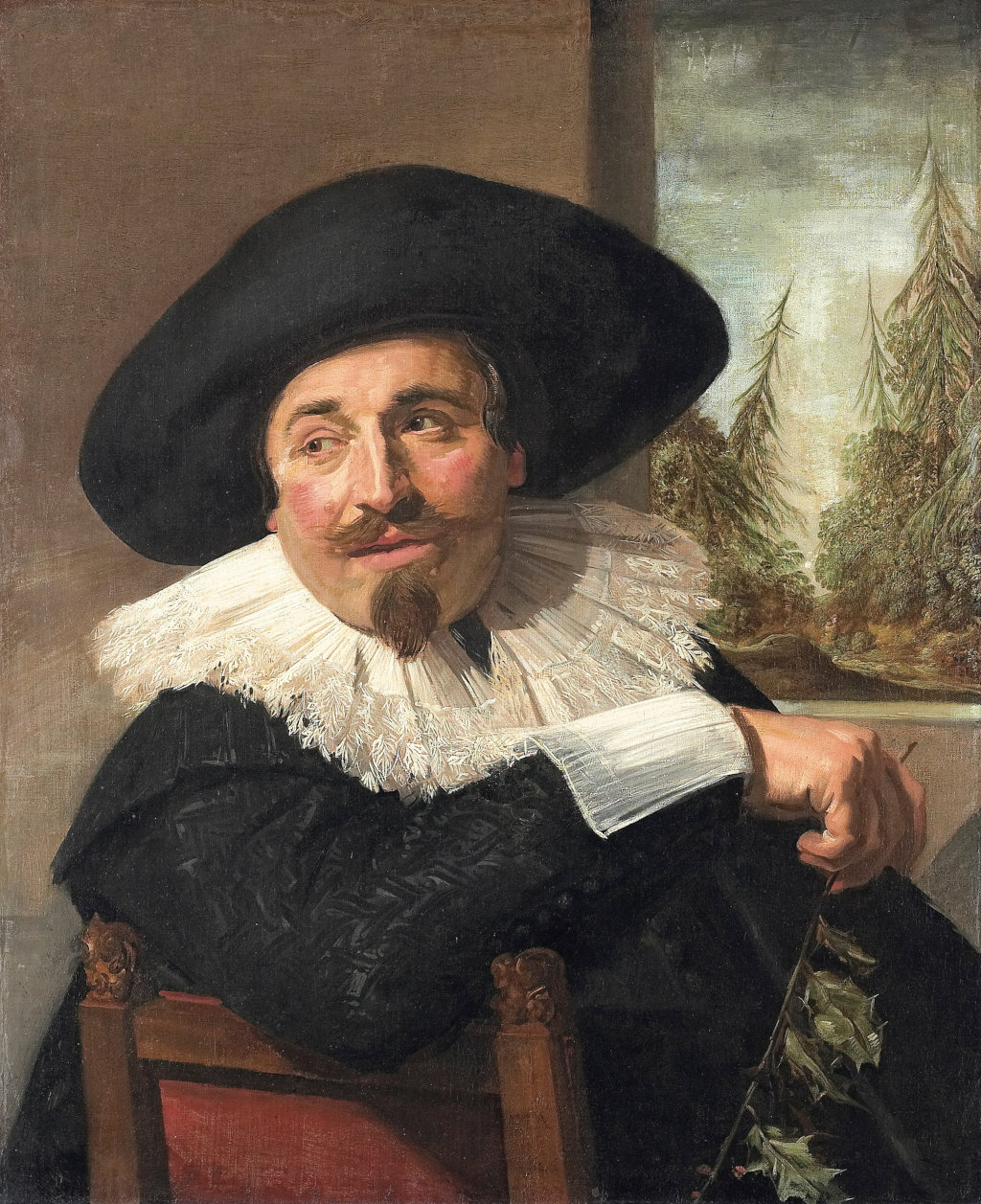
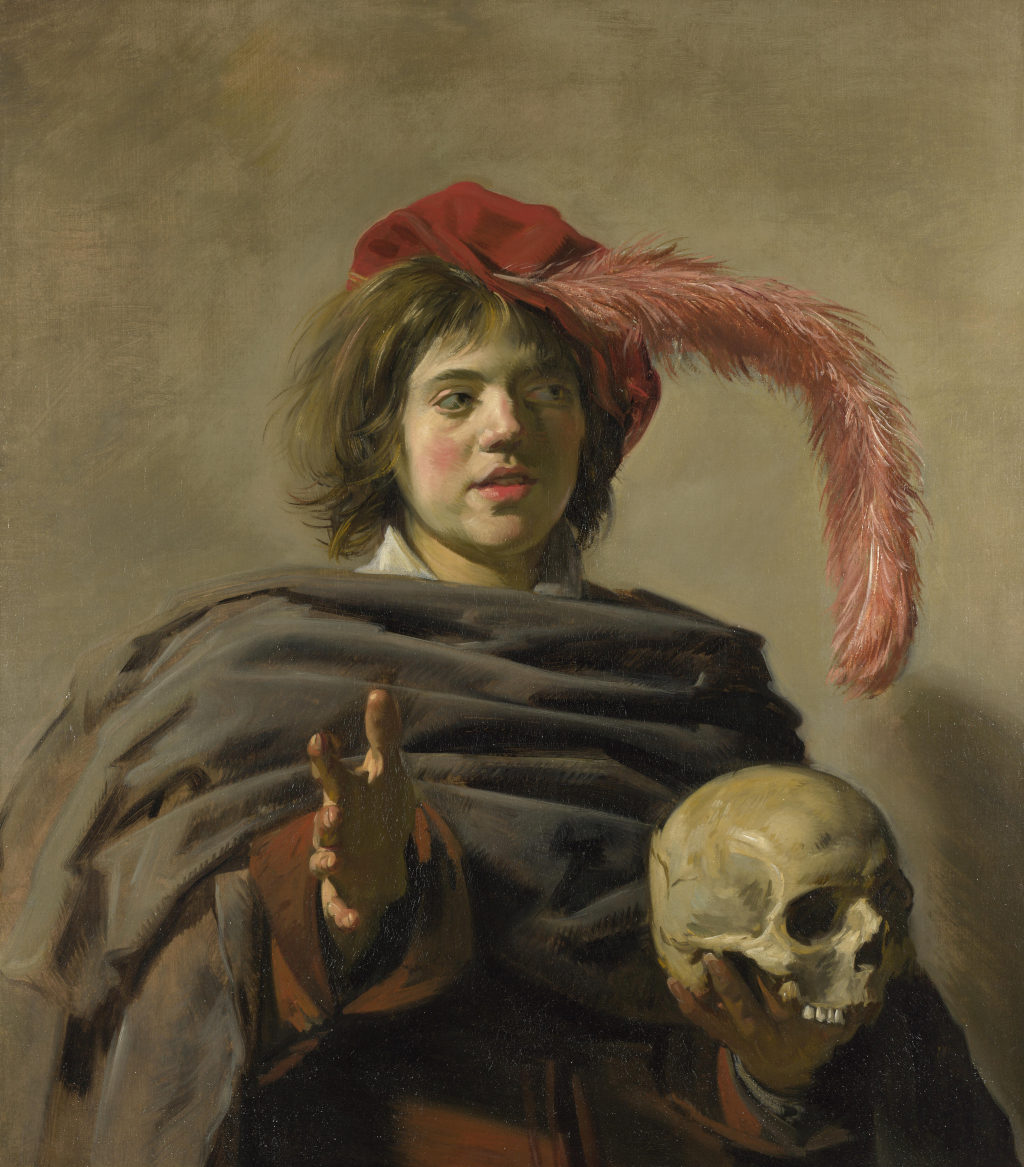
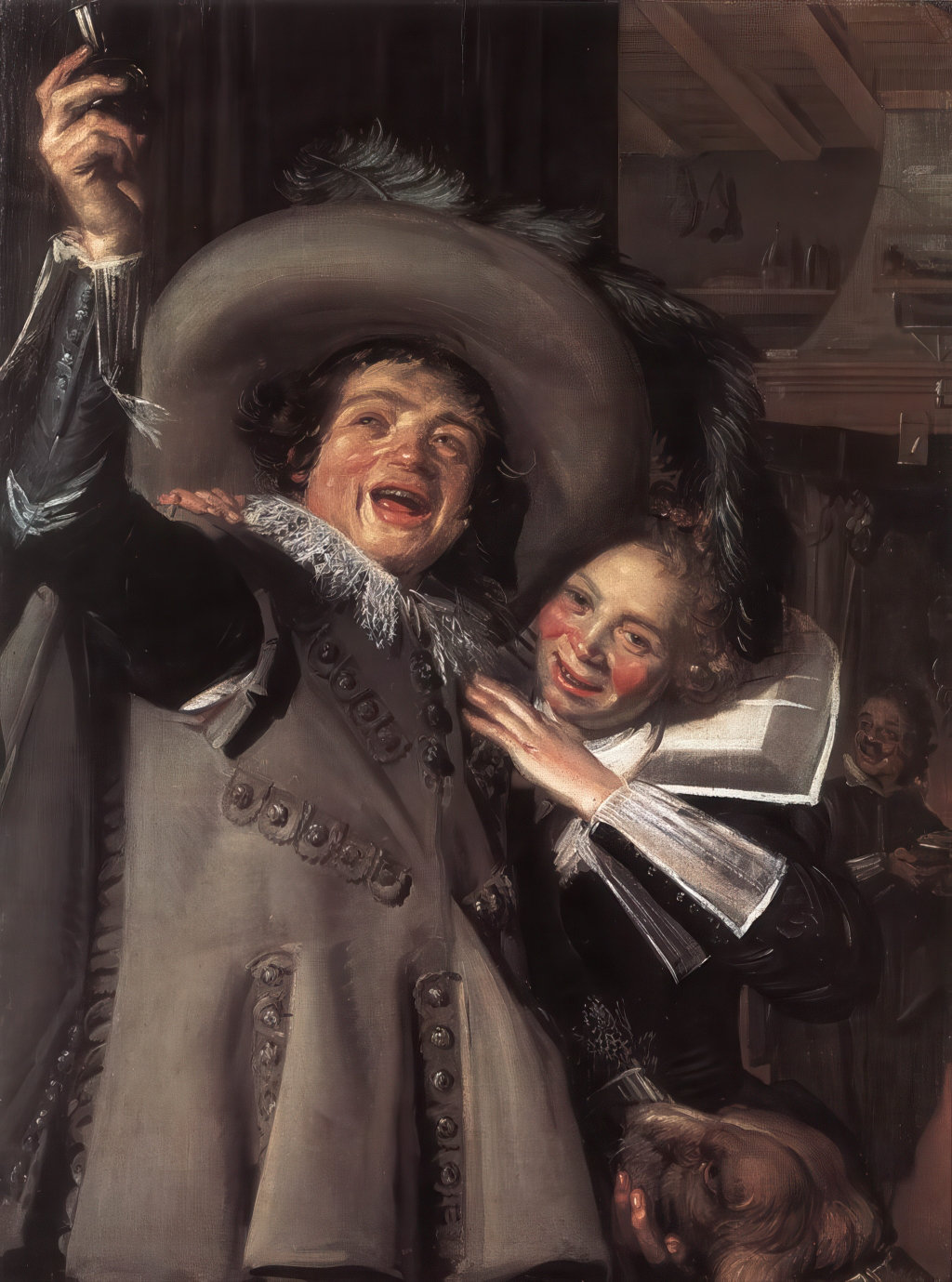
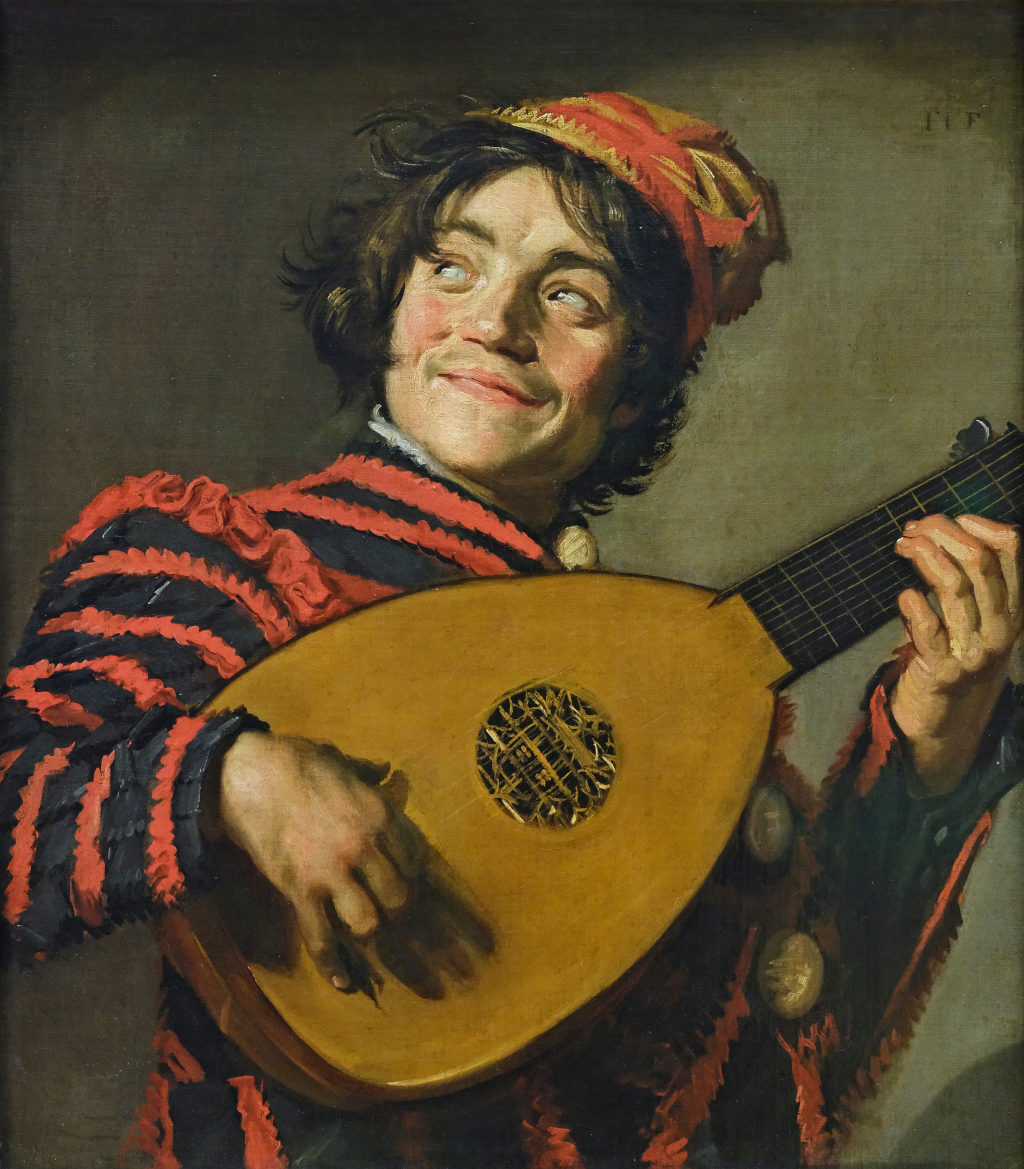
Frans Hals is often discussed alongside Rembrandt and Vermeer as one of the greatest painters of the Dutch Golden Age. Yet his achievement was very different from either of them. Hals specialised above all in portraiture, movement, expression and the appearance of living presence. His sitters smile, gesture, turn and engage with the viewer in ways that still feel remarkably immediate.
Comparison helps reveal what made Hals unique. Rembrandt explored dramatic light and inner emotion. Vermeer perfected stillness and quiet observation. Rubens created colour, movement and grandeur. Velázquez achieved restrained naturalism. Van Dyck shaped aristocratic elegance. Manet, Van Gogh and Sargent later admired Hals because his loose brushwork seemed astonishingly modern.
This page compares Frans Hals with the artists most often linked to him, explaining similarities, differences and influence. Rather than treating Hals in isolation, it places him within a wider history of portraiture, realism and painterly technique.
- Main Artist Frans Hals (c.1582/83–1666)
- Best Comparison Rembrandt
- Closest Technical Parallel Velázquez and Manet
- Main Difference Hals emphasised movement, expression and social immediacy
- Later Admirers Manet, Van Gogh, Sargent and Whistler
- Why It Matters Comparisons show why Hals was one of the most original portrait painters in European art.
Contents
- Comparison at a Glance
- Frans Hals and Rembrandt
- Frans Hals and Vermeer
- Frans Hals and Anthony van Dyck
- Frans Hals and Peter Paul Rubens
- Frans Hals and Diego Velázquez
- Frans Hals and Édouard Manet
- Frans Hals and Vincent van Gogh
- Frans Hals and John Singer Sargent
- Why These Comparisons Matter
- FAQs
- References
Comparison at a Glance
Frans Hals can be compared with many of the greatest painters in European art, but each comparison reveals a different aspect of his achievement. With Rembrandt, the contrast lies between outward vitality and inward drama. With Vermeer, it is movement versus stillness. With Rubens and Van Dyck, it is civic immediacy versus aristocratic grandeur. With Velázquez, Manet and Sargent, the comparison centres on brushwork, realism and the power of suggestion.
| Artist | Main Strength | How Hals Differs |
|---|---|---|
| Rembrandt | Light, inner emotion and dramatic storytelling | Hals focuses more on social presence, expression and immediate interaction. |
| Vermeer | Stillness, domestic interiors and luminous quiet | Hals is more animated, public and portrait-focused. |
| Anthony van Dyck | Aristocratic elegance and courtly refinement | Hals presents sitters with greater informality and civic realism. |
| Peter Paul Rubens | Colour, drama and large-scale movement | Hals concentrates on portraiture, character and direct human encounter. |
| Diego Velázquez | Natural observation and tonal subtlety | Hals is more expressive and visibly energetic in brushwork. |
| Édouard Manet | Modern painterly surface and directness | Manet admired qualities Hals had achieved two centuries earlier. |
Frans Hals and Rembrandt
Frans Hals and Rembrandt van Rijn are often paired as the two greatest Dutch portrait painters of the seventeenth century. Both transformed portraiture by giving sitters psychological presence, yet they achieved this through very different means. Rembrandt is famous for dramatic light, emotional depth and the sense of an inner life unfolding slowly. Hals is famous for immediacy, movement, sociability and expressions that seem caught in the instant.
A Rembrandt portrait often draws the viewer inward. Faces emerge from shadow, light falls selectively and the sitter appears absorbed in thought or spiritual reflection. A Hals portrait tends to move outward. Sitters engage the viewer directly, smile, turn, raise a glass or participate in conversation. Rembrandt's portraits can feel meditative; Hals' portraits feel conversational.
Their brushwork also differs. Rembrandt often built surfaces with rich impasto and glowing layers, especially in his later works. Hals used visible strokes with greater speed and economy, allowing lace, hair, fabric and flesh to emerge from comparatively few marks. Both artists were painterly, but Rembrandt's paint often feels dense and sculptural, while Hals' feels quick, open and animated.
Best Comparison
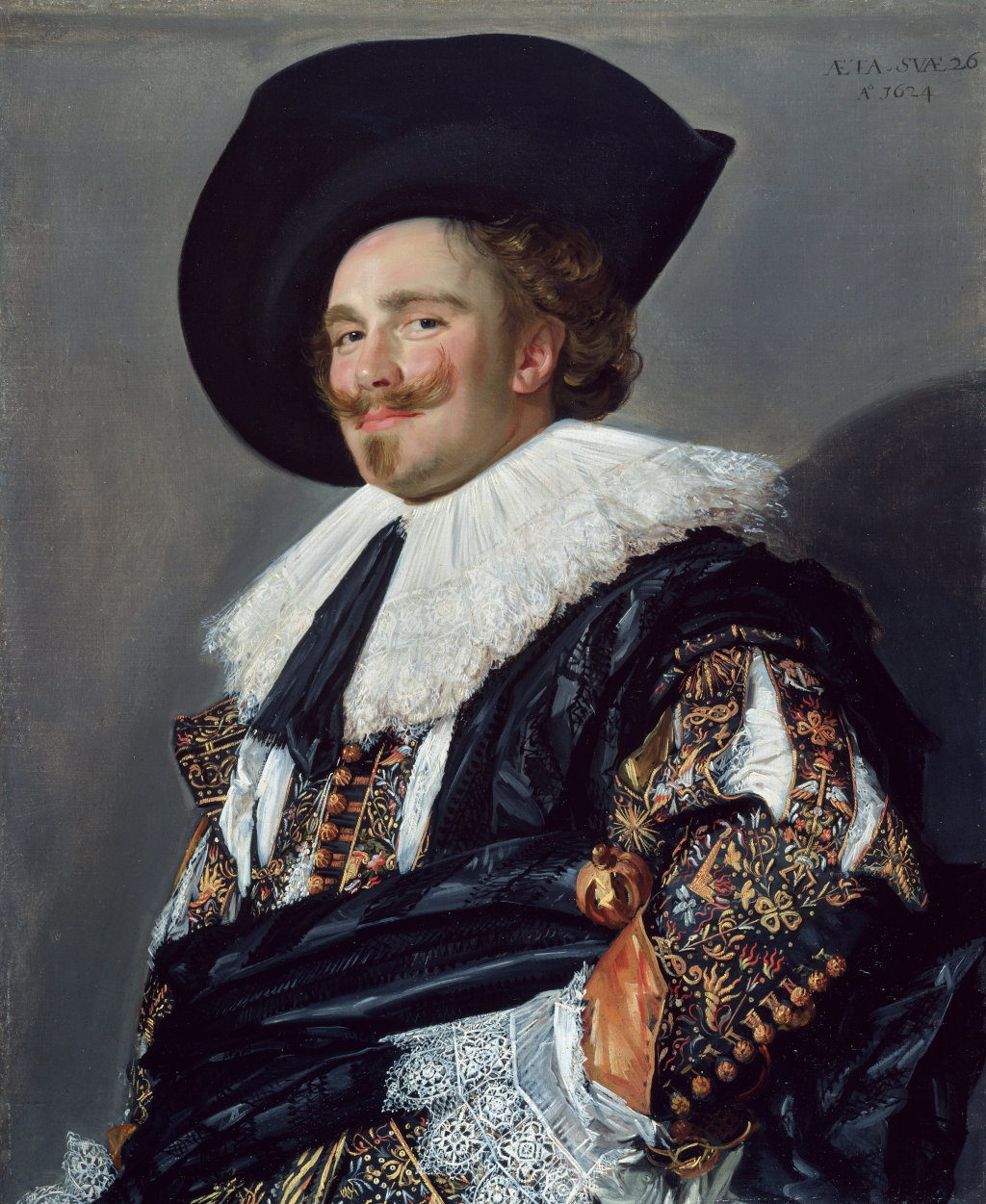
Compare Hals' The Laughing Cavalier with Rembrandt's self portraits. Hals emphasises social confidence and outward vitality; Rembrandt turns portraiture toward introspection and psychological drama.
Frans Hals and Vermeer
Frans Hals and Johannes Vermeer both belong to the Dutch Golden Age, but their artistic worlds feel almost opposite. Vermeer is associated with still interiors, quiet women, carefully balanced light and moments of suspended silence. Hals is associated with movement, laughter, public identity and the animated world of portraiture.
Vermeer often removes the viewer from immediate social exchange. His figures are absorbed in reading, writing, music or domestic tasks, creating a mood of contemplation. Hals usually does the opposite. His sitters frequently acknowledge the viewer, creating the sense of an encounter rather than private observation.
The difference is partly one of subject. Vermeer specialised in domestic genre scenes, while Hals specialised in portraits and expressive character studies. Yet the contrast also reveals different artistic temperaments. Vermeer slows time down; Hals makes it feel as though time is passing before us.
Best Comparison
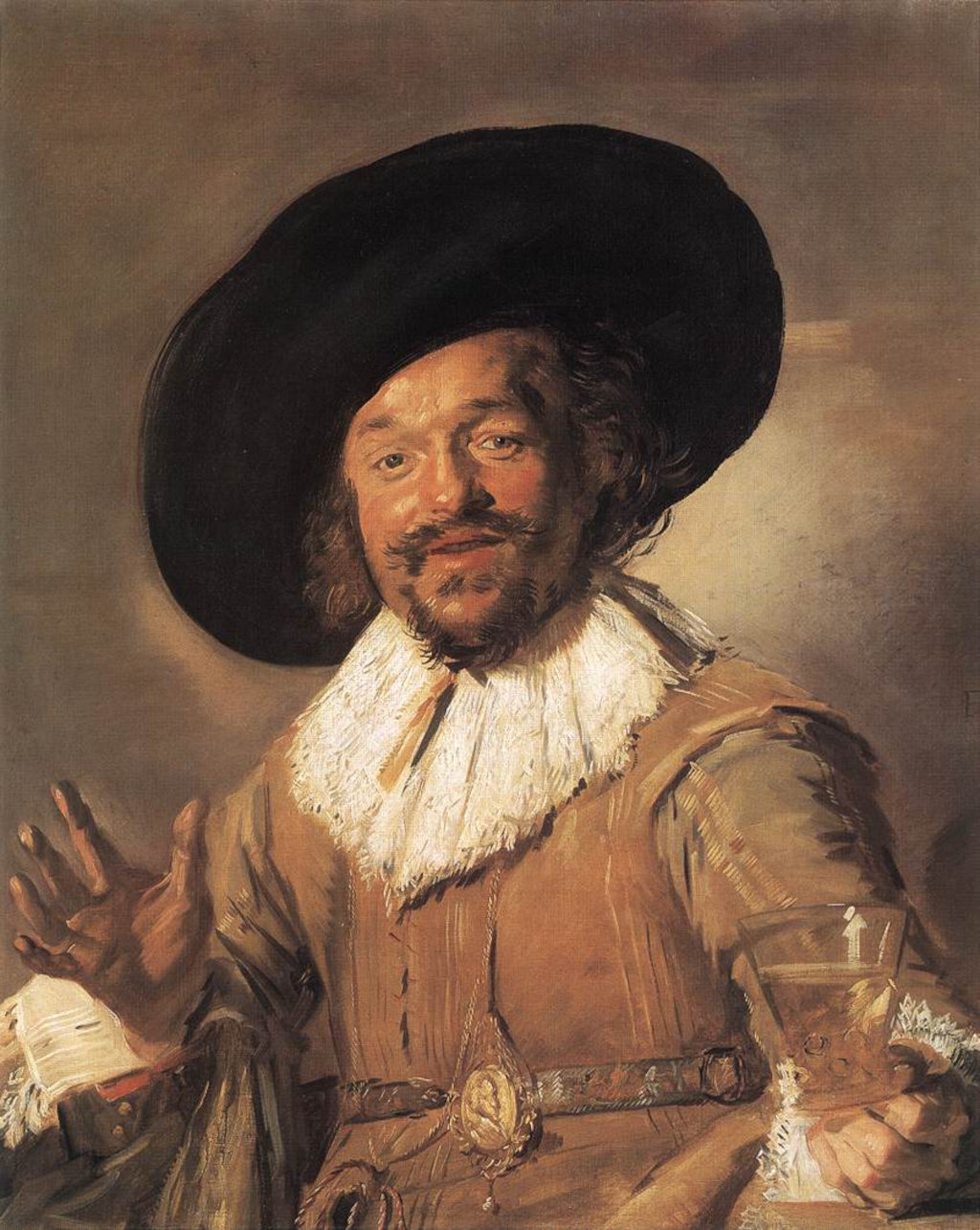
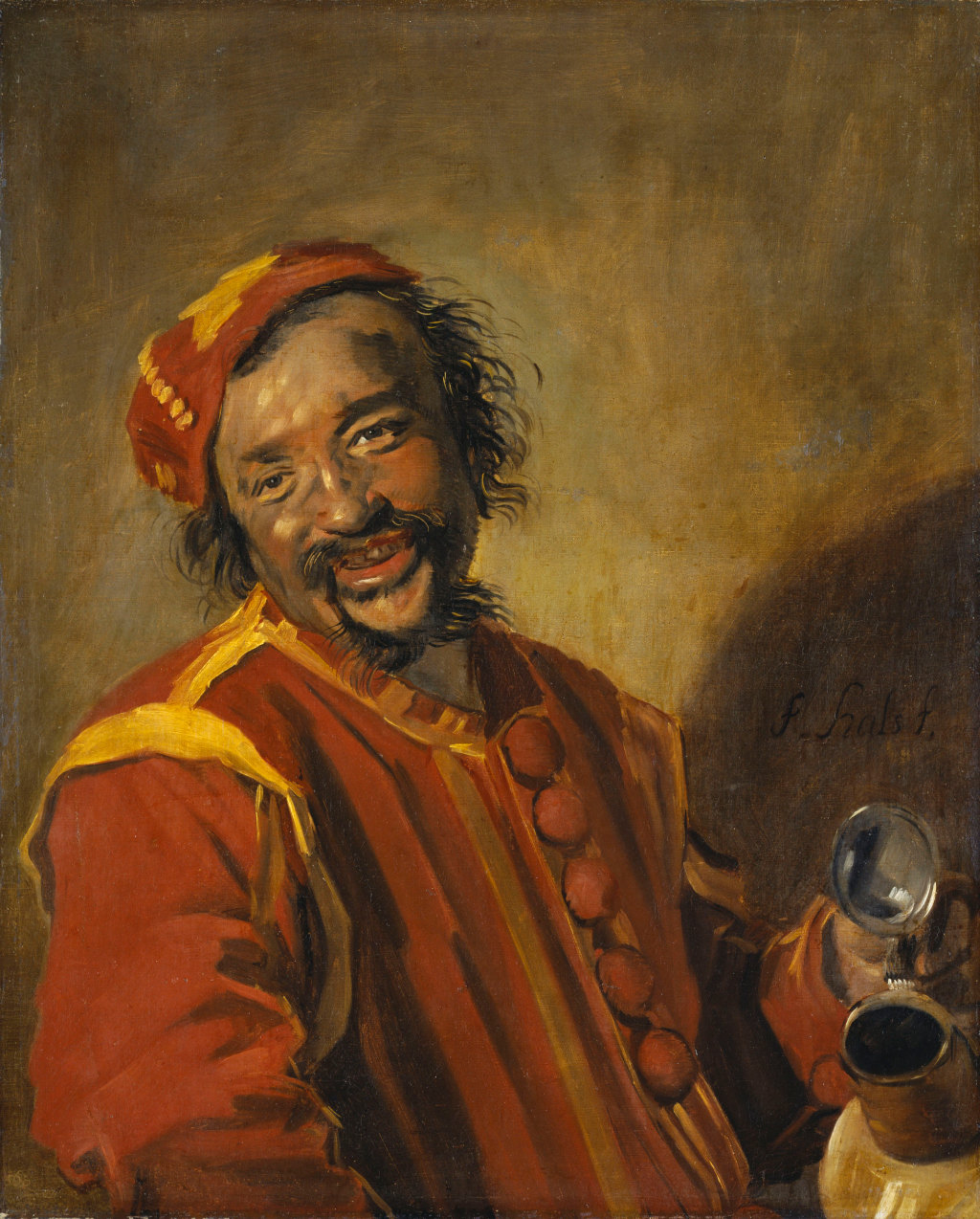
Compare Vermeer's quiet interiors with Hals' The Merry Drinker. Vermeer creates stillness and distance; Hals creates sociability and immediate presence.
Frans Hals and Anthony van Dyck
Frans Hals and Anthony van Dyck were outstanding portrait painters, yet they worked for different audiences and cultivated different ideals. Van Dyck became the supreme painter of aristocratic elegance, especially at the English court of Charles I, where elongated poses, luxurious fabrics and refined gestures projected noble authority. Hals, by contrast, painted the prosperous citizens of Haarlem. His portraits are generally more relaxed, direct and psychologically immediate.
Van Dyck's sitters often appear consciously aware of their rank. Hals' sitters are more likely to smile, lean forward or engage the viewer naturally. Both artists were brilliant observers, but Van Dyck elevated his patrons while Hals humanised them.
Best Comparison
Compare Hals' The Laughing Cavalier with Van Dyck's portraits of Charles I. One celebrates civic confidence, the other royal magnificence.
Frans Hals and Peter Paul Rubens
Peter Paul Rubens dominated history painting, mythology and grand religious commissions, while Hals devoted most of his career to portraiture. Rubens' paintings are characterised by sweeping movement, rich colour and theatrical compositions. Hals achieved comparable vitality on a smaller scale through expression, gesture and brushwork rather than dramatic narrative.
Both artists shared a remarkable confidence in handling paint, but Rubens celebrated heroic action whereas Hals celebrated ordinary people. Their differences reflect the contrasting cultures of the Southern and Northern Netherlands during the seventeenth century.
Best Comparison
Rubens' colour and spectacle contrast with Hals' intimate observations of personality, demonstrating two equally successful paths through Baroque art.
Frans Hals and Diego Velázquez
Among all seventeenth-century painters, Diego Velázquez is perhaps Hals' closest technical counterpart. Both rejected excessive finish in favour of economical brushwork and subtle tonal observation. Viewed closely, their paintings dissolve into loose marks; from a distance, they become astonishingly lifelike.
Despite these similarities, Velázquez generally maintained a quieter emotional register. His royal portraits possess extraordinary dignity and restraint, whereas Hals favoured animation, laughter and social interaction. Velázquez often invites prolonged contemplation; Hals creates the impression of a fleeting encounter.
Best Comparison
Compare the restrained naturalism of Velázquez with Hals' energetic portraiture. Both transformed realism through painterly suggestion rather than meticulous finish.
Frans Hals and Édouard Manet
Édouard Manet regarded Frans Hals as one of the great liberators of painting. During the nineteenth century, when many academic artists still favoured highly polished finishes, Manet admired Hals' visible brushwork, direct observation and apparent spontaneity. He recognised that Hals had achieved a modern painterly surface more than two centuries earlier.
Both artists simplified forms, allowed brushstrokes to remain visible and trusted the viewer's eye to complete the illusion. Their portraits share an immediacy that rejects excessive detail in favour of confident suggestion.
Influence
Manet's painterly realism owes an important debt to Hals, whose portraits demonstrated that expressive brushwork could strengthen realism rather than diminish it.
Frans Hals and Vincent van Gogh
Vincent van Gogh admired Hals with extraordinary enthusiasm, praising his vitality, humanity and technical brilliance. In his letters, Van Gogh famously wrote that Hals possessed "twenty-seven blacks", recognising the astonishing variety of tones hidden within apparently simple black costumes.
Van Gogh also admired Hals' freedom of execution. He believed Hals painted with exceptional confidence while preserving profound sympathy for his sitters. Although their styles differ dramatically, both artists placed expressive brushwork at the centre of their art.
A Famous Tribute
Van Gogh's observation about Hals' "twenty-seven blacks" remains one of the most frequently quoted descriptions of Hals' technical mastery.
Frans Hals and John Singer Sargent
John Singer Sargent considered Frans Hals one of the greatest portrait painters in history. Like Hals, Sargent combined rapid-looking brushwork with extraordinary precision, producing portraits that appear effortless while resting upon careful observation and technical control.
Both artists specialised in capturing fleeting expressions and convincing social presence. Sargent's portraits of the late nineteenth century continue the tradition Hals established in the Dutch Golden Age: portraits that feel alive because they prioritise personality over rigid formality.
Best Comparison
Compare Sargent's fluent portrait technique with Hals' handling of faces, clothing and gesture. Both masters demonstrate how economy of brushwork can produce remarkable realism.
Why These Comparisons Matter
Comparing Frans Hals with other great painters reveals that his originality lay not in inventing a new subject, but in transforming the experience of portraiture itself. Earlier artists had painted convincing likenesses, while contemporaries such as Rembrandt, Rubens and Velázquez explored different forms of realism, colour and psychological depth. Hals distinguished himself by making portraits feel immediate, spontaneous and unmistakably human.
His greatest innovation was the combination of expressive brushwork with close observation. Faces appear animated, gestures seem unfinished because they are still unfolding, and visible brushstrokes create an illusion of movement rather than polished perfection. These qualities explain why nineteenth-century artists such as Manet, Van Gogh and Sargent regarded Hals not as an old master of the past, but as a painter whose ideas anticipated modern art.
The comparisons on this page also demonstrate that Hals occupies a unique position within European painting. He belongs fully to the Dutch Golden Age, yet his painterly freedom looks forward to Impressionism. He shared the realism of Velázquez, the psychological insight of Rembrandt and the technical confidence admired by Sargent, while remaining unmistakably himself.
Frans Hals in Context
Taken together, these comparisons show why Frans Hals remains one of the defining portrait painters in Western art. His ability to unite observation, personality and expressive brushwork created a style that influenced generations of artists and continues to shape our understanding of portraiture today.
Frequently Asked Questions
References
- Christopher D. M. Atkins, Frans Hals, Reaktion Books, 2012.
- Seymour Slive, Frans Hals, 3 vols., Phaidon, 1970–1974.
- Claus Grimm, Frans Hals: The Complete Work, Harry N. Abrams, 1990.
- Friso Lammertse et al., Frans Hals, National Gallery / Rijksmuseum / Gemäldegalerie, 2023.
- Norbert Middelkoop & Antoon Erftemeijer (eds.), Frans Hals: Eye to Eye with Rembrandt, Rubens and Titian, 2013.
- Van Gogh Museum, The Letters of Vincent van Gogh.
- National Gallery, London, Frans Hals, 2023 exhibition catalogue.
- RKD – Netherlands Institute for Art History.
- Rijksmuseum collection records.