 by Tom Gurney
Tom Gurney BSc (Hons) is an art history expert with over 20 years experience
Published on June 29, 2026 / Updated on June 29, 2026
Email: tomgurney1@gmail.com / Phone: +44 7429 011000
The Human World of Frans Hals
Frans Hals is best known as one of the greatest portrait painters of the Dutch Golden Age, but his paintings are far more than records of individual likeness. Across his long career, Hals returned again and again to a set of vivid human themes: laughter, music, theatre, drinking, childhood, fashion, civic pride, charity, wealth and everyday social life.
These themes help explain why Hals' art still feels so immediate. His sitters do not simply pose for posterity. They smile, lean, gesture, drink, play music, govern institutions, celebrate marriage and participate in the civic culture of Haarlem. Hals transformed the portrait into a living encounter, showing how identity was shaped by emotion, social role, clothing, performance and community.
This page explores the major themes in Frans Hals' paintings as a single guide. Rather than separating them into smaller sub-pages, it brings together the ideas that connect his most famous works, from The Laughing Cavalier and Malle Babbe to his civic guard portraits, family groups and late regent paintings.
- Artist Frans Hals (c.1582/83–1666)
- Movement Dutch Golden Age
- Main City Haarlem
- Key Themes Laughter, music, theatre, civic pride and portraiture
- Best Known Works The Laughing Cavalier, Malle Babbe, The Merry Drinker
- Why It Matters Hals' themes reveal the social, emotional and civic life of the Dutch Golden Age.
Contents
- Laughter and Smiling Faces
- Music and Performance
- Theatre and Character
- Drinking and Merriment
- Fashion and Status
- Childhood and Family
- Marriage and Companionship
- Civic Pride and Group Identity
- Charity and Public Responsibility
- Wealth, Trade and the Dutch Republic
- Everyday Life and Social Presence
- Why These Themes Still Matter
- FAQs
- References
Laughter and Smiling Faces
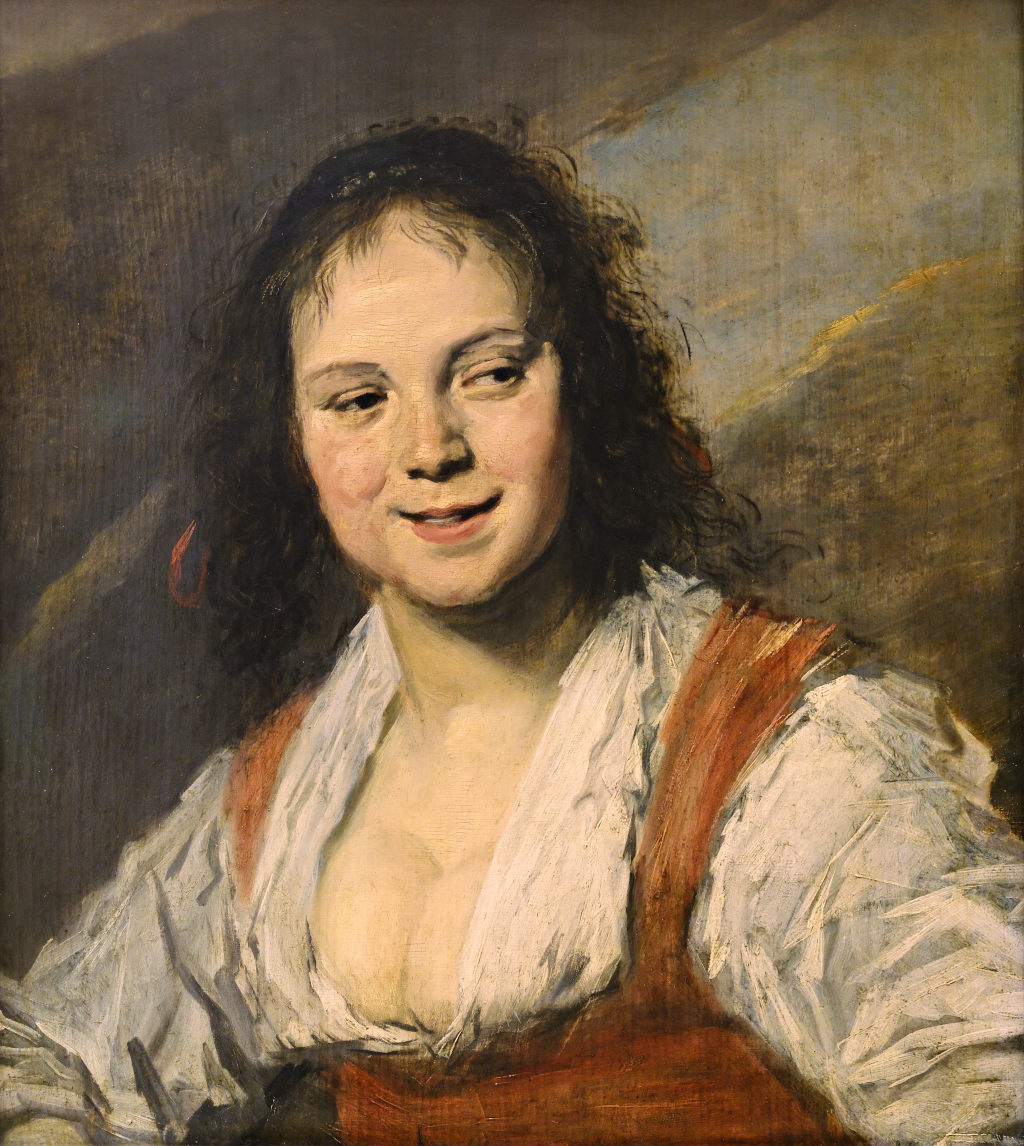
Laughter is one of the most recognisable themes in Frans Hals' art. While many seventeenth-century portraits presented sitters with composed, dignified expressions, Hals repeatedly explored smiles, grins, open mouths and faces caught in moments of social animation. This made his work feel unusually immediate during his own lifetime and continues to make it approachable for modern viewers.
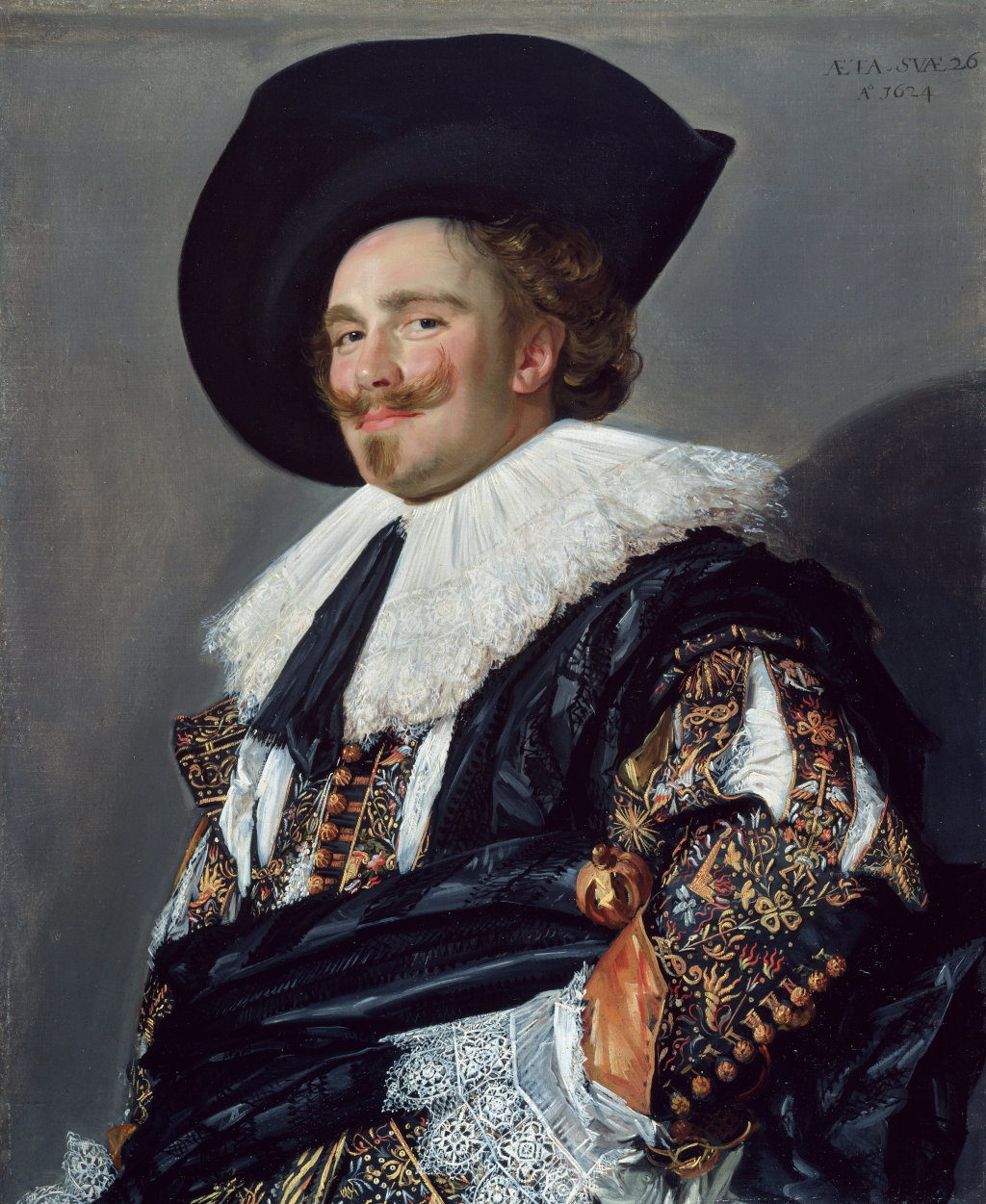
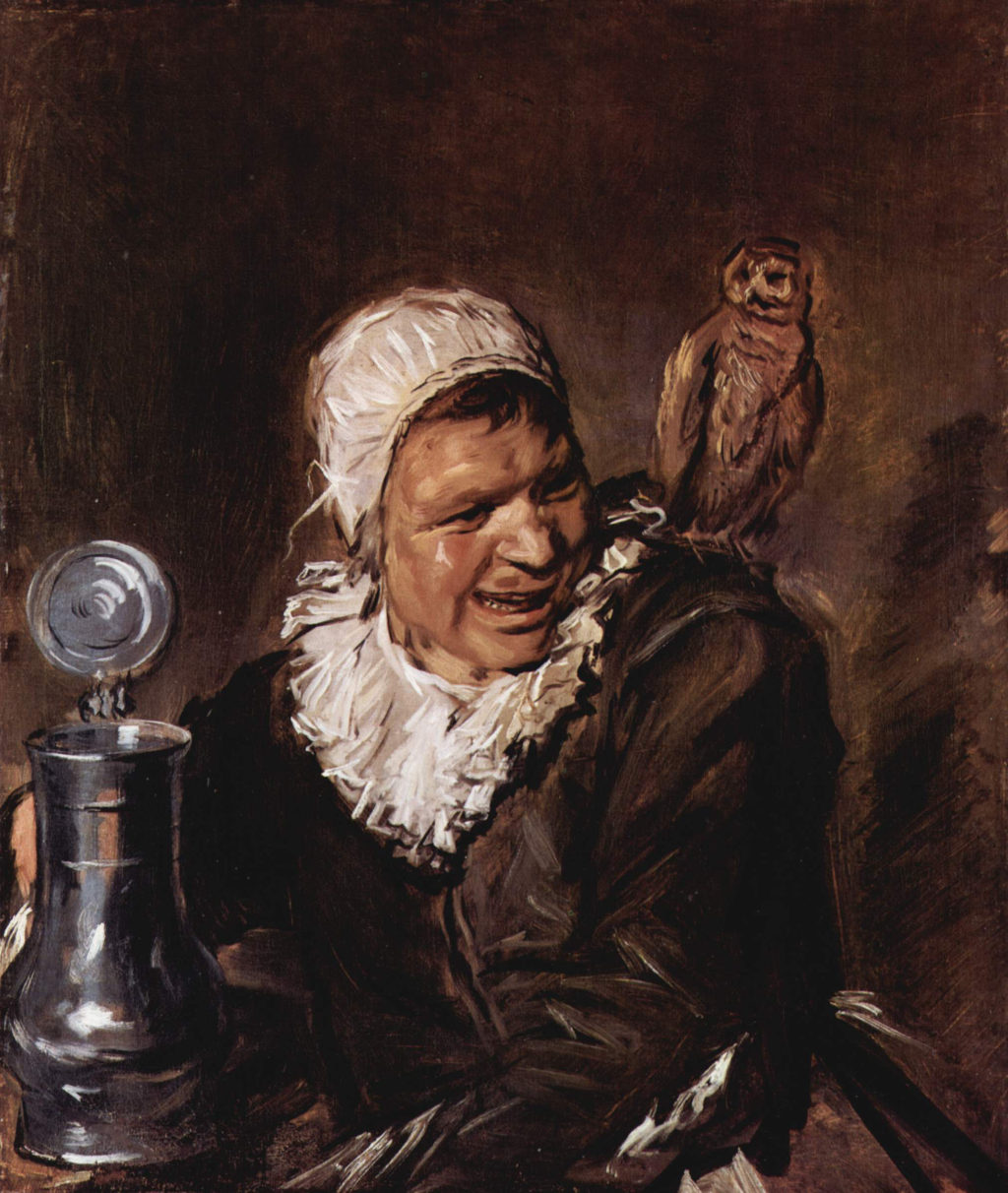
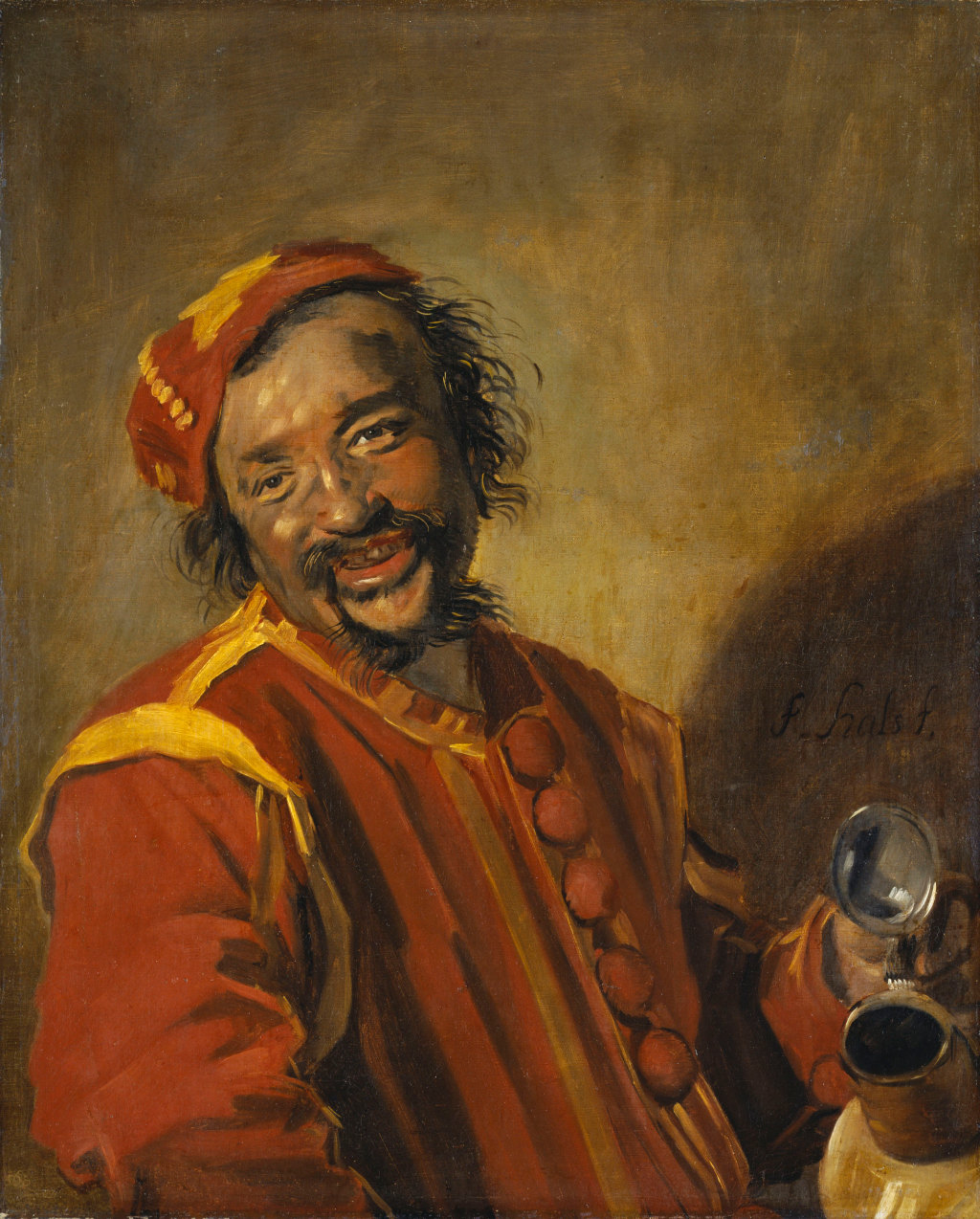
Hals' treatment of laughter was not simply decorative. A smile could suggest confidence, wit, conviviality, youth or theatrical exaggeration depending on the sitter and context. In works such as The Laughing Cavalier, the expression remains controlled and sophisticated, while in paintings such as Malle Babbe or Peeckelhaering, laughter becomes broader, more physical and more socially ambiguous.
This interest in expressive faces allowed Hals to challenge the boundaries of portraiture. Instead of freezing sitters into idealised permanence, he painted the unstable expressions that occur between formal poses. His laughing figures therefore reveal a central concern of his art: the attempt to capture life as it is experienced, not merely as it is ceremonially displayed.
Key Paintings
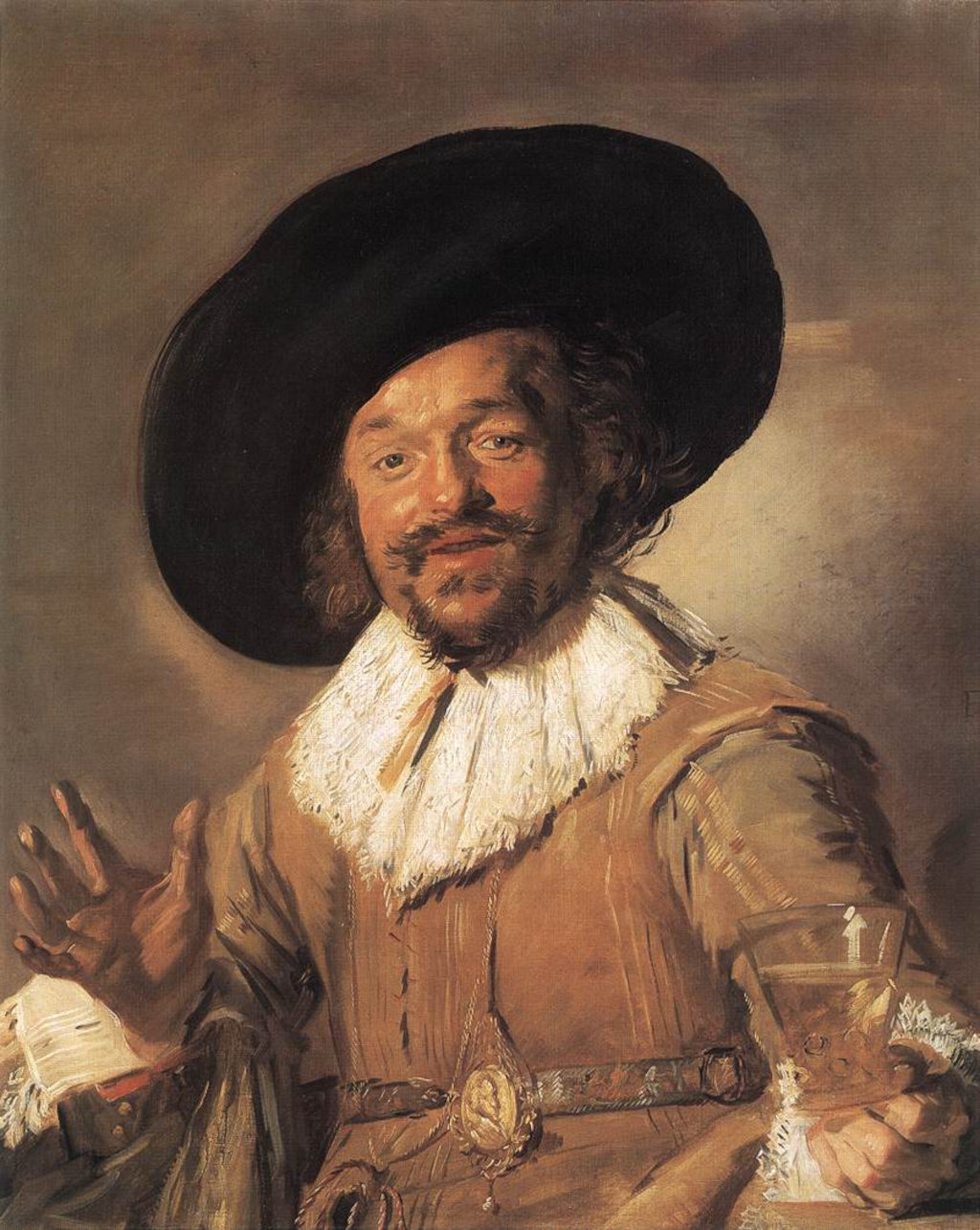
Explore this theme in The Laughing Cavalier, Malle Babbe, The Merry Drinker and Peeckelhaering.
Music and Performance
Music appears frequently in Frans Hals' paintings, often as a sign of sociability, courtship and pleasure. Lutes, violins and singing figures allowed Hals to explore rhythm, gesture and emotional expression in ways that formal portraiture rarely permitted. Musicians do not merely hold instruments in his paintings; they appear to perform, listen, respond and participate in shared moments of entertainment.
In Dutch Golden Age art, music carried several layers of meaning. It could symbolise harmony, love, education, sensual pleasure or fleeting enjoyment. Hals generally treats music with warmth rather than heavy moralising. His musicians feel lively and human, embodying the pleasures of urban life in Haarlem and the broader Dutch Republic.
This theme also connects strongly with Hals' technique. The movement of a bow, the angle of a lute or the open mouth of a singer gave him opportunities to paint bodies in action. Music, like laughter, allowed Hals to represent time passing within a still image.
Key Paintings
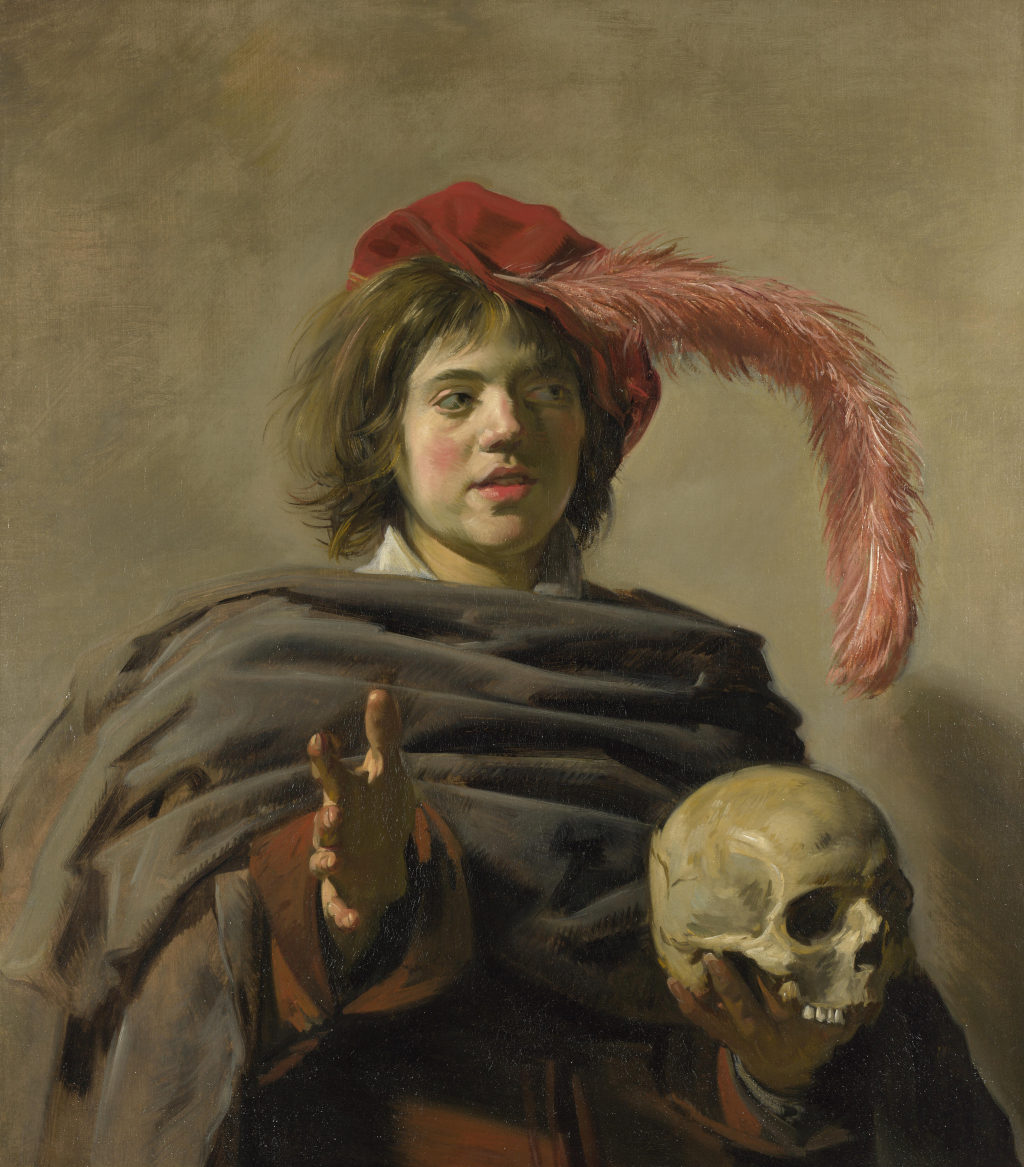
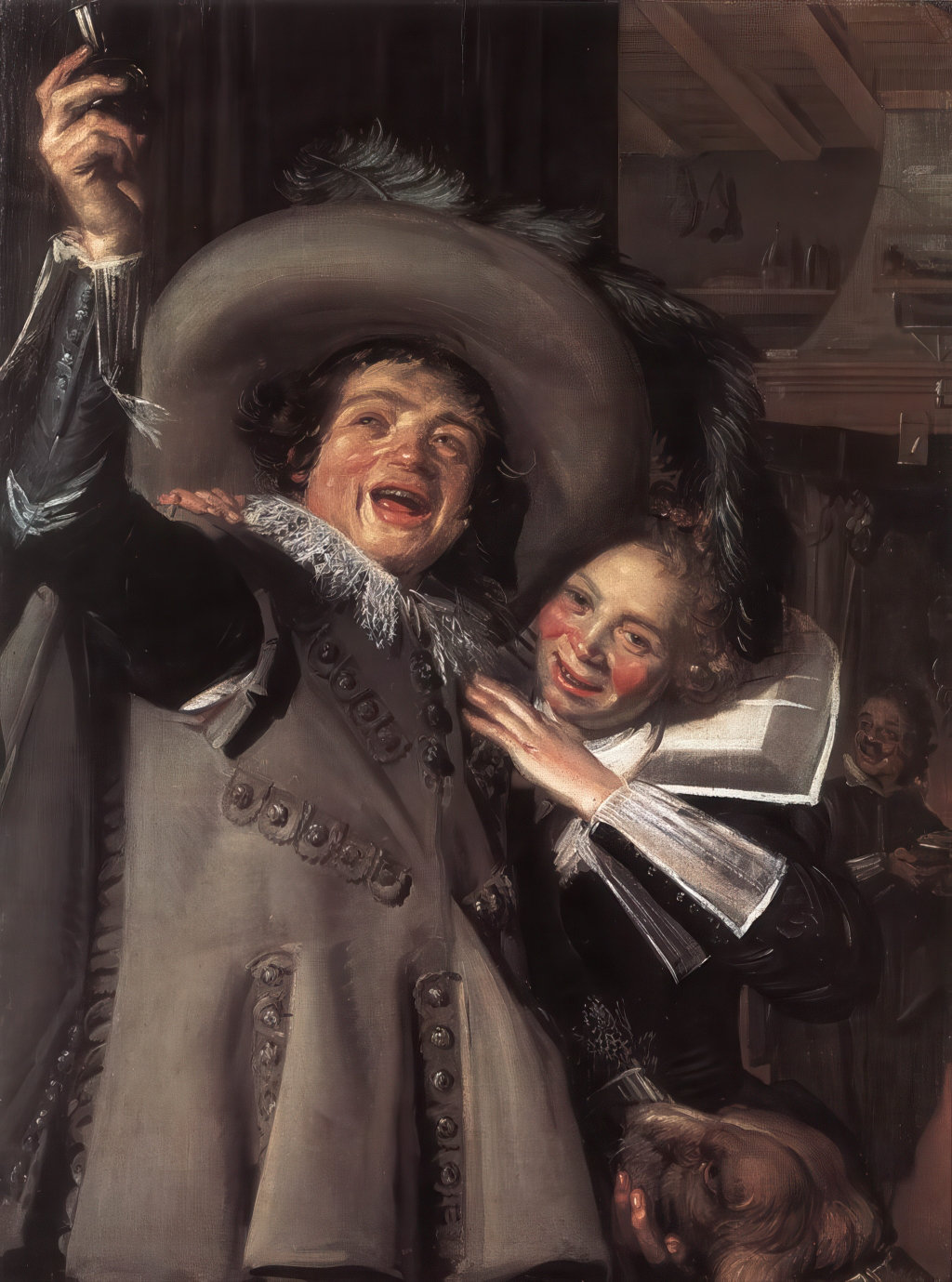
Important examples include The Merry Lute Player, Young Man Holding a Skull and Yonker Ramp and His Sweetheart.
Theatre and Character
Theatre and performance are central to understanding several of Hals' most engaging paintings. Seventeenth-century Haarlem supported a lively culture of literary societies, public entertainments and dramatic performance, and Hals repeatedly drew upon this theatrical world. Costumes, exaggerated expressions and comic characters all appear in his work.
Peeckelhaering is the clearest example. The figure was associated with a comic stock character known from Dutch theatre, whose name suggested appetite, drinking and popular humour. Hals transforms this theatrical type into a vivid human presence, balancing comedy with sympathetic observation.
Theatricality also appears more subtly in paintings whose subjects remain uncertain. Young Man Holding a Skull, once traditionally identified as Hamlet, is now better understood as an ambiguous image connected to performance, costume and memento mori symbolism rather than a secure Shakespearean illustration.
Hals' fascination with theatre helps explain why so many of his figures seem to perform for the viewer. Yet he rarely reduces them to caricature. Even when painting comic types, he gives them individuality, warmth and psychological credibility.
Key Paintings
Explore theatrical themes in Peeckelhaering, Young Man Holding a Skull, Malle Babbe and Yonker Ramp and His Sweetheart.
Drinking and Merriment
Scenes of drinking, toasting and convivial company appear throughout Hals' oeuvre. Rather than presenting alcohol solely as a moral warning, Hals often emphasised fellowship, humour and the pleasures of social interaction. His drinkers raise glasses, smile towards the viewer and participate in lively conversations that make the paintings feel animated and immediate.
At the same time, seventeenth-century audiences would have recognised that excessive drinking could also carry moral implications. Hals therefore balanced entertainment with subtle ambiguity, allowing viewers to decide whether a figure represented cheerful sociability, comic excess or both.
Key Paintings
See The Merry Drinker, Peeckelhaering and Malle Babbe.
Fashion and Status
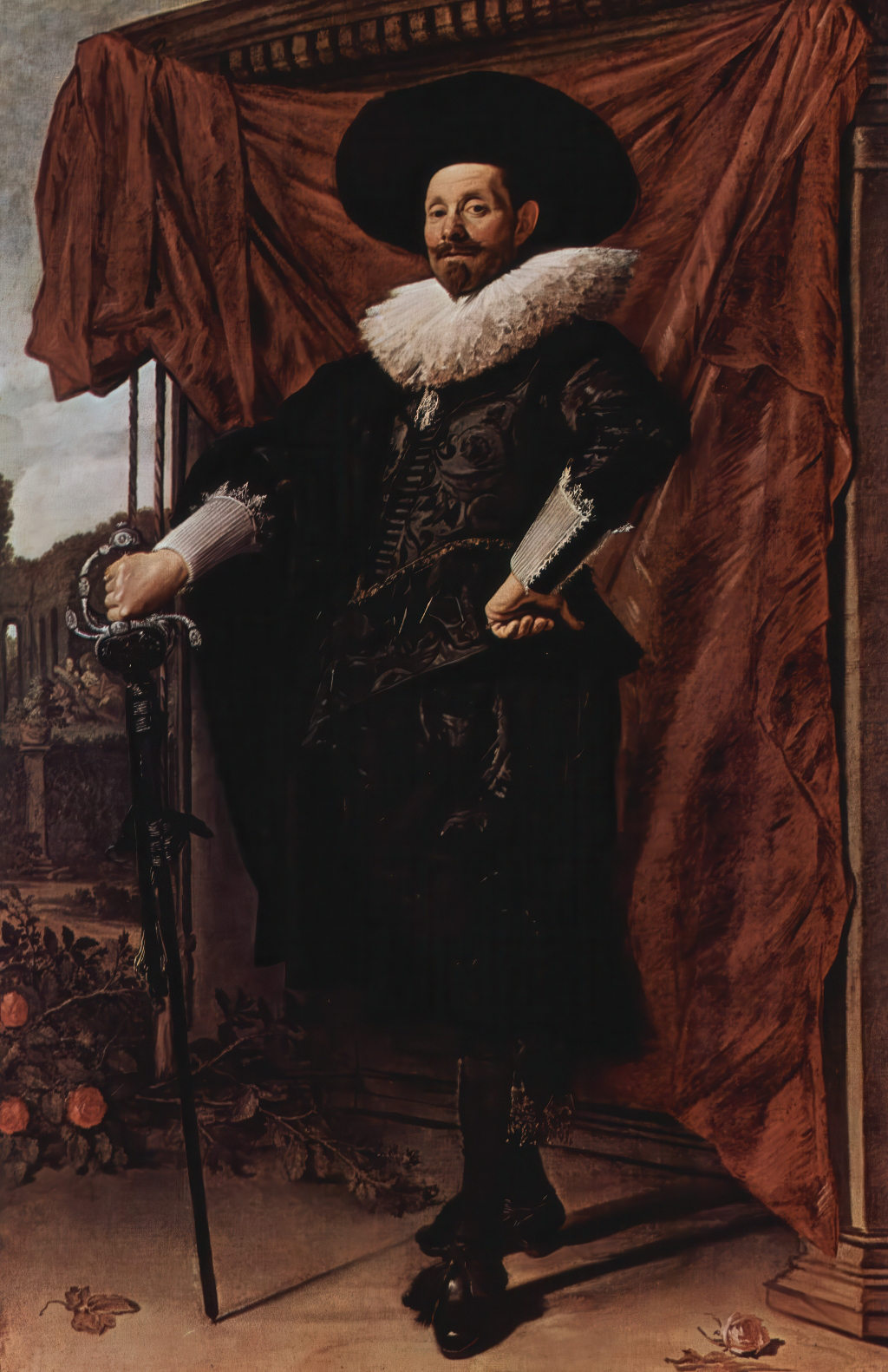
Costume plays a central role in Frans Hals' portraits. Lace collars, black silk, embroidered sleeves, gloves and hats all communicate wealth, education and social standing. Yet Hals rarely allows clothing to dominate the portrait. Instead, costume supports the sitter's personality, reinforcing individuality rather than replacing it.
The magnificent embroidery of The Laughing Cavalier demonstrates both Hals' technical brilliance and his understanding of fashion as a language of identity. Throughout his career, dress became an important means of expressing prosperity during the Dutch Golden Age.
Key Paintings
Explore The Laughing Cavalier, Portrait of Willem Heythuijsen and the civic guard portraits.
Childhood and Family
Although Hals is best known for portraits of prosperous adults, his images of children reveal another important aspect of his art. Young sitters are presented with warmth, curiosity and individuality rather than as miniature adults. Relaxed poses and lively expressions give these paintings an intimacy that was unusual for the period.
Family portraits likewise emphasise relationships rather than rigid hierarchy. Husbands, wives and children interact naturally, reflecting the growing importance of domestic life within the prosperous Dutch Republic. Hals' ability to suggest affection through posture and expression makes these works among the most engaging family portraits of the seventeenth century.
Key Paintings
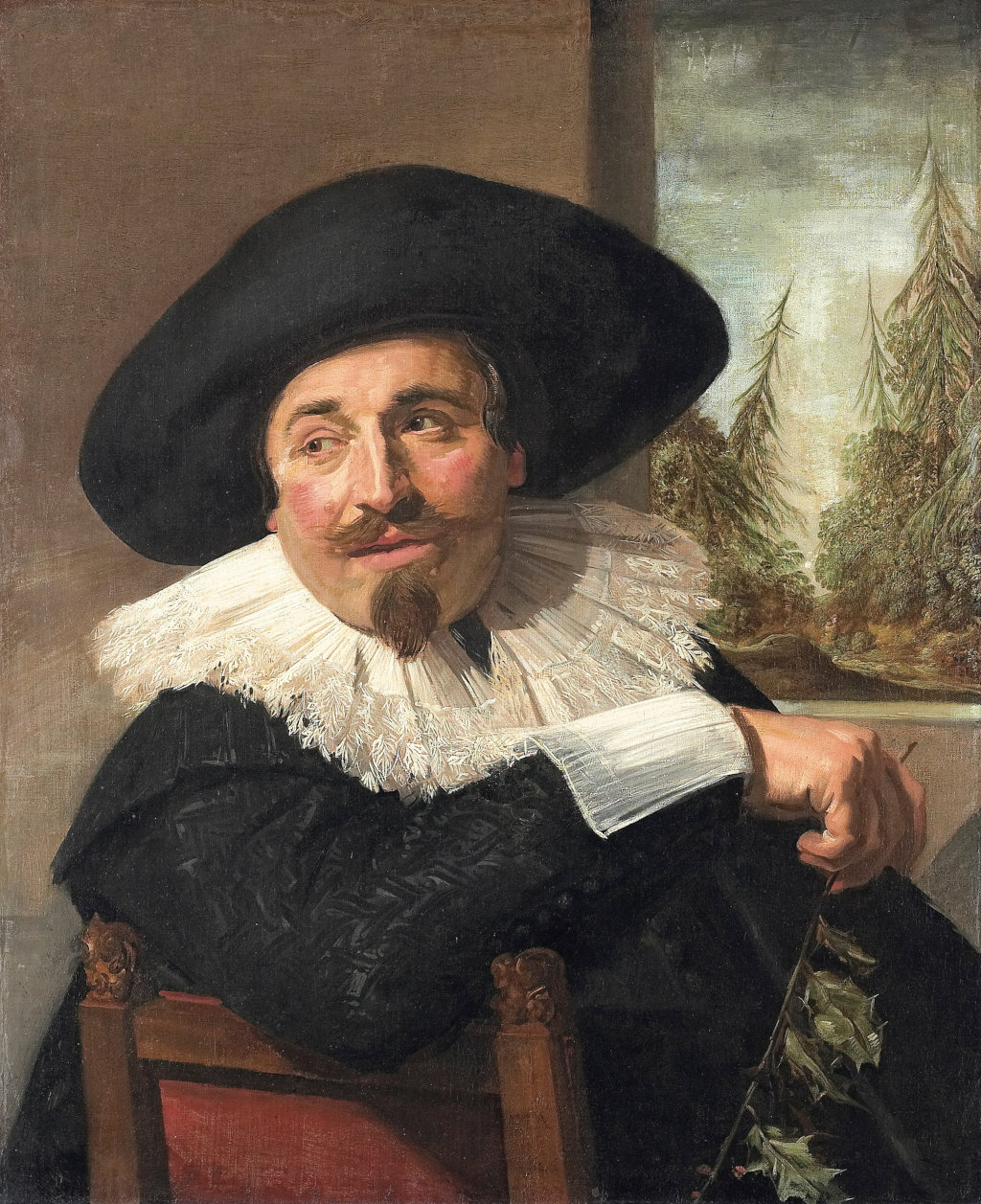
See Isaak Massa and Beatrix van der Laen and Hals' various family and children's portraits.
Marriage and Companionship
Frans Hals helped redefine the marriage portrait by portraying husbands and wives as companions rather than simply representatives of family status. Instead of placing couples stiffly beside one another, he often suggested conversation, shared humour and mutual affection through posture, eye contact and relaxed gestures.
His celebrated double portrait of Isaak Massa and Beatrix van der Laen is among the finest examples of this approach. The couple sit informally beneath a tree, leaning naturally toward one another in a composition that feels remarkably modern. Hals presents marriage not merely as a legal or financial union but as a relationship between two distinct personalities.
Key Painting
Isaak Massa and Beatrix van der Laen remains one of the greatest marriage portraits of the Dutch Golden Age.
Civic Pride and Group Identity
No artist captured the civic identity of Haarlem more memorably than Frans Hals. His monumental militia portraits celebrate the officers who defended and governed the city while also demonstrating the prosperity and confidence of the Dutch Republic. Rather than arranging figures in rigid rows, Hals created lively gatherings filled with conversation, movement and individual personality.
These paintings are both portraits and historical documents. They record clothing, ceremonial traditions, civic hierarchy and the importance of voluntary service in seventeenth-century Dutch society. At the same time, they showcase Hals' extraordinary ability to organise large groups without losing the individuality of each sitter.
Key Paintings
Explore The Banquet of the Officers of the St George Militia Company and The Banquet of the Officers of the St Adrian Militia Company.
Charity and Public Responsibility
Late in his career, Hals turned increasingly towards portraits of governors and governesses responsible for Haarlem's charitable institutions. These works replace youthful exuberance with dignity, restraint and moral seriousness, reflecting the importance of civic responsibility within Dutch urban life.
The regents and regentesses are shown not as distant authorities but as individuals carrying the weight of public office. Their sober clothing, restrained expressions and understated surroundings reinforce themes of service, duty and collective responsibility.
Key Paintings
See The Regents of the Old Men's Almshouse and The Regentesses of the Old Men's Almshouse.
Wealth, Trade and the Dutch Republic
Frans Hals worked during one of the most prosperous periods in Dutch history. The commercial success of the Dutch Republic created a wealthy urban middle class eager to commission portraits that celebrated achievement without the aristocratic grandeur found elsewhere in Europe. Hals became one of the foremost interpreters of this new mercantile society.
Merchants, brewers, physicians, civic officials and successful entrepreneurs appear throughout his oeuvre. Expensive black clothing, imported fabrics, lace collars and elegant accessories signalled prosperity, while relaxed poses reflected the confidence of a republic built on commerce rather than hereditary nobility. Hals' portraits therefore document the values of an increasingly global trading nation as much as the lives of individual sitters.
Key Paintings
See The Laughing Cavalier, Portrait of Willem Heythuijsen and the civic guard portraits.
Everyday Life and Social Presence
Although Hals specialised in portraiture, many of his paintings offer vivid glimpses of everyday life. Drinkers laugh across tavern tables, musicians perform, children fidget, couples converse and civic leaders gather for banquets. Rather than presenting isolated individuals, Hals shows people participating in the social fabric of Haarlem.
This interest in ordinary human interaction distinguishes Hals from many contemporaries. His paintings rarely depend upon elaborate symbolism. Instead, they celebrate observation itself, finding meaning in expression, gesture and the fleeting moments that define everyday experience.
Key Paintings
Explore The Merry Drinker, Malle Babbe, The Merry Lute Player and Yonker Ramp and His Sweetheart.
Why Frans Hals' Themes Still Matter
The enduring appeal of Frans Hals lies not only in his technical brilliance but in the humanity of his subjects. His paintings explore experiences that remain familiar today: friendship, laughter, ambition, love, responsibility, performance, ageing and community. By focusing on these universal themes, Hals transformed portraiture into a celebration of lived experience rather than a simple record of appearance.
Together, these recurring themes reveal a confident Dutch Republic shaped by trade, civic participation and cultural vitality. They also explain why Hals continues to speak so directly to modern audiences. His paintings remind us that behind every historical costume stood a real individual, capable of humour, kindness, pride and emotion—qualities that transcend the centuries.
Frequently Asked Questions
References
- Christopher D. M. Atkins, Frans Hals, Reaktion Books, 2012.
- Seymour Slive, Frans Hals, 3 vols., Phaidon, 1970–1974.
- Claus Grimm, Frans Hals: The Complete Work, Harry N. Abrams, 1990.
- Norbert Middelkoop & Antoon Erftemeijer (eds.), Frans Hals: Eye to Eye with Rembrandt, Rubens and Titian, nai010 publishers, 2013.
- Friso Lammertse et al., Frans Hals, National Gallery / Rijksmuseum / Gemäldegalerie, 2023.
- Frans Hals Museum Collection Catalogue.
- RKD – Netherlands Institute for Art History, Frans Hals and his Workshop.
- Rijksmuseum collection records.
- National Gallery, London, Frans Hals exhibition catalogue, 2023.