


 by Tom Gurney
Tom Gurney BSc (Hons) is an art history expert with over 20 years experience
Published on June 29, 2026 / Updated on June 29, 2026
Email: tomgurney1@gmail.com / Phone: +44 7429 011000
The Complete Guide to Frans Hals' Most Famous Paintings
Frans Hals (c.1582/83–1666) transformed portrait painting during the Dutch Golden Age. Rather than presenting his sitters as stiff, formal figures, he captured them laughing, talking, drinking, turning and engaging with the viewer. His remarkably loose brushwork and natural compositions made his paintings appear astonishingly lifelike, influencing artists from Édouard Manet to Vincent van Gogh more than two centuries later.
Although Hals is best known as one of history's greatest portrait painters, his work encompasses much more than wealthy merchants. His paintings include lively civic guard banquets, intimate marriage portraits, expressive character studies known as tronies, musicians, children, regents, charitable governors and some of the most psychologically engaging faces in European art.
This guide brings together the most important paintings by Frans Hals, explaining why each matters, how his style evolved throughout his career and where many of these masterpieces can be seen today. Whether you are discovering Hals for the first time or exploring his work in greater depth, these paintings offer an excellent introduction to one of the Dutch Republic's greatest artists.
- Artist Frans Hals (c.1582/83–1666)
- Nationality Dutch
- Movement Dutch Golden Age
- Speciality Portraiture & Civic Guard Paintings
- Most Famous Painting The Laughing Cavalier
- Known For Expressive brushwork, lively portraits and psychological realism
- Major Museum Frans Hals Museum, Haarlem
- Works Covered 25 of Hals' most important paintings
Contents
- Early Masterpieces
- Portraits of the Dutch Golden Age
- Civic Guard Paintings
- Character Studies (Tronies)
- Late Masterpieces
- Complete Gallery of Frans Hals Paintings
- Timeline
- FAQs
- References
Frans Hals' Greatest Masterpieces
Frans Hals produced hundreds of portraits during a career that spanned more than five decades, but only a relatively small number have become recognised as true masterpieces of European art. These paintings demonstrate the extraordinary qualities that distinguish Hals from his contemporaries: expressive brushwork, relaxed poses, psychological insight and an unparalleled ability to capture the fleeting expressions of everyday life.
Unlike many seventeenth-century portrait painters, Hals rarely treated his sitters as static symbols of wealth or status. Instead, he painted individuals who appear to smile, converse, drink, gesture and engage directly with the viewer. This naturalism helped redefine portraiture during the Dutch Golden Age and later inspired artists including Édouard Manet, John Singer Sargent and Vincent van Gogh.
The paintings below represent the highlights of Hals' remarkable career. Together they chart his development from ambitious portrait painter to one of the most innovative artists of the seventeenth century.
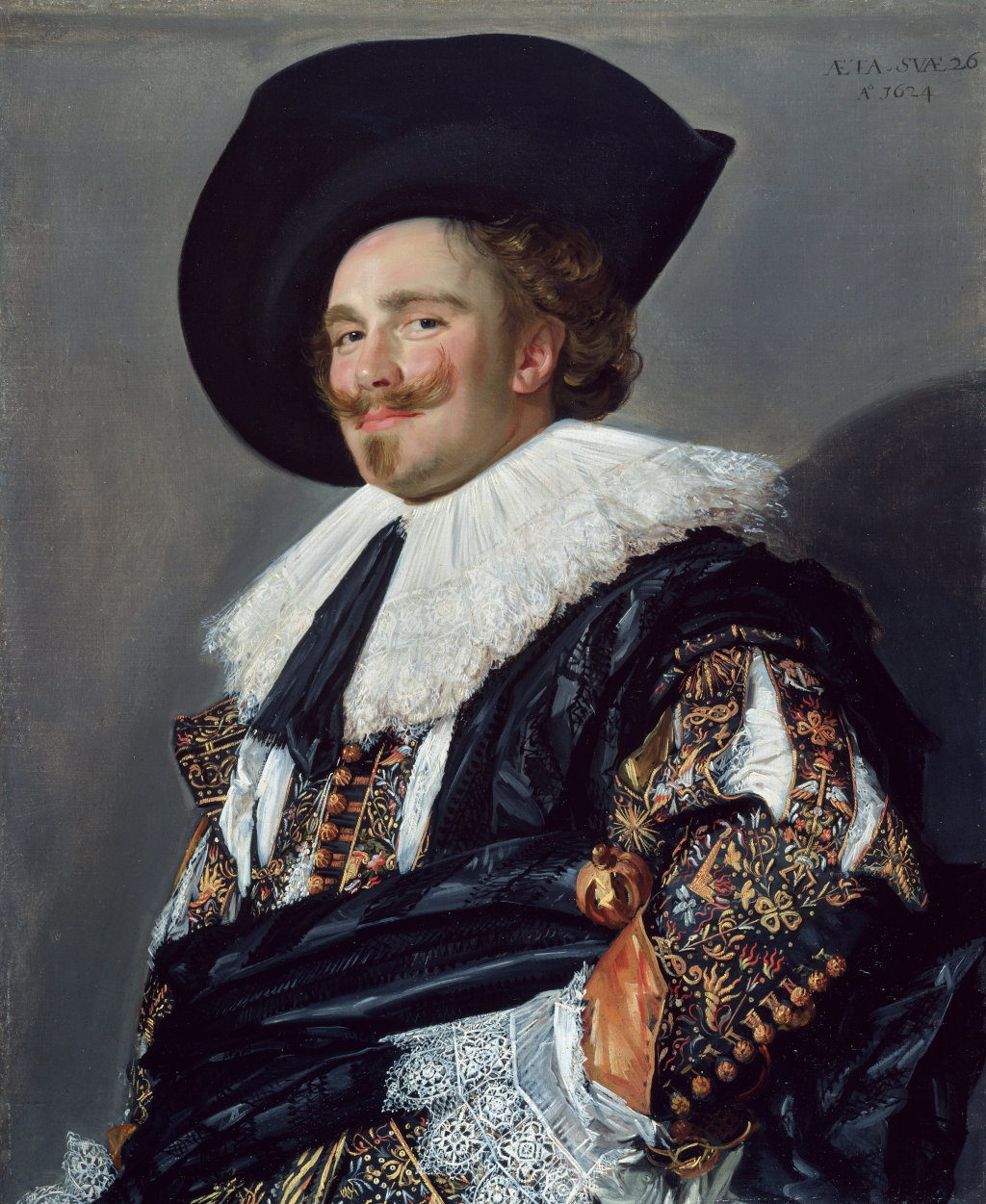
The Laughing Cavalier (1624)
Often regarded as Frans Hals' most famous painting, The Laughing Cavalier has become an icon of Dutch portraiture. Despite its popular title, the sitter is not actually laughing but wears a subtle, confident smile that perfectly illustrates Hals' gift for capturing personality. The richly embroidered costume, direct gaze and relaxed posture combine technical brilliance with psychological depth, making the portrait one of the finest ever produced during the Dutch Golden Age.
Today the painting is one of the treasures of the Wallace Collection in London and remains the work most closely associated with Hals' name.
Read the complete guide to The Laughing Cavalier →
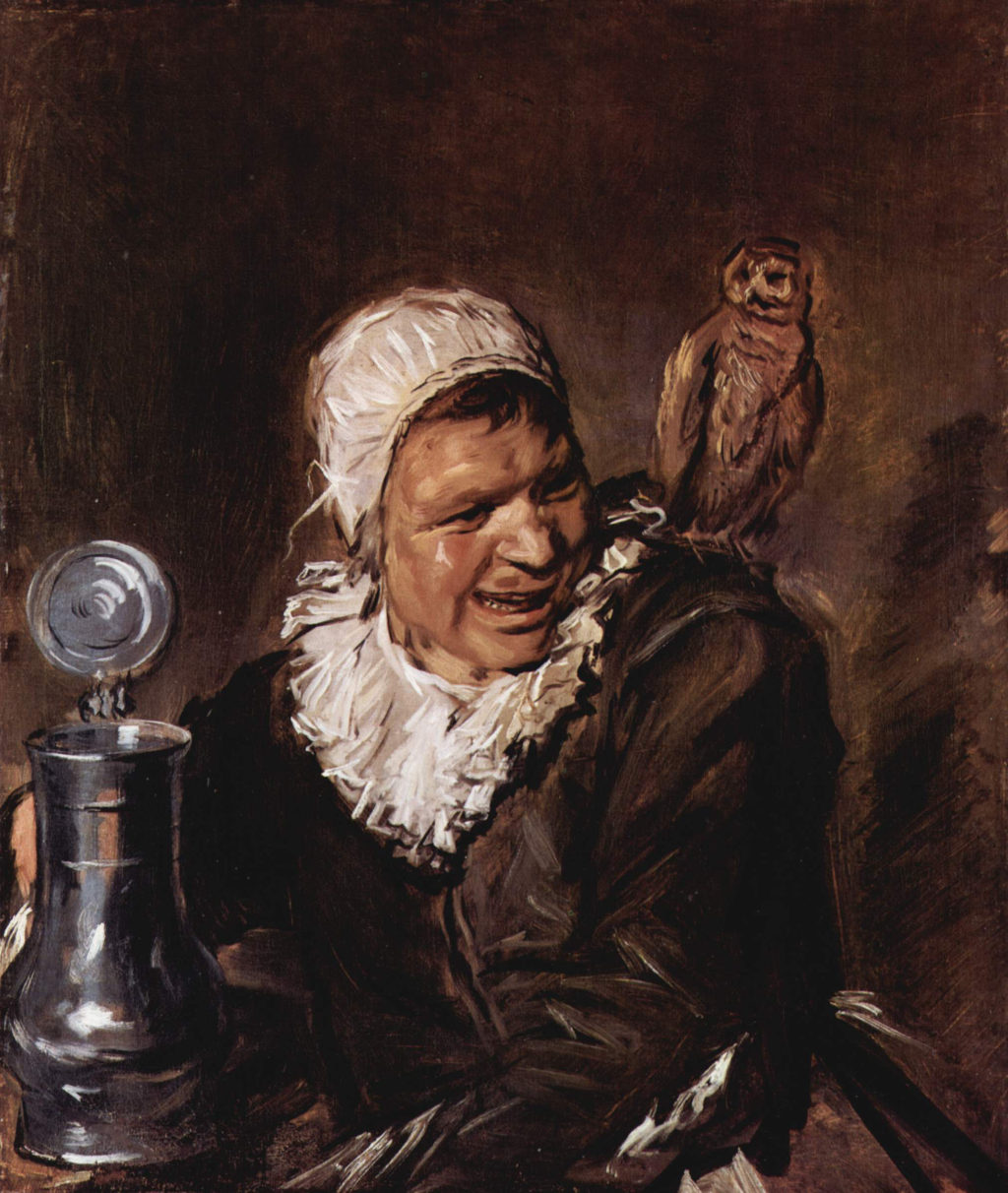
Malle Babbe (c.1633–1635)
Among Hals' most memorable character studies, Malle Babbe portrays a woman traditionally identified as a local Haarlem personality known for her eccentric behaviour. Her broad smile, lively expression and owl companion create one of the most unforgettable images of seventeenth-century Dutch art. The painting also demonstrates Hals' astonishingly free brushwork, particularly in the treatment of costume, hair and facial expression.
More than simply a portrait, the work explores laughter, individuality and the boundaries between portraiture and genre painting.
Read the complete guide to Malle Babbe →
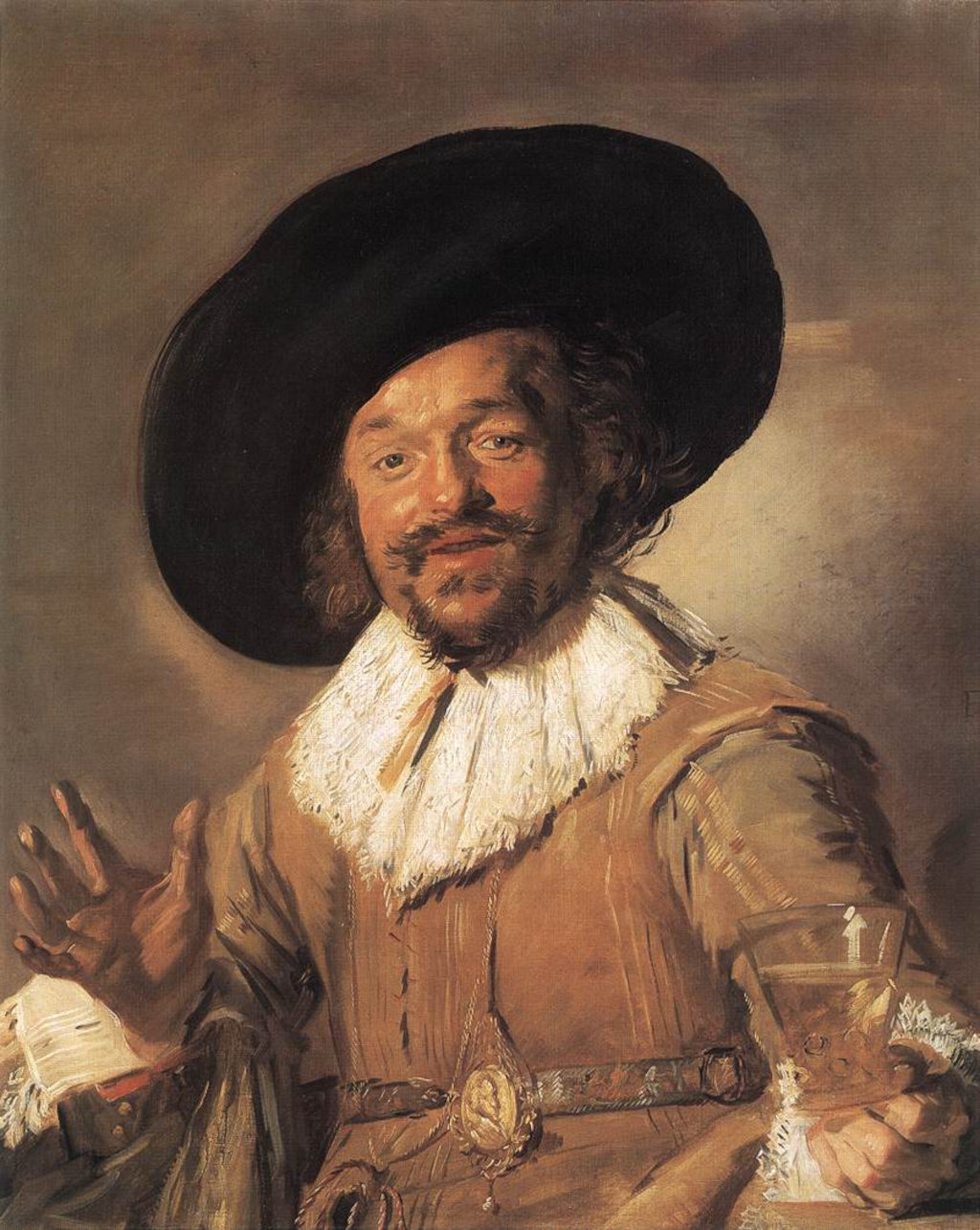
The Merry Drinker (c.1628–1630)
One of Hals' most celebrated tronies, The Merry Drinker perfectly captures the artist's fascination with fleeting human expression. The unidentified sitter raises his glass while smiling warmly towards the viewer, creating the impression that we have interrupted a lively conversation. Hals' energetic handling of lace, fabric and flesh anticipates the painterly freedom admired by nineteenth-century Impressionists.
Although the identity of the sitter remains unknown, the painting has become one of the defining images of conviviality in Dutch Golden Age art.
Read the complete guide to The Merry Drinker →
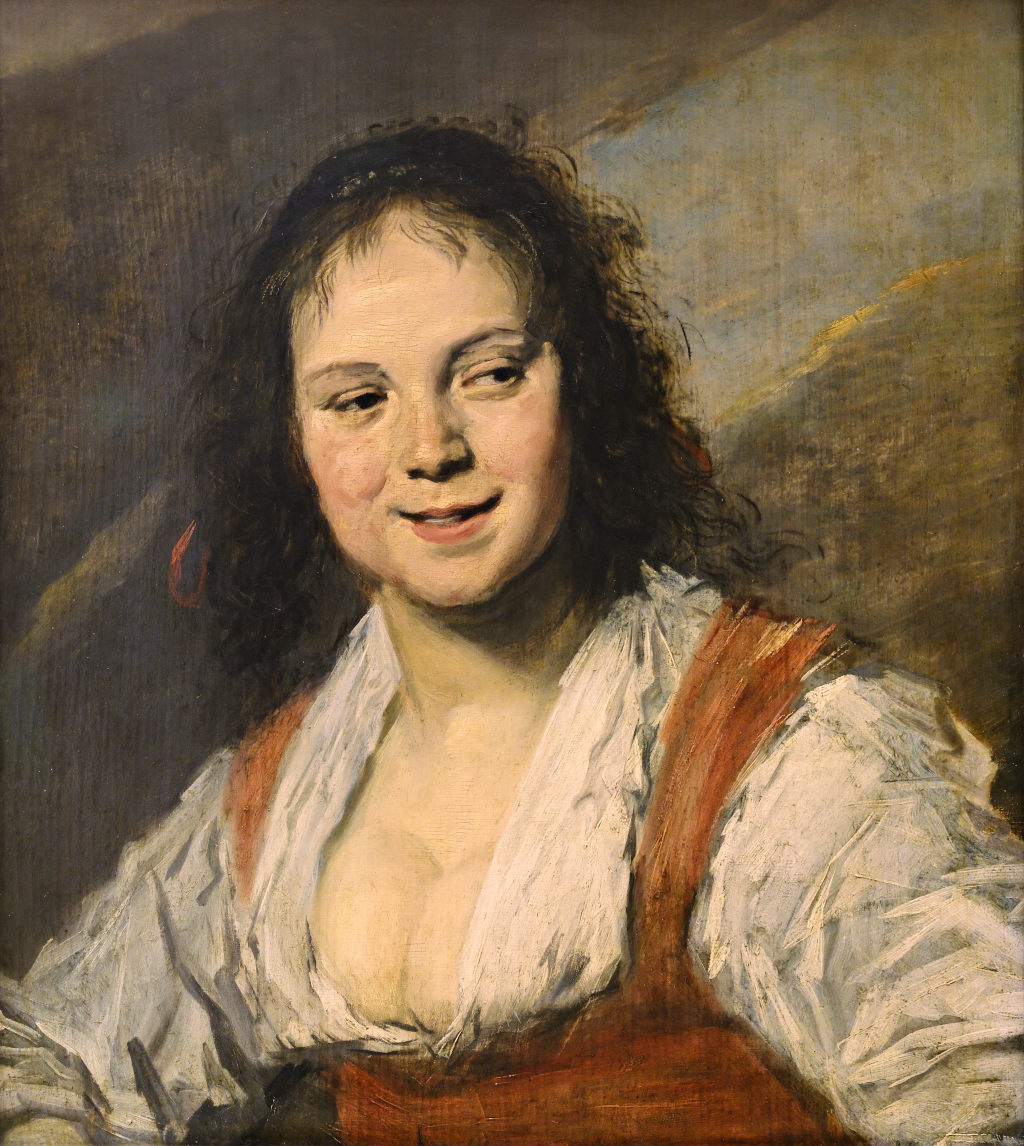
The Gypsy Girl (c.1628–1630)
The Gypsy Girl is one of Hals' most reproduced paintings and remains among his most engaging portraits. The sitter's lively smile and informal appearance challenged many of the conventions of seventeenth-century portraiture, while the painting's title reflects historical terminology rather than a securely established identity. Today it is appreciated primarily for Hals' remarkable ability to suggest vitality and spontaneity with apparently effortless brushwork.
The work illustrates why Hals continues to feel so modern: his subjects appear like real individuals caught in a passing moment rather than carefully posed for posterity.
Read the complete guide to The Gypsy Girl →
The Many Types of Paintings Created by Frans Hals
Although Frans Hals is often remembered simply as a portrait painter, his work encompasses a remarkable variety of subjects. Throughout a career lasting more than fifty years, he painted wealthy merchants, married couples, children, musicians, civic guard officers, charitable governors and expressive character studies known as tronies. Each category allowed Hals to explore different aspects of human personality while continually refining the lively style that made him one of the Dutch Golden Age's greatest artists.
Rather than repeating the same formula throughout his career, Hals adapted his approach to suit each commission. His formal portraits project confidence and dignity, his civic guard paintings celebrate collective identity, while his tronies explore laughter, theatre, music and fleeting expressions. Together they reveal an artist fascinated less by social status than by the complexity of human character.
Civic Guard Paintings
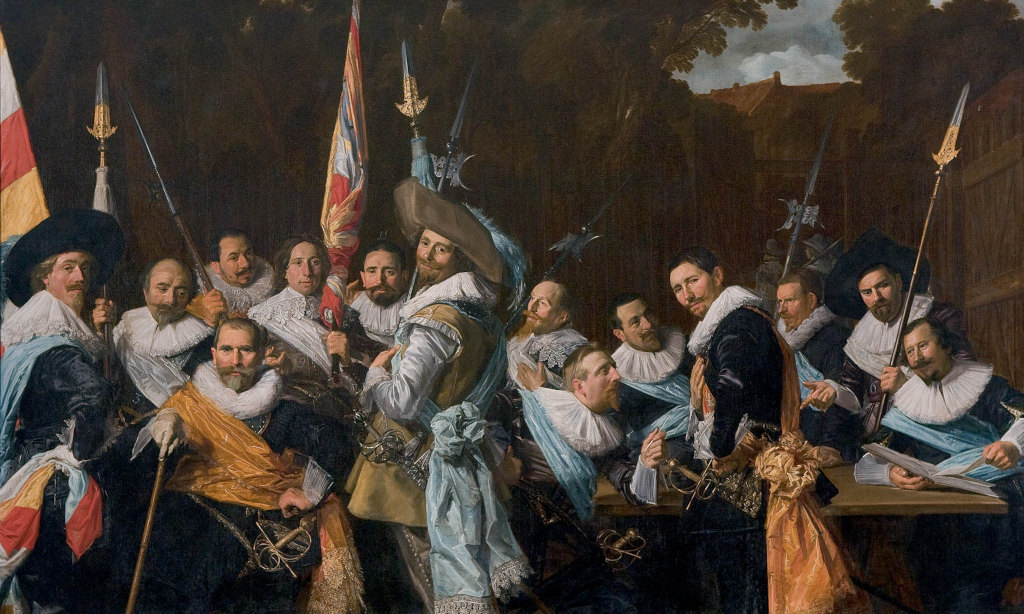
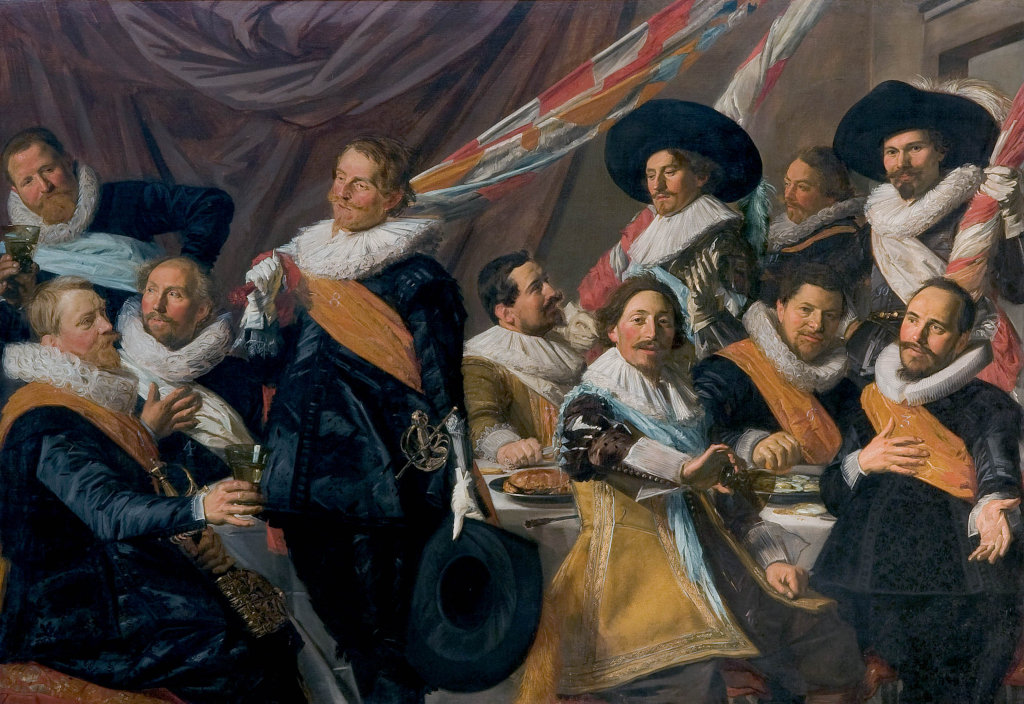
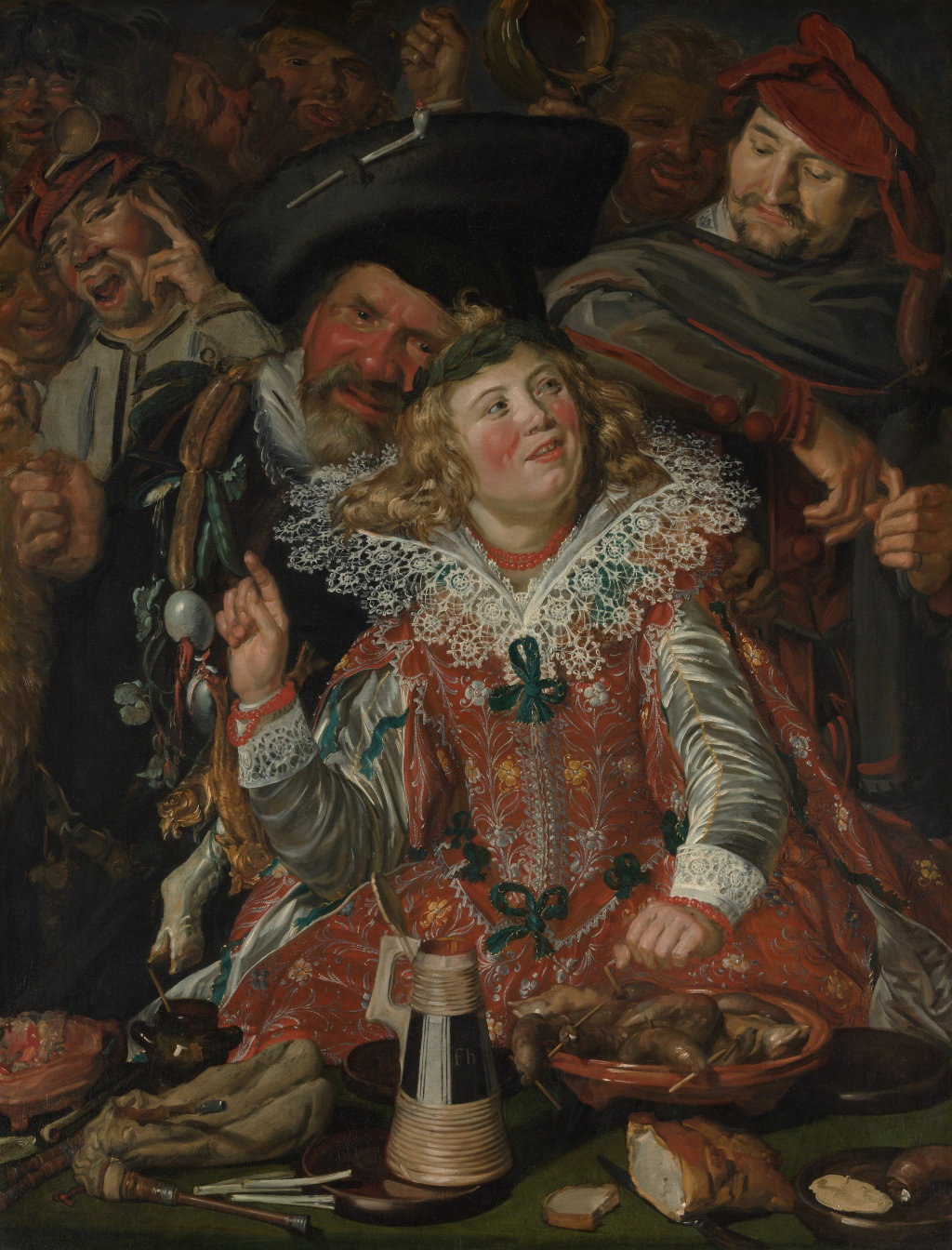
The monumental militia portraits remain among Hals' greatest achievements. These vast canvases commemorate the officers of Haarlem's volunteer civic guard companies, combining individual portraiture with remarkable compositional unity. Hals transformed what could have been static records of office into vibrant scenes filled with conversation, gesture and movement.
- Officers And Sergeants Of The St Hadrian (Adrian) Civic Guard (1933)
- The Banquet of the Officers of the St George Militia Company
Portraits of Merchants and Civic Leaders
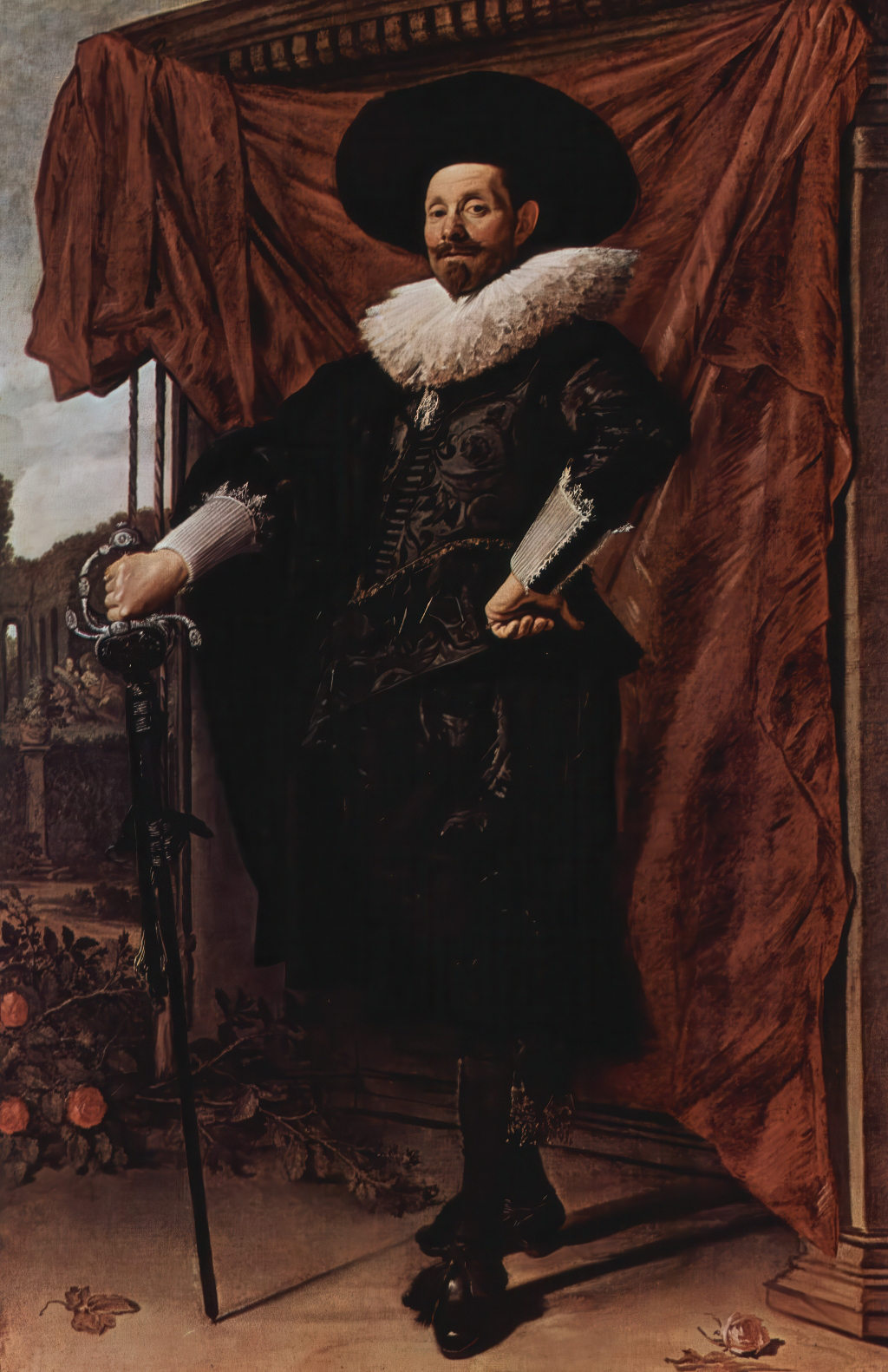
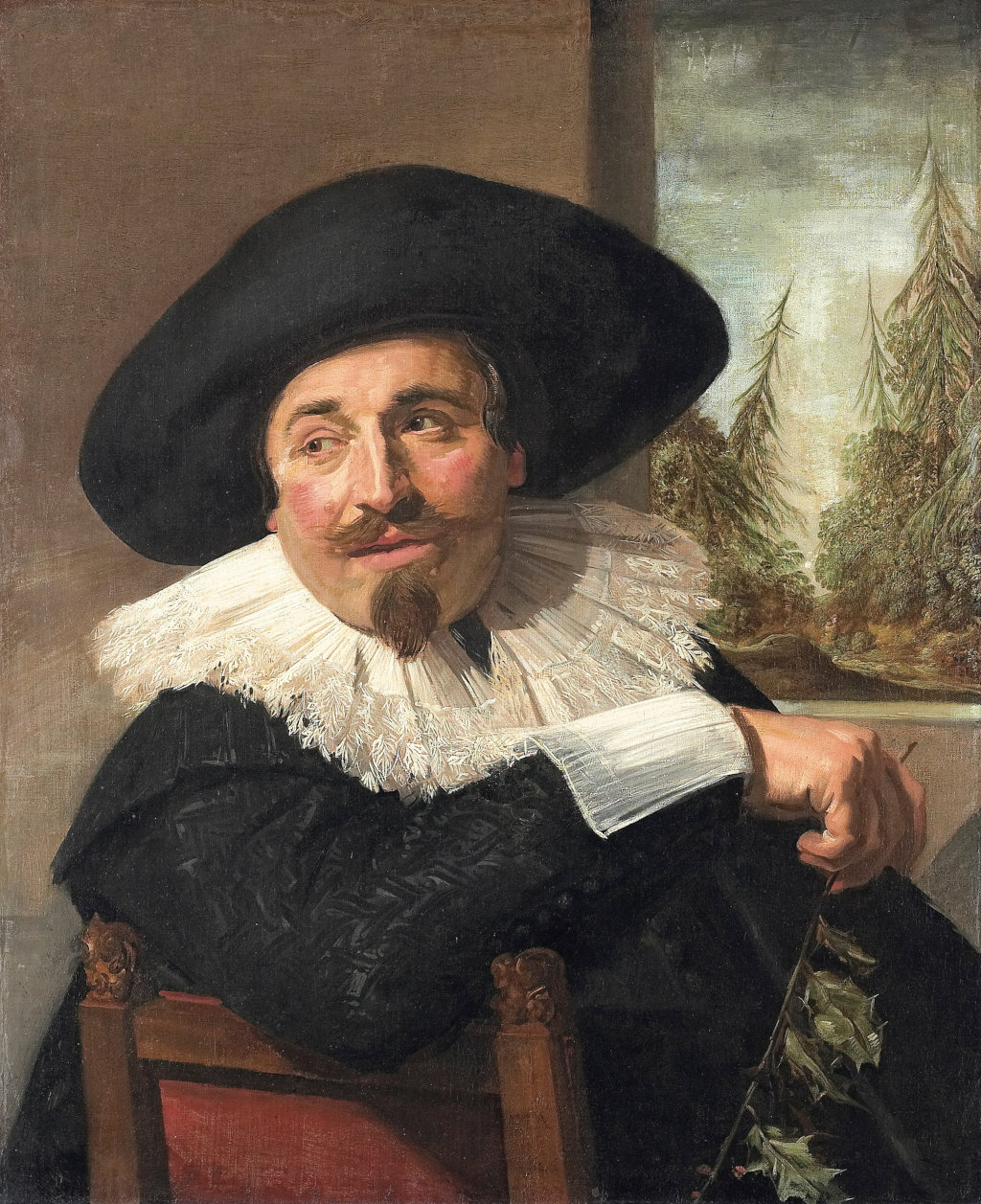
Many of Hals' finest commissions came from Haarlem's prosperous merchant class. Rather than relying on elaborate symbols of wealth, he conveyed intelligence, confidence and individuality through relaxed poses and subtle facial expressions. These portraits provide an extraordinary record of the citizens who helped shape the Dutch Republic during its Golden Age.
- The Laughing Cavalier
- Portrait of Willem Heythuijsen
- Portrait of Isaak Abrahamsz. Massa
- Portrait of Pieter van den Broecke
Marriage and Family Portraits
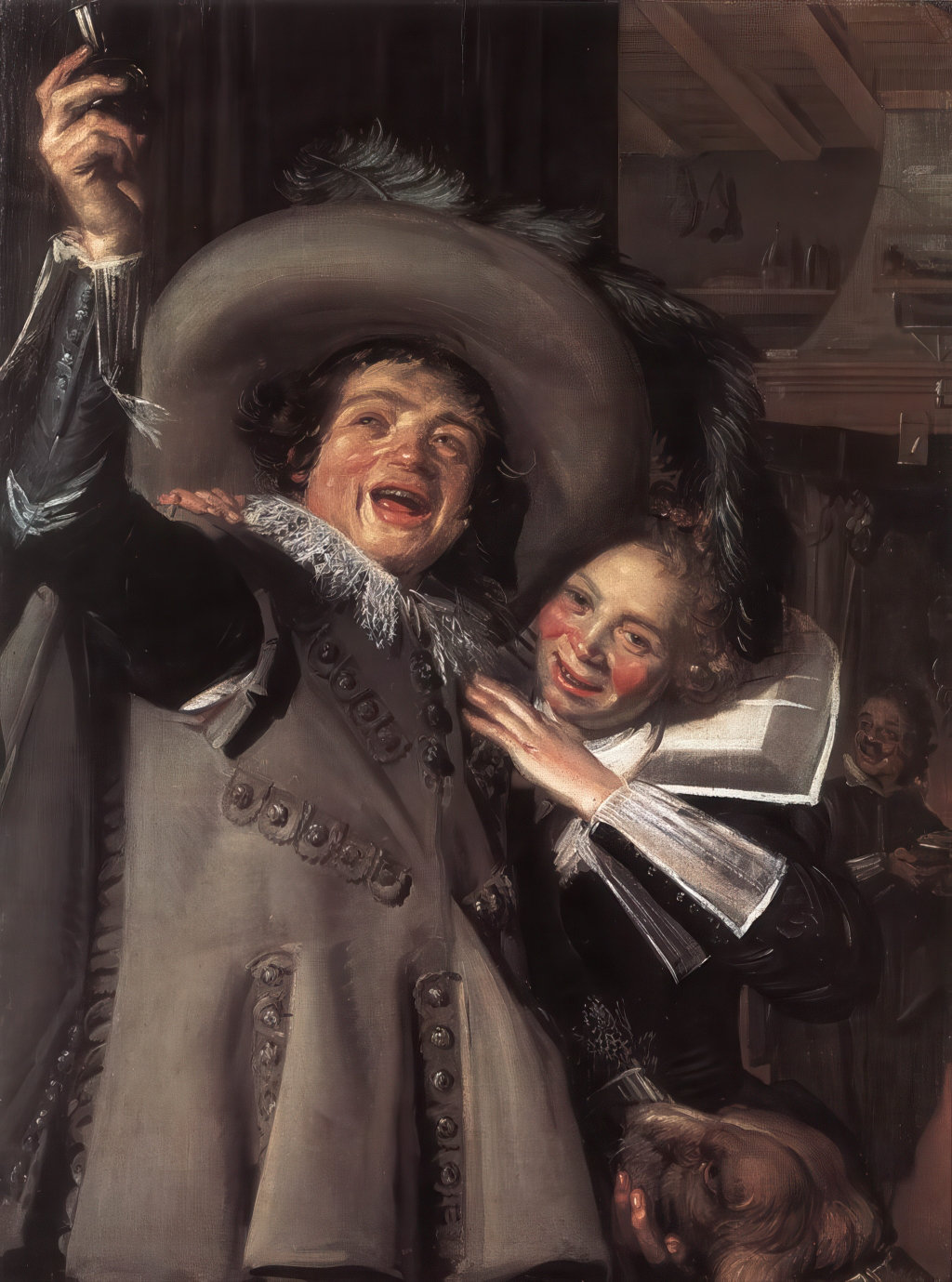
Hals was equally skilled at portraying relationships. His marriage portraits replace rigid formality with warmth and companionship, while his family groups capture a natural sense of interaction rarely achieved by earlier portrait painters.
Character Studies (Tronies)
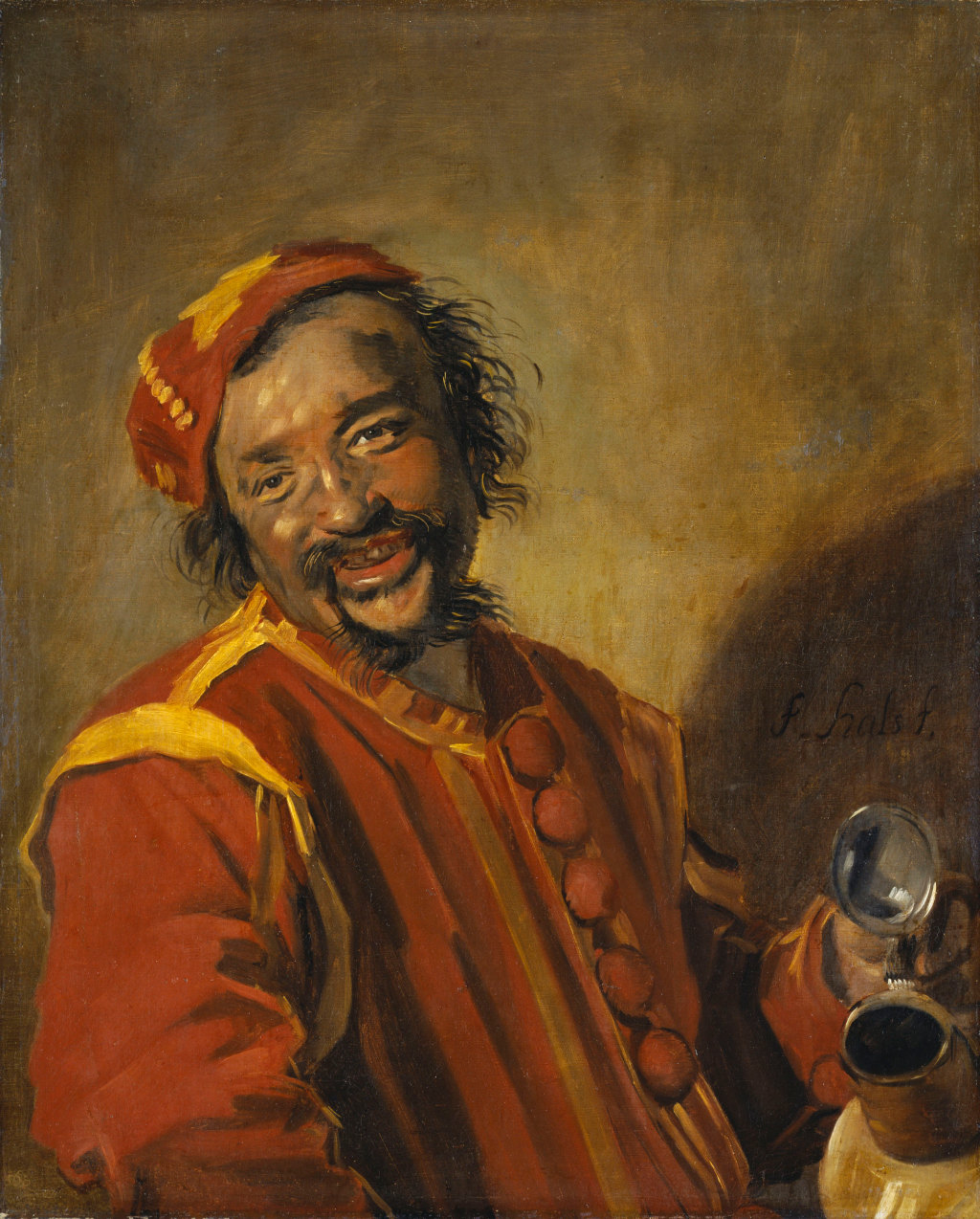
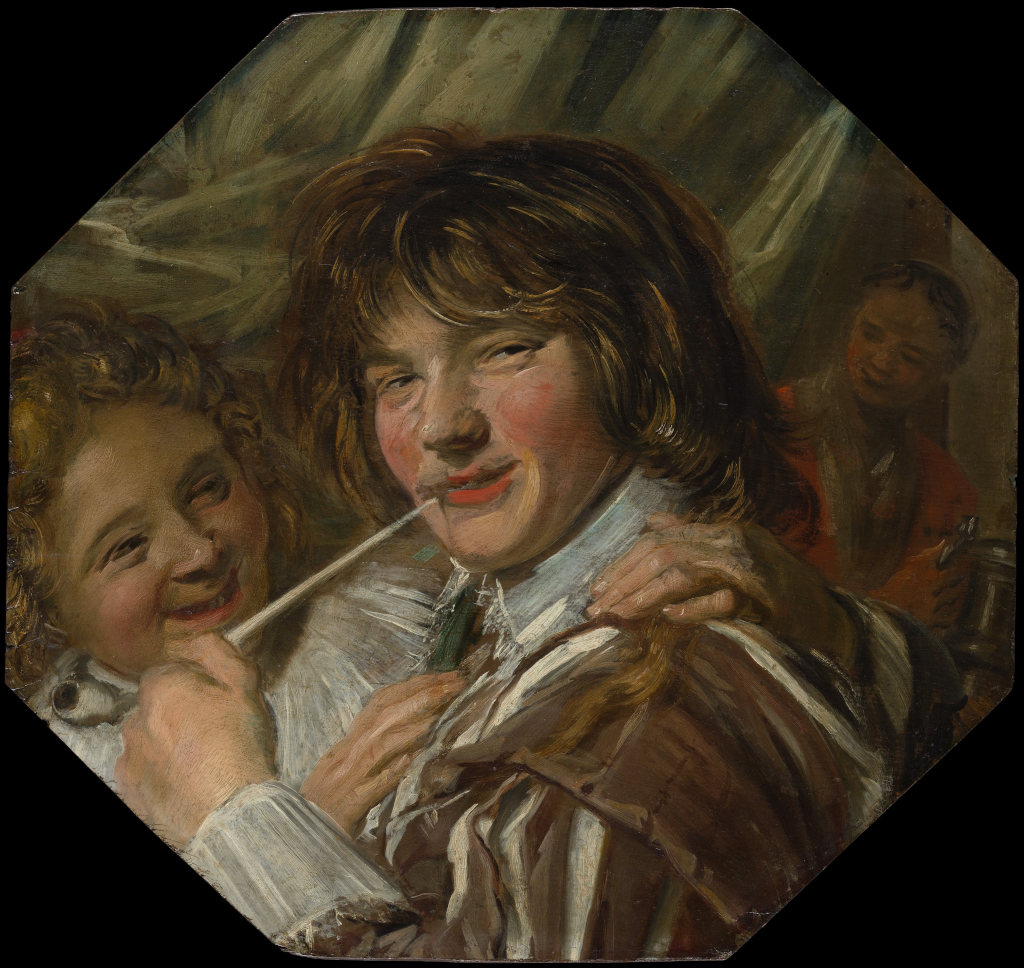
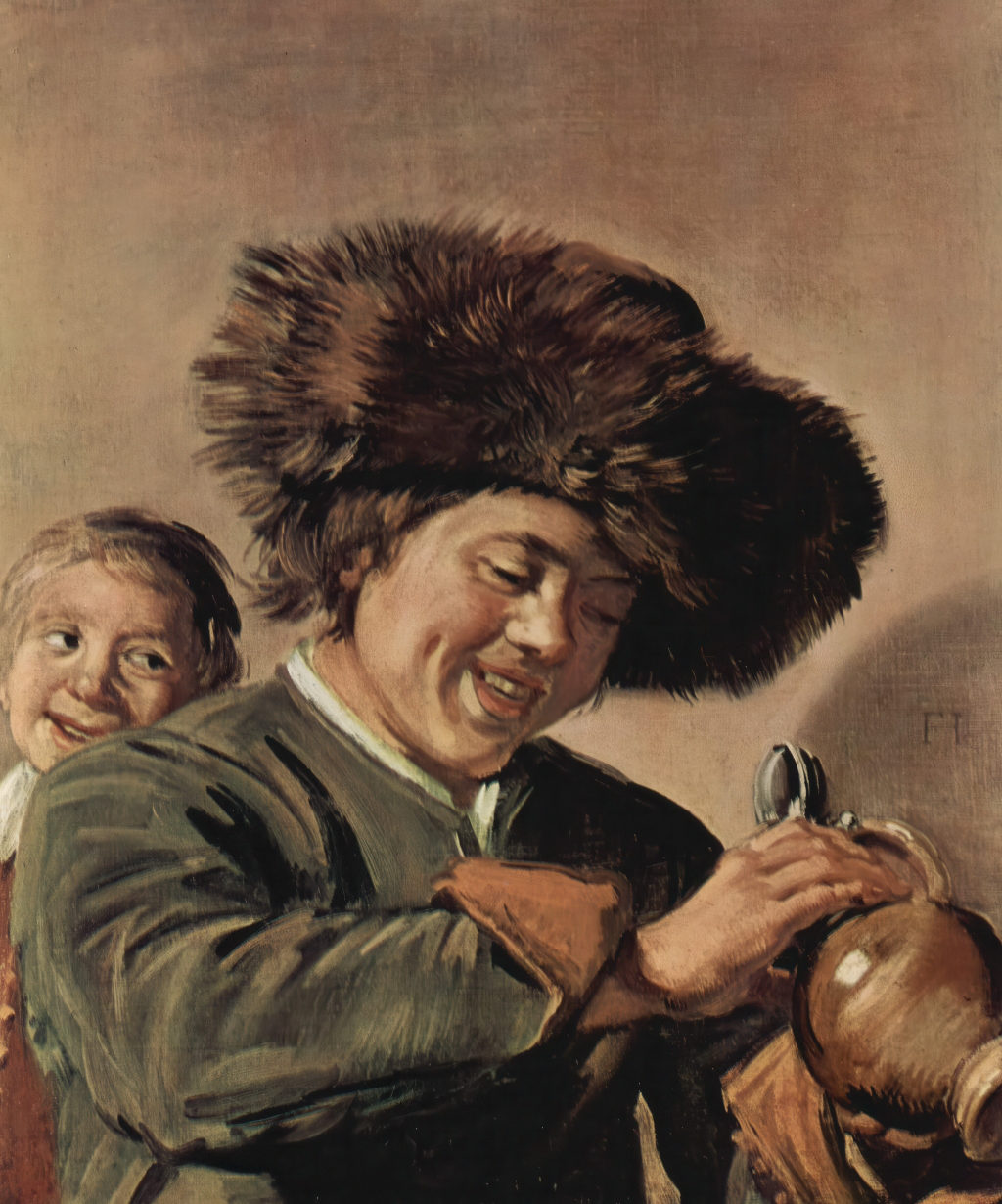
Some of Hals' most celebrated works are expressive character studies rather than conventional portraits. These paintings explore laughter, music, drinking, theatrical performance and exaggerated facial expressions, allowing Hals to experiment with some of the freest brushwork of his career.
- Malle Babbe
- The Merry Drinker
- Peeckelhaering
- The Smoker
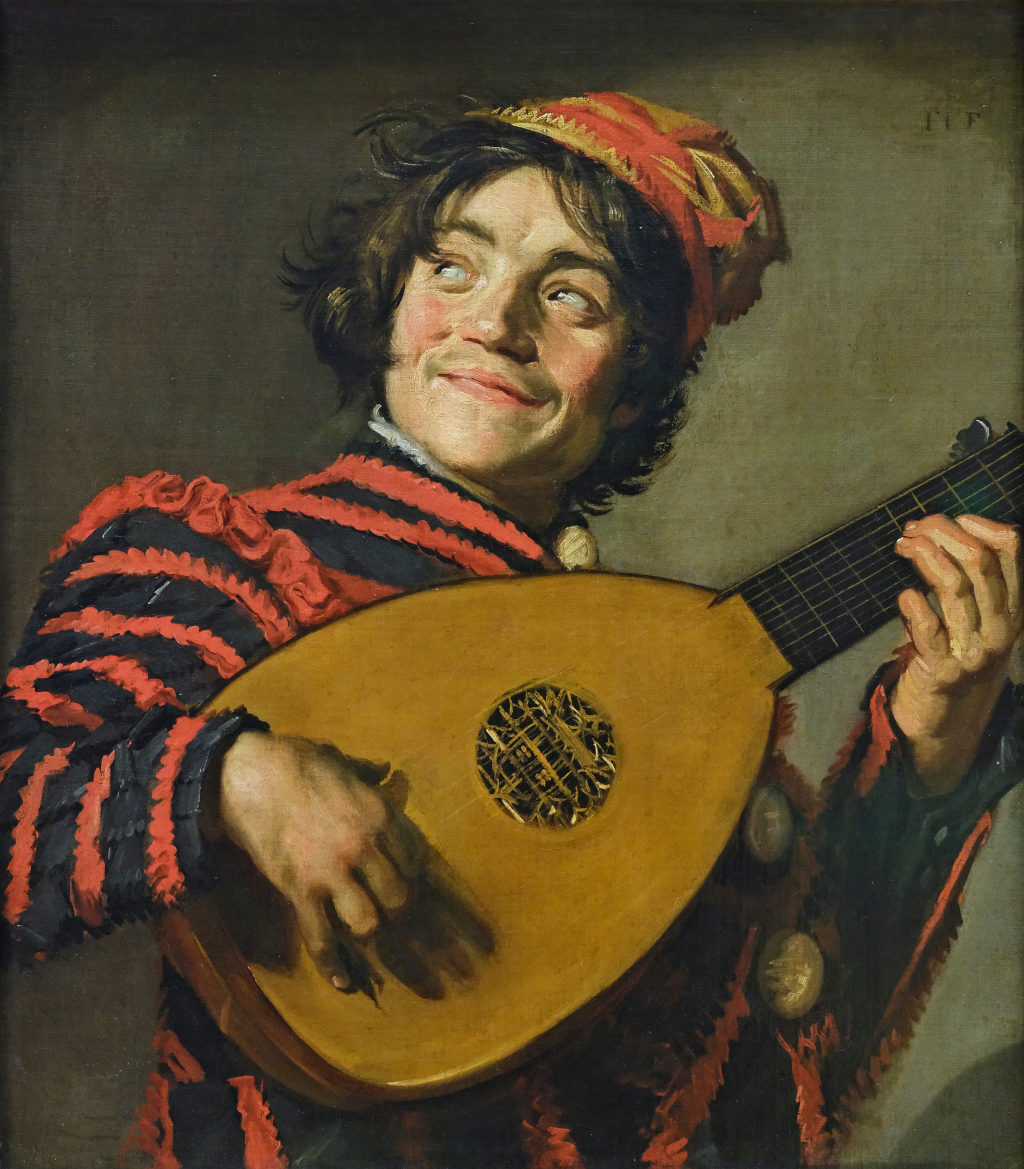
- The Merry Lute Player
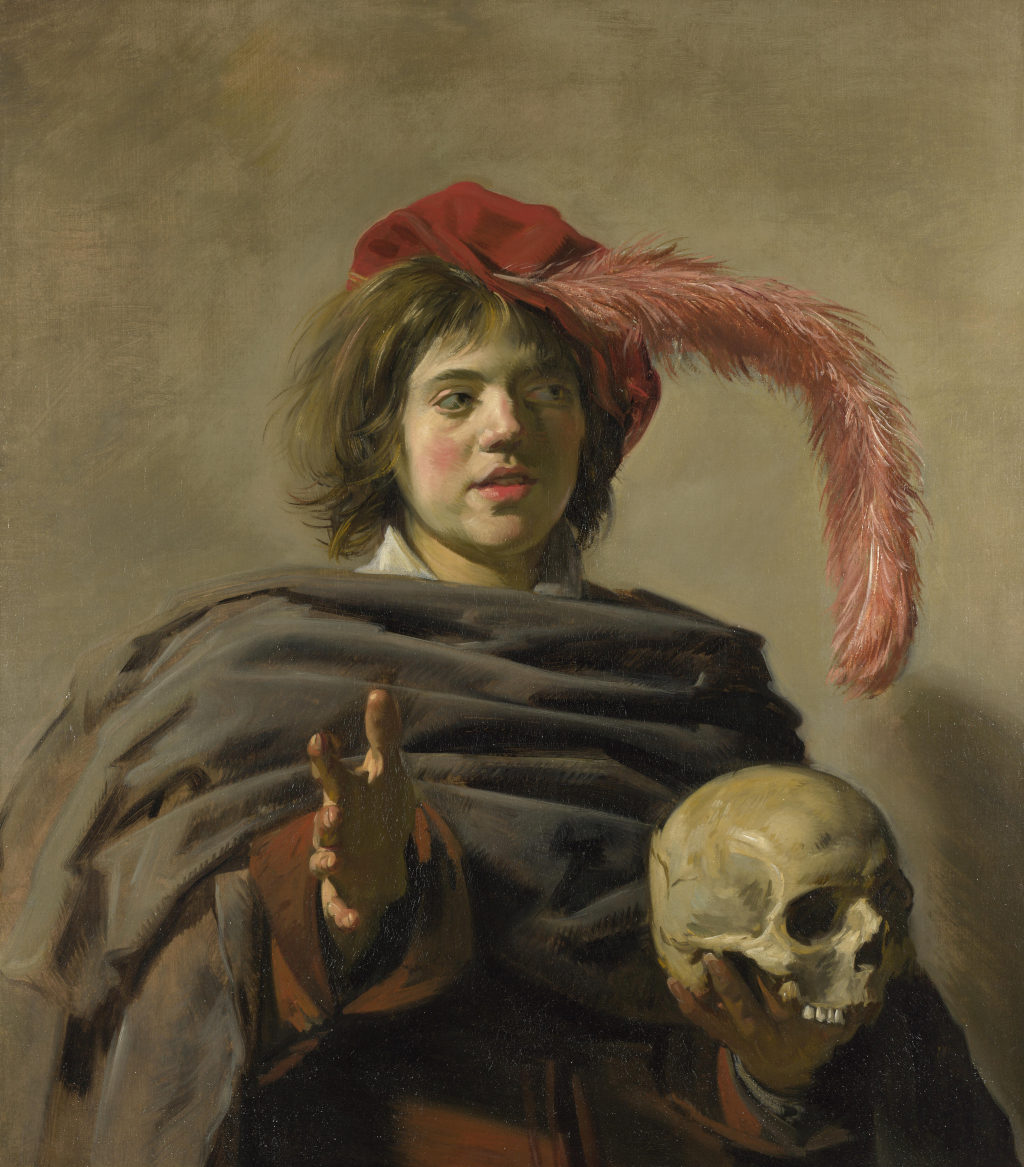
- Young Man Holding a Skull
Late Masterpieces
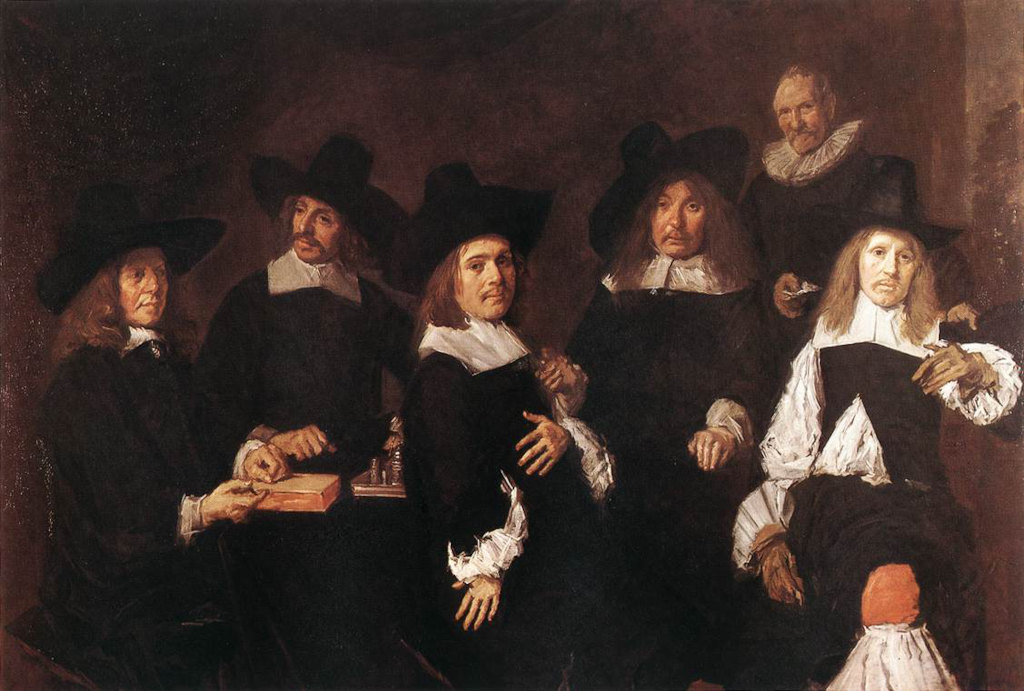
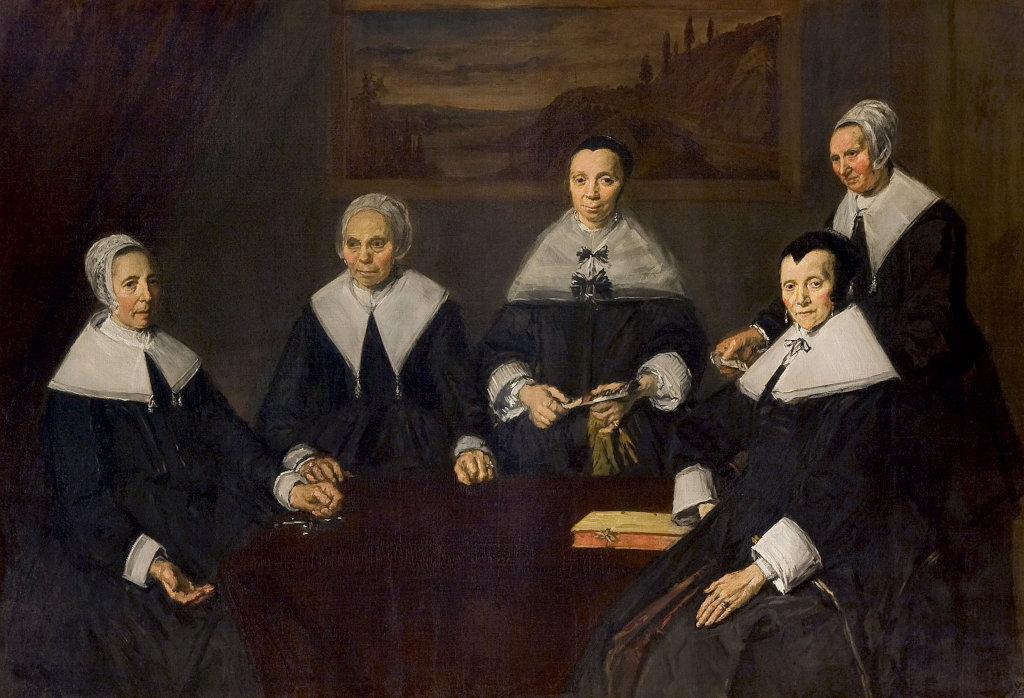
Hals' final paintings demonstrate a quieter but even more profound style. His portraits of the regents and regentesses of Haarlem's charitable institutions replace youthful exuberance with careful psychological observation. Restrained colour, economical brushwork and penetrating characterisation make these among the greatest achievements of his long career.
The Evolution of Frans Hals' Painting Style
One of the most fascinating aspects of Frans Hals' career is the way his painting style evolved while remaining instantly recognisable. Across more than fifty years, his portraits became progressively freer, more economical and psychologically penetrating, yet they never lost the vitality that distinguished his earliest works. Viewed together, his paintings reveal not only the career of an individual artist but also the changing tastes and values of the Dutch Golden Age.
Hals' earliest portraits were carefully structured and relatively restrained, reflecting established traditions of Dutch portraiture. As his confidence grew, he increasingly abandoned rigid poses in favour of natural gestures, direct eye contact and expressions that appear almost spontaneous. By the 1620s and 1630s he had developed the remarkably loose brushwork that later generations admired so greatly.
His middle period contains many of his best-known masterpieces, including The Laughing Cavalier, The Merry Drinker and Malle Babbe. These paintings demonstrate his extraordinary ability to combine technical brilliance with psychological immediacy. Rather than presenting idealised figures, Hals painted people who appear engaged with the viewer, caught in the middle of conversation or responding to events beyond the picture frame.
In his later years, Hals adopted an increasingly restrained style. Colour became more subdued, compositions quieter and brushwork even more economical. Yet these late portraits possess remarkable emotional depth, particularly in paintings such as The Regents of the Old Men's Almshouse and The Regentesses of the Old Men's Almshouse. Many historians regard these works as among the greatest achievements of seventeenth-century portraiture.
How to Appreciate a Frans Hals Painting
Stand close to one of Hals' paintings and the confident brushstrokes become clearly visible, often appearing surprisingly rough and abstract. Then step back several metres. Individual strokes suddenly merge into convincing faces, lace, silk and skin. This remarkable transformation explains why later artists such as Manet, Sargent and Van Gogh admired Hals as one of history's greatest painters.
Browse Frans Hals Paintings
Explore the individual paintings below to discover their history, meaning, artistic techniques and significance. Each guide examines a single masterpiece in greater depth, with detailed analysis, historical context and high-resolution images.
What Makes a Frans Hals Painting Unique?
Frans Hals developed one of the most distinctive styles in European art. While many seventeenth-century portrait painters favoured carefully polished surfaces and formal poses, Hals embraced movement, spontaneity and visible brushwork. His paintings often give the impression that the sitter has been interrupted in conversation, creating an immediacy that remains striking more than four centuries later.
This naturalism was revolutionary. Instead of presenting his patrons as distant symbols of wealth and authority, Hals emphasised personality. A slight smile, raised eyebrow or relaxed gesture was often enough to transform a conventional portrait into something far more engaging. His sitters feel approachable and believable, qualities that later inspired artists including Édouard Manet, John Singer Sargent and Vincent van Gogh.
Although best known for portraits, Hals continually experimented with different subjects. His oeuvre includes monumental civic guard paintings, intimate marriage portraits, lively musicians, expressive character studies, children and charitable governors. Across all these works, however, the same qualities remain visible: confident brushwork, careful observation and an extraordinary understanding of human expression.
Expressive Faces
Hals excelled at capturing fleeting smiles, laughter and subtle changes of expression, giving his portraits an exceptional sense of life.
Loose Brushwork
His bold, economical handling of paint appears almost abstract close up before resolving into convincing textures and lifelike forms from a distance.
Psychological Realism
Rather than focusing solely on status or appearance, Hals sought to convey individuality, confidence and character.
Browse Frans Hals' Most Famous Paintings
Click any painting below to explore its history, meaning, artistic techniques and significance. Each article includes detailed analysis, historical context, museum information and references for further reading.
Why Frans Hals' Paintings Still Matter
More than three and a half centuries after his death, Frans Hals remains one of the most influential portrait painters in Western art. His paintings continue to captivate audiences not simply because of their technical brilliance, but because they feel remarkably human. The men, women and children he portrayed appear alert, animated and emotionally present, creating a sense of immediacy that bridges the centuries between artist and viewer.
Hals achieved this through careful observation rather than theatrical effects. A slight smile, a raised glass or a relaxed gesture was often enough to suggest an entire personality. This ability to capture fleeting moments distinguished him from many of his contemporaries and helped redefine portraiture during the Dutch Golden Age. Instead of producing idealised images of wealth and status, Hals painted individuals with warmth, confidence and psychological depth.
His influence became especially important during the nineteenth century, when artists searching for greater freedom of expression rediscovered his work. Painters such as Édouard Manet, John Singer Sargent and Vincent van Gogh admired Hals' visible brushwork and his ability to suggest form with remarkably economical strokes. Techniques that once appeared unconventional came to be recognised as evidence of extraordinary artistic confidence.
Today, Hals' paintings can be found in many of the world's leading museums, including the Frans Hals Museum in Haarlem, the Rijksmuseum in Amsterdam, the Wallace Collection in London, the Metropolitan Museum of Art in New York and the Louvre in Paris. Together these collections demonstrate the breadth of his career, from intimate portraits and lively character studies to monumental civic guard paintings that rank among the greatest achievements of seventeenth-century European art.
Whether depicting a wealthy merchant, a laughing drinker, a newly married couple or the officers of Haarlem's civic militia, Frans Hals consistently revealed the individuality of his sitters. His paintings remind us that portraiture is about far more than recording appearance—it is about capturing character. That achievement explains why Hals continues to be regarded as one of the defining artists of the Dutch Golden Age and why his paintings remain as engaging today as when they were first created.
Explore the Complete Frans Hals Collection
The paintings featured above represent the highlights of Frans Hals' remarkable career. Follow the individual links to discover detailed guides exploring each masterpiece's history, meaning, artistic techniques, symbolism and lasting influence on the development of European art.
Timeline of Frans Hals' Most Important Paintings
| Date | Painting | Significance |
|---|---|---|
| 1616 | The Banquet of the Officers of the St George Militia Company | Hals' first great civic guard masterpiece. |
| c.1624 | The Laughing Cavalier | His most famous individual portrait. |
| c.1626 | Isaak Massa and Beatrix van der Laen | One of the Dutch Golden Age's finest marriage portraits. |
| c.1628–1630 | The Merry Drinker | Masterpiece of expressive portraiture. |
| 1633 | The Banquet of the Officers of the St Adrian Militia Company | Perhaps his greatest achievement in group portraiture. |
| c.1633–1635 | Malle Babbe | Celebrated character study demonstrating Hals' expressive brushwork. |
| 1664 | The Regents of the Old Men's Almshouse | One of his profound late masterpieces. |
| 1664 | The Regentesses of the Old Men's Almshouse | Companion work illustrating Hals' mature style. |
Frequently Asked Questions
Further Reading & References
- Frans Hals Museum. Collection Catalogue. Haarlem.
- RKD – Netherlands Institute for Art History. Frans Hals and his Workshop. Catalogue raisonné project.
- Seymour Slive. Frans Hals. 3 vols. Phaidon, 1970–1974.
- Christopher D. M. Atkins. Frans Hals. Reaktion Books, 2012.
- Claus Grimm. Frans Hals: The Complete Work. Harry N. Abrams, 1990.
- Norbert Middelkoop & Antoon Erftemeijer (eds.). Frans Hals: Eye to Eye with Rembrandt, Rubens and Titian. nai010 publishers, 2013.
- Friso Lammertse et al. Frans Hals. National Gallery Global, 2023.