 by Tom Gurney
Tom Gurney BSc (Hons) is an art history expert with over 20 years experience
Published on June 29, 2026 / Updated on June 29, 2026
Email: tomgurney1@gmail.com / Phone: +44 7429 011000
Frans Hals' Carnival of Food, Laughter and Disorder
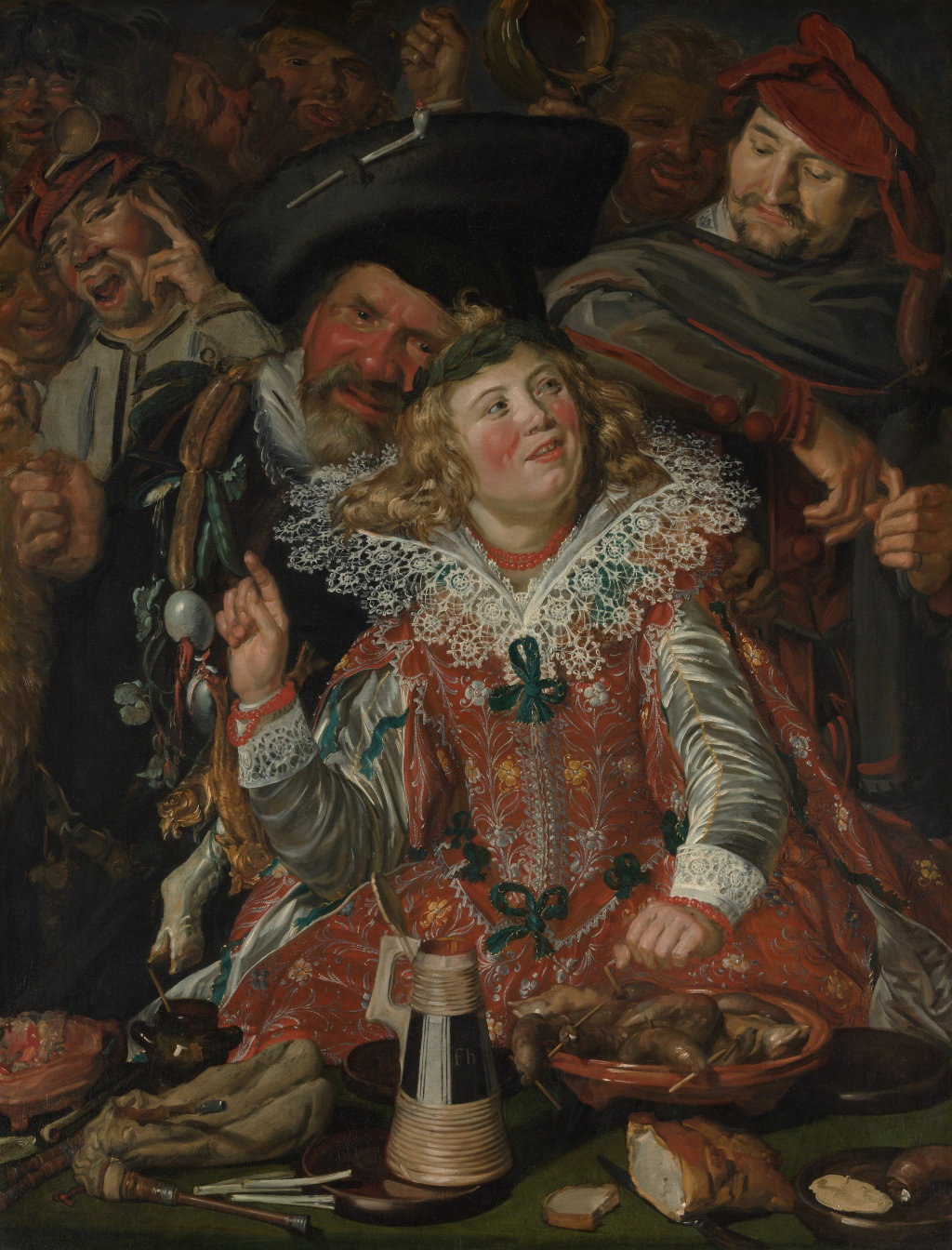
Shrovetide Revellers, also known as Merrymakers at Shrovetide, is one of Frans Hals' earliest surviving masterpieces. Painted around 1616–1617 and now in the Metropolitan Museum of Art in New York, the picture plunges the viewer into the noisy world of Carnival, where food, drink, music, laughter and desire erupt before the fasting season of Lent.
The painting is very different from the formal portraits for which Hals later became famous. Instead of a dignified merchant or civic officer, we see a dense crowd of revellers celebrating Shrovetide with comic excess. Sausages, fish, ale, eggs, gestures and grinning faces all contribute to a scene full of appetite, humour and symbolic innuendo.
This page explores the painting's meaning, symbolism, historical background, early technique and importance within Hals' career. It also explains why the work is essential for understanding the earthy, theatrical side of the Dutch Golden Age.
- ArtistFrans Hals and workshop
- TitleShrovetide Revellers / Merrymakers at Shrovetide
- Datec. 1616–1617
- MediumOil on canvas
- Dimensions131.4 × 99.7 cm
- Current LocationMetropolitan Museum of Art, New York
- GenreGenre painting / Carnival scene
- Why It MattersOne of Hals' earliest surviving works and a remarkable image of Carnival excess, humour and social performance.
Contents
- Overview
- Looking at the Painting
- What Was Shrovetide?
- Food, Appetite and Symbolism
- Humour and Social Disorder
- Technique and Early Style
- Place in Hals' Career
- Provenance and the Metropolitan Museum of Art
- Legacy
- FAQs
- References
Overview
Painted around 1616–1617, Shrovetide Revellers (often titled Merrymakers at Shrovetide) belongs to the earliest phase of Frans Hals' career. Unlike the elegant portraits that later established his reputation, this lively composition celebrates Carnival with theatrical exuberance, inviting the viewer into a crowded gathering of drinkers, musicians and comic characters.
The picture was created at a time when Dutch artists increasingly explored scenes of everyday life. Hals transforms what might have been a simple genre painting into a vivid study of expression and movement. Every face appears engaged in conversation, laughter or performance, creating the impression that the festivities continue beyond the edges of the canvas.
Today the work is recognised as one of the most important surviving records of Carnival traditions in the early Dutch Republic and provides valuable insight into the humour, customs and popular entertainments of the period.
Why This Painting Matters
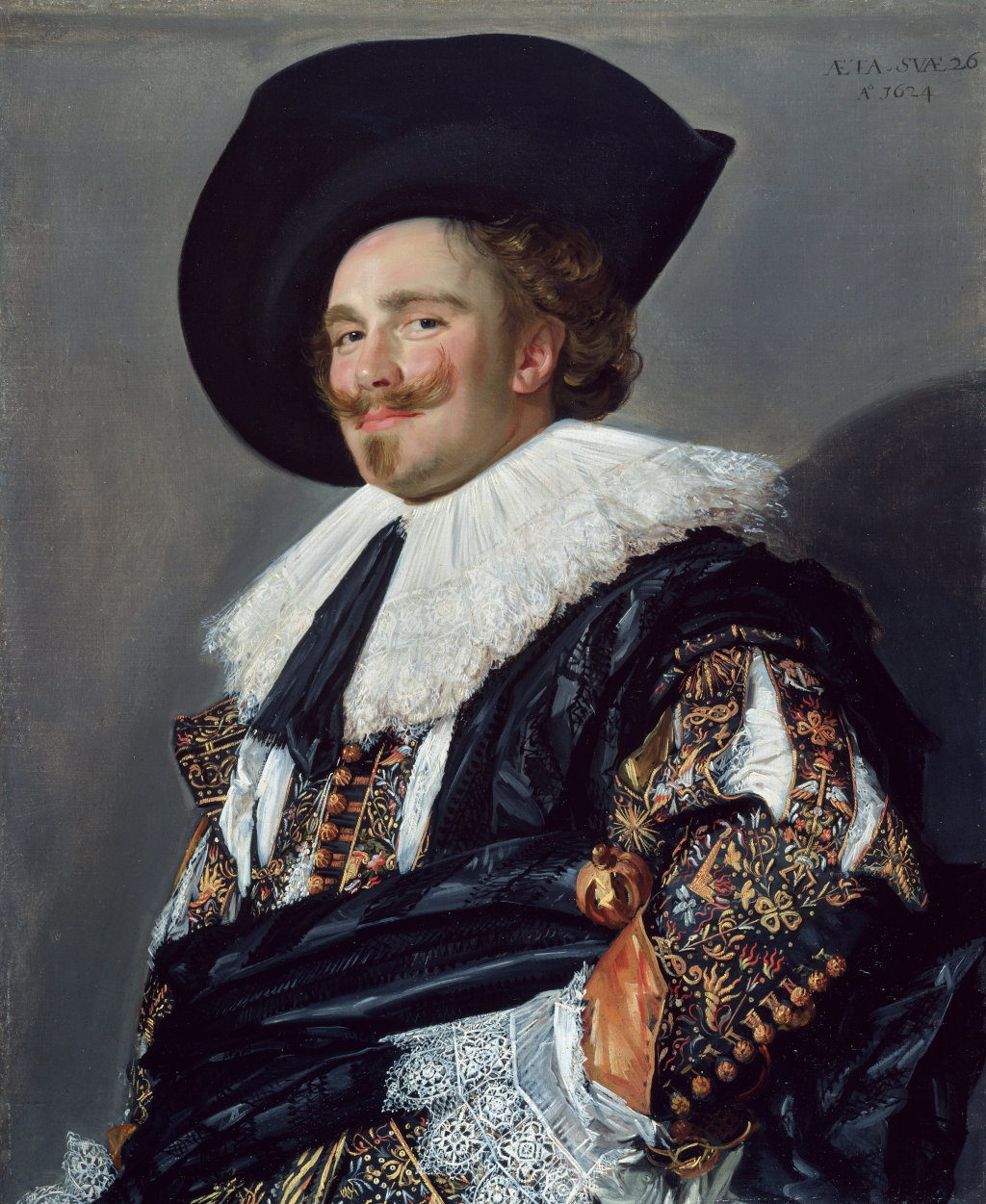
While later masterpieces such as The Laughing Cavalier demonstrate Hals' brilliance as a portraitist, Shrovetide Revellers reveals his equally remarkable gift for storytelling, observation and animated group composition.
Looking at the Painting
At first glance the painting appears chaotic, yet Hals carefully organises the composition so that the viewer's eye moves naturally from face to face. Figures lean into one another, exchange glances and gesture energetically, creating a rhythm that echoes the music and conversation of a festive gathering.
The richly varied expressions are among the painting's greatest achievements. Smiles, open mouths and animated gestures suggest spontaneous interaction rather than carefully posed models. Hals' ability to capture these fleeting moments would become one of the defining characteristics of his mature style.
Objects such as sausages, fish, eggs, drinking vessels and musical instruments are not merely decorative details. They contribute to the painting's broader themes of abundance, appetite and celebration, while also inviting symbolic interpretations that contemporary viewers would have recognised.
What Was Shrovetide?
Shrovetide was the festive period immediately before Lent, the forty-day season of fasting observed throughout much of Christian Europe. Traditionally it was a time of feasting, drinking, dancing and public entertainment before the restraints of the Lenten season began on Ash Wednesday.
Across the Netherlands these celebrations often included masquerades, comic performances, music and playful inversions of normal social behaviour. Artists found the subject attractive because it allowed them to explore humour, human behaviour and moral symbolism within scenes that were both entertaining and recognisable to contemporary audiences.
Hals does not simply document a historical festival. Instead, he captures the atmosphere of Carnival itself—a world in which ordinary rules are temporarily suspended, laughter replaces restraint and abundance gives way to reflection as Lent approaches.
Food, Appetite and Symbolism
One of the most fascinating aspects of Shrovetide Revellers is the abundance of symbolic food and drink scattered throughout the composition. Seventeenth-century viewers would not simply have seen a festive meal; they would have recognised visual references to Carnival customs, human appetite and the temporary suspension of everyday restraint before the arrival of Lent.
Large sausages, fish, eggs, bread and overflowing drinking vessels reinforce the theme of abundance. These were appropriate foods for Shrovetide celebrations, when households consumed rich ingredients before the fasting season began. At the same time, artists often used such objects to hint at sensual pleasure, prosperity and the temptations of earthly life.
Rather than delivering a straightforward moral lesson, Hals balances celebration with observation. The revellers are neither condemned nor idealised. Instead, they are presented as recognisably human—cheerful, noisy and immersed in the pleasures of the moment.
| Object | Possible Meaning |
|---|---|
| Sausages | Feasting, abundance and Carnival excess. |
| Fish | A reminder of the approaching Lenten fast. |
| Eggs | Fertility, nourishment and seasonal celebration. |
| Ale and wine | Festivity, companionship and temporary indulgence. |
| Musical instruments | Joy, entertainment and the fleeting nature of pleasure. |
Humour, Theatre and Social Disorder
Carnival encouraged behaviour that would have been considered inappropriate during ordinary life. Masks, comic performances, exaggerated gestures and playful role reversals allowed people to laugh at social conventions while recognising that normal order would soon return. Hals embraces this atmosphere through animated expressions and theatrical interaction.
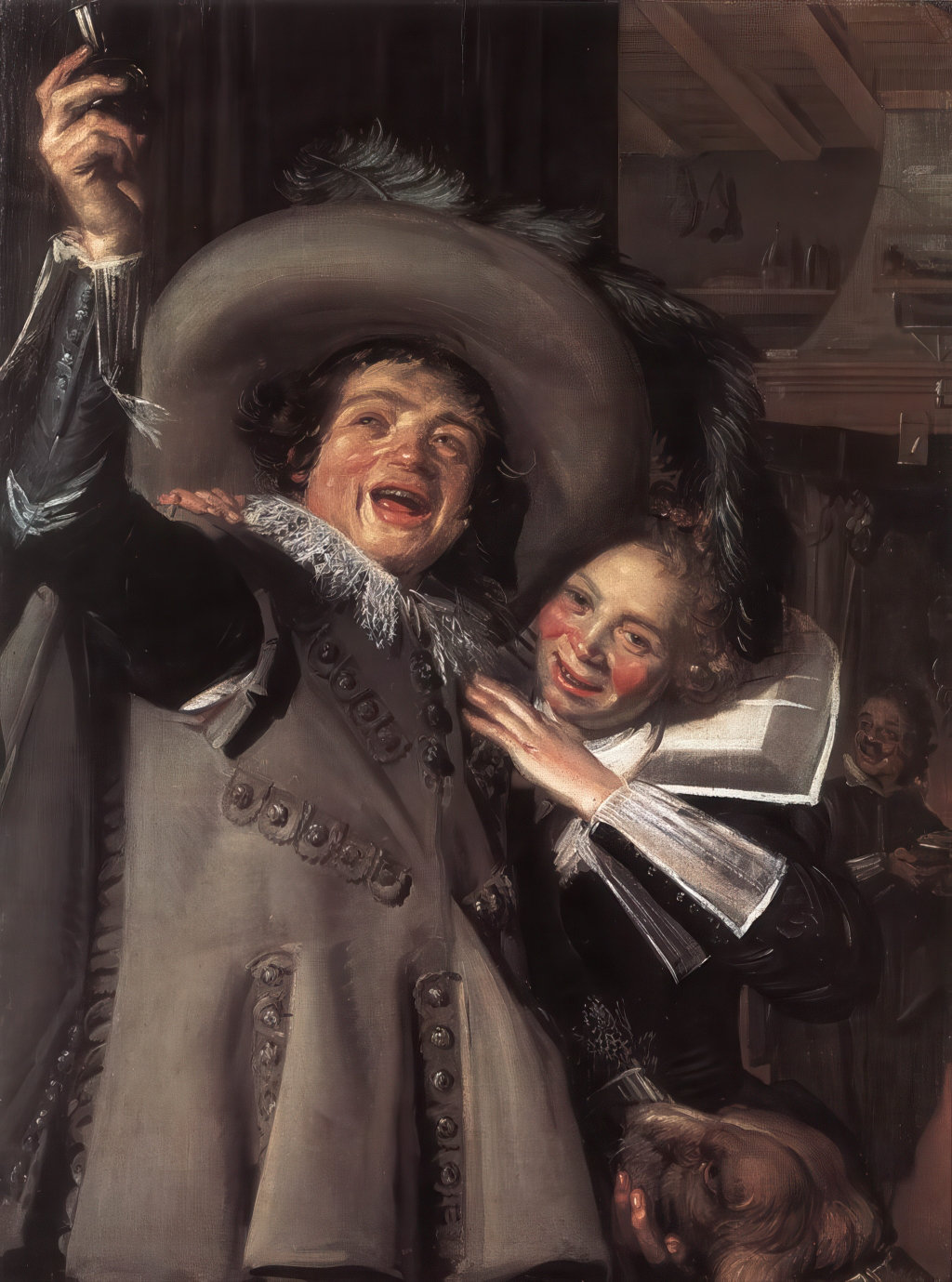
The figures appear almost like actors performing on a stage. They smile broadly, lean into one another and gesture energetically, drawing the viewer into the festivities. This theatrical quality would remain an important feature of Hals' later portraits, where even apparently formal sitters often seem caught in the middle of conversation.
Modern viewers sometimes assume the painting is simply humorous, but seventeenth-century audiences would also have recognised the subtle reminder that Carnival was temporary. Pleasure, food and music would soon give way to the discipline of Lent, making the celebration all the more intense.
A World Turned Upside Down
Shrovetide temporarily suspended everyday rules, allowing humour, excess and theatrical behaviour to flourish. Hals captures this atmosphere with extraordinary vitality while preserving the individuality of every participant.
Technique and Early Style
Although painted early in Hals' career, Shrovetide Revellers already demonstrates many of the qualities that would later define his mature style. Faces are painted with remarkable freshness, while hands, clothing and food are suggested through confident, economical brushstrokes rather than painstaking detail.
The composition is more crowded than Hals' later portraits, revealing the influence of Flemish genre painting and contemporary depictions of peasant festivities. Even so, his gift for observing individual character is unmistakable. Each figure possesses a distinct expression and personality, preventing the crowd from becoming anonymous.
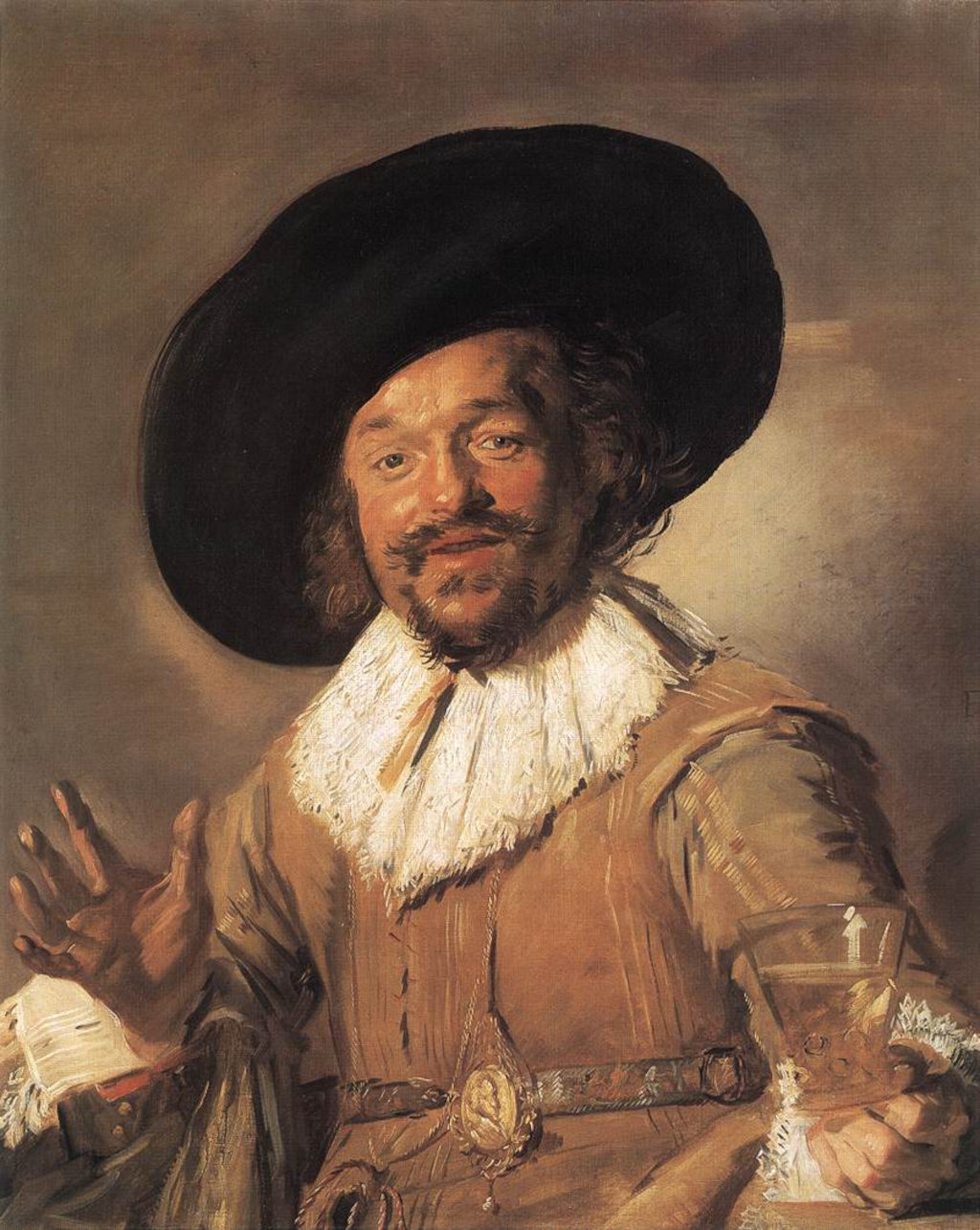
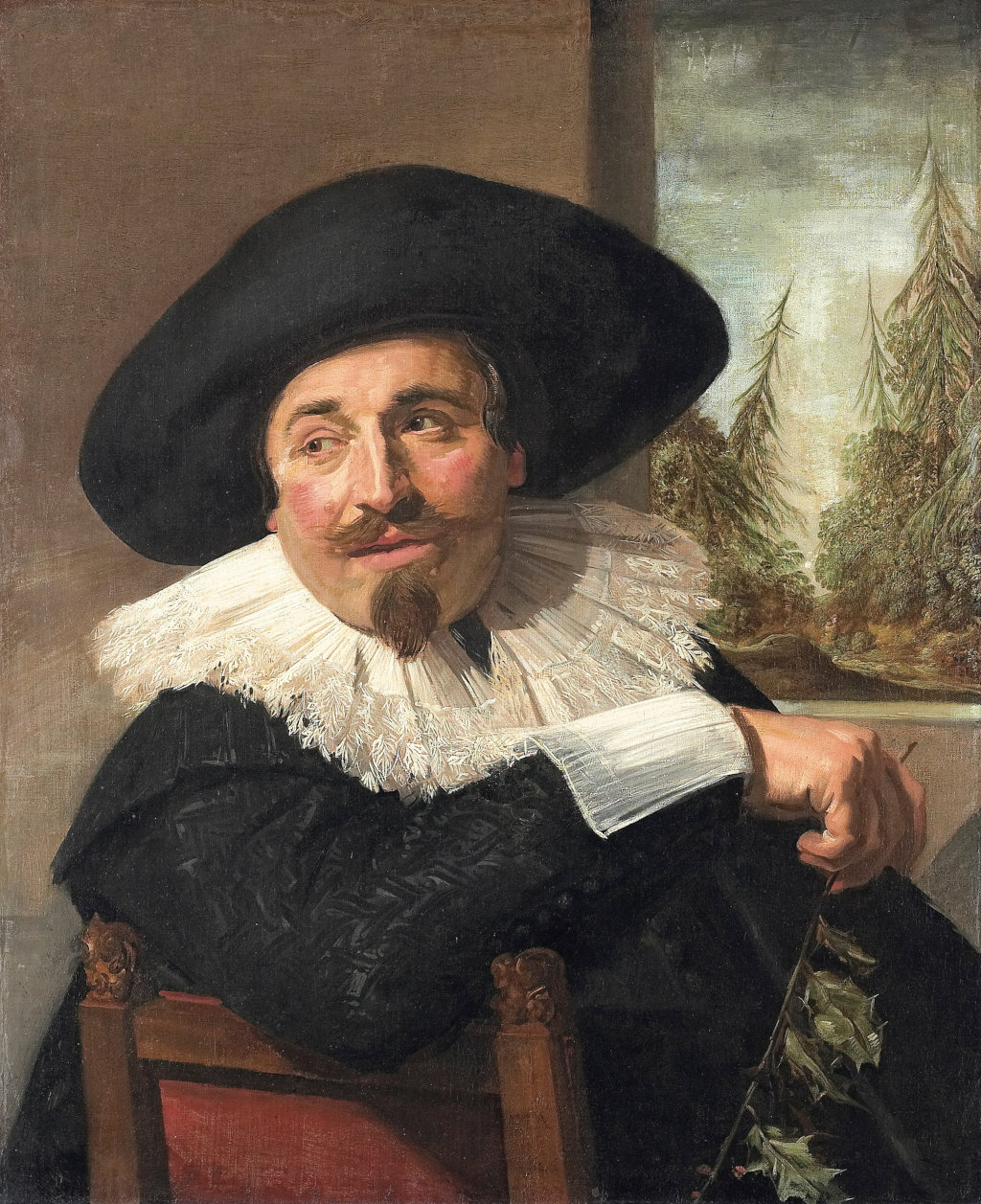
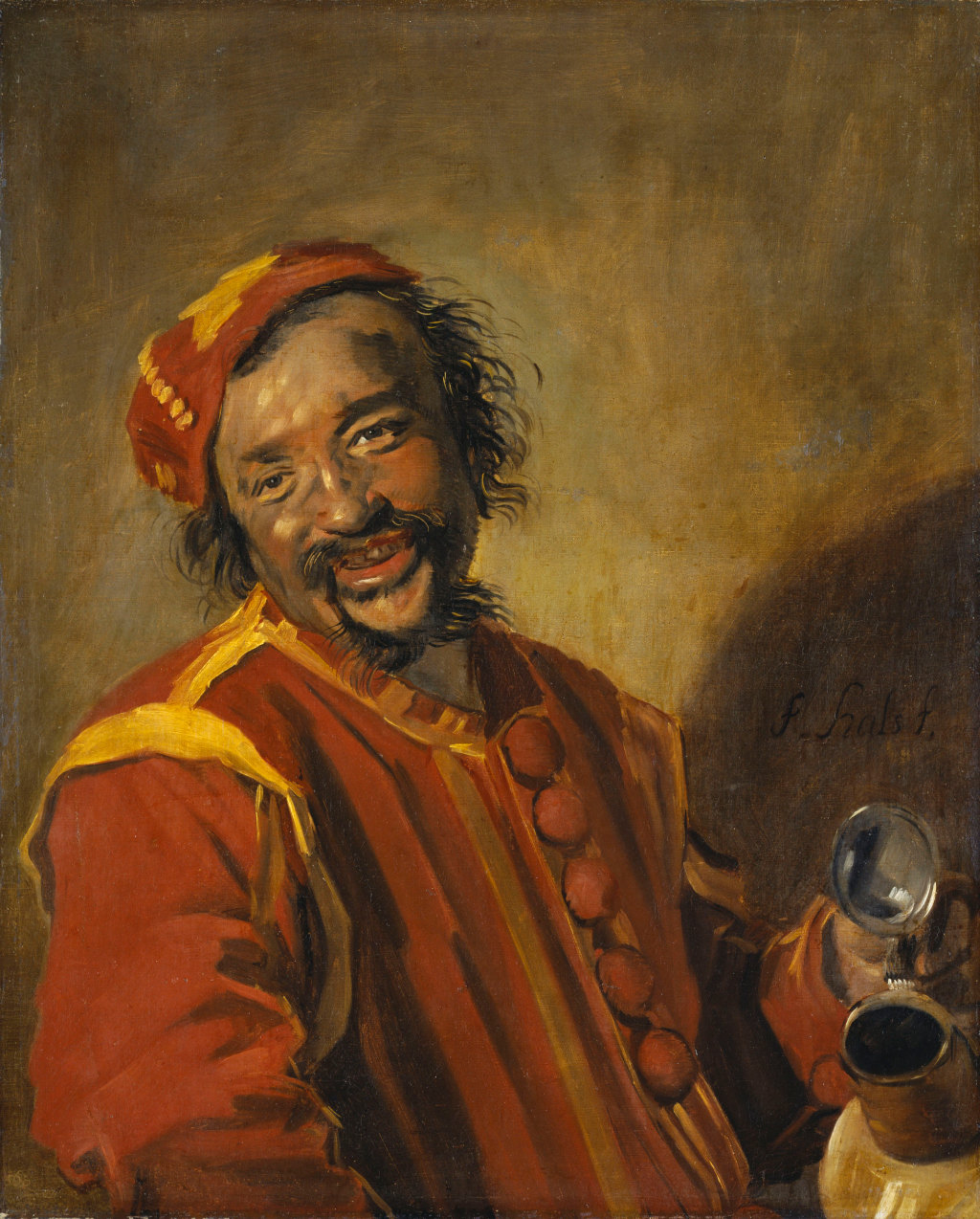
This combination of lively observation, painterly freedom and convincing human interaction marks the beginning of Hals' lifelong exploration of movement and expression, qualities that would reach their fullest development in masterpieces such as The Laughing Cavalier, The Merry Drinker and his celebrated militia portraits.
Place in Hals' Career
Shrovetide Revellers occupies a crucial position within Frans Hals' artistic development. Painted only a few years after he established himself as an independent master in Haarlem, it demonstrates that his extraordinary gift for observing human behaviour was already fully formed. Although later generations would celebrate Hals above all as a portrait painter, this early work reveals an artist equally capable of constructing lively multi-figure narratives.
The painting also bridges two artistic traditions. It draws upon the bustling genre scenes of Flemish predecessors while anticipating the psychological immediacy that would distinguish Hals' portraits throughout the following four decades. The smiling faces, animated gestures and effortless sense of movement all foreshadow masterpieces such as The Laughing Cavalier, The Merry Drinker and the great civic guard portraits.
For this reason, many historians regard Shrovetide Revellers as an invaluable key to understanding Hals' career. It reveals that his fascination with expression, humour and fleeting moments was present from the very beginning, long before he became Europe's foremost portraitist of lively personalities.
Provenance and the Metropolitan Museum of Art
Today the painting is one of the highlights of the Metropolitan Museum of Art's collection of Dutch painting. Its acquisition reflected the growing international appreciation of Frans Hals during the late nineteenth and early twentieth centuries, when museums across Europe and America sought outstanding examples of Dutch Golden Age art.
The Metropolitan Museum presents the work under the title Merrymakers at Shrovetide, emphasising its connection with Carnival festivities rather than a specific group of identifiable individuals. Conservators have also demonstrated the remarkably fresh condition of much of Hals' brushwork, allowing modern visitors to appreciate the confidence and vitality of his early technique.
Alternative Title
Many books refer to the painting as Shrovetide Revellers, while the Metropolitan Museum of Art uses the title Merrymakers at Shrovetide. Both names refer to the same celebrated work.
Influence and Legacy
Although Shrovetide Revellers is less famous than The Laughing Cavalier or Hals' militia portraits, it has become increasingly appreciated for its originality and historical importance. The painting demonstrates that Hals' celebrated spontaneity was not a late development but a defining feature of his art from the outset.
Its energetic composition also influenced later perceptions of Dutch genre painting. Nineteenth-century artists admired Hals' ability to suggest movement with remarkably economical brushwork, while modern historians value the work as one of the most vivid visual records of Carnival customs in the Dutch Republic.
Today the painting stands as both an entertaining celebration of human nature and a significant milestone in the development of one of Europe's greatest portrait painters. It reminds viewers that Hals' genius extended far beyond formal portraiture to include humour, theatre and the rich traditions of everyday life.
Frequently Asked Questions
References
- Metropolitan Museum of Art, Merrymakers at Shrovetide, collection catalogue.
- Christopher D. M. Atkins, Frans Hals, Reaktion Books, 2012.
- Seymour Slive, Frans Hals, 3 vols., Phaidon, 1970–1974.
- Claus Grimm, Frans Hals: The Complete Work, Harry N. Abrams, 1990.
- Friso Lammertse et al., Frans Hals, National Gallery / Rijksmuseum / Gemäldegalerie, 2023.
- RKD – Netherlands Institute for Art History.
- Walter Liedtke, Dutch Paintings in the Metropolitan Museum of Art, 2007.