 by Tom Gurney
Tom Gurney BSc (Hons) is an art history expert with over 20 years experience
Published on June 29, 2026 / Updated on June 29, 2026
Email: tomgurney1@gmail.com / Phone: +44 7429 011000
How Frans Hals Transformed Portraiture
Frans Hals was one of the greatest portrait painters in European art. Working mainly in Haarlem during the Dutch Golden Age, he transformed portraiture by making sitters appear animated, alert and psychologically present. Rather than presenting people as stiff symbols of wealth or status, Hals painted them smiling, turning, gesturing, drinking, playing music, governing institutions and engaging directly with the viewer.
His achievement was not limited to one type of portrait. Hals painted wealthy merchants, married couples, children, civic guard officers, charitable governors, theatrical characters and expressive character studies known as tronies. Together, these works provide one of the richest visual records of seventeenth-century Dutch society.
This page explores Frans Hals' portraiture as a single guide, bringing together the many portrait types that shaped his career. It explains how Hals approached male and female sitters, marriage portraits, merchant identity, family groups, children, civic guards, regents and expressive character studies, while showing why his portraits still feel so alive today.
- Artist Frans Hals (c.1582/83–1666)
- Movement Dutch Golden Age
- Main Genre Portraiture
- Portrait Types Individual, marriage, family, civic guard, regent and character portraits
- Known For Natural expressions, loose brushwork and psychological immediacy
- Key Works The Laughing Cavalier, Malle Babbe, The Merry Drinker
- Why It Matters Hals helped redefine portraiture as a living encounter rather than a formal record.
Contents
- What Made Hals' Portraiture Different?
- Male Portraits
- Female Portraits
- Merchant Portraits
- Marriage Portraits
- Family Portraits
- Children's Portraits
- Tronies and Character Studies
- Civic Guard Portraits
- Regents and Regentesses
- Why Hals' Portraits Still Matter
- FAQs
- References
What Made Hals' Portraiture Different?
Frans Hals changed the emotional temperature of portraiture. Many portraits before him emphasised permanence, rank and composed dignity. Hals preserved those functions, but added something new: the sensation of a living encounter. His sitters often appear to have paused only briefly before speaking, smiling or turning away again.
This effect depended on several qualities working together. Hals used relaxed poses, direct eye contact, visible brushwork and subtle facial expressions to create the impression of spontaneity. Even when painting wealthy patrons who expected dignity, he avoided lifeless formality. His portraits suggest social presence as much as physical appearance.
His achievement becomes even clearer when viewed across different portrait types. A merchant, a married couple, a laughing drinker, a civic guard officer and an elderly regent all required different levels of formality. Hals adapted his approach to each situation while retaining the same fundamental interest in character.
Looking Closely
A Hals portrait often feels alive before you know who the sitter is. That immediacy comes from the relationship between expression, posture and brushwork rather than from biography alone.
Male Portraits
Hals' male portraits capture a wide range of identities, from prosperous merchants and civic leaders to musicians, drinkers and theatrical figures. His formal male sitters often project confidence, intelligence and social ease. Unlike rigid court portraits, they rarely appear distant or inaccessible.
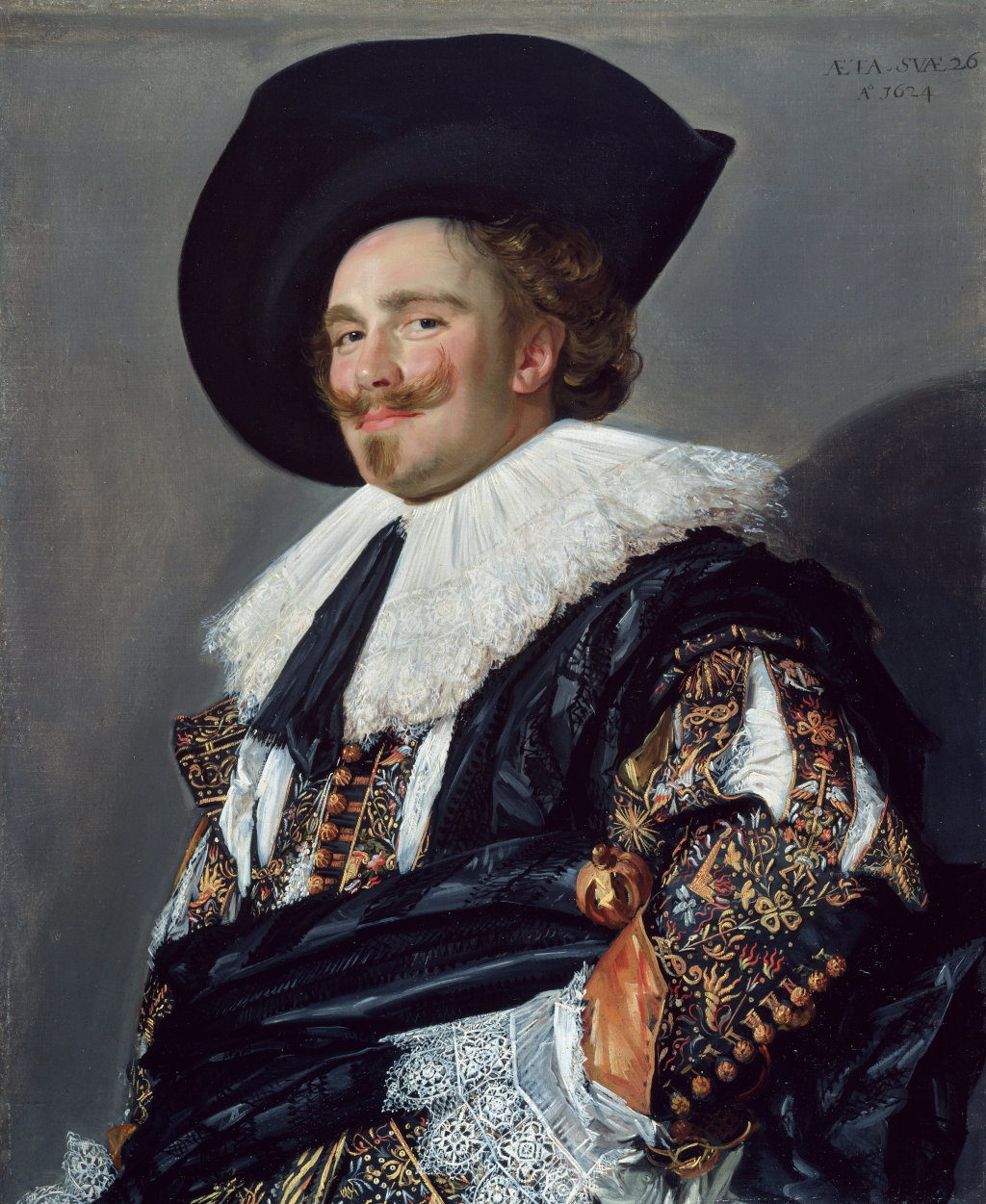
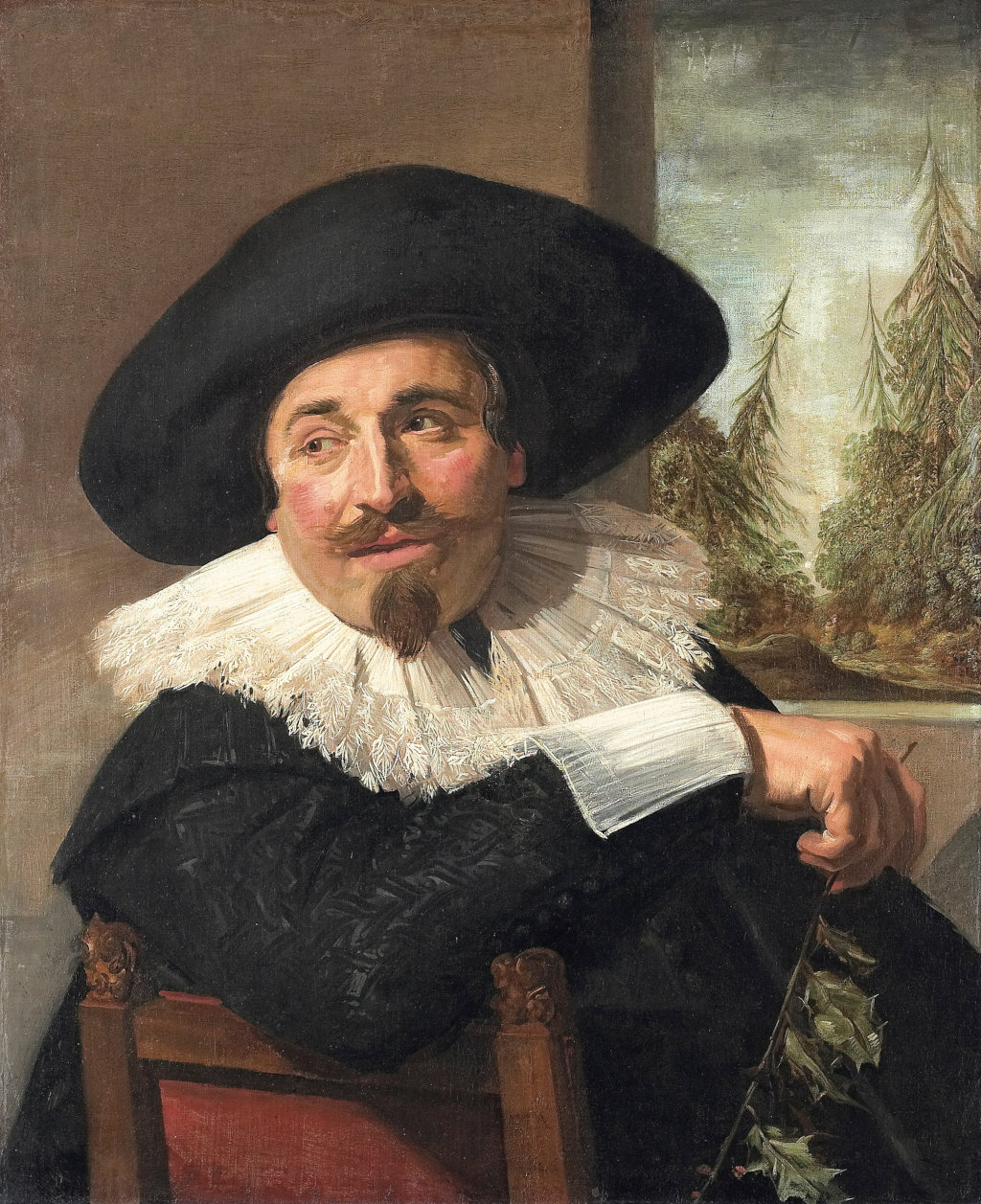
In works such as The Laughing Cavalier, Portrait of Willem Heythuijsen and Portrait of Isaak Abrahamsz. Massa, Hals presents male identity through posture, expression and controlled display. Clothing and accessories matter, but they do not overwhelm the sitter's personality.
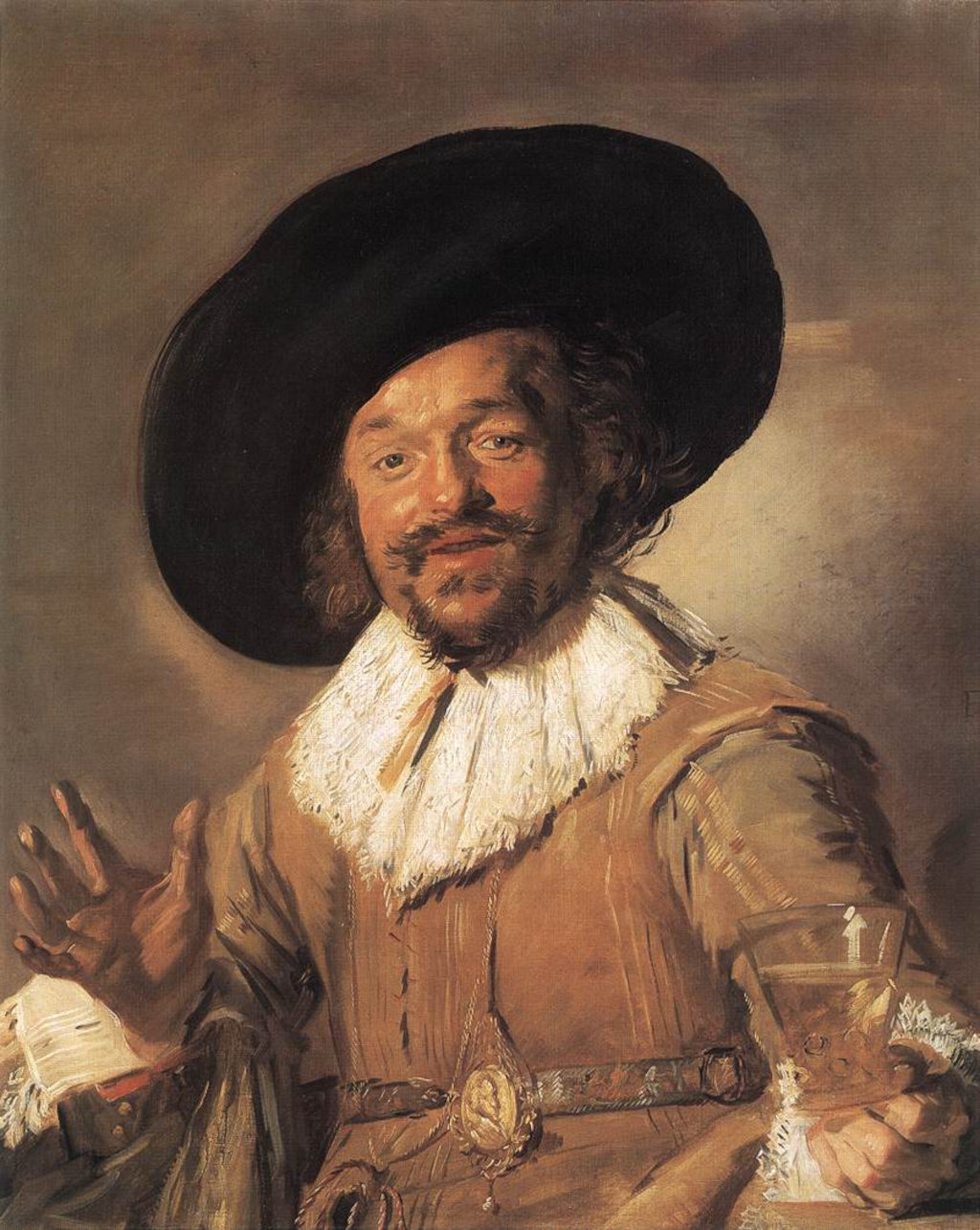
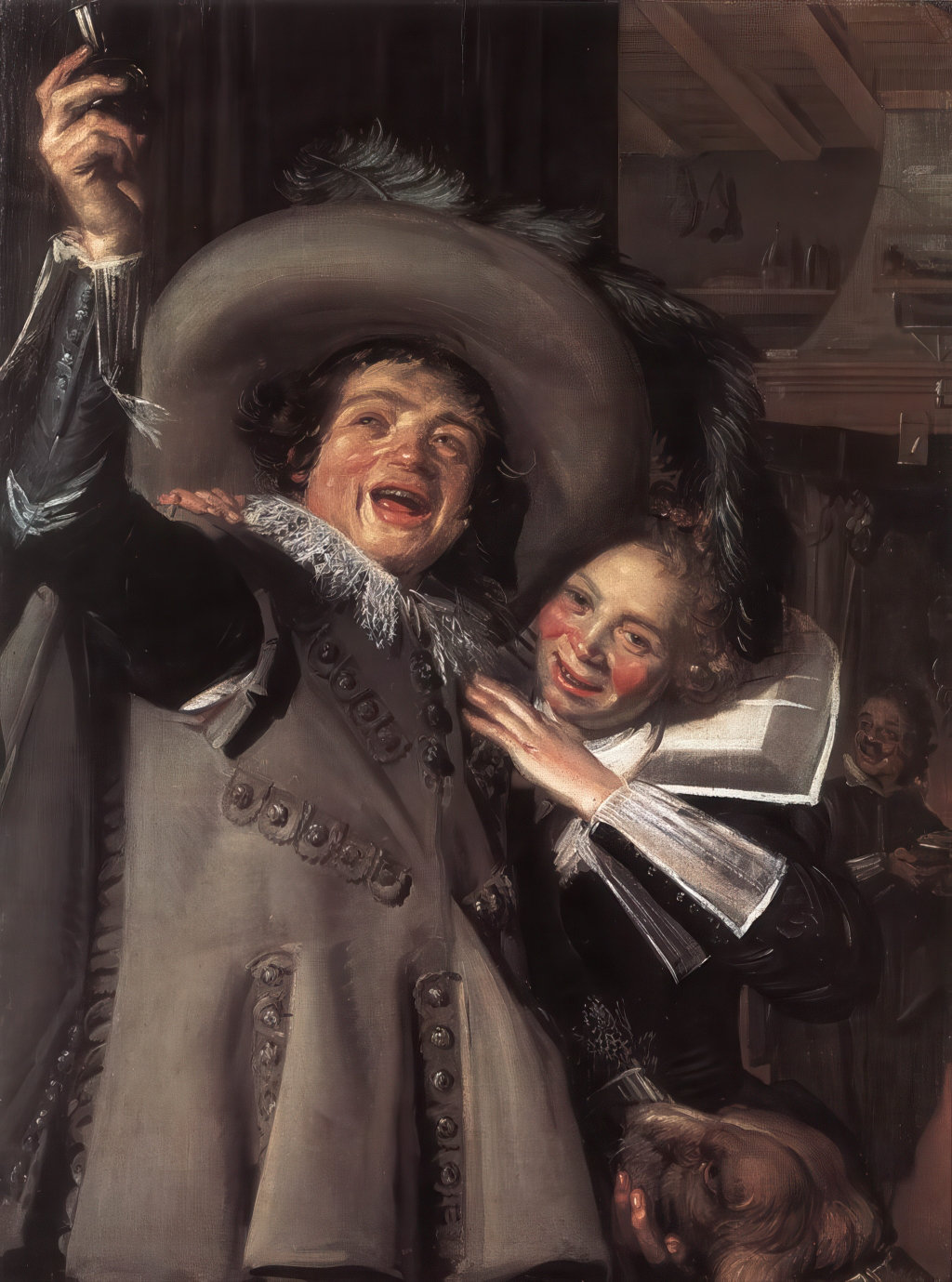
His less formal male figures allowed even greater freedom. Drinkers, musicians and comic characters reveal Hals' fascination with gesture, laughter and performance. Together, these works show that masculinity in Hals' art could mean authority, wit, sociability or theatrical self-presentation.
Key Paintings
Explore The Laughing Cavalier, Portrait of Willem Heythuijsen, Portrait of Isaak Abrahamsz. Massa and The Merry Drinker.
Female Portraits
Hals' female portraits are equally varied. Some present wealthy women with restraint and dignity, while others explore humour, sociability or expressive individuality. He avoided reducing women to decorative figures, instead giving them distinct psychological presence.
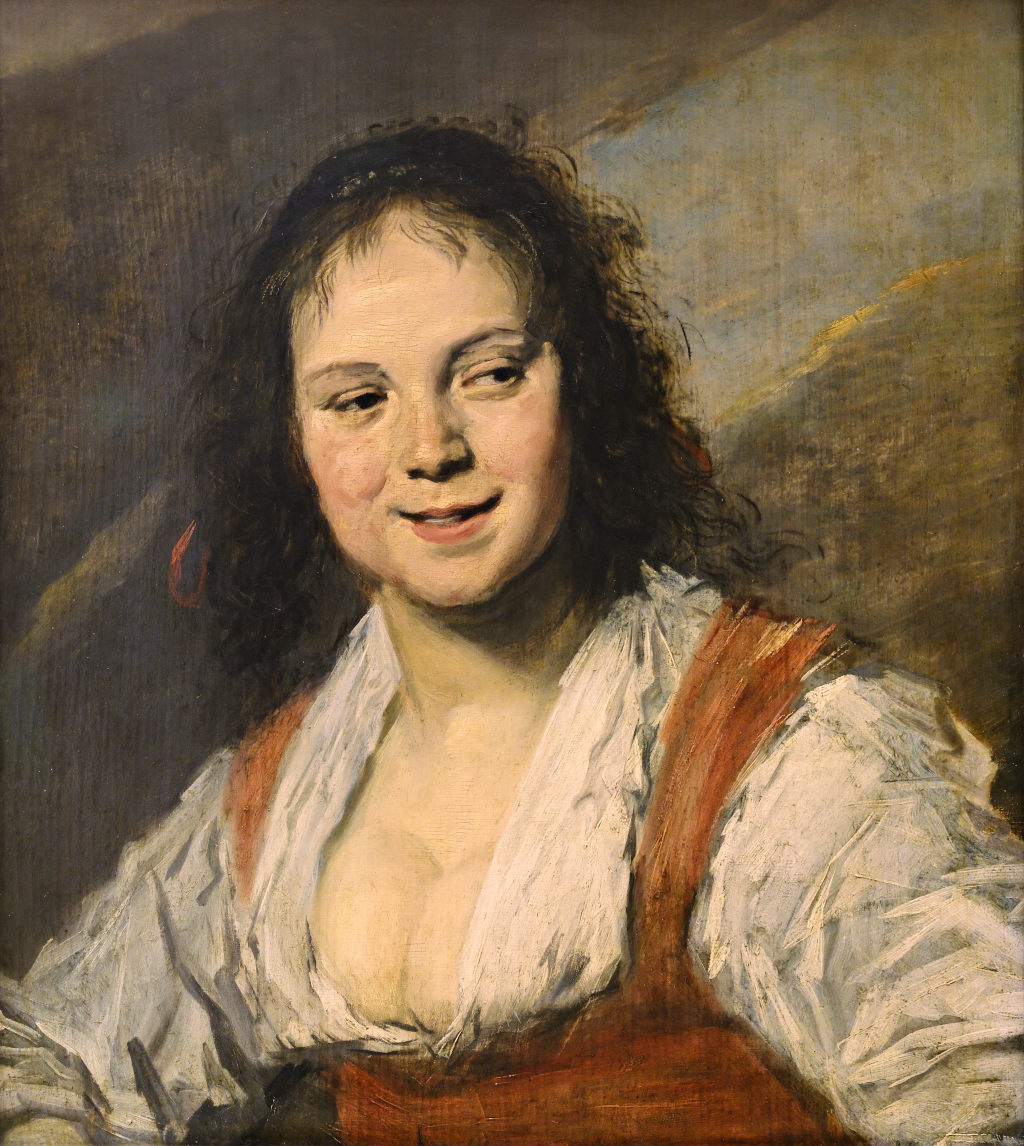
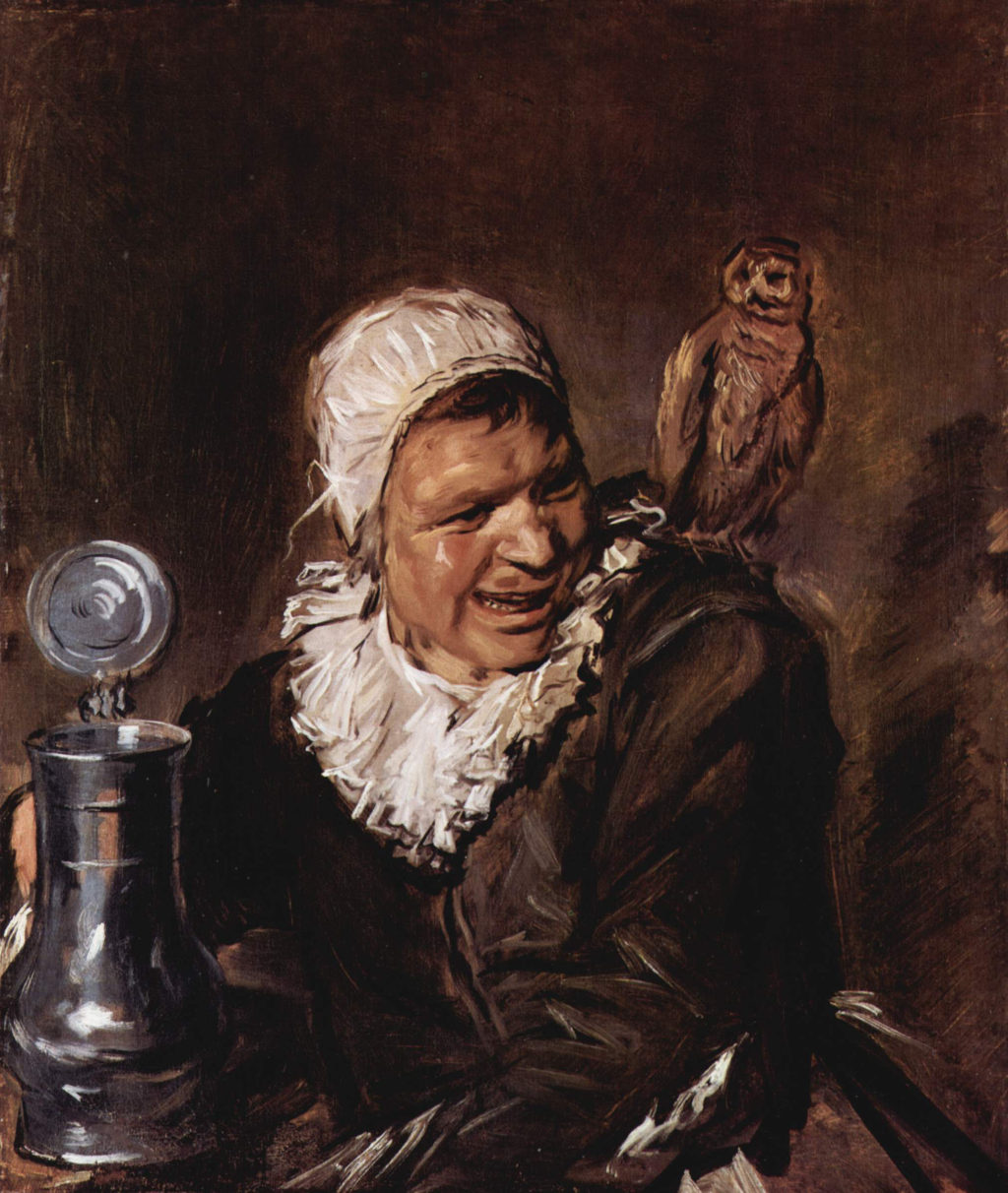
In formal portraits, Hals used black dress, white collars, caps and restrained settings to emphasise character rather than luxury. In livelier works such as Malle Babbe and The Gypsy Girl, he explored laughter, directness and social ambiguity. These paintings have often attracted attention because their sitters appear unusually animated compared with many conventional female portraits of the period.
The late Regentesses of the Old Men's Almshouse provides one of Hals' most profound images of female civic authority. The women are not idealised or softened. They are presented as experienced administrators whose expressions suggest responsibility, judgement and individuality.
Key Paintings
See Malle Babbe, The Gypsy Girl, The Regentesses of the Old Men's Almshouse and Isaak Massa and Beatrix van der Laen.
Merchant Portraits
The prosperity of the Dutch Republic created a wealthy merchant class eager to commission portraits that reflected success, integrity and civic responsibility. Frans Hals became one of the leading interpreters of this new urban elite. His merchant portraits celebrate achievement without the aristocratic grandeur associated with royal courts, instead emphasising confidence, intelligence and personal character.
Expensive black clothing, lace collars, gloves and fashionable hats signalled prosperity, but Hals rarely allowed costume to dominate the image. His merchants appear approachable and alert, projecting the values of commerce, education and public service that underpinned Haarlem's economic success.
Key Paintings
See Portrait of Willem Heythuijsen, Portrait of Isaak Abrahamsz. Massa and The Laughing Cavalier.
Marriage Portraits
Frans Hals helped redefine the Dutch marriage portrait by portraying husbands and wives as companions rather than simply members of powerful families. Instead of rigid symmetry, he often introduced relaxed poses, shared glances and natural gestures that suggest genuine affection and conversation.
His masterpiece Isaak Massa and Beatrix van der Laen remains one of the finest marriage portraits of the seventeenth century. The couple sit informally beneath a tree, creating an image of companionship that feels strikingly modern while still celebrating social status and prosperity.
Key Painting
Family Portraits
Family portraits offered Hals an opportunity to explore relationships as well as individual likenesses. Rather than arranging figures mechanically, he created lively groups connected through eye contact, gesture and subtle body language. Parents and children appear to share the same space naturally, producing scenes that feel remarkably informal for the seventeenth century.
These paintings also document changing ideas about domestic life in the Dutch Republic. Prosperity increasingly centred on the household, and Hals' family portraits celebrate affection, continuity and shared identity alongside social success.
Looking Closely
Notice how Hals links family members through glances and gestures rather than relying solely on physical proximity. These subtle interactions create convincing emotional relationships.
Children's Portraits
Although fewer in number than his adult commissions, Frans Hals' portraits of children are among the most engaging images of childhood produced during the Dutch Golden Age. Rather than depicting children as miniature adults, he often captured curiosity, playfulness and spontaneity through relaxed poses and lively expressions.
These works reveal changing attitudes towards family life in the Dutch Republic. Childhood was increasingly recognised as a distinct stage of life, and Hals responded by portraying young sitters with warmth and individuality rather than rigid ceremony.
Looking Closely
Compare the body language of Hals' children with that of his adult sitters. The relaxed poses and alert expressions create an immediacy rarely found in earlier portraiture.
Tronies and Character Studies
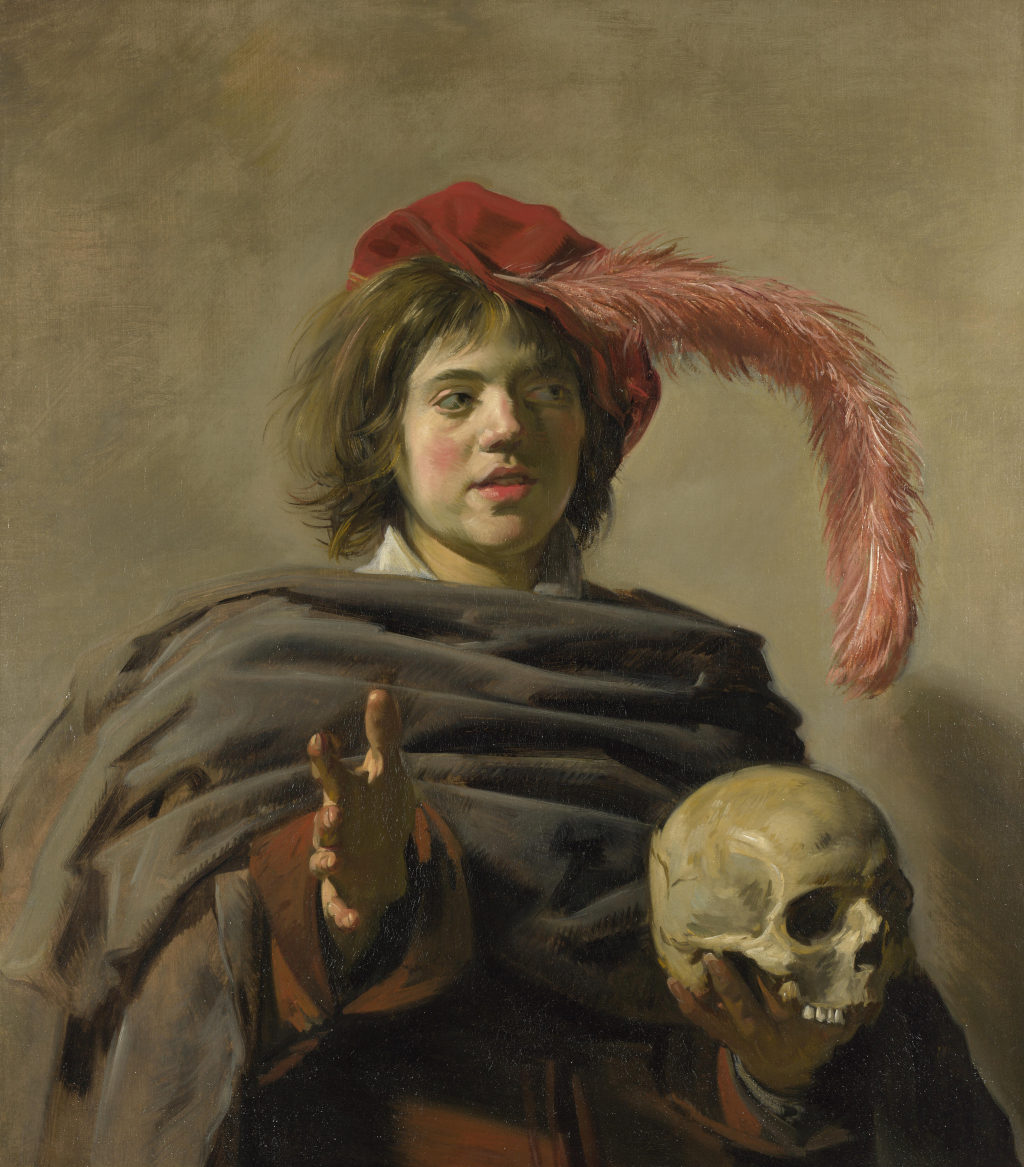
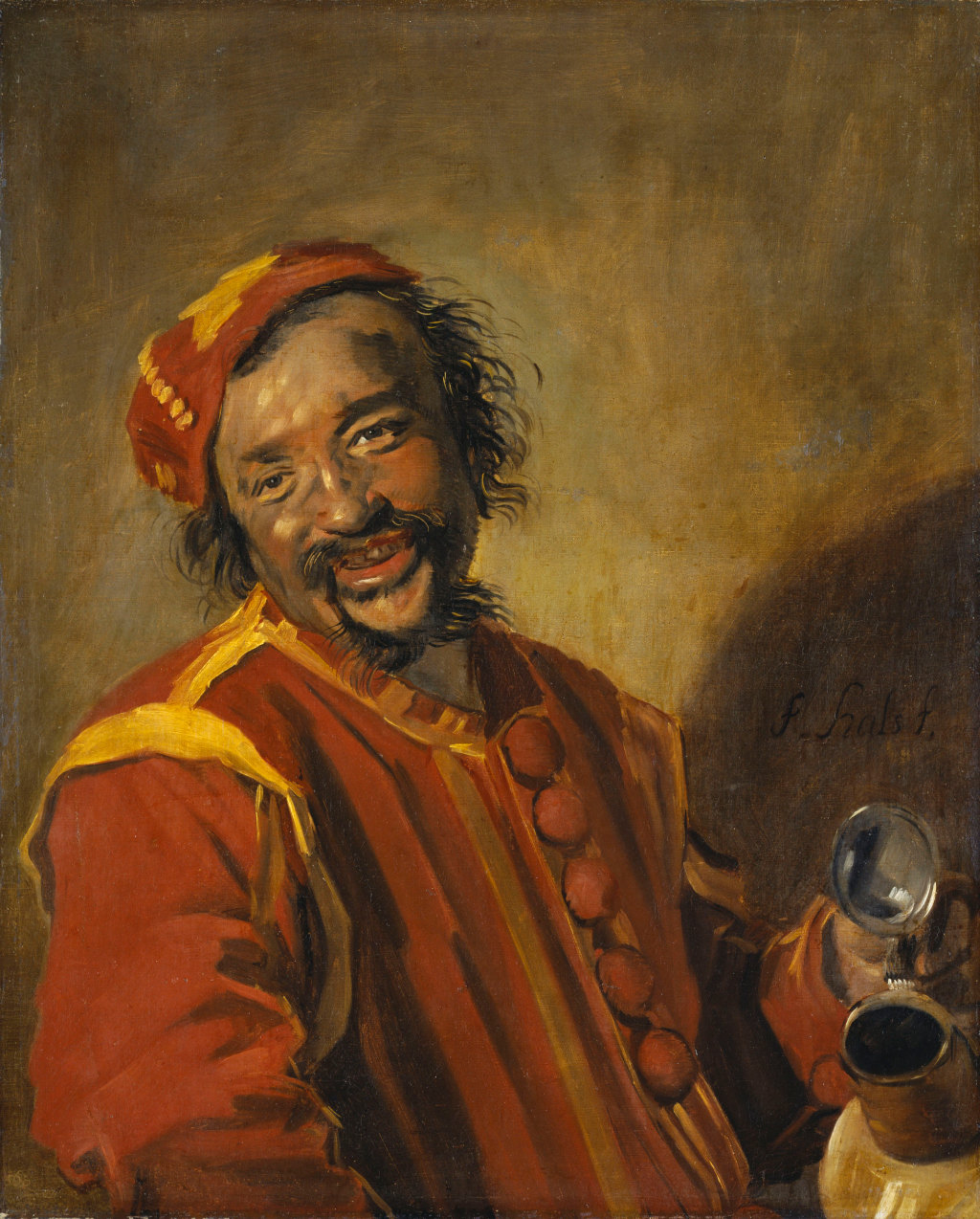
Not every portrait by Hals represents a named individual. He also painted expressive character studies, known as tronies, which explored facial expression, costume and personality without functioning as formal commissions. These works allowed him greater artistic freedom and remain among his most experimental paintings.
Figures such as Malle Babbe, The Merry Drinker and Peeckelhaering blur the boundaries between portrait, genre painting and theatrical performance. Their appeal lies less in personal identity than in the vivid humanity Hals brings to each character.
Key Paintings
Explore Malle Babbe, The Merry Drinker and Peeckelhaering.
Civic Guard Portraits
Hals' great civic guard portraits rank among the masterpieces of seventeenth-century group portraiture. Commissioned by Haarlem's militia companies, these monumental works celebrate civic service while also functioning as individual portraits of each officer. Hals avoided static rows of figures, instead creating dynamic scenes filled with conversation, movement and interaction.
The resulting paintings document the political and social culture of the Dutch Republic while demonstrating Hals' remarkable ability to balance dozens of distinct personalities within a single composition.
Key Paintings
See The Banquet of the Officers of the St George Militia Company and The Banquet of the Officers of the St Adrian Militia Company.
Regents and Regentesses
Among Frans Hals' final masterpieces are his portraits of the governors and governesses of Haarlem's charitable institutions. These paintings replace the exuberance of his youthful works with a profound sense of responsibility, experience and moral authority. The sitters are presented not simply as wealthy citizens but as individuals entrusted with the welfare of others.
The restrained palette, sober dress and penetrating expressions reflect the values of service and civic duty that underpinned Dutch urban society. Rather than idealising old age, Hals conveys dignity through observation, allowing every face to retain its individuality.
These late portraits also demonstrate the extraordinary confidence of Hals' mature technique. Broad brushstrokes, subtle tonal variation and economical handling of detail create images of remarkable psychological depth.
Key Paintings
Explore The Regents of the Old Men's Almshouse and The Regentesses of the Old Men's Almshouse.
Why Hals' Portraits Still Matter
Frans Hals transformed portraiture by placing humanity at its centre. Whether painting merchants, children, married couples, civic officers or comic characters, he consistently sought the moment when personality became visible through expression, gesture and eye contact. His portraits feel less like static records than encounters with living people.
Later artists including Édouard Manet, John Singer Sargent and Vincent van Gogh admired Hals because his portraits demonstrated that technical freedom could strengthen rather than weaken realism. Today they continue to inspire painters, historians and museum visitors alike, offering one of the most vivid visual records of life during the Dutch Golden Age.
Frequently Asked Questions
References
- Christopher D. M. Atkins, Frans Hals, Reaktion Books, 2012.
- Seymour Slive, Frans Hals, 3 vols., Phaidon, 1970–1974.
- Claus Grimm, Frans Hals: The Complete Work, Harry N. Abrams, 1990.
- Norbert Middelkoop & Antoon Erftemeijer (eds.), Frans Hals: Eye to Eye with Rembrandt, Rubens and Titian, nai010 publishers, 2013.
- Friso Lammertse et al., Frans Hals, National Gallery / Rijksmuseum / Gemäldegalerie, 2023.
- Frans Hals Museum Collection Catalogue.
- RKD – Netherlands Institute for Art History.
- Rijksmuseum collection records.
- National Gallery, London, Frans Hals exhibition catalogue, 2023.