 by Tom Gurney
Tom Gurney BSc (Hons) is an art history expert with over 20 years experience
Published on June 29, 2026 / Updated on June 29, 2026
Email: tomgurney1@gmail.com / Phone: +44 7429 011000
Malle Babbe: Frans Hals' Most Extraordinary Character Study
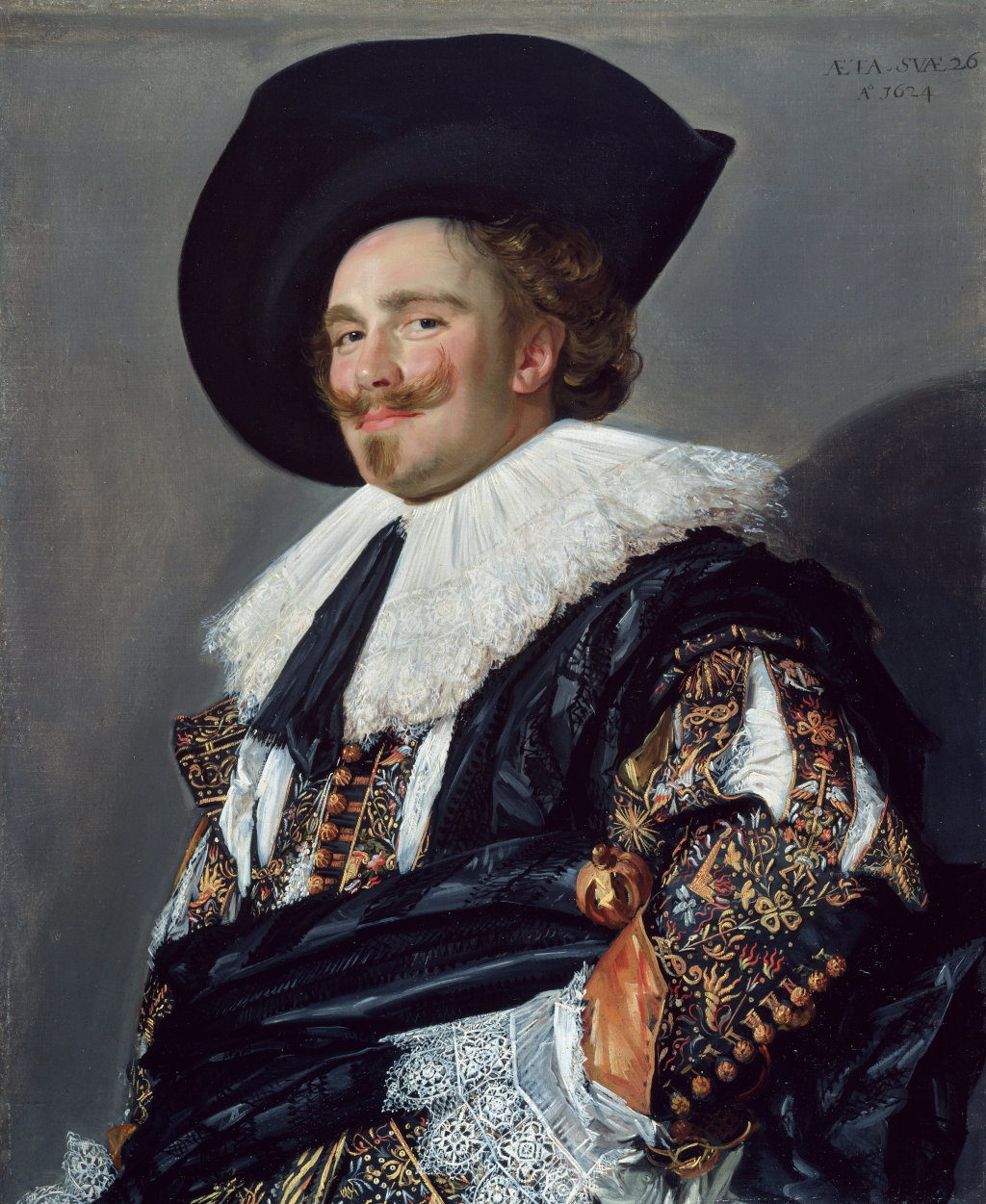
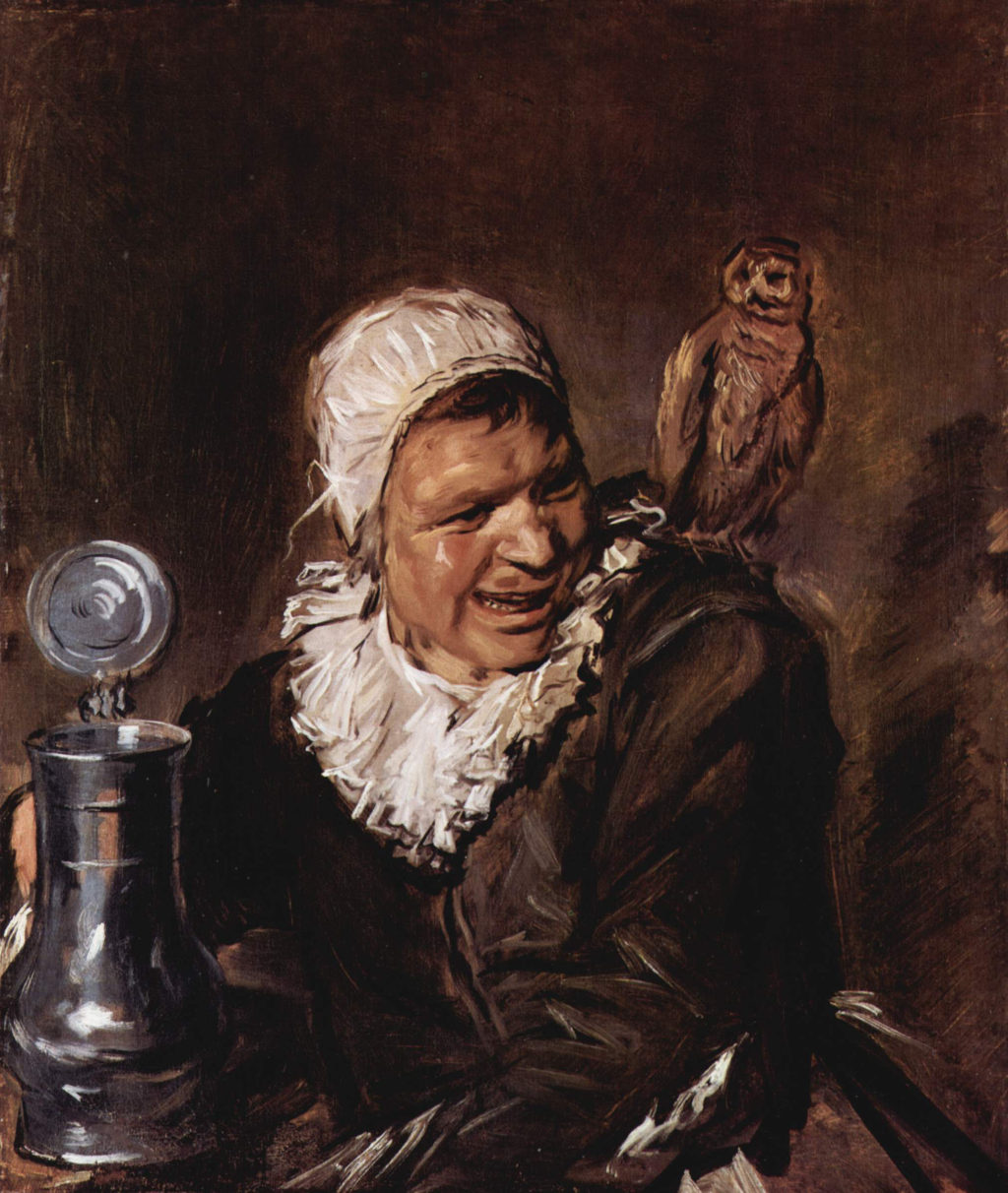
Few paintings by Frans Hals provoke such an immediate reaction as Malle Babbe. Unlike the elegant confidence of The Laughing Cavalier, this remarkable image confronts us with laughter that appears uncontrolled, untidy and almost unsettling. The woman leans forward, gripping an enormous beer tankard while an owl perches on her shoulder, her mouth open in an infectious burst of amusement.
The painting is extraordinary because it refuses to fit comfortably into a single category. It is sometimes described as a portrait, sometimes as a genre painting, and sometimes as something between the two. Unlike Hals' wealthy merchants and civic guards, the subject appears to belong to the margins of seventeenth-century Dutch society. Rather than presenting status or refinement, Hals celebrates personality itself.
At first glance the work appears comic. Babbe laughs loudly while the owl seems to participate in the commotion, creating one of the most memorable pairings in Dutch painting. Yet beneath this apparent comedy lies a more complex image. Historians continue to debate whether the painting represents a real individual known locally in Haarlem, a theatrical character, or a symbolic figure whose behaviour would have carried particular meanings for seventeenth-century audiences.
The painting is equally important from an artistic perspective. Here Hals demonstrates perhaps more clearly than anywhere else why later painters admired him so deeply. Broad, confident brushstrokes create extraordinary vitality without sacrificing psychological presence. What appears almost unfinished close to the canvas resolves into a convincing human figure when viewed from a natural distance.
Today, Malle Babbe occupies a unique position within Hals' oeuvre. It is neither a formal commission nor an idealised portrait. Instead, it demonstrates the artist's fascination with expressive faces, unconventional personalities and the endless variety of human behaviour.
This article explores the painting from multiple perspectives: the identity of Malle Babbe, the historical evidence surrounding her life, the symbolism of the owl, Hals' brushwork, the painting's later influence and the reasons why this unforgettable image continues to fascinate modern audiences.
- Artist Frans Hals (c.1582/3–1666)
- Title Malle Babbe
- Date c.1633–1635
- Medium Oil on canvas
- Current Location Gemäldegalerie, Berlin
- Movement Dutch Golden Age
- Subject Woman traditionally identified as Malle Babbe
- Known For Laughing sitter, owl, tankard and expressive brushwork
- Main Themes Character, humour, marginality, individuality and social history
- Why It Matters One of the greatest character studies in European painting.
Contents
- Historical Background
- Looking at Malle Babbe
- Who Was Malle Babbe?
- How Frans Hals Created the Illusion of Life
- The Owl and its Meaning
- Legacy and Influence
- The Journey of the Painting
- Where is Malle Babbe Today?
- Timeline
- Interesting Facts
- Explore More Paintings by Frans Hals
- FAQs
- Further Reading
- References
Historical Background
By the early 1630s, Frans Hals had established himself as Haarlem's foremost portrait painter. Wealthy merchants, civic officers and prosperous families sought his services, appreciating his remarkable ability to capture personality rather than merely physical likeness. Yet alongside these prestigious commissions, Hals occasionally turned his attention towards figures who occupied a very different position within society.
The Dutch Republic was prosperous, but it was also sharply aware of poverty, illness, ageing and social marginalisation. Towns such as Haarlem maintained charitable institutions, hospitals and houses of correction that dealt with people unable or unwilling to conform to civic norms. Local characters could become familiar figures within urban communities, recognised by generations of residents and sometimes remembered through colourful nicknames.
It is within this world that the historical figure known as Malle Babbe appears. Archival records point to a woman named Barbara Claes, who lived in Haarlem during the early seventeenth century and was associated with the city's House of Correction. She was popularly known as "Malle Babbe", meaning something like "Mad Babbe" or "Crazy Barbara". Whether this woman is certainly the sitter painted by Hals remains debated, but the connection has shaped interpretation of the painting for generations.
Understanding this background matters because the painting originally addressed a local world. Viewers in Haarlem may have recognised the figure or understood the nickname. Modern audiences encounter the painting differently, often through contemporary discussions of mental health, disability, representation and dignity. The painting's power lies partly in the way it continues to invite new questions without losing its original energy.
Looking at Malle Babbe
Unlike many seventeenth-century portraits, Malle Babbe does not invite quiet contemplation before gradually revealing its character. It makes an immediate impact. The woman bursts into view with an energy that feels almost impossible to contain. Her head tilts forward, her mouth opens in laughter, and her eyes appear alive with movement.
Hals places the sitter close to the picture plane, cropping the figure tightly so that her face, shoulders and tankard dominate the canvas. There is almost no surrounding environment. The dark background functions like a stage, isolating Babbe and allowing every movement of her face and hands to command attention.
The enormous pewter tankard in her right hand suggests conviviality, drinking and tavern culture. Whether Babbe is genuinely drinking or whether the vessel functions primarily as a symbol, it reinforces the atmosphere of exuberance that defines the painting.
Then there is the owl. Perched confidently upon her shoulder, the bird appears almost as animated as its companion. Its bright eyes and alert posture create a strange dialogue with Babbe's expression. Hals paints neither figure as subordinate to the other. Woman and bird form a single expressive unit.
The longer one studies the painting, the more remarkable its balance becomes. Chaos is carefully controlled. The dark clothing anchors the composition, the white cap draws attention towards the face, and the tankard counterbalances the owl. The result feels spontaneous, yet every component contributes to the overwhelming impression of vitality.
Looking Closely: The First Impression
Stand several metres away and notice what captures your attention first. Most viewers focus on Babbe's laughter before recognising the owl or tankard. Hals understood that human expression would dominate perception, and he built the entire composition around that fact.
Who Was Malle Babbe?
Few figures in Dutch Golden Age painting have inspired so much speculation while remaining so elusive. The nickname "Malle Babbe" translates loosely as "Mad Babbe" or "Crazy Barbara", but beyond this title surprisingly little can be established with certainty. Unlike Hals' wealthy patrons, Babbe left behind no commissioned family portraits, detailed inventories or personal correspondence.
The strongest documentary candidate is Barbara Claes, a woman who appears in seventeenth-century Haarlem records connected with the House of Correction. Contemporary documents suggest that she suffered from mental illness or was considered socially disruptive, circumstances that gave rise to the nickname by which she became known locally.
Yet plausibility is not proof. No surviving document states that Barbara Claes posed for Hals, nor does any contemporary source identify the Berlin painting as her portrait. The connection rests upon local tradition, documentary evidence and the unusual character of the image. Most scholars therefore treat the identification as probable or plausible rather than certain.
This distinction matters. If the sitter is Barbara Claes, the painting preserves the likeness of a woman who lived on the margins of Dutch society. If the figure is instead an imaginative character based on local stories or theatrical types, the painting becomes an exploration of expression and social identity rather than a strict portrait. Both readings reveal Hals' fascination with the expressive possibilities of the human face.
Modern audiences inevitably bring different assumptions to Malle Babbe than Hals' original viewers. During the seventeenth century, eccentric local personalities often appeared in popular imagery as comic or moralising figures. Today, historians and curators are more likely to emphasise dignity, disability, mental health and the ethics of representation. Hals' painting remains powerful because it can sustain both historical and modern questions.
Looking Closely: Laughter or Conversation?
Look only at Babbe's mouth and eyes. Is she laughing, speaking, shouting, or reacting to someone outside the frame? Hals leaves the emotional narrative open enough for the viewer to complete.
How Frans Hals Created the Illusion of Life
Although Malle Babbe appears spontaneous, almost impulsive, nothing about the painting is accidental. Hals constructs the illusion of a living encounter through composition, gesture, colour and brushwork. Every decision encourages us to believe that Babbe has only just entered the room, laughed at an unseen companion and paused briefly before continuing.
Composition: Organised Energy
At first glance the composition seems chaotic. Babbe leans forward, the owl twists towards the viewer and the tankard projects boldly into the foreground. Beneath this apparent disorder lies a stable design. The sitter forms a broad triangular structure, while the tankard and owl act as counterweights on opposite sides of the figure.
The cropping is equally important. Hals brings Babbe close to the viewer and removes almost every unnecessary detail. There is no landscape, no architecture and almost no surrounding space. The painting becomes an encounter between viewer and sitter, as though we have unexpectedly joined her table.
The Psychology of Expression
Perhaps the most extraordinary feature of the painting is that we instinctively believe Babbe's laughter. Hals does not need to describe every wrinkle or facial muscle. He paints only the visual cues the eye requires: open mouth, narrowing eyes, lifted cheeks and forward tilt of the head.
The head contributes strongly to the illusion. It leans forward and slightly to one side, implying movement. Human beings rarely laugh while remaining perfectly still, and Hals takes advantage of that familiar behaviour. The asymmetry makes the figure feel caught in action.
Looking Closely: The Eyes
Cover Babbe's mouth in a reproduction. Much of the laughter remains visible in the narrowed eyes, lifted cheeks and angle of the head. Hals understood that expression belongs to the whole face.
Brushwork: Suggesting Rather Than Describing
Few painters handled a brush with greater confidence than Frans Hals. From several metres away, the viewer experiences convincing skin, coarse fabric, polished pewter and soft feathers. Close up, those textures dissolve into broad, energetic strokes of paint.
Hals paints only what the eye truly requires. The white cap consists of sweeping highlights and grey shadows. The owl's feathers are suggested with swift touches of brown, black and cream. Babbe's clothing emerges from dark passages enlivened by subtle variation. Hals was painting the experience of seeing, not the inventory of detail.
This technique later fascinated nineteenth-century artists because it showed that visible brushwork could strengthen realism. Instead of concealing the process of painting, Hals allowed it to remain active on the surface.
Looking Closely: The Brushstrokes
Begin several metres away, then move closer. Babbe's face appears fully alive from a distance but breaks into confident strokes of cream, pink, brown and grey as you approach. Hals painted for the human eye, not for magnification.
Colour and Light
The palette of Malle Babbe is restrained. Deep blacks and warm browns dominate, while carefully placed whites draw attention towards the cap and face. This limited range concentrates visual energy where it matters most.
The flesh tones combine pinks, ochres and cool grey shadows to suggest living skin. Accents of red around the cheeks and nose create warmth and movement. The owl introduces browns and creams that echo tones within Babbe's clothing and face, visually linking the two figures.
The Owl as a Compositional Partner
The owl is not merely a symbol. It is essential to the structure of the painting. Without it, the composition would feel less balanced. Perched on Babbe's shoulder, the bird counteracts the visual weight of the tankard and introduces a second living presence into the scene.
The relationship between woman and owl remains ambiguous. The bird may be responding to Babbe's laughter, accompanying her, mocking her, or functioning as a visual proverb. Hals leaves the question open, which is one reason the image remains so memorable.
The Owl and its Meaning
Few elements of Malle Babbe have inspired more discussion than the owl. Modern audiences often associate owls with wisdom, but seventeenth-century Dutch viewers would have recognised a wider range of meanings. Owls appeared in proverbs, emblem books, tavern imagery and moralising prints, where they could refer to folly, drunkenness, night-life, hidden knowledge or unconventional behaviour.
The tankard makes drinking culture especially relevant. In Dutch visual culture, owls could be associated with intoxication or foolish behaviour, and their presence in tavern imagery often carried comic or moralising undertones. Yet Hals avoids turning the bird into a simple emblem of mockery. It seems companionable as well as symbolic.
The traditional title encourages viewers to read the painting through madness or eccentricity, but Hals never reduces Babbe to a medical curiosity. She dominates the canvas with extraordinary vitality. The owl adds complexity rather than certainty. It invites interpretation without solving the painting.
Looking Closely: The Owl
Look at the owl before looking at Babbe. Notice how alert and composed it appears beside her explosive energy. Then move your eyes between the two. Hals makes the owl an active participant in the painting's emotional rhythm.
Legacy and Influence
Although Malle Babbe occupies a distinctive place within Hals' career, its greatest influence belongs to later centuries. During the nineteenth century, painters increasingly admired Hals' freedom of execution and his willingness to leave visible brushwork on the surface.
For painters such as Gustave Courbet and Édouard Manet, Hals demonstrated that direct handling could strengthen realism. John Singer Sargent admired the economy of means by which Hals could suggest form, expression and fabric with decisive strokes. Vincent van Gogh also praised Hals' handling of colour, flesh and brushwork in his letters, recognising in him a painter of exceptional vitality.
Today, Malle Babbe remains one of Hals' defining images because it shows portraiture at its most unpredictable. It does not offer elegance, decorum or status. It offers presence. Babbe feels alive because Hals allows her to be excessive, noisy, ambiguous and human.
The Journey of the Painting
Like many seventeenth-century Dutch paintings, Malle Babbe disappears from the historical record for long periods. Hals probably painted it in Haarlem during the early 1630s as an independent character study rather than as a formal commissioned portrait. Works of this type were less likely than family portraits to preserve continuous ownership histories.
The absence of complete documentation is not unusual. Dutch paintings often passed through private collections, inheritance and sale without attracting detailed records. By the nineteenth century, when Hals' reputation revived, Malle Babbe came to be recognised not simply as a curious genre scene but as a masterpiece of observation and technical confidence.
The painting eventually entered the collections of Berlin's Gemäldegalerie, where it now appears among major works of Northern European painting. In that context, it remains unforgettable precisely because of its unconventional subject and extraordinary energy.
Where is Malle Babbe Today?
Malle Babbe is housed in the Gemäldegalerie in Berlin, one of the world's leading collections of European painting from the thirteenth to the eighteenth centuries. The museum's strength in Netherlandish and German art makes it an ideal setting for Hals' work.
Seeing the original reveals qualities that reproductions struggle to communicate. The painting should first be viewed from several metres away, where the illusion of life fully emerges. Only then should the viewer move closer and watch the image dissolve into vigorous brushwork.
Looking Closely: The Tankard
Before studying Babbe's face, look at the pewter tankard. Hals describes polished metal with few highlights and shadows, while using the object to balance the owl on the opposite side of the composition.
Timeline
- c.1582/3 — Frans Hals is born in Antwerp before moving with his family to Haarlem.
- 1610 — Hals joins the Haarlem Guild of Saint Luke as an independent master.
- c.1633–1635 — Hals paints Malle Babbe, probably in Haarlem, during the mature phase of his career.
- 1630s — Barbara Claes, traditionally associated with Malle Babbe, is recorded in Haarlem civic documents.
- 1666 — Frans Hals dies in Haarlem.
- Nineteenth century — Hals' reputation is revived by artists and critics who admire his brushwork.
- Twentieth century — Malle Babbe becomes internationally recognised as one of Hals' greatest character studies.
- Today — The painting remains one of the highlights of Berlin's Gemäldegalerie.
Interesting Facts
- Malle Babbe was probably a real person. Haarlem records suggest a woman known by this nickname existed, though absolute proof that she sat for Hals is lacking.
- The owl remains ambiguous. It may refer to proverbs, drinking culture, folly, companionship or several ideas at once.
- The painting is neither a straightforward portrait nor a simple genre scene. It sits between both categories.
- Hals painted movement rather than stillness. Babbe seems caught in mid-laughter.
- Visible brushwork is central to the effect. The painting becomes most convincing at normal viewing distance.
- Van Gogh admired Hals deeply. His letters praise Hals' colour, flesh painting and handling of black.
- Modern interpretations have changed. The painting now raises important questions about mental health, dignity and representation.
Explore More Paintings by Frans Hals
- The Laughing Cavalier
- The Merry Drinker
- The Gypsy Girl
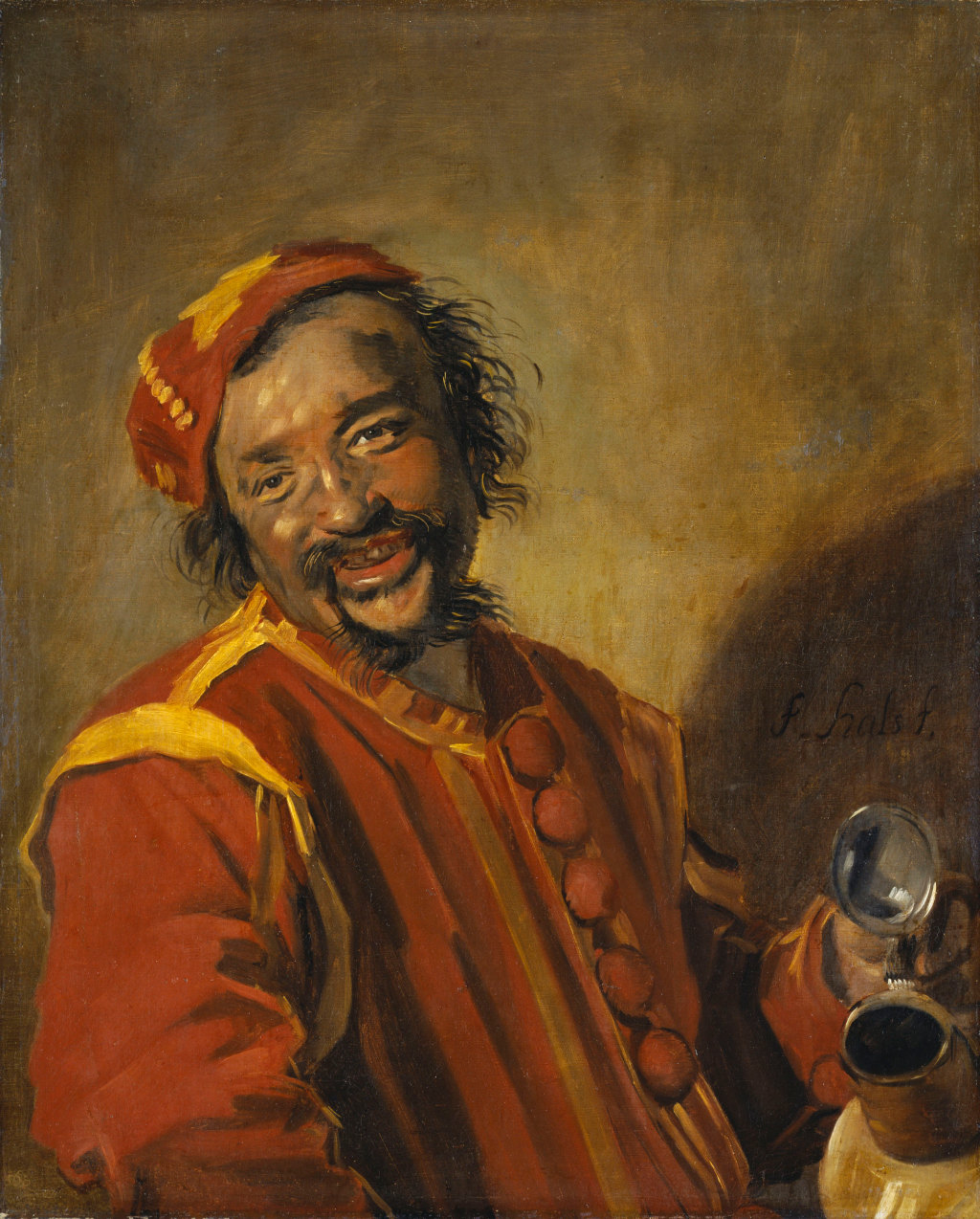
- Peeckelhaering
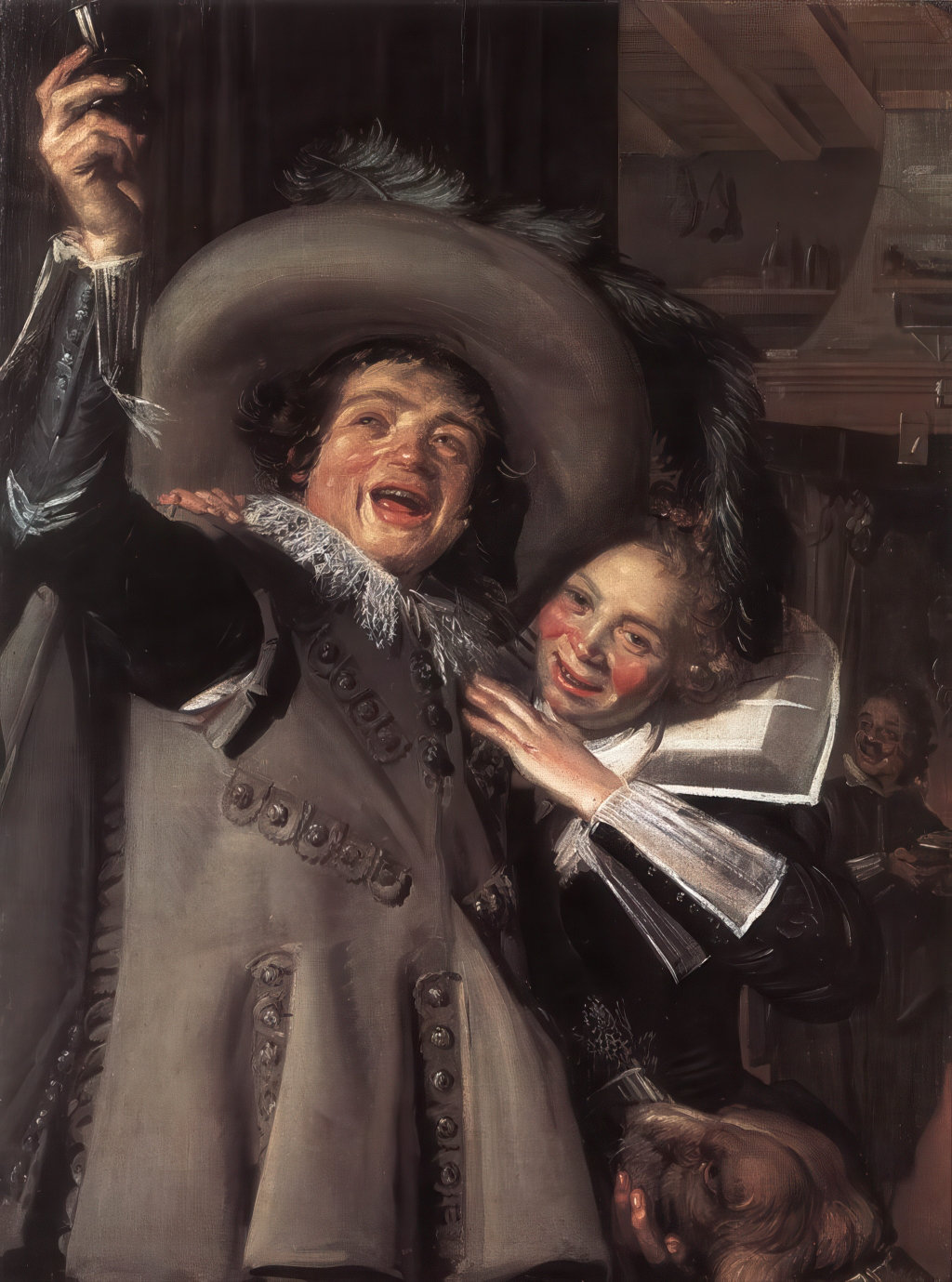
- Yonker Ramp and His Sweetheart
FAQs
Further Reading
- Seymour Slive, Frans Hals, 3 vols. London: Phaidon, 1970–1974.
- Christopher D. M. Atkins, Frans Hals. London: Reaktion Books, 2012.
- Claus Grimm, Frans Hals: The Complete Work. New York: Harry N. Abrams, 1990.
- Norbert Middelkoop and Antoon Erftemeijer, eds., Frans Hals: Eye to Eye with Rembrandt, Rubens and Titian.
- Mariët Westermann, A Worldly Art: The Dutch Republic 1585–1718. Yale University Press.
- Walter Liedtke, Dutch Paintings in The Metropolitan Museum of Art. Metropolitan Museum of Art.
- Friso Lammertse, Bart Cornelis, Jaap van der Veen and Justine Rinnooy Kan, Frans Hals. National Gallery Global, 2023.
References
- Gemäldegalerie, Staatliche Museen zu Berlin, collection information for Malle Babbe.
- RKD – Netherlands Institute for Art History, research entries relating to Frans Hals, Malle Babbe and Barbara Claes.
- Seymour Slive, Frans Hals, 3 vols. London: Phaidon, 1970–1974.
- Christopher D. M. Atkins, Frans Hals. London: Reaktion Books, 2012.
- Claus Grimm, Frans Hals: The Complete Work. New York: Harry N. Abrams, 1990.
- Vincent van Gogh, The Letters. Van Gogh Museum / Huygens ING.
- Mariët Westermann, A Worldly Art: The Dutch Republic 1585–1718. Yale University Press.
- Walter Liedtke, Dutch Paintings in The Metropolitan Museum of Art. Metropolitan Museum of Art.