 by Tom Gurney
Tom Gurney BSc (Hons) is an art history expert with over 20 years experience
Published on June 29, 2026 / Updated on June 29, 2026
Email: tomgurney1@gmail.com / Phone: +44 7429 011000
A Merchant, Diplomat and One of Frans Hals' Most Fascinating Sitters
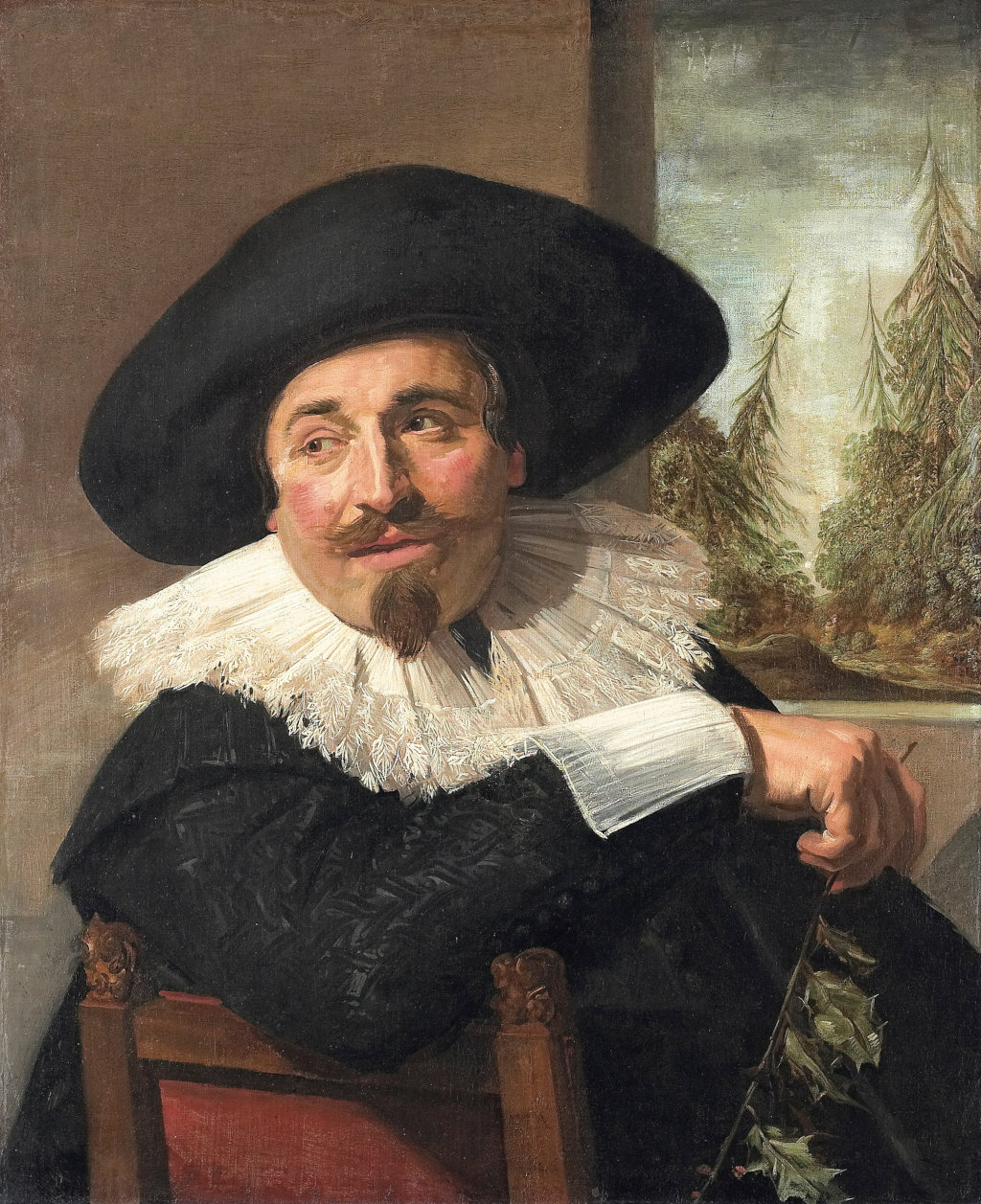
Few of Frans Hals' portrait sitters led lives as remarkable as Isaak Abrahamsz. Massa. Merchant, diplomat, traveller and historian, Massa moved comfortably between the commercial world of the Dutch Republic and the turbulent politics of early seventeenth-century Russia. His experiences abroad, intellectual curiosity and influential social connections made him one of the most cosmopolitan figures of the Dutch Golden Age, and Hals' portrait captures a man whose achievements extended far beyond business alone.
Painted during one of the most productive phases of Hals' career, the portrait demonstrates the artist's growing confidence in presenting successful individuals with an air of natural ease rather than rigid formality. Instead of emphasising wealth through elaborate display, Hals focuses on personality. Isaak appears self-assured, thoughtful and approachable, qualities that reflect both his social standing and his reputation as an intelligent observer of the wider world.
The portrait also reveals the increasingly international character of Dutch society during the seventeenth century. Merchants such as Massa travelled across Europe and beyond, carrying not only goods but also ideas, information and diplomatic contacts. Their success helped transform the Dutch Republic into one of the world's leading commercial powers, while their experiences broadened the cultural horizons of cities such as Haarlem and Amsterdam.
For modern viewers, the painting provides a compelling introduction to a figure whose life intersects trade, politics, geography and scholarship. Hals succeeds in presenting not merely a prosperous merchant but an individual whose curiosity and intelligence seem almost tangible. The result is one of the artist's most psychologically engaging portraits.
Today, Portrait of Isaak Abrahamsz. Massa stands as an important document of the Dutch Golden Age, illustrating both Hals' remarkable portraiture and the global outlook of the merchants who helped shape the Republic's extraordinary success.
- Artist Frans Hals (c.1582/3–1666)
- Sitter Isaak Abrahamsz. Massa (1586–1643)
- Date c.1626
- Medium Oil on canvas
- Main Themes Trade, diplomacy, scholarship and portraiture
- Why It Matters A portrait of one of the Dutch Republic's most internationally connected merchants and one of Frans Hals' most distinguished sitters.
Contents
- Historical Background
- Looking at the Painting
- Meaning and Symbolism
- Composition and Technique
- Legacy & Why It Still Matters
- Related Paintings
- Timeline
- Interesting Facts
- FAQs
- References
Historical Background
Isaak Abrahamsz. Massa was born into a prosperous merchant family in Haarlem during the final decades of the sixteenth century. His early life coincided with the rapid rise of the Dutch Republic as a commercial and maritime power, offering ambitious merchants unprecedented opportunities to build international trading networks. Massa quickly distinguished himself not only through business ability but also through intellectual curiosity and an unusual willingness to travel far beyond the familiar markets of Western Europe.
Around the beginning of the seventeenth century he travelled to Russia, arriving during the dramatic period known as the Time of Troubles. Political instability, famine and competing claims to the Russian throne created exceptionally difficult conditions for foreign merchants, yet Massa remained in the country long enough to gain first-hand knowledge of its society and politics. These experiences later formed the basis of valuable written accounts that established his reputation as one of Western Europe's leading authorities on contemporary Russia.
After returning to the Dutch Republic, Massa continued to combine commercial success with scholarly interests and diplomatic activity. His knowledge of Russia proved valuable to Dutch political leaders seeking to strengthen commercial and diplomatic relations with the region. At the same time, he cultivated friendships with artists, intellectuals and fellow merchants, moving within the highly educated circles that characterised the Dutch Golden Age.
It was within this environment that Frans Hals painted him. Whether the two men knew one another personally beyond the commission cannot be established with certainty, yet Hals' portrait conveys an unusual sense of familiarity and ease. Rather than presenting Massa as a distant public figure, the artist captures the impression of an intelligent individual entirely comfortable in his own achievements.
Looking at the Painting
At first glance, the portrait appears understated. Isaak Massa is presented without the elaborate theatrical gestures or lavish display associated with many aristocratic portraits of the period. Yet this apparent simplicity is one of Frans Hals' greatest achievements. Rather than overwhelming the viewer with symbols of wealth, Hals concentrates on the sitter's face, posture and expression, allowing personality to emerge naturally.
Massa meets the viewer with calm confidence. His expression is thoughtful but approachable, suggesting someone accustomed to weighing information and making careful decisions. Hals avoids the rigid solemnity often expected in formal portraiture, instead creating the impression of a conversation that has only briefly paused. The sitter appears fully engaged with the world around him rather than frozen within an artificial pose.
The restrained elegance of Massa's clothing reinforces this impression. His garments reflect the prosperity expected of a successful Dutch merchant, yet they stop well short of ostentation. Such moderation was admired within many prosperous circles of the Dutch Republic, where commercial success was often balanced by ideals of restraint, diligence and practical judgement. Hals captures these qualities without reducing the sitter to a simple symbol of mercantile success.
Looking Closely: Confidence Without Display
Notice how little Hals relies on expensive objects or elaborate surroundings. The portrait's authority comes almost entirely from Isaak Massa himself. His expression and posture communicate intelligence and self-assurance more effectively than any display of wealth could achieve.
Meaning and Symbolism
Although this is fundamentally a portrait of an identifiable individual, it also reflects broader ideals that shaped the Dutch Republic during the early seventeenth century. Massa embodies the successful merchant whose influence depended not upon inherited noble status but upon knowledge, enterprise and international experience. Hals subtly communicates these qualities through the sitter's composed manner rather than through overt symbolic attributes.
A Citizen of an International Republic
Few Dutch merchants possessed Massa's first-hand knowledge of Russia during the Time of Troubles. His journeys exposed him to political upheaval, unfamiliar cultures and long-distance trade at a time when such experiences were exceptional. On returning home he became an important intermediary between different worlds, combining practical commercial expertise with careful observation and written scholarship. Hals' portrait therefore represents an individual whose identity extended far beyond the local community.
Rather than illustrating travel directly, the painting conveys its effects through character. Massa appears observant, composed and intellectually curious—qualities that contemporary acquaintances also associated with his writings and diplomatic activities. Hals suggests experience without needing maps, ships or exotic objects to explain it.
Friendship and Humanism
Massa belonged to a generation of educated merchants who valued learning alongside commercial success. The Dutch Republic encouraged close relationships between artists, scholars, mapmakers, merchants and scientists, creating an unusually dynamic intellectual environment. Portraits commissioned within these circles often emphasised conversation, reflection and individual character rather than aristocratic grandeur.
This atmosphere may help explain the portrait's unusual informality. Hals seems less interested in recording rank than in conveying the qualities that made Massa respected among his contemporaries. Intelligence, curiosity and reliability become the painting's principal themes, expressed through subtle observation rather than symbolic complexity.
Composition and Technique
The portrait demonstrates Frans Hals' growing confidence as a painter of psychological character. The composition is carefully balanced, directing the viewer's attention immediately towards the sitter's face before allowing the eye to explore the quieter rhythms created by the costume and pose. Every element supports the impression of calm authority without becoming overly theatrical.
Hals' brushwork is already moving towards the freedom that later generations would admire so greatly. Fabrics are suggested through confident, economical strokes rather than painstaking finish, while delicate shifts in colour bring warmth and vitality to the sitter's face. The painting rewards viewing from different distances: close inspection reveals energetic brushwork, while stepping back allows the individual marks to merge into a remarkably lifelike presence.
Light plays an equally important role. Soft illumination models Massa's features without dramatic contrast, creating an atmosphere of quiet clarity appropriate to the sitter's measured personality. Hals avoids unnecessary visual distractions, ensuring that expression remains the central focus throughout the composition.
Perhaps the portrait's greatest achievement is its sense of psychological immediacy. Rather than depicting a remote historical figure, Hals creates the impression of meeting an intelligent contemporary. Four centuries later, viewers still feel they are encountering a real individual whose experiences extended far beyond the frame of the painting itself.
Legacy and Why It Still Matters
Portrait of Isaak Abrahamsz. Massa stands among Frans Hals' finest portraits of the Dutch merchant elite because it succeeds on two levels simultaneously. It records the appearance of a specific historical individual while also capturing the confidence, curiosity and international outlook that characterised the Dutch Republic during its Golden Age. Hals demonstrates that portraiture could reveal personality as effectively as social position.
Massa's importance extends far beyond his role as a successful merchant. His writings on Russia remain valuable historical sources, while his diplomatic activities helped strengthen commercial and political links between the Dutch Republic and Eastern Europe. Few portrait sitters of the period left such a rich documentary legacy, allowing modern historians to compare Hals' visual interpretation with the surviving record of Massa's life and achievements.
For Hals, the portrait also represents a significant stage in the evolution of his artistic style. Instead of relying upon elaborate symbolism or grand architectural settings, he conveys authority through natural observation. The painting illustrates the confidence with which Hals could suggest intelligence, experience and self-assurance through expression alone, an approach that later influenced generations of portrait painters.
Why It Still Matters
The portrait remains relevant because it reminds us that the Dutch Golden Age was shaped not only by artists but also by merchants, scholars and diplomats whose international connections transformed European society. Isaak Massa embodied this outward-looking world. His experiences in Russia, his commercial expertise and his intellectual interests all reflect the remarkable global horizons of the seventeenth-century Dutch Republic.
At the same time, the painting demonstrates the enduring power of understated portraiture. Hals proves that genuine character requires neither dramatic gesture nor extravagant symbolism. Through careful observation and confident brushwork, he creates the impression of meeting a thoughtful individual whose personality continues to engage viewers more than four centuries later.
Looking Closely: A Man Behind the Merchant
Imagine encountering Isaak Massa without knowing anything about his career. What impression does Hals create? Before learning of his travels or diplomatic work, the portrait already suggests intelligence, composure and curiosity. Biography enriches the painting, but the personality is present from the first glance.
Explore More Frans Hals Paintings
- Isaak Massa and Beatrix van der Laen
- The Laughing Cavalier
- Portrait of Willem Heythuijsen
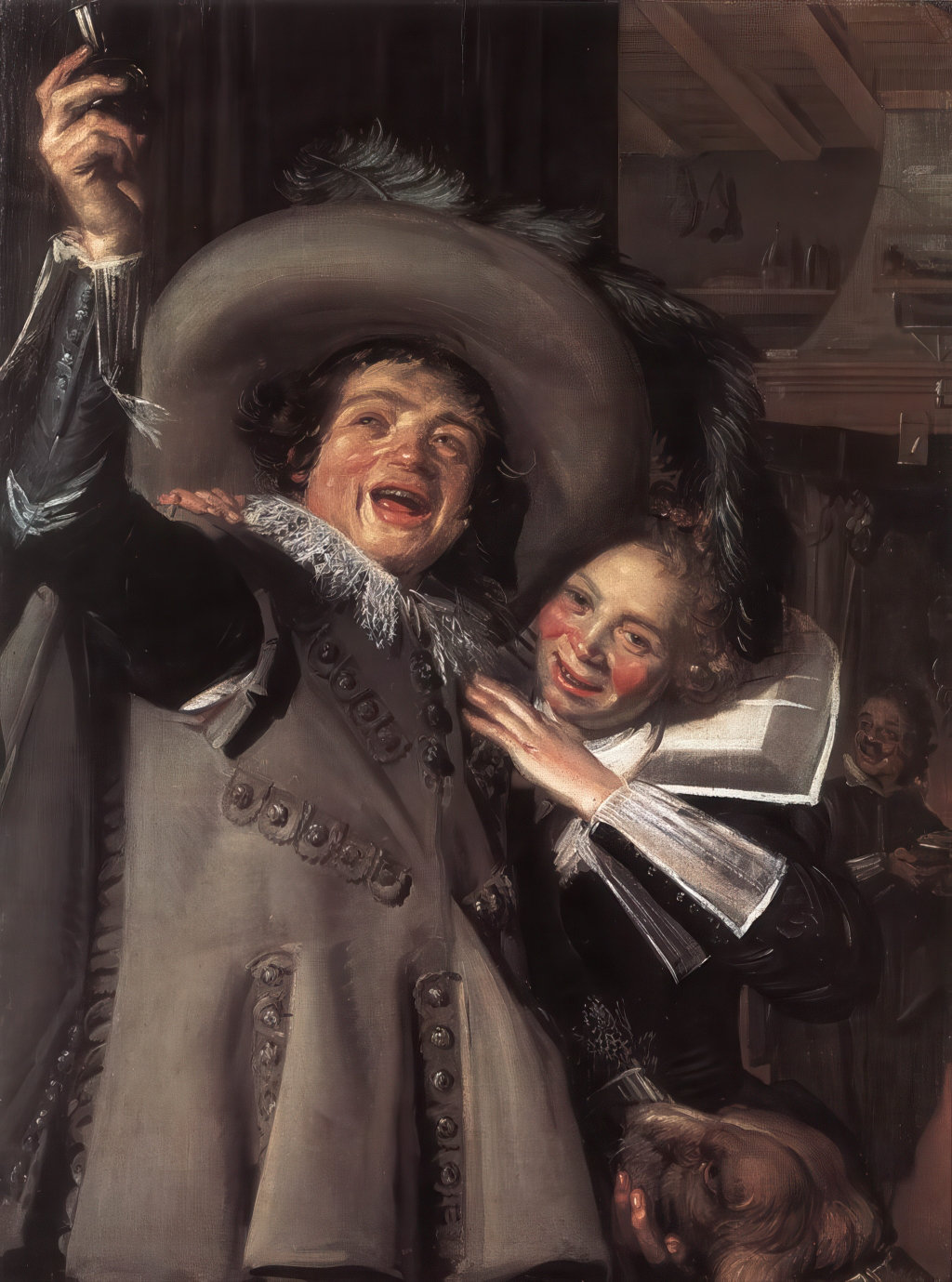
- Yonker Ramp and His Sweetheart
Timeline
- 1586 — Isaak Abrahamsz. Massa is born in Haarlem.
- 1601–1609 — Travels to Russia during the Time of Troubles, gaining first-hand knowledge of the country.
- 1620s — Frans Hals paints Massa during the most productive period of his portrait career.
- 1630s–1640s — Massa continues commercial and diplomatic activities while writing influential accounts of Russia.
- Today — The portrait is regarded as one of Hals' most compelling studies of a merchant-scholar of the Dutch Golden Age.
Interesting Facts
- Isaak Massa became one of Western Europe's best-informed observers of early seventeenth-century Russia.
- His written accounts remain valuable historical sources for the Time of Troubles.
- He sat for Frans Hals on more than one occasion.
- Massa combined commercial success with scholarly and diplomatic interests.
- The portrait reflects Hals' growing preference for psychological naturalism over formal display.
FAQs
Further Reading
- Seymour Slive, Frans Hals, 3 vols. London: Phaidon, 1970–1974.
- Christopher D. M. Atkins, Frans Hals. London: Reaktion Books, 2012.
- Claus Grimm, Frans Hals: The Complete Work. New York: Harry N. Abrams, 1990.
- Norbert Middelkoop & Antoon Erftemeijer (eds.), Frans Hals: Eye to Eye with Rembrandt, Rubens and Titian. Rotterdam: nai010 publishers, 2013.
- Friso Lammertse et al., Frans Hals. National Gallery Global, 2023.
- :contentReference[oaicite:0]{index=0} (for Massa's contemporary observations of Russia).
References
- RKD – Netherlands Institute for Art History. Frans Hals and his Workshop. Catalogue record for the relevant portrait of Isaak Abrahamsz. Massa.
- Holding museum collection catalogue for the specific portrait illustrated on this page.
- Seymour Slive. Frans Hals. 3 vols. London: Phaidon, 1970–1974.
- Christopher D. M. Atkins. Frans Hals. London: Reaktion Books, 2012.
- Claus Grimm. Frans Hals: The Complete Work. New York: Harry N. Abrams, 1990.
- Norbert Middelkoop & Antoon Erftemeijer (eds.). Frans Hals: Eye to Eye with Rembrandt, Rubens and Titian. Rotterdam: nai010 publishers, 2013.
- Friso Lammertse et al. Frans Hals. National Gallery Global, 2023.
- Isaak Massa, historical writings on Russia (primary source material relating to the sitter's life and travels).