 by Tom Gurney
Tom Gurney BSc (Hons) is an art history expert with over 20 years experience
Published on June 29, 2026 / Updated on June 29, 2026
Email: tomgurney1@gmail.com / Phone: +44 7429 011000
The Gypsy Girl: One of the Most Misunderstood Paintings of the Dutch Golden Age
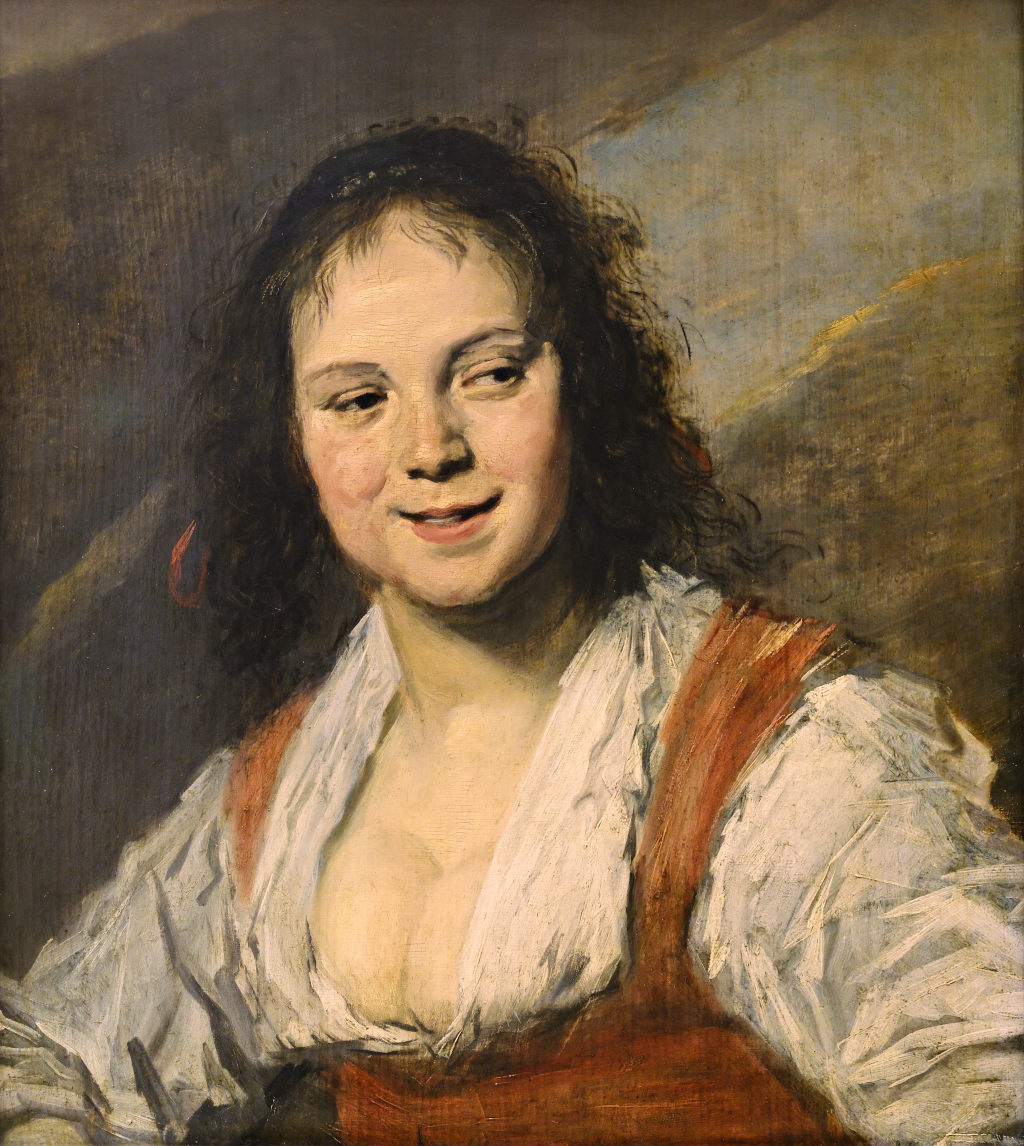
Few paintings by Frans Hals have generated more curiosity than The Gypsy Girl (traditional title; French: La Bohémienne). The young woman smiles directly towards the viewer with extraordinary confidence, her lively expression and relaxed posture creating an immediate sense of human presence. Unlike the restrained elegance of many seventeenth-century portraits, this work feels spontaneous, informal and almost startlingly modern.
Yet the painting is also one of Hals' most misunderstood works. The familiar title is almost certainly not the name by which Hals himself knew the painting. There is no evidence that the sitter was Romani, nor that she belonged to any community commonly described as "Gypsy" during the seventeenth century. The title seems to have emerged much later, influenced by later ideas about exoticism, costume and romanticised notions of wandering peoples.
This uncertainty transforms the way we look at the work. Rather than asking whether the woman really was a "Gypsy", historians increasingly focus on the extraordinary vitality of the portrait itself. Hals presents a young woman whose animated smile, informal clothing and confident gaze suggest a moment of direct human engagement rather than a carefully staged commission.
The portrait also provides one of the finest demonstrations of Hals' mature technique. Broad, energetic brushstrokes create convincing flesh, fabric and lace with astonishing economy, while the slight turn of the sitter's body and the openness of her expression give the impression that she has only just begun to speak or laugh.
Today, The Gypsy Girl remains one of the defining images of Dutch Golden Age portraiture. It challenges assumptions about identity, beauty and social status while reminding us that the greatest portraits are often those that leave important questions unanswered.
This article explores the portrait's historical background, the origins of its title, the identity of the sitter, Hals' remarkable brushwork, changing scholarly interpretations and the reasons why this captivating young woman continues to fascinate audiences around the world.
- Artist Frans Hals (c.1582/3–1666)
- Title The Gypsy Girl (traditional title; French: La Bohémienne)
- Date c.1628–1630
- Medium Oil on canvas
- Current Location Musée du Louvre, Paris
- Movement Dutch Golden Age
- Subject Unknown young woman
- Known For Animated smile, confident gaze and expressive brushwork
- Main Themes Identity, expression, spontaneity and portraiture
- Why It Matters One of Frans Hals' most expressive and debated portraits.
Contents
- Historical Background
- Why is it Called The Gypsy Girl?
- Looking at the Painting
- Who Was the Sitter?
- Costume, Fashion and Social Status
- Brushwork and the Illusion of Life
- Legacy and Influence
- The Journey of the Painting
- Where is the Painting Today?
- Timeline
- Interesting Facts
- Explore More Frans Hals Paintings
- FAQs
- Further Reading
- References
Historical Background
Around 1630, when Frans Hals painted the work now known as The Gypsy Girl, Haarlem stood among the most prosperous cities of the Dutch Republic. Textile manufacture, brewing, international trade and skilled craftsmanship had transformed the city into a thriving commercial centre, attracting merchants, artists and immigrants from across Europe.
Unlike many European countries, the Dutch Republic possessed relatively little aristocratic patronage. Artists relied upon wealthy merchants, civic institutions and private collectors who sought paintings reflecting their own society. Portraits remained especially popular, but they gradually evolved beyond rigid displays of wealth and lineage.
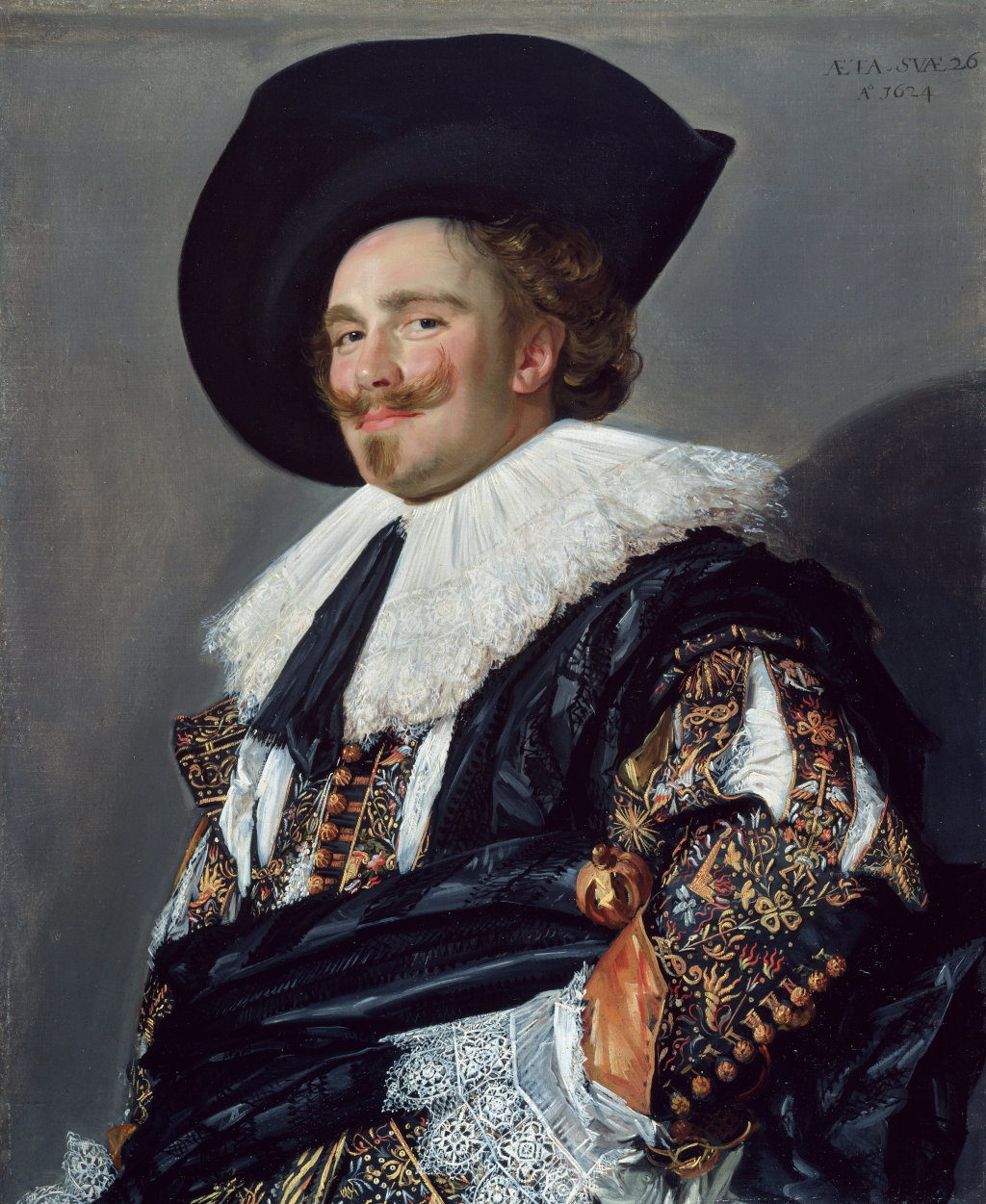
By the late 1620s Hals had established himself as Haarlem's leading portrait painter. His militia portraits had demonstrated an extraordinary ability to animate large groups, while works such as The Laughing Cavalier revealed his gift for capturing distinctive personalities. Alongside prestigious commissions, Hals also produced smaller works depicting anonymous or uncertain sitters.
The work traditionally known as The Gypsy Girl belongs to this group. Unlike commissioned portraits linked to specific patrons through archival records, the sitter remains unknown. This uncertainty has encouraged generations of speculation, particularly regarding the traditional title.
From an artistic perspective, the painting belongs to the mature phase of Hals' career, when his confident brushwork and acute observation had reached extraordinary refinement. Every stroke appears economical, yet together they produce an image of remarkable vitality.
Looking Closely: First Impressions
Before reading about the painting's history, spend a few moments simply looking at the sitter's face. Notice how quickly you begin to imagine her personality. Hals understood that expression is often the first thing we recognise in another human being.
Why is it Called The Gypsy Girl?
The traditional title is one of the most persistent sources of misunderstanding surrounding Frans Hals' work. There is no surviving evidence that Hals himself used this title or intended the sitter to represent a Romani woman. Modern art historians therefore treat the name as a later convention rather than an accurate description of the subject.
Exactly when the title first appeared remains uncertain, but it seems to have become established during the eighteenth or nineteenth century, when collectors and writers frequently assigned descriptive names to anonymous portraits. Romantic interest in supposedly exotic or unconventional figures was especially strong at this time, and paintings depicting informally dressed women often acquired imaginative titles that reflected contemporary taste more than historical evidence.
One reason the title gained acceptance is the sitter's appearance. Her loose clothing, partially open bodice and animated smile differ from the restrained formality expected in many Dutch portraits of respectable married women. To later observers, such features appeared unconventional enough to suggest an outsider or traveller. Modern scholarship, however, urges caution. None of these characteristics is sufficient to identify ethnicity, nationality or cultural background.
Today, museums generally retain the traditional title because it has become firmly established within the history of art, but they increasingly explain its uncertain origins. This approach encourages viewers to distinguish between inherited labels and verifiable historical evidence.
Recognising the uncertainty surrounding the title also transforms our experience of the painting. Instead of searching for confirmation that the woman belongs to a particular ethnic group, we become free to appreciate what Hals actually presents: an extraordinarily vivid study of expression, confidence and human individuality.
Looking Closely: Ignore the Title
Imagine encountering this portrait without knowing its traditional name. What would you notice first? Her smile? Her direct gaze? Her relaxed posture? Hals encourages us to respond to the sitter as a living individual before assigning labels.
Looking at the Painting
At first glance, the portrait appears remarkably simple. A young woman turns gently towards the viewer, smiling with an ease rarely encountered in seventeenth-century portraiture. There is no elaborate architectural setting, no symbolic landscape and almost no distraction from the sitter herself.
The figure occupies the canvas with extraordinary confidence. Her body is angled slightly to one side while her head turns back towards the viewer, creating a subtle sense of movement. Rather than appearing consciously posed, the sitter seems to have turned instinctively in response to someone entering the room.
Her smile is the painting's most striking feature. Unlike the restrained expressions favoured by many contemporary portrait painters, this is an open, spontaneous smile that establishes emotional contact with the viewer. The slight narrowing of the eyes, the lift of the cheeks and the relaxed mouth combine to create an impression of warmth rather than studied elegance.
The dark background plays an equally important role. By eliminating unnecessary detail, Hals ensures that every nuance of expression becomes more vivid. The contrast between the sitter's illuminated face, white chemise and darker costume creates a clear visual hierarchy.
Looking Closely: The Smile
Cover the lower half of the sitter's face and look only at her eyes. Much of the smile remains visible. Hals understood that genuine expression is communicated by the entire face rather than by the mouth alone.
Who Was the Sitter?
The identity of the young woman remains one of the most intriguing mysteries in Frans Hals' oeuvre. No contemporary inscription identifies the sitter, no surviving payment records link the painting to a patron, and no documented seventeenth-century provenance preserves her name.
The most honest answer is therefore simple: we do not know who she was. While this may appear frustrating, it is not unusual. Numerous Dutch portraits from the seventeenth century depict individuals whose identities have been lost despite the survival of the paintings themselves.
The absence of documentary evidence has encouraged various interpretations. Some scholars regard the work as a portrait of a real young woman whose identity has disappeared. Others suggest that Hals intended a tronie—a study of expression or character rather than an identifiable individual. A third possibility is that the painting occupies an intermediate position, using a real model while emphasising character over social status.
Portrait or Tronie?
Formal Dutch portraits normally commemorated a named individual, often marking marriage, professional success or civic office. Sitters generally wore expensive clothing appropriate to their standing and adopted poses conveying dignity and permanence. The Gypsy Girl differs in several important respects.
The relaxed smile, informal pose and comparatively simple costume suggest a work less concerned with social representation than with capturing an engaging human presence. These qualities have led many historians to compare the painting with the Dutch tradition of the tronie, in which artists explored facial expression, costume or character without necessarily portraying a specific person.
Yet the distinction is not straightforward. Hals paints the sitter with extraordinary psychological conviction. Her individuality feels so persuasive that many viewers instinctively experience the work as a portrait regardless of its original purpose.
Looking Closely: An Individual or a Type?
Ask whether the painting feels like the likeness of one particular woman or the representation of a broader character. There is no universally accepted answer. That difficulty is one reason the painting continues to fascinate art historians.
Can We Identify Her from Her Appearance?
For many years, writers attempted to identify the sitter through clothing, hairstyle or expression. Modern scholarship approaches such methods with greater caution. Dress can suggest wealth, fashion or role, but it rarely provides secure evidence of ethnicity or personal identity.
The partially open bodice has attracted particular attention. Earlier writers often interpreted it as evidence of sensuality or unconventional behaviour, reinforcing the traditional title. More recent historians have questioned these assumptions, noting that artistic convention, studio practice and changing standards of modesty all complicate such readings.
Why the Mystery Matters
Paradoxically, the anonymity of the sitter has become one of the painting's greatest strengths. Freed from the expectations associated with a documented historical figure, viewers respond first to her humanity rather than to biography. We encounter a smile before we encounter a name.
Costume, Fashion and Social Status
Although the sitter's identity remains unknown, her clothing offers valuable insight into the visual culture of the Dutch Republic. Hals paints a combination of dark outer garments, a white linen chemise and a noticeably open bodice. Together they create an image that feels less formal than many commissioned portraits from the same period.
It is important not to interpret costume too literally. Seventeenth-century artists frequently adapted clothing to suit the expressive aims of a painting. Garments could be simplified, altered or even invented within the studio. In works that occupy the boundary between portraiture and genre painting, costume often serves to create character rather than to document exactly what a sitter wore.
The white chemise plays a particularly important visual role. Hals uses its broad passages of light to frame the face and direct attention towards the sitter's expression. Against the darker tones of the outer garment, the brilliant white linen creates a striking contrast.
The open neckline has generated more commentary than any other aspect of the costume. Earlier writers frequently interpreted it through moral or romantic narratives, but modern historians generally avoid such confident conclusions. Fashion, studio practice and artistic convention all complicate interpretation.
Looking Closely: Light and Fabric
Notice how your eye moves naturally from the bright chemise to the sitter's face. Hals uses clothing not simply to describe costume but to control the flow of attention through the painting.
Brushwork and the Illusion of Life
One of the most remarkable aspects of The Gypsy Girl is the apparent ease with which Frans Hals transforms a relatively small number of brushstrokes into a convincing human presence. Seen from across a gallery, the sitter appears vividly alive. As the viewer approaches, the illusion begins to dissolve into swift touches of paint.
This ability to imply rather than describe lies at the centre of Hals' genius. Instead of recording every eyelash, thread or strand of hair, he identified the visual information that the human eye genuinely requires. Everything else could be omitted.
Painting Expression
The sitter's smile provides perhaps the clearest demonstration of this approach. A handful of carefully judged strokes define the corners of the mouth, while subtle variations in tone shape the cheeks and chin. The expression depends just as much upon the eyes as upon the lips.
Hals recognised that emotion emerges through the interaction of features. A smile cannot be painted by the mouth alone. It must involve the entire face, the posture of the head and even the rhythm of the surrounding brushwork.
Looking Closely: The Eyes Before the Smile
Try covering the sitter's mouth while looking at a reproduction. Much of her expression survives. Hals understood that genuine smiles begin around the eyes.
Economy of Means
Artists have long admired Hals for achieving extraordinary effects through economical technique. The white chemise is described through broad passages of light broken by cool grey shadows. Hair is suggested with loose directional strokes that communicate volume without becoming overly detailed. Flesh emerges from warm ochres, pinks, reds and soft greys.
Colour and Light
The colour palette is more restrained than many viewers first realise. Warm flesh tones, dark clothing and brilliant whites dominate the composition. Hals uses colour sparingly, preferring tonal relationships to decorative brilliance.
Perhaps most striking is Hals' treatment of black. Browns, blues, warm greys and subtle reflections combine to create clothing that feels rich, textured and full of life. This sophisticated handling later attracted admiration from Vincent van Gogh, who marvelled at Hals' ability to paint luminous blacks.
Looking Closely: How Many Colours?
Choose an area of dark clothing and look for pure black paint. You will probably find warm browns, cool greys and touches of blue instead.
Painting for Human Vision
Modern viewers often encounter paintings through high-resolution images that encourage close inspection. Hals painted for a different experience. His portraits were intended to be viewed from normal human distances, where individual strokes merge naturally into coherent forms.
Influence on Later Artists
The rediscovery of Hals during the nineteenth century owed much to paintings such as The Gypsy Girl. Artists searching for alternatives to academic finish found in Hals an example of painterly freedom combined with rigorous observation. Gustave Courbet admired the honesty of his technique, Édouard Manet recognised the power of visible brushwork, John Singer Sargent studied his confidence, and Vincent van Gogh praised his command of colour and flesh painting.
Legacy and Influence
Although the identity of the sitter remains uncertain, The Gypsy Girl has become one of Frans Hals' most celebrated paintings. Its influence extends beyond questions of attribution or interpretation because it captures something fundamentally human: the fleeting moment when expression reveals personality.
During the eighteenth century Hals' reputation declined as artistic taste shifted towards smoother styles of painting. Works such as The Gypsy Girl, with their energetic brushwork and apparent spontaneity, were sometimes regarded as unfinished. By the nineteenth century, however, these same qualities became the basis of Hals' revival.
Today, The Gypsy Girl is recognised not only as one of Hals' finest portraits but also as an important reminder that great art often resists simple interpretation. Its traditional title may be historically uncertain, its sitter anonymous and its original purpose still debated, yet none of these mysteries diminishes its power.
The Journey of the Painting
Compared with many of Hals' commissioned portraits, the early history of The Gypsy Girl is obscure. Because the sitter has never been securely identified, historians cannot connect the work to a documented family collection. Like numerous seventeenth-century cabinet paintings, it appears to have passed through private ownership before emerging more clearly within later European collections.
This incomplete provenance is not unusual. Wars, inheritance, sales and changing fashions often interrupted documentary evidence, leaving historians to reconstruct a painting's history from inventories, auction catalogues and collectors' records.
The nineteenth century transformed the painting's fortunes. As artists and critics rediscovered Hals' handling of paint, his portraits became highly sought after by museums and collectors throughout Europe. During this revival, anonymous portraits frequently acquired descriptive titles intended to make them more memorable to the public.
Eventually the painting entered the collections of the Musée du Louvre in Paris, where it has remained one of the museum's finest examples of Dutch Golden Age portraiture.
Looking Closely: A Painting with Two Histories
This portrait has lived two parallel lives: the history of the painting itself and the history of its later title. Separating these histories helps us understand the work more clearly.
Where is The Gypsy Girl Today?
Today the painting hangs in the Musée du Louvre in Paris, where it forms part of one of the world's greatest collections of European art. Although the Louvre is often associated primarily with Italian Renaissance masterpieces and French painting, its holdings of Dutch Golden Age art are also significant.
Seen in person, the portrait possesses an immediacy that reproductions struggle to convey. From several metres away, the sitter appears fully alive. As one moves closer, this illusion dissolves into energetic strokes of paint, revealing Hals' confidence.
The intimate scale of the painting contributes to its emotional impact. Unlike Hals' monumental militia portraits, it creates the impression of a private encounter. The absence of elaborate background detail concentrates every aspect of the viewing experience upon expression itself.
Looking Closely: Walk Towards the Painting
Begin viewing the portrait from across the gallery before gradually approaching it. Observe the moment when the convincing illusion of a smiling young woman dissolves into individual strokes of cream, ochre, grey and black paint.
Timeline
- c.1628–1630 — Frans Hals paints the portrait traditionally known as The Gypsy Girl (La Bohémienne).
- 17th century — The painting passes through private ownership; its early provenance is only partially documented.
- 18th century — Hals' reputation declines as European taste favours smoother portrait styles.
- 19th century — The traditional title The Gypsy Girl becomes widely established during the rediscovery of Frans Hals.
- Late 19th century — Artists including Manet, Sargent and Van Gogh study Hals' brushwork, contributing to his renewed international reputation.
- Today — The painting remains one of the Louvre's finest Dutch portraits and one of Frans Hals' most celebrated works.
Interesting Facts
- The title is almost certainly not original. There is no evidence that Frans Hals himself called the painting The Gypsy Girl.
- The sitter remains unidentified. No documentary evidence securely names the young woman.
- The painting may be a portrait, a tronie, or something between the two. Scholars continue to debate its original purpose.
- Hals painted expression before detail. The smile depends upon remarkably few brushstrokes, yet appears natural.
- Visible brushwork is one of the painting's greatest strengths. Close inspection reveals confident, economical strokes that merge into convincing form at normal viewing distance.
- The portrait influenced generations of artists. Manet, Sargent and Van Gogh all admired Hals' handling of paint.
- The painting demonstrates changing attitudes towards identity. Modern scholarship places greater emphasis on documentary evidence than nineteenth-century interpretations of the traditional title.
Explore More Frans Hals Paintings
- The Laughing Cavalier
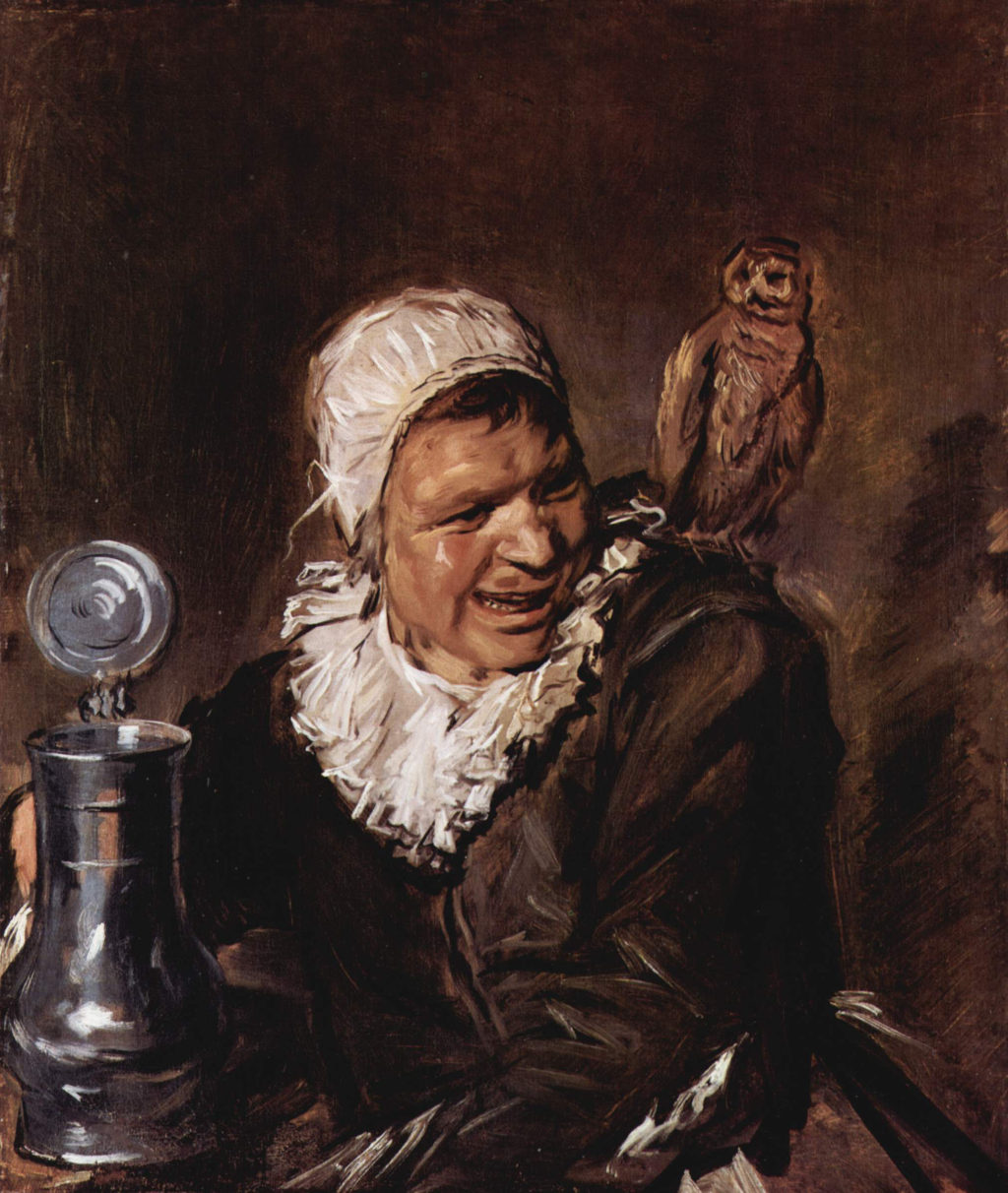
- Malle Babbe
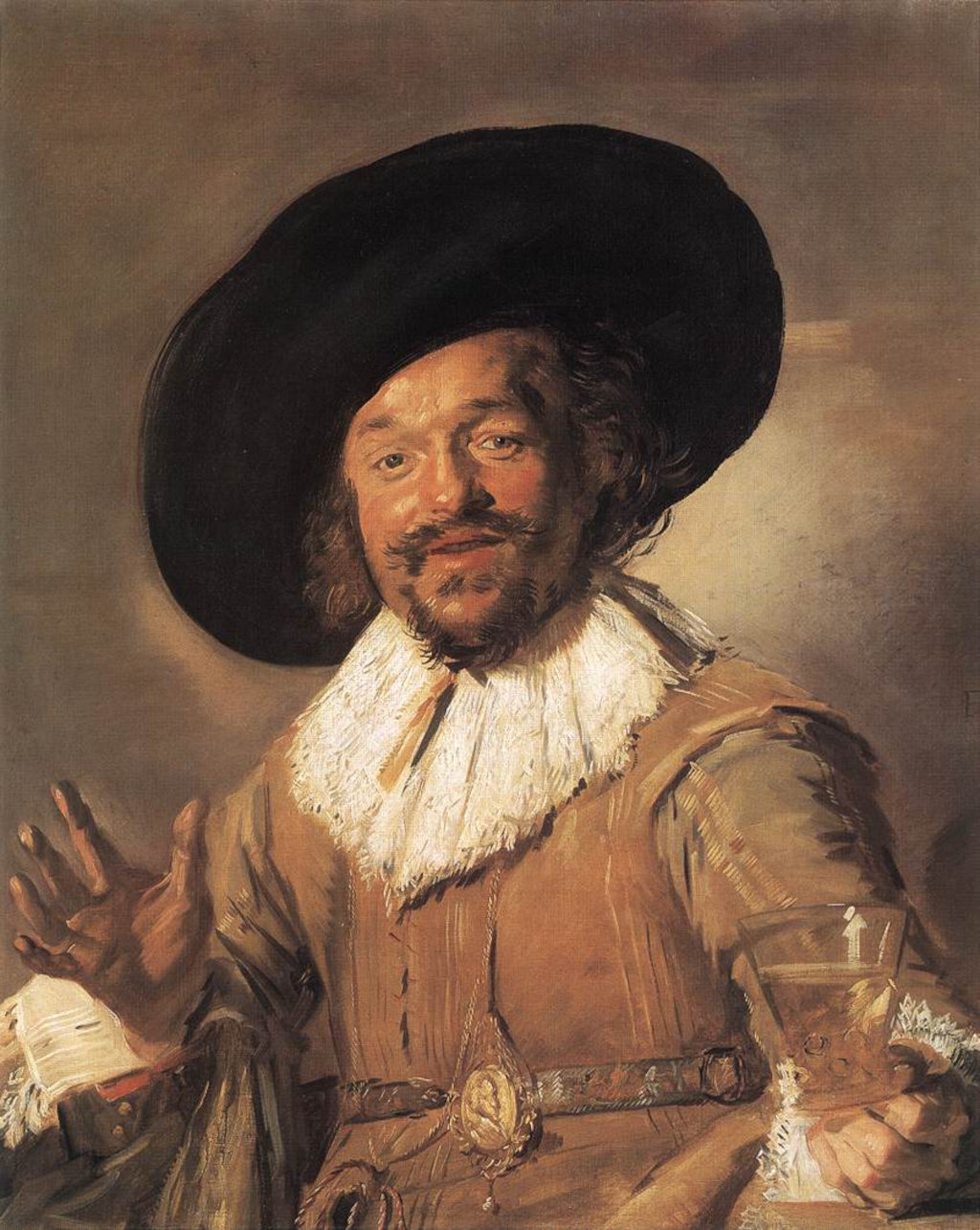
- The Merry Drinker
- Portrait of Willem Heythuijsen
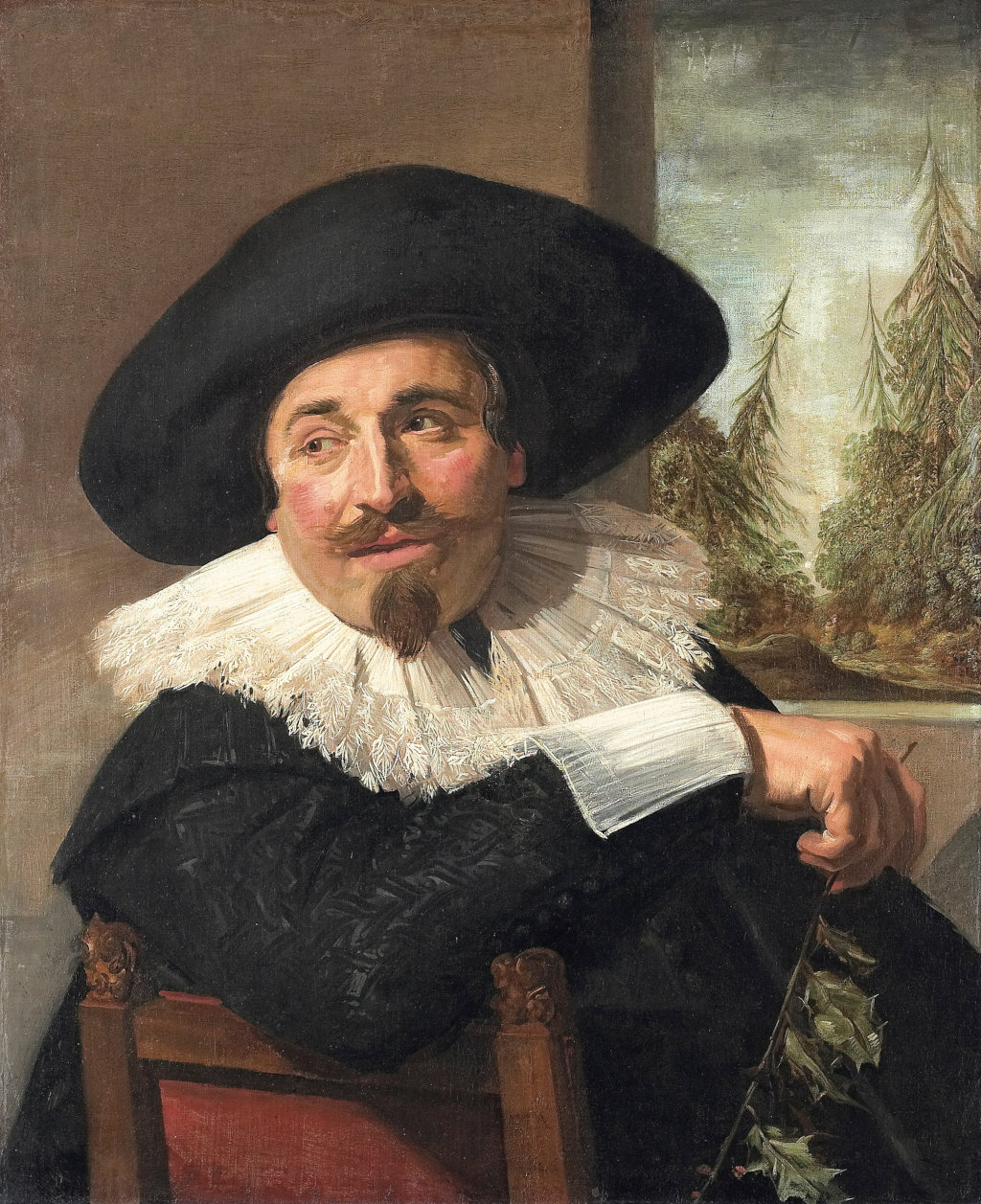
- Isaac Massa and Beatrix van der Laen
FAQs
Further Reading
- Seymour Slive, Frans Hals, 3 vols. London: Phaidon, 1970–1974.
- Christopher D. M. Atkins, Frans Hals. London: Reaktion Books, 2012.
- Claus Grimm, Frans Hals: The Complete Work. New York: Harry N. Abrams, 1990.
- Norbert Middelkoop & Antoon Erftemeijer (eds.), Frans Hals: Eye to Eye with Rembrandt, Rubens and Titian. Rotterdam: nai010 publishers, 2013.
- Lelia Packer & Ashok Roy (eds.), Frans Hals: The Male Portrait. London: Wallace Collection, 2021.
- Friso Lammertse et al., Frans Hals. National Gallery Global, 2023.
- Wayne Franits, Looking at Seventeenth-Century Dutch Art. Cambridge University Press, 1997.
- Mariët Westermann, A Worldly Art: The Dutch Republic 1585–1718. Yale University Press, 2004.
References
- Musée du Louvre. Collection catalogue entry for La Bohémienne, traditionally known as The Gypsy Girl.
- RKD – Netherlands Institute for Art History. Catalogue entries relating to Frans Hals and La Bohémienne.
- Seymour Slive. Frans Hals. 3 vols. London: Phaidon, 1970–1974.
- Christopher D. M. Atkins. Frans Hals. London: Reaktion Books, 2012.
- Claus Grimm. Frans Hals: The Complete Work. New York: Harry N. Abrams, 1990.
- Norbert Middelkoop & Antoon Erftemeijer (eds.). Frans Hals: Eye to Eye with Rembrandt, Rubens and Titian. Rotterdam: nai010 publishers, 2013.
- Lelia Packer & Ashok Roy (eds.). Frans Hals: The Male Portrait. London: Wallace Collection, 2021.
- Friso Lammertse et al. Frans Hals. National Gallery Global, 2023.
- Wayne Franits. Looking at Seventeenth-Century Dutch Art. Cambridge University Press, 1997.
- Mariët Westermann. A Worldly Art: The Dutch Republic 1585–1718. Yale University Press, 2004.
- Walter Liedtke. Dutch Paintings in The Metropolitan Museum of Art. Metropolitan Museum of Art, 2007.
- Van Gogh Museum / Huygens ING. Vincent van Gogh: The Letters. Letters discussing Frans Hals' handling of colour, flesh and brushwork.