 by Tom Gurney
Tom Gurney BSc (Hons) is an art history expert with over 20 years experience
Published on June 29, 2026 / Updated on June 29, 2026
Email: tomgurney1@gmail.com / Phone: +44 7429 011000
How Frans Hals Made Portraits Feel Alive
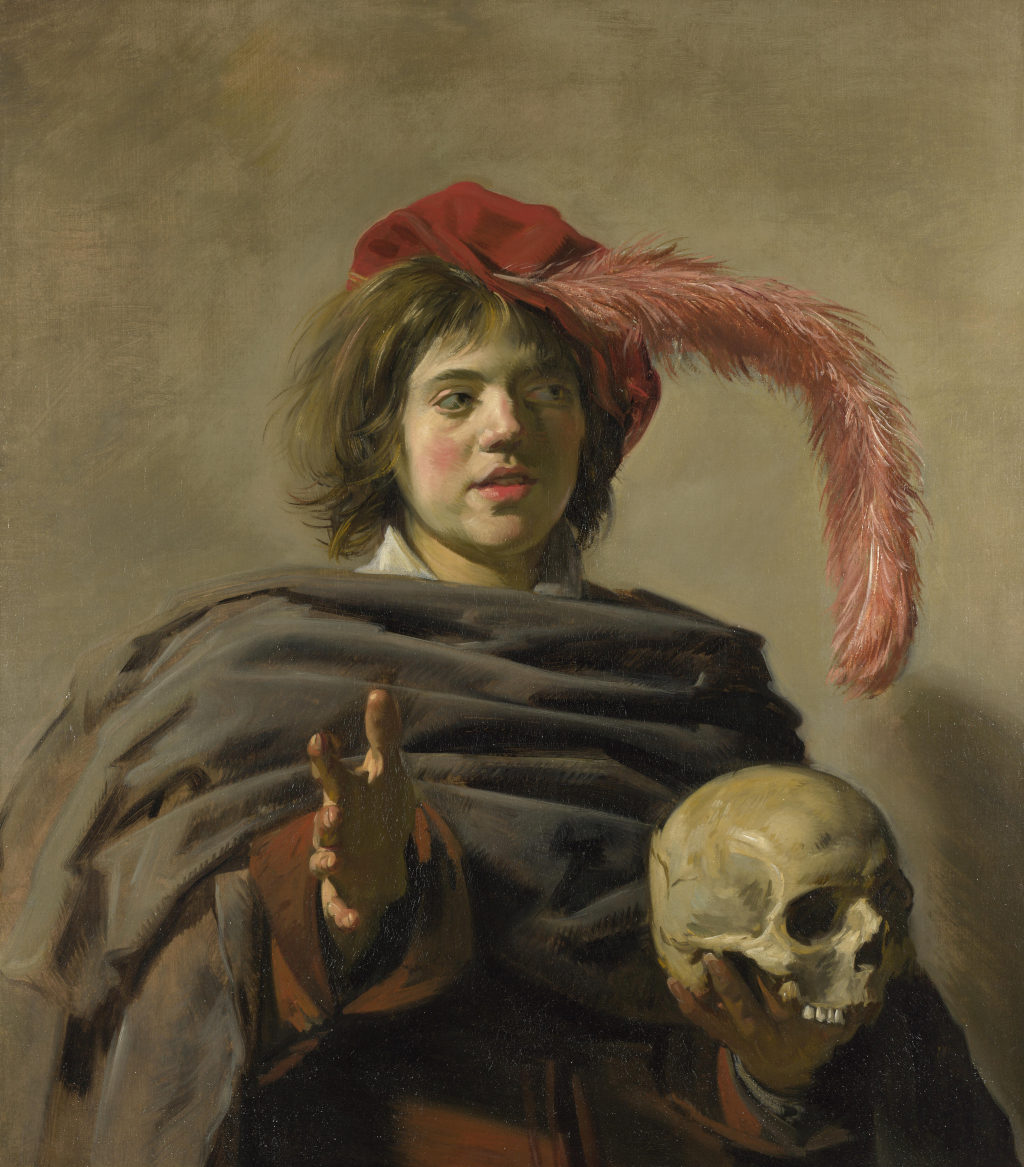
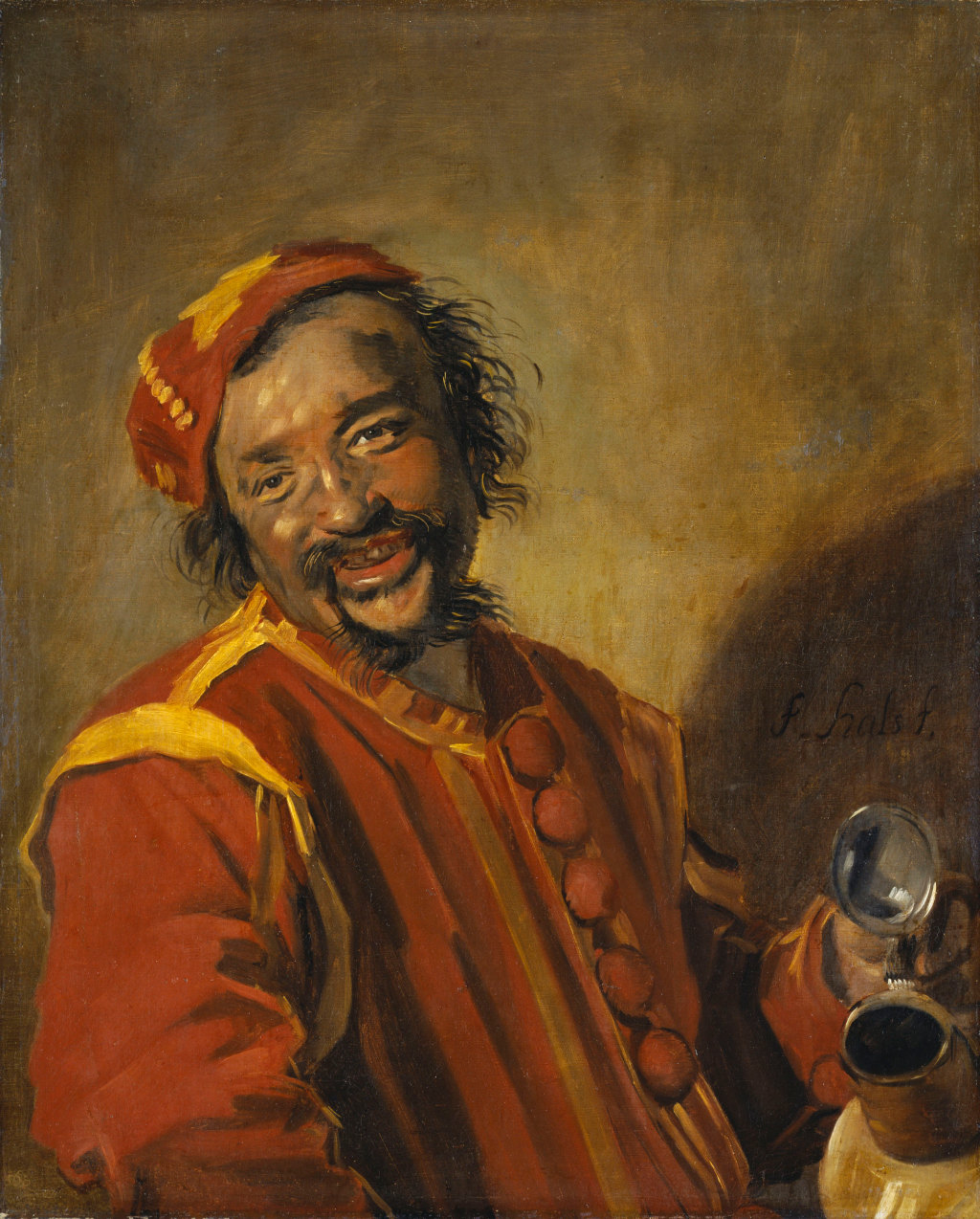
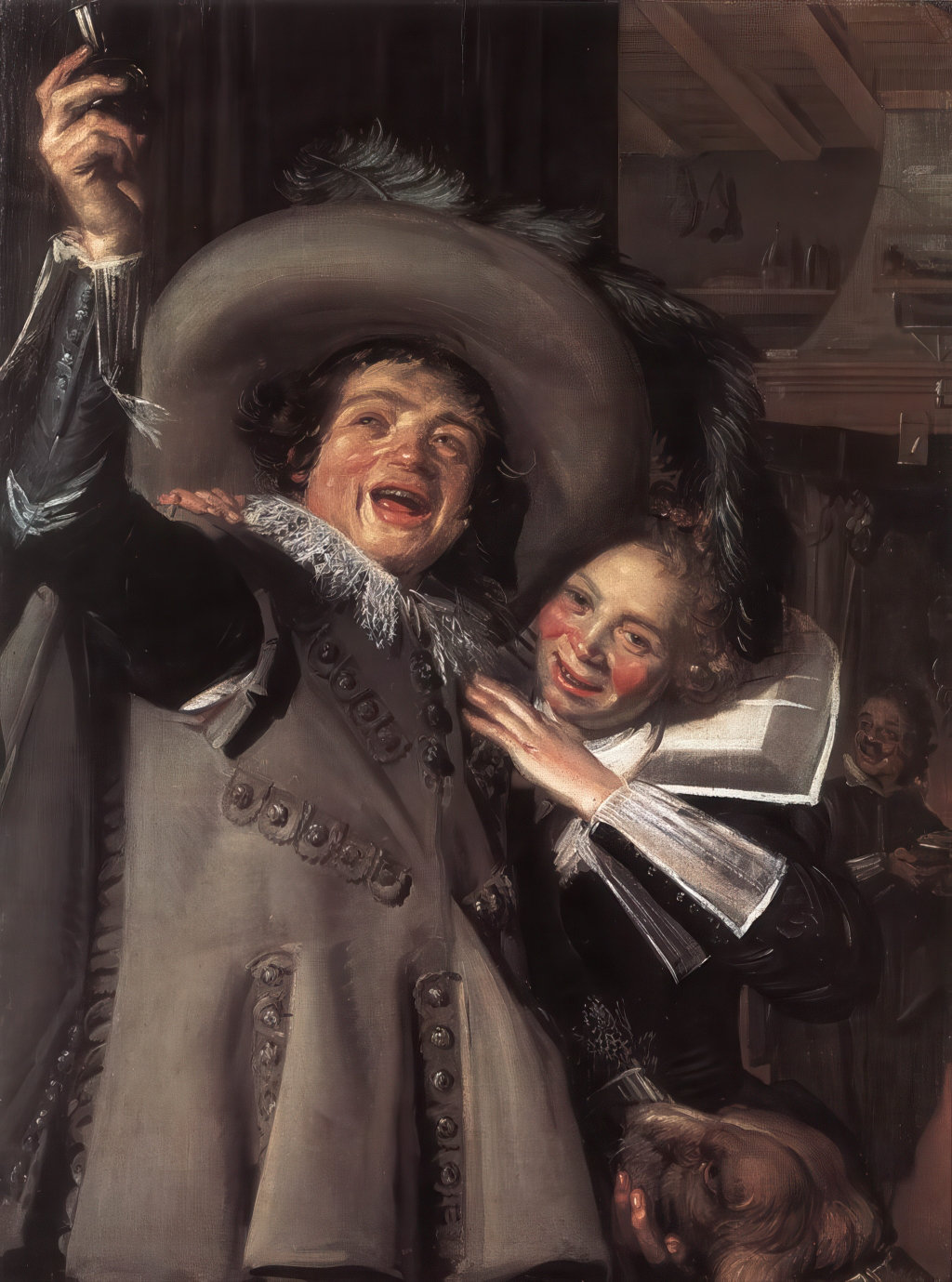
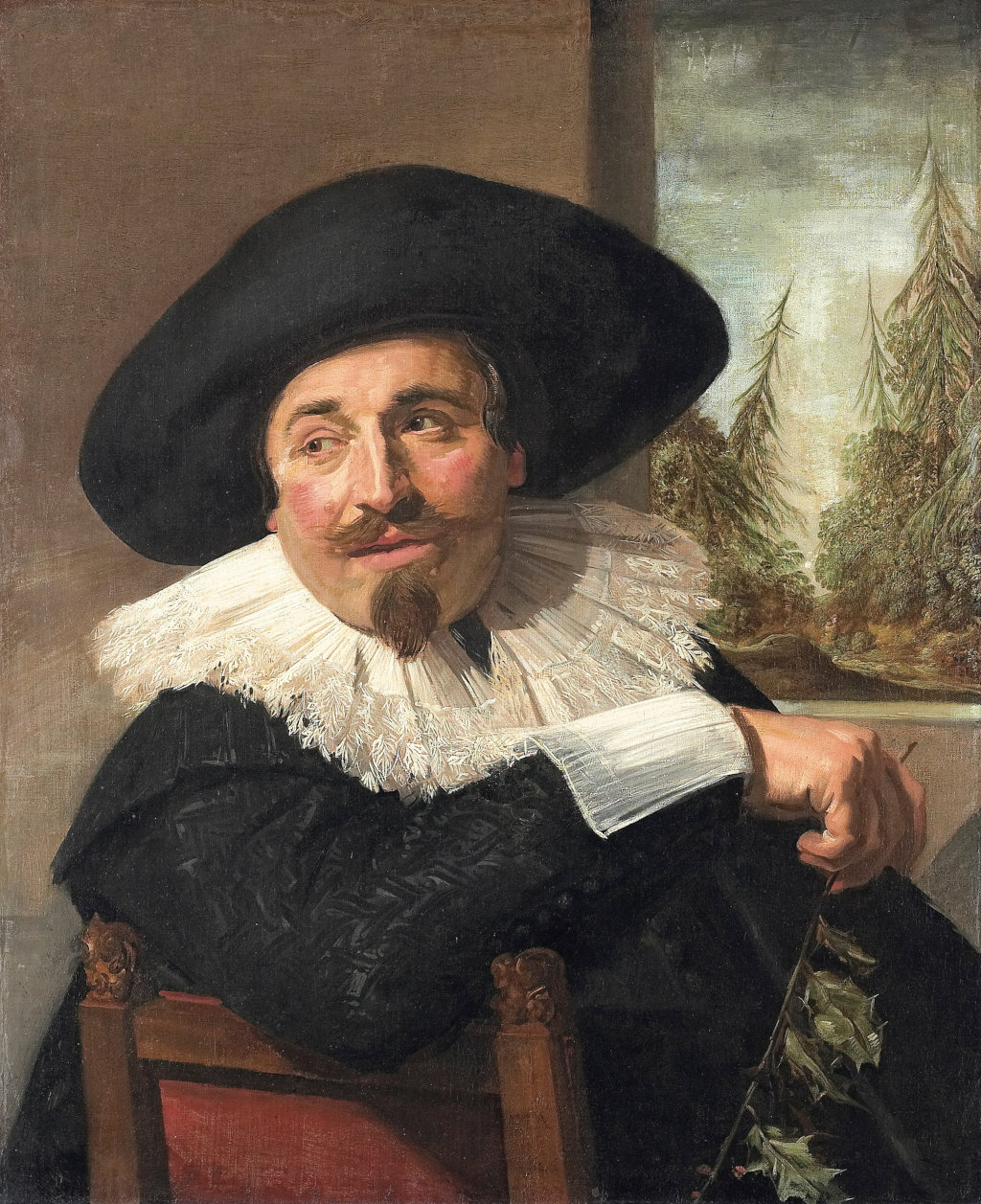
Frans Hals transformed portraiture through movement, expression and astonishingly free brushwork. Working in Haarlem during the Dutch Golden Age, he developed a style that could make a sitter appear to smile, turn, speak or laugh before the viewer's eyes. His paintings often seem spontaneous, yet this effect was built on careful observation, confident design and an exceptional understanding of how paint behaves from different viewing distances.
Many of Hals' contemporaries valued polished finish and controlled surface detail. Hals chose a different path. He used loose strokes, broken highlights, lively contours and bold contrasts to suggest the experience of seeing a living person rather than the laborious description of every thread, wrinkle or hair. Close up, his technique can appear almost rough. From a normal distance, those strokes resolve into faces, lace, fabric and skin with remarkable vitality.
This page explores Frans Hals' technique in depth, including his brushwork, portrait methods, colour palette, handling of faces, hands, lace, clothing, composition, movement and late style. It also explains why later artists such as Édouard Manet, John Singer Sargent and Vincent van Gogh regarded Hals as a painter of extraordinary modernity.
- Artist Frans Hals (c.1582/83–1666)
- Movement Dutch Golden Age
- Known For Portraiture, civic guard paintings and tronies
- Technique Loose brushwork, visible strokes and rapid-looking execution
- Key Effects Movement, laughter, immediacy and psychological presence
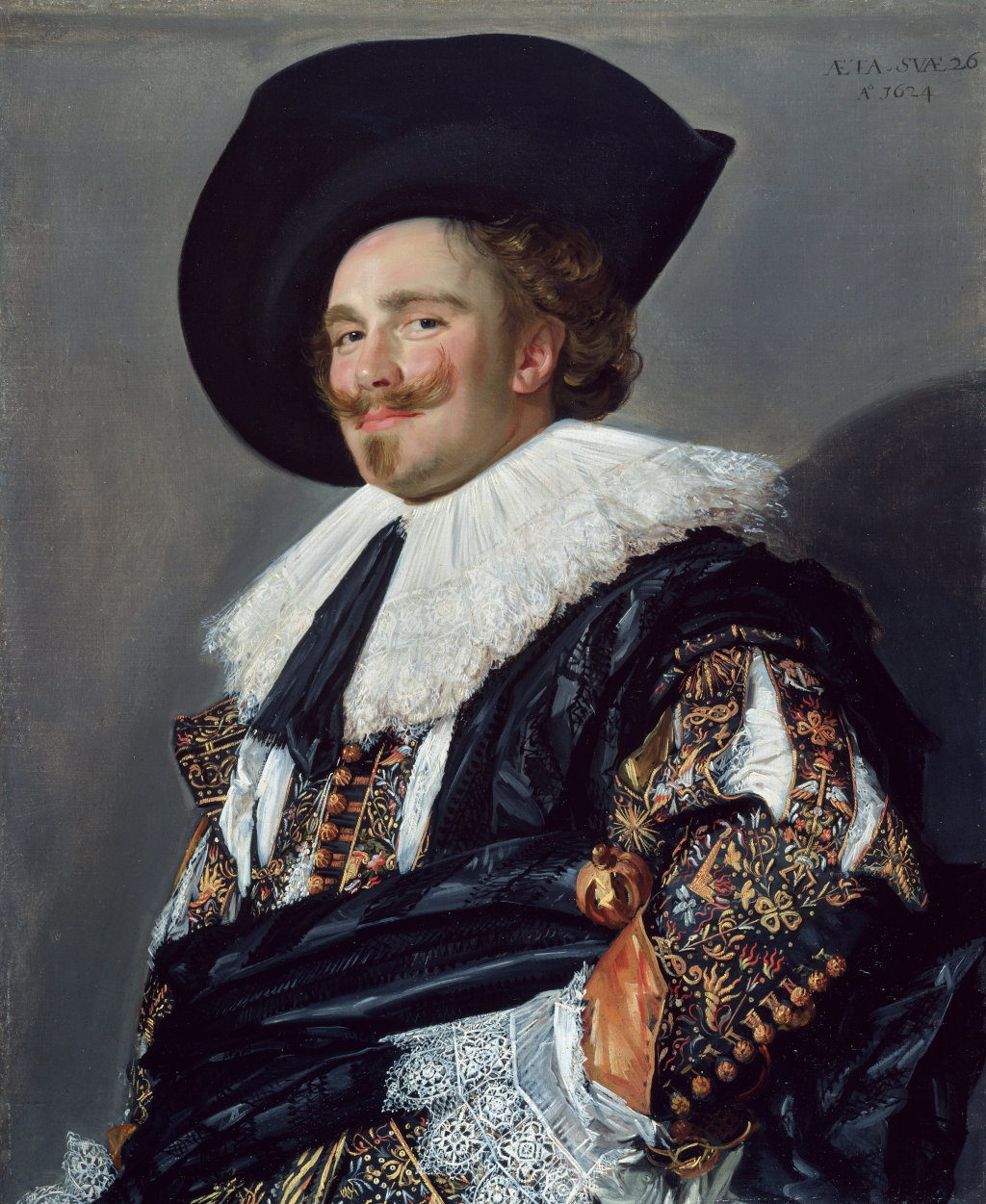
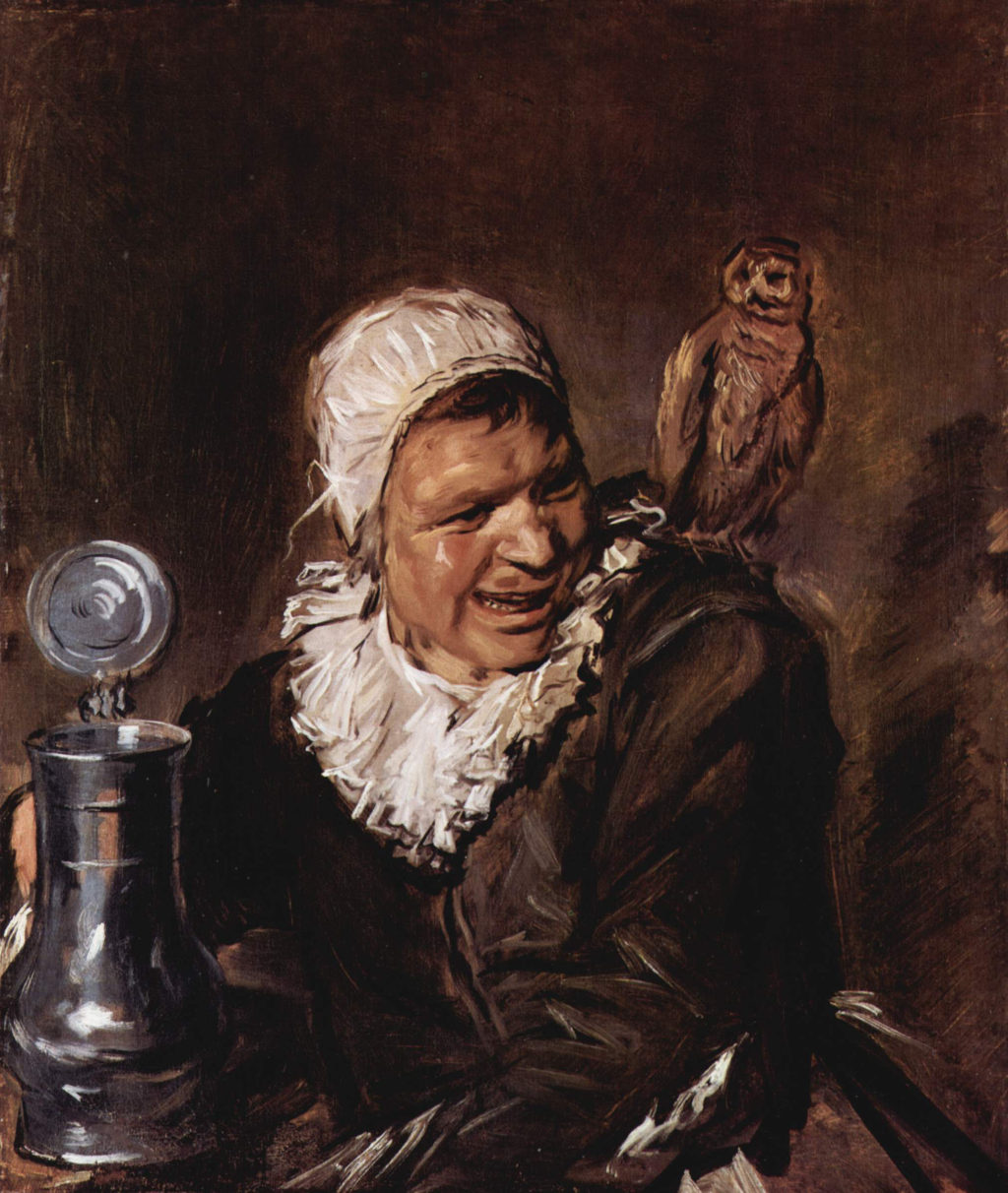
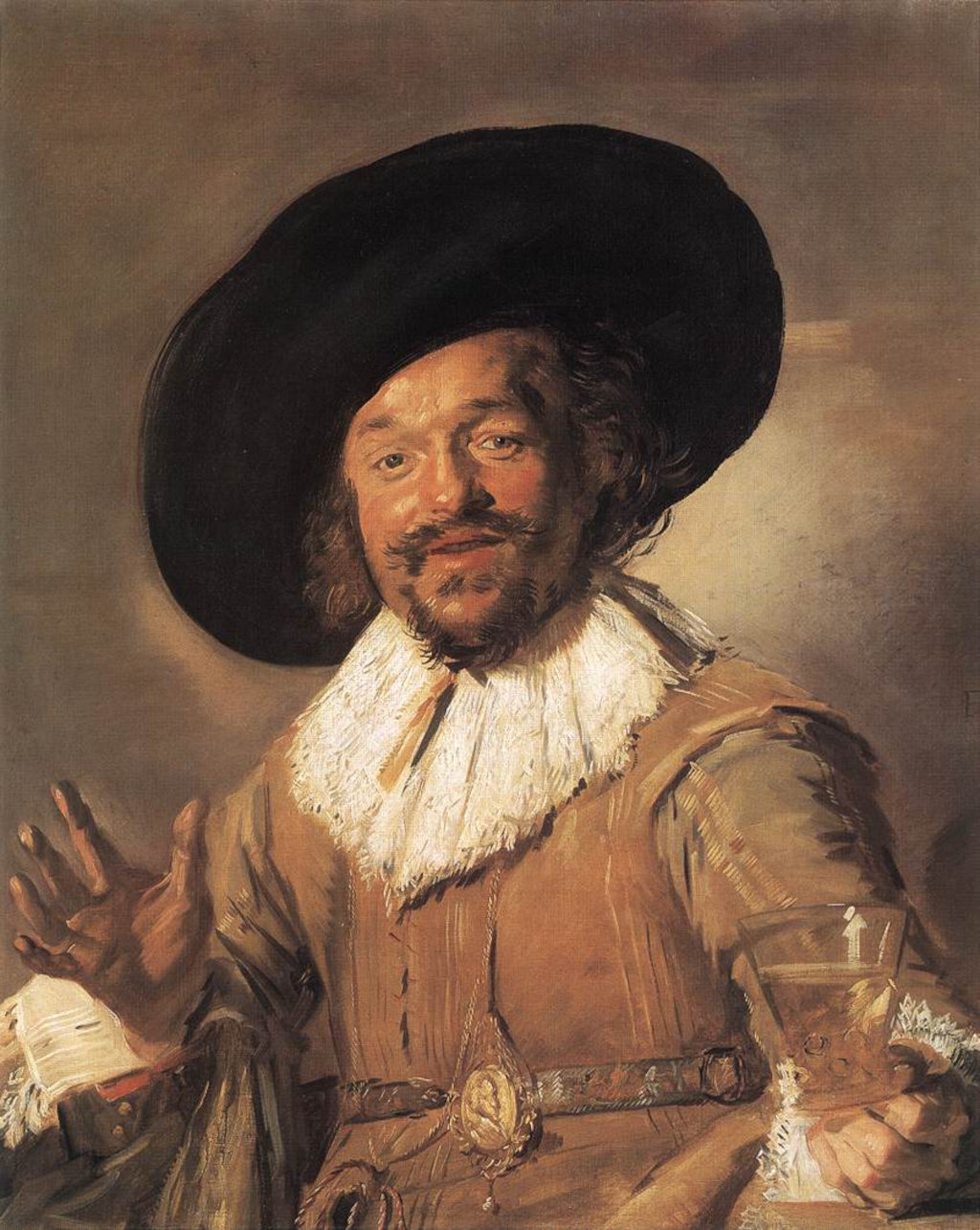
- Best Examples The Laughing Cavalier, The Merry Drinker, Malle Babbe
- Later Influence Manet, Sargent, Van Gogh and modern portrait painting
Contents
- Loose Brushwork
- Painting Faces and Expressions
- Eyes and Psychological Presence
- Hands and Gesture
- Painting Lace and Clothing
- Painting Black
- Colour Palette
- Movement and Spontaneity
- Composition
- Late Style
- Why Hals Looks Modern
- Hals Compared with Other Masters
- How to Recognise a Frans Hals Painting
- FAQs
- References
Frans Hals' Loose Brushwork
If there is one characteristic that defines Frans Hals' art more than any other, it is his remarkable brushwork. Today his paintings are admired for their freedom, confidence and apparent spontaneity, but during his own lifetime and for many decades afterwards they were equally remarkable because they looked unlike almost anything else being produced in Europe.
Many seventeenth-century painters carefully concealed the individual brushstroke beneath smooth layers of paint, creating polished surfaces in which the artist's hand almost disappeared. Hals took the opposite approach. His brushstrokes remain visible across almost every part of the painting, from faces and lace collars to silk sleeves and black hats. Rather than hiding the process of painting, he allowed viewers to see it.
This does not mean Hals painted carelessly or quickly. Although his pictures often appear to have been completed with astonishing speed, technical examination has shown that they were carefully planned and repeatedly adjusted. The apparent ease of execution was itself an artistic achievement, giving the impression that the portrait had emerged effortlessly while still maintaining remarkable accuracy.
One of Hals' greatest innovations was recognising that a painting would normally be viewed from several metres away rather than from only a few centimetres. Individual strokes that appear rough when examined closely merge into convincing forms at a normal viewing distance. A handful of white highlights suddenly become lace, broad black strokes resolve into velvet clothing and broken flesh tones transform into living skin.
Looking Closely
Stand close to one of Hals' paintings and examine the individual marks. Then step back several metres. The separate strokes suddenly resolve into convincing faces, lace and fabric. Few artists demonstrate this optical transformation more effectively.
Best Examples of Hals' Brushwork
Painting Faces and Expressions
Frans Hals' reputation rests not only on his loose brushwork but on his extraordinary ability to paint faces that feel alive. While many seventeenth-century portraits present calm, composed sitters, Hals frequently captured people smiling, speaking, laughing or reacting to someone just beyond the picture frame.
Rather than relying on exaggerated emotion, Hals communicated character through subtle changes in the cheeks, eyelids, eyebrows and corners of the mouth. His portraits suggest fleeting expressions that seem to change as the viewer spends time with them.
This ability is especially evident in The Laughing Cavalier. Although the sitter is not literally laughing, Hals creates such a convincing impression of confidence and wit that the traditional title has endured for centuries.
Looking Closely
Cover the mouth of one of Hals' portraits and study only the eyes and cheeks. Much of the expression remains. Hals understood that emotion is communicated by the entire face, not simply the lips.
Best Examples
Eyes and Psychological Presence
The eyes are central to Hals' portraits. He used remarkably few brushstrokes to create alert, intelligent and psychologically engaging sitters. Tiny highlights, carefully placed pupils and restrained modelling are sufficient to create the illusion of living vision.
In his group portraits, Hals also uses networks of glances to connect the figures, making conversations and relationships feel believable rather than staged.
Looking Closely
Follow the direction of each sitter's gaze in a civic guard painting. The intersecting lines of sight help bind dozens of individual portraits into a coherent social event.
Painting Hands and Gesture
Frans Hals understood that hands reveal character almost as effectively as faces. Rather than treating them as stiff anatomical studies, he painted relaxed, expressive gestures that reinforce the personality and social status of each sitter. A lightly held glove, an outstretched arm or loosely curled fingers often contribute as much to the portrait as the facial expression itself.
Technically, Hals rendered hands with remarkable economy. He avoided excessive modelling, instead relying on carefully judged highlights, broad flesh tones and selective shadows to suggest convincing form. The result is naturalism without unnecessary detail.
Looking Closely
Study the direction of each hand before examining the fingers. Hals was often more interested in gesture than anatomy, allowing body language to communicate confidence, elegance or movement.
Best Examples
Painting Lace, Silk and Clothing
The elaborate costumes worn by Hals' patrons offered an opportunity to demonstrate technical virtuosity. Instead of describing every thread of lace or every fold of silk, Hals suggested these luxurious materials with surprisingly few strokes. Broken whites become intricate collars, while broad dark passages and bright highlights create convincing satin and velvet.
This painterly shorthand is one reason his work appears so modern. The illusion depends upon the viewer's eye completing the image rather than the artist mechanically recording every visible detail.
Looking Closely
Stand back from one of Hals' lace collars. What appears abstract up close suddenly resolves into delicate embroidery, demonstrating his extraordinary understanding of visual perception.
How Frans Hals Painted Black
Black clothing dominates many of Hals' portraits, yet it is never simply black. Warm browns, cool greys, deep blues and subtle reflected light combine to create fabrics of remarkable richness. Vincent van Gogh famously remarked that Hals seemed to possess "twenty-seven blacks", recognising the extraordinary tonal variety hidden within apparently simple costumes.
This sophisticated treatment allowed Hals to portray expensive velvet, satin and wool while keeping attention firmly on the sitter's face and expression.
Frans Hals' Colour Palette
Although Frans Hals is often associated with black costumes and white lace collars, his colour palette was far richer than it first appears. Rather than relying on brilliant colours throughout a composition, he concentrated stronger hues where they would have the greatest visual effect. Warm flesh tones, crimson cheeks, golden embroidery and coloured sashes become focal points against restrained backgrounds.
This controlled use of colour directs the viewer's attention naturally towards the sitter's face. Hals understood that harmony is often more powerful than brilliance, creating portraits that feel balanced, dignified and lifelike.
Looking Closely
Notice how small accents of red, gold or orange immediately attract the eye. Hals rarely used strong colour without a compositional purpose.
Movement and Spontaneity
Perhaps the greatest illusion created by Hals is the impression that his sitters have been interrupted in the middle of life. Heads turn, shoulders twist, hands gesture and expressions change naturally, making the portraits feel animated rather than formally posed.
This spontaneity was carefully designed. Hals varied body angles, eye contact and gestures while allowing the direction of his brushwork to reinforce the movement of the figure. The result is portraiture that feels immediate without sacrificing compositional balance.
Looking Closely
Rather than studying individual faces first, follow the rhythm created by shoulders, arms and glances. These subtle movements bind Hals' compositions together.
Composition and Portrait Design
Behind the apparent ease of Hals' portraits lies careful planning. Single portraits often place the sitter slightly off-centre, while group portraits rely on overlapping figures, alternating light and dark passages and intersecting sightlines to create visual unity.
His backgrounds are generally restrained, allowing gesture, expression and costume to dominate. This disciplined compositional approach helps explain why even Hals' largest civic guard paintings remain surprisingly easy to read.
Frans Hals' Late Style: Less Paint, Greater Power
One of the most remarkable developments in Hals' career is that his technique became increasingly economical with age. Rather than adding more detail, he gradually eliminated unnecessary information until only the most expressive brushstrokes remained. His late portraits demonstrate supreme confidence, where every mark contributes directly to the final illusion.
Works such as The Regents of the Old Men's Almshouse and The Regentesses of the Old Men's Almshouse show broad passages of black clothing, restrained colour and penetrating psychological observation. Modern conservation has revealed that these apparently simple paintings were carefully considered, not hastily executed.
Looking Closely
Compare an early Hals portrait with one painted forty years later. The later works often contain fewer brushstrokes but convey even greater presence and authority.
Why Frans Hals Looked Modern
Nineteenth-century artists regarded Frans Hals as astonishingly modern. His visible brushwork, direct observation and freedom of execution challenged the highly polished finish promoted by academic painting. Artists such as Édouard Manet, Vincent van Gogh and John Singer Sargent admired Hals because he demonstrated that realism could be achieved through suggestion rather than meticulous description.
Van Gogh praised Hals' treatment of black clothing and expressive brushwork, while Sargent encouraged students to study Hals before tackling Velázquez. Their admiration helped establish Hals as one of the great innovators in the history of portrait painting.
Frans Hals Compared with Other Masters
| Artist | Primary Strength | Characteristic Technique |
|---|---|---|
| Frans Hals | Movement and expression | Loose brushwork and psychological immediacy |
| Rembrandt | Light and emotion | Rich impasto and dramatic chiaroscuro |
| Rubens | Colour and energy | Dynamic compositions and luminous flesh tones |
| Velázquez | Natural observation | Restrained tonal painting and elegant simplicity |
How to Recognise a Frans Hals Painting
- Visible, energetic brushwork.
- Natural facial expressions.
- Direct psychological engagement.
- Economical treatment of lace and fabric.
- Subtle variations within black clothing.
- Relaxed gestures and convincing movement.
- Balanced but apparently spontaneous compositions.
- Strong sense of individuality and character.
Together these qualities explain why Frans Hals remains one of the most distinctive portrait painters in European art. His technique combined observation, confidence and painterly freedom in a manner that continues to influence artists and fascinate viewers today.
Frequently Asked Questions
References
- Christopher D. M. Atkins, Frans Hals, Reaktion Books, 2012.
- Seymour Slive, Frans Hals, 3 vols., Phaidon, 1970–1974.
- Claus Grimm, Frans Hals: The Complete Work, Harry N. Abrams, 1990.
- Norbert Middelkoop & Antoon Erftemeijer (eds.), Frans Hals: Eye to Eye with Rembrandt, Rubens and Titian, 2013.
- Friso Lammertse et al., Frans Hals, National Gallery / Rijksmuseum / Gemäldegalerie, 2023.
- Frans Hals Museum Collection Catalogue.
- RKD – Netherlands Institute for Art History, Frans Hals and his Workshop.
- National Gallery, London, Frans Hals exhibition, 2023.
- Rijksmuseum collection records.
- Van Gogh Museum, Vincent van Gogh: The Letters.