 by Tom Gurney
Tom Gurney BSc (Hons) is an art history expert with over 20 years experience
Published on June 29, 2026 / Updated on June 29, 2026
Email: tomgurney1@gmail.com / Phone: +44 7429 011000
Frans Hals' Celebration of Youth, Laughter and Everyday Life
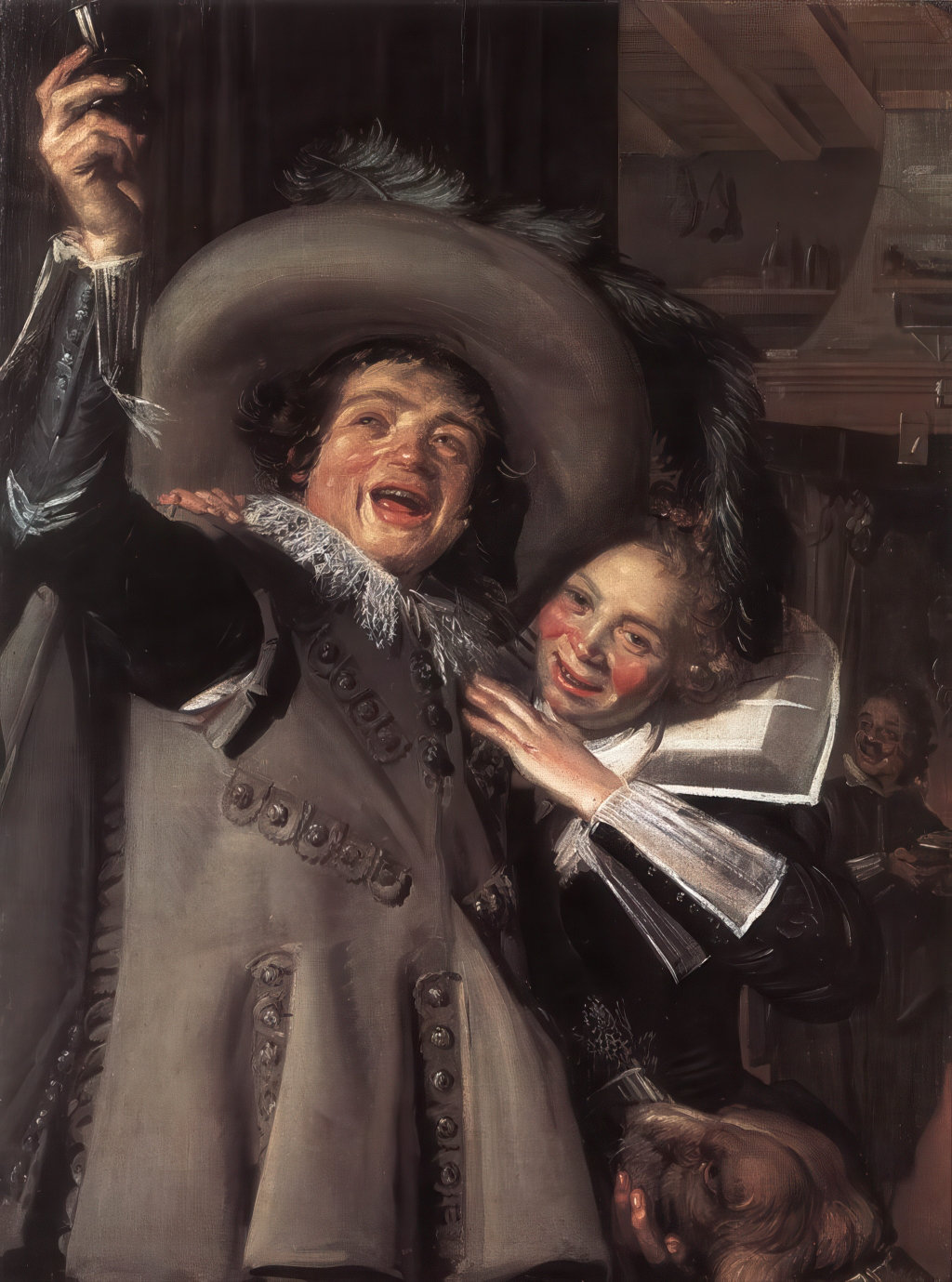
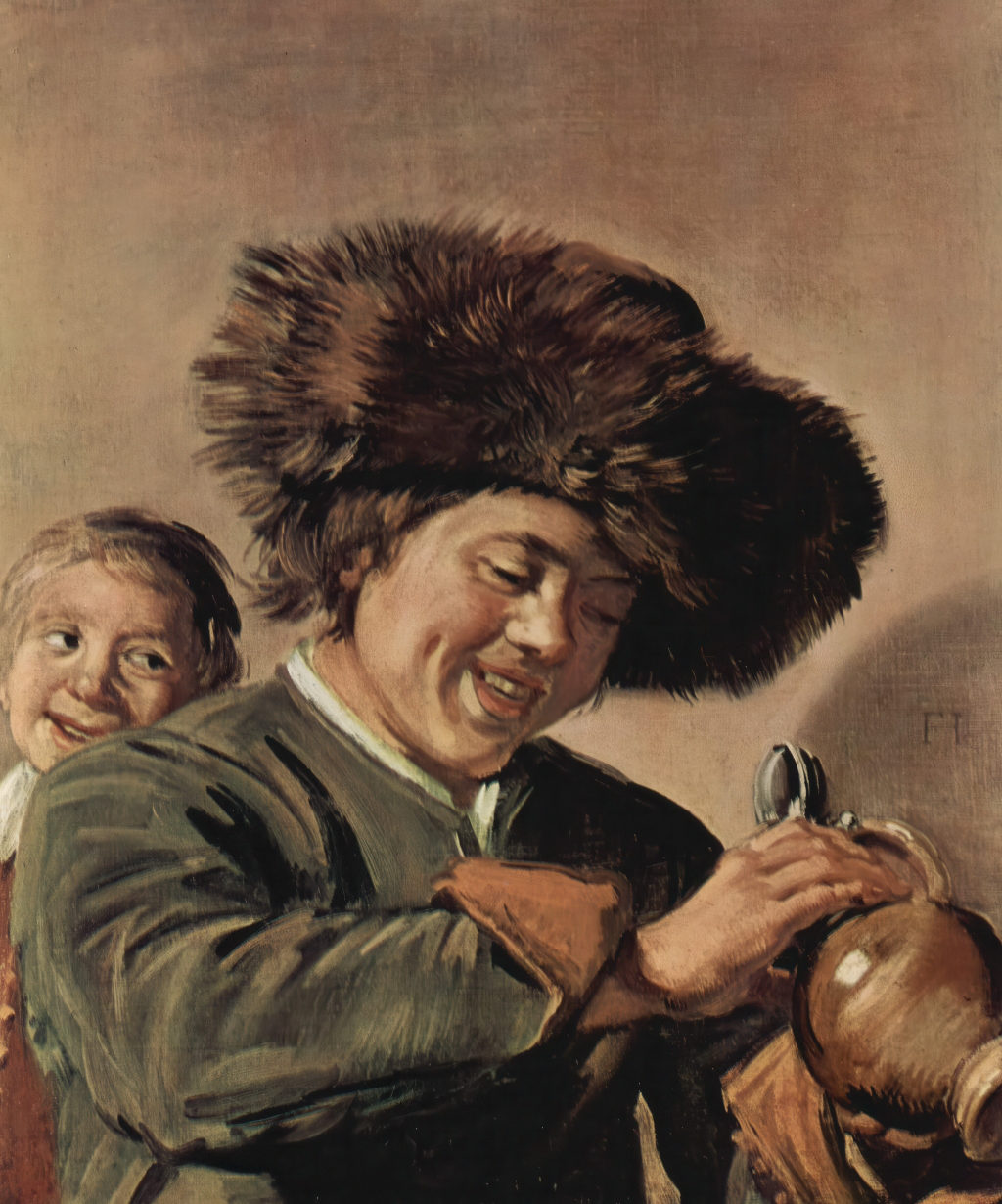
Two Laughing Boys with a Mug of Beer, painted around 1626–1628, is one of Frans Hals' most engaging depictions of youthful exuberance. Unlike his formal commissioned portraits, this lively composition captures two animated boys sharing a moment of laughter over a large mug of beer, demonstrating Hals' unrivalled ability to transform fleeting expressions into convincing works of art.
The painting combines humour, movement and extraordinary brushwork with subtle observations of seventeenth-century Dutch social life. Whether viewed as a genre scene, a tronie or an imaginative character study, it reveals Hals at his most spontaneous and entertaining.
This page explores the painting's meaning, symbolism, technique, historical context and importance within Hals' career, while examining why it remains one of his most appealing images of youthful vitality.
- ArtistFrans Hals
- Datec.1626–1628
- MediumOil on canvas
- GenreGenre painting / Tronie
- Current LocationMusée du Louvre, Paris
- Why It MattersA joyful demonstration of Hals' genius for depicting laughter, movement and human interaction.
Contents
- Overview
- Looking at the Painting
- Youth, Friendship and Laughter
- Beer and Dutch Drinking Culture
- Technique and Brushwork
- Meaning and Interpretation
- Provenance
- Legacy
- FAQs
- References
Overview
Two Laughing Boys with a Mug of Beer is among Frans Hals' most delightful explorations of youthful energy and spontaneous expression. Painted in the late 1620s, the work abandons the restraint of formal portraiture in favour of a lively interaction between two boys who appear completely absorbed in a shared moment of amusement.
Like many of Hals' most engaging works, the painting blurs the boundaries between portrait, genre scene and tronie. Whether the boys were real sitters or imaginative characters is less important than the extraordinary sense of life that Hals conveys through their expressions, gestures and confident handling of paint.
Rather than presenting a moralising image, Hals invites viewers to participate in the scene. The laughter feels genuine, the movement immediate and the interaction completely natural, qualities that continue to make the painting one of the artist's most appealing celebrations of everyday life.
Why This Painting Matters
The picture demonstrates Hals' remarkable ability to transform an ordinary moment into a timeless study of human personality, humour and companionship.
Looking at the Painting
The composition is intimate and direct. The two boys are shown close together, their faces illuminated against a subdued background that focuses attention on their expressions. Between them sits a large mug of beer, serving as both a compositional anchor and a symbol of conviviality.
Their laughter is the defining feature of the painting. One boy looks outward while the other reacts to the shared moment, creating the impression that the viewer has unexpectedly interrupted an animated conversation. Hals avoids rigid poses, instead allowing shoulders, hands and faces to move freely across the canvas.
Close inspection reveals the painter's technical confidence. Hair, clothing, skin and the reflective surface of the mug are all suggested with energetic brushstrokes that appear loose up close yet resolve into convincing forms when viewed from a distance.
Youth, Friendship and Laughter
Laughter was surprisingly uncommon in European portraiture before the seventeenth century. Hals helped change this tradition by demonstrating that smiling and laughing faces could be painted with dignity, individuality and psychological truth. In Two Laughing Boys with a Mug of Beer, laughter becomes the central subject of the painting.
The relationship between the boys is deliberately open to interpretation. They may be brothers, friends, apprentices or simply invented characters, but their shared enjoyment gives the composition a universal quality. Rather than documenting a specific event, Hals captures the timeless experience of youthful companionship.
This emphasis on natural human interaction would become one of Hals' defining achievements and would later inspire artists including Édouard Manet, Vincent van Gogh and John Singer Sargent, all of whom admired his ability to suggest life through apparently effortless brushwork.
Beer and Dutch Drinking Culture
To modern viewers, the large mug of beer may seem an unusual object to place at the centre of a painting featuring two boys. In the seventeenth-century Dutch Republic, however, beer was an everyday beverage consumed by people of many ages. Brewing formed one of the country's most important industries, and in towns such as Haarlem beer was often safer to drink than untreated water.
Within Dutch art, drinking scenes could be interpreted in several ways. Some celebrated friendship, hospitality and sociability, while others warned against excess and foolish behaviour. Frans Hals deliberately leaves the meaning open. The boys appear joyful rather than intoxicated, encouraging viewers to appreciate the warmth of companionship without turning the scene into an obvious moral lesson.
The substantial stoneware mug also acts as a visual centrepiece. Its rounded form anchors the composition while symbolising shared enjoyment, reminding us that communal eating and drinking played an important role in everyday Dutch life.
Beer in the Dutch Republic
Beer was not simply an alcoholic drink. It was a staple of everyday life, an important commercial product and a familiar symbol of hospitality, celebration and social interaction.
Technique and Brushwork
Although modest in scale, Two Laughing Boys with a Mug of Beer demonstrates Frans Hals' extraordinary technical confidence. His brushwork appears rapid and spontaneous, yet every mark contributes to the convincing illusion of flesh, fabric, pottery and reflected light.
The boys' faces provide an excellent example of Hals' method. Rather than blending every transition smoothly, he builds form through separate strokes of pink, ochre, grey and white. Seen close up these marks appear almost abstract; from a normal viewing distance they unite to create animated, lifelike expressions.
The handling of the mug is equally impressive. Highlights are applied with remarkable economy, suggesting the hard surface of glazed stoneware without unnecessary detail. Throughout the painting Hals demonstrates that expressive brushwork could achieve greater realism than painstaking finish.
Meaning and Interpretation
The enduring appeal of Two Laughing Boys with a Mug of Beer lies partly in its openness to interpretation. Some viewers see a simple celebration of youthful friendship, while others detect a gentle warning about pleasure, idleness or excessive drinking. Dutch artists frequently embedded moral ideas within apparently ordinary scenes, allowing different audiences to draw different conclusions.
Whatever its precise message, the painting succeeds because it captures a universal human experience. Laughter, companionship and shared enjoyment transcend the specific circumstances of seventeenth-century Haarlem, making the picture feel surprisingly modern despite its age.
Ultimately, Hals seems less interested in preaching than in observing. He transforms an everyday encounter into a convincing study of personality, demonstrating once again that his greatest subject was the vitality of human life itself.
Provenance
Today Two Laughing Boys with a Mug of Beer is housed in the Musée du Louvre, Paris, where it forms part of one of the world's finest collections of Dutch Golden Age painting. Over the centuries the work passed through distinguished European collections before entering the French national collection, reflecting the growing admiration for Hals among collectors and museums.
Its preservation in the Louvre has allowed generations of visitors to appreciate Hals' remarkable handling of expression and brushwork alongside masterpieces by Rembrandt, Vermeer and other seventeenth-century painters.
Influence and Legacy
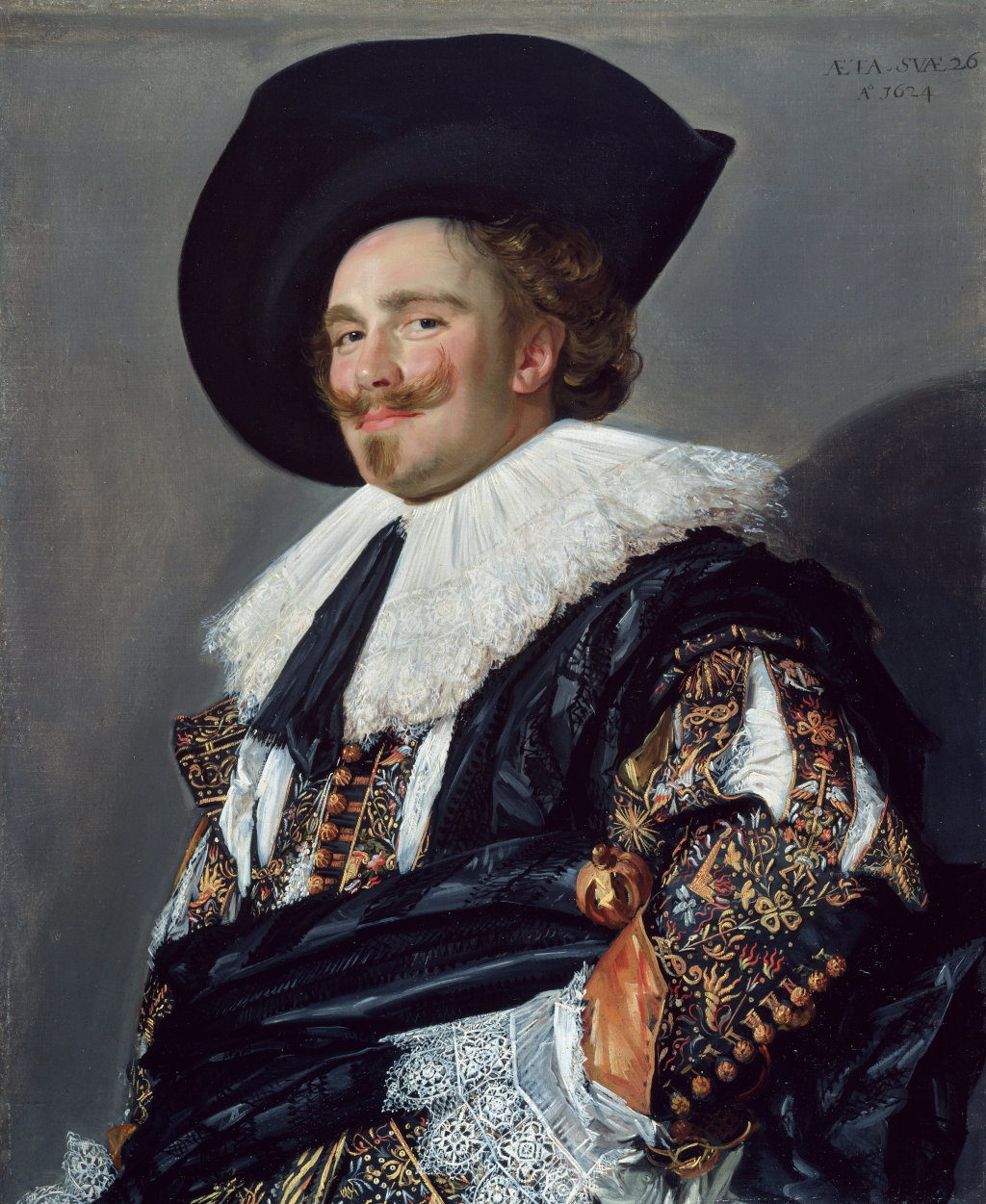
Although overshadowed by The Laughing Cavalier in popular culture, Two Laughing Boys with a Mug of Beer demonstrates many of the qualities that later inspired artists such as Édouard Manet, Vincent van Gogh and John Singer Sargent. Its seemingly effortless brushwork, convincing expressions and relaxed informality appeared strikingly modern to nineteenth-century painters seeking alternatives to highly polished academic technique.
Today the painting is admired not only for its technical brilliance but also for its humanity. Hals reminds us that everyday moments of shared laughter can possess the same artistic significance as grand historical or religious subjects.
The Painting in Context
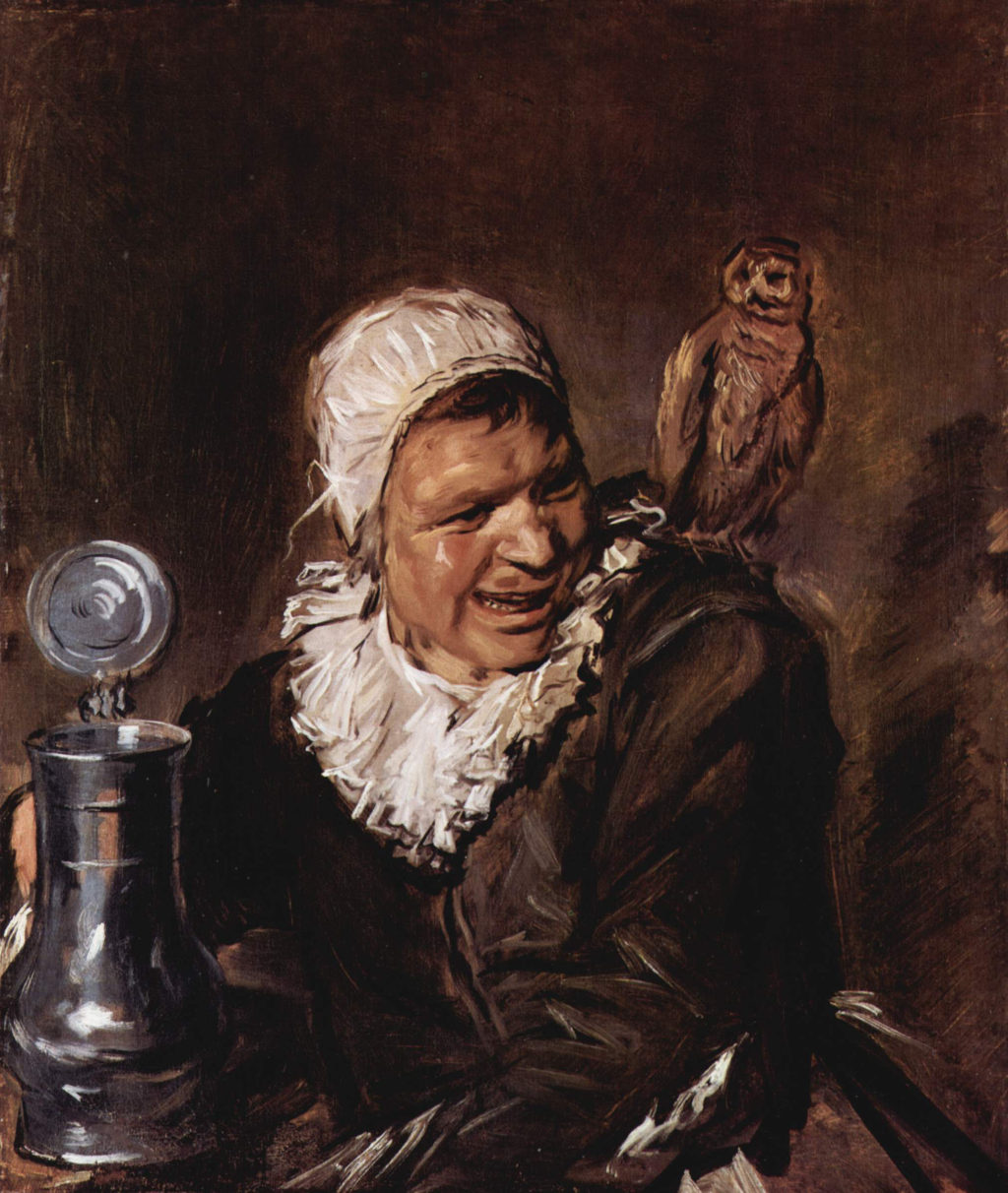
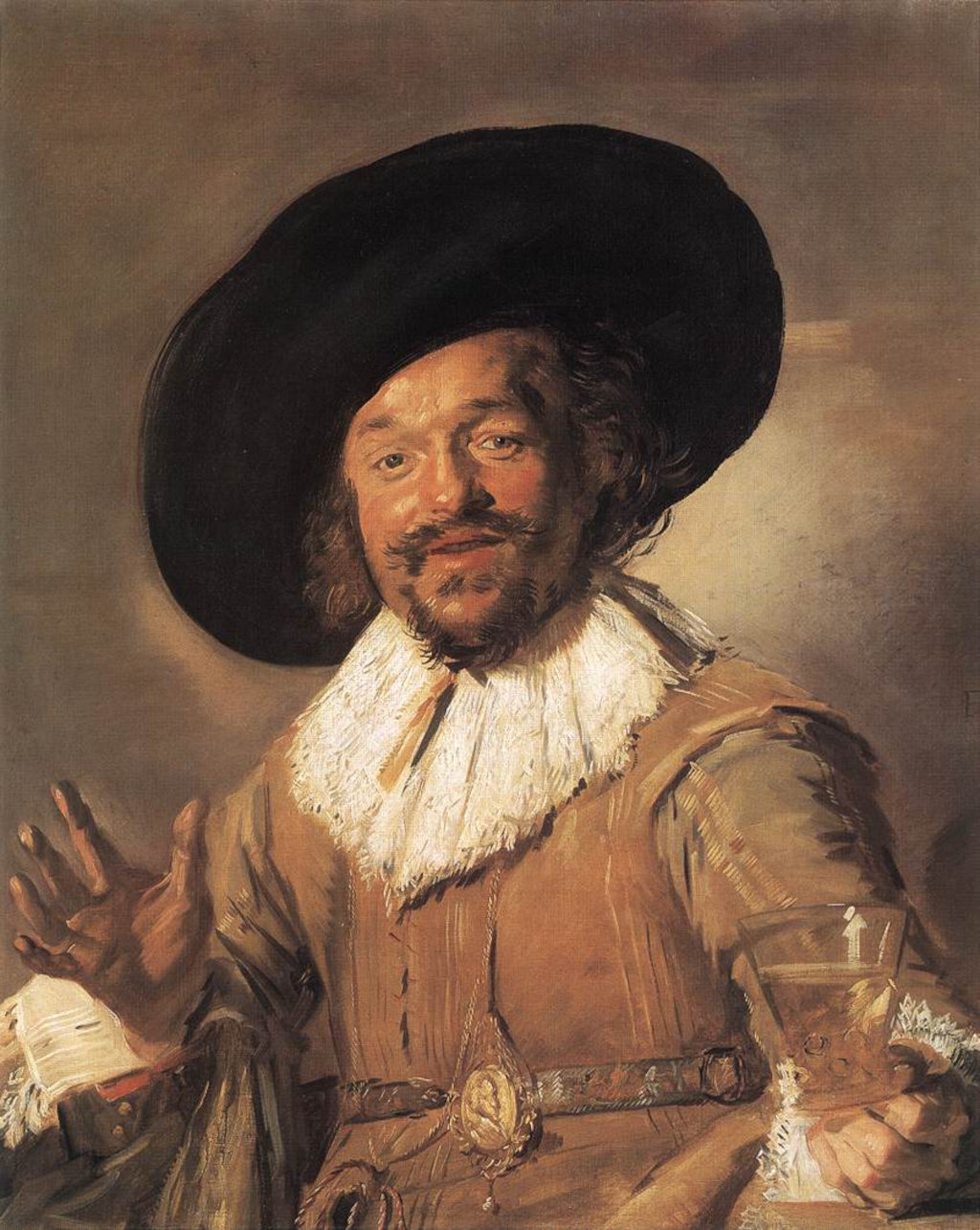
This work belongs to a broader group of Hals paintings devoted to cheerful drinkers, musicians and expressive young figures. Together with The Merry Drinker, The Lute Player and Shrovetide Revellers, it demonstrates his lifelong fascination with spontaneity, sociability and the theatre of everyday life.
Seen together, these paintings reveal that Hals was not simply a portrait painter but one of Europe's greatest observers of human behaviour. Whether depicting wealthy merchants or laughing youths, he consistently sought to capture the fleeting expressions that make people appear vividly alive.
Frequently Asked Questions
References
- Christopher D. M. Atkins, Frans Hals, Reaktion Books, 2012.
- Seymour Slive, Frans Hals, 3 vols., Phaidon, 1970–1974.
- Claus Grimm, Frans Hals: The Complete Work, Harry N. Abrams, 1990.
- Friso Lammertse et al., Frans Hals, National Gallery / Rijksmuseum / Gemäldegalerie, 2023.
- Musée du Louvre collection catalogue.
- RKD – Netherlands Institute for Art History.
- Walter Liedtke, Dutch Paintings in the Metropolitan Museum of Art, 2007.