 by Tom Gurney
Tom Gurney BSc (Hons) is an art history expert with over 20 years experience
Published on June 29, 2026 / Updated on June 29, 2026
Email: tomgurney1@gmail.com / Phone: +44 7429 011000
The Joy of an Everyday Moment
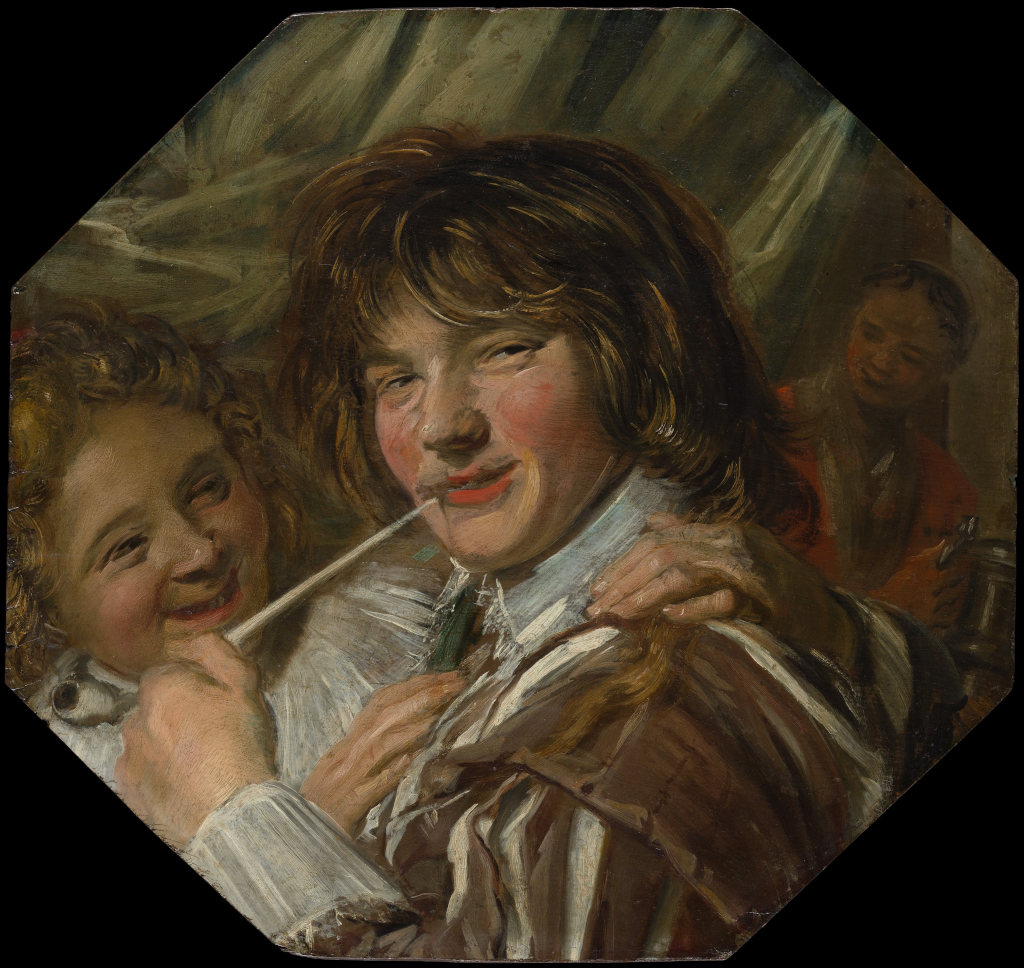
Among Frans Hals' most engaging paintings is The Smoker, a lively portrait of a young man enjoying one of the newest fashions to sweep across seventeenth-century Europe. Rather than portraying an important civic official or wealthy merchant, Hals focuses on an ordinary social moment, capturing the sitter with a pipe in hand and an expression of unmistakable enjoyment. The result is one of the freshest and most spontaneous images of everyday life produced during the Dutch Golden Age.
Painted around the late 1620s, the work belongs to a period in which Hals was transforming portraiture through his extraordinary ability to record fleeting expressions. Smiles, laughter and informal gestures rarely appeared in earlier European portraits, which traditionally emphasised dignity and permanence. Hals instead celebrated movement, personality and the unpredictable rhythms of real life.
The subject itself would have been immediately recognisable to contemporary viewers. Tobacco had reached Europe only decades earlier following Spanish and Portuguese exploration of the Americas. By the early seventeenth century smoking had spread rapidly across the Dutch Republic, becoming a fashionable social activity despite continuing debates about its morality and health. Pipes, taverns and smoking companions became familiar sights within Dutch towns, and artists increasingly incorporated them into scenes of everyday life.
Although the painting appears wonderfully uncomplicated, it raises several intriguing questions. Is this a commissioned portrait of a real individual, or a character study intended to represent youthful sociability? Is the smoker celebrating simple pleasure, or gently reminding viewers of the fleeting nature of earthly enjoyment? Like many of Hals' finest works, the painting resists a single interpretation.
Today, The Smoker is admired for its infectious vitality, confident brushwork and remarkable psychological immediacy. It demonstrates Hals' unique ability to transform an apparently ordinary moment into something timeless, reminding us that great art often emerges not from grand historical events but from careful observation of everyday human experience.
- Artist Frans Hals (c.1582/3–1666)
- Date c.1625–1630
- Medium Oil on canvas
- Main Themes Tobacco, sociability, humour and everyday life
- Movement Dutch Golden Age
- Why It Matters A vivid demonstration of Hals' gift for capturing spontaneous human expression.
Contents
- Historical Background
- Looking at the Painting
- Meaning and Symbolism
- Composition and Technique
- Legacy
- Timeline
- Interesting Facts
- FAQs
- References
Historical Background
During the 1620s the Dutch Republic experienced extraordinary commercial prosperity. Ships arriving from Asia, Africa and the Americas introduced unfamiliar goods that quickly transformed everyday life. Among the most fashionable of these imports was tobacco. Originally regarded as an exotic curiosity, smoking soon became an accepted part of urban sociability, particularly among young men gathering in taverns, gardens and private houses.
Frans Hals proved uniquely suited to recording this changing social world. Rather than limiting himself to formal portrait commissions, he explored moments of laughter, conversation and celebration with remarkable freshness. His paintings reveal a society increasingly confident, prosperous and willing to celebrate ordinary pleasures alongside civic achievement.
The Smoker reflects this atmosphere perfectly. Whether portraying an identifiable sitter or a carefully observed character, Hals captures an image of relaxed enjoyment that feels strikingly modern. The painting reminds us that the Dutch Golden Age was shaped not only by commerce and politics but also by the everyday rituals through which people formed friendships and expressed personality.
Looking at the Painting
The painting immediately captures attention through the sitter's animated expression. Rather than adopting the restrained dignity expected in many seventeenth-century portraits, the young man appears caught in the middle of a fleeting moment. His eyes are alert, his mouth hints at conversation or laughter, and the pipe becomes less an object of display than a natural extension of his personality. Hals succeeds in creating the impression that the figure has only briefly paused before continuing whatever conversation or celebration has just been interrupted.
This spontaneity was one of Hals' greatest artistic innovations. Earlier portrait painters often emphasised permanence and social status, arranging their sitters in carefully balanced poses. Hals preferred immediacy. He sought expressions that changed from one second to the next, creating portraits that feel remarkably alive even four centuries later.
The composition itself is economical. Little distracts from the figure, allowing the viewer to concentrate on expression, gesture and the interaction between the sitter and his pipe. Hals understood that removing unnecessary background detail often strengthened psychological impact. Instead of telling us where the sitter is, he encourages us to focus on who he is.
Looking Closely: Expression Before Objects
Before examining the pipe, spend a moment studying the sitter's face. Notice how naturally your attention is drawn towards the expression before the smoking implement itself. Hals consistently places human character above symbolic detail.
Meaning and Symbolism
To modern viewers, the pipe may appear little more than an everyday object. During the seventeenth century, however, tobacco represented something comparatively new and fashionable. Imported through expanding global trade, smoking quickly became associated with sociability, leisure and the pleasures of urban life. Artists recognised that a pipe could immediately establish the mood of an image, suggesting conversation, relaxation and informal companionship.
At the same time, Dutch audiences were accustomed to finding multiple layers of meaning within apparently ordinary scenes. Pleasure was often understood to be temporary, and many paintings quietly reminded viewers that earthly enjoyments should be appreciated without becoming life's sole purpose. A pipe therefore possessed an ambiguity that appealed to artists. It could celebrate conviviality while also hinting at the fleeting nature of human experience.
Unlike some contemporaries, Hals avoids overt moralising. Nothing in the sitter's expression suggests condemnation or excess. Instead, the painting acknowledges that pleasure forms an ordinary and legitimate part of everyday existence. This refusal to impose a rigid moral lesson gives the work much of its enduring freshness.
Tobacco in the Dutch Republic
The rapid spread of tobacco reflected the remarkable commercial reach of the Dutch Republic during the seventeenth century. Goods arriving from across the Atlantic and beyond transformed domestic habits, introducing unfamiliar tastes and customs into everyday life. Clay pipes became inexpensive and widely available, making smoking accessible across different social groups. By Hals' lifetime, the sight of someone enjoying a pipe would have been entirely familiar.
Artists frequently incorporated these new habits into their work because they reflected contemporary society. Rather than celebrating distant historical events, Dutch painters increasingly explored ordinary experiences that viewers recognised from their own daily lives. Hals' smoker therefore represents more than an individual; he embodies the changing social culture of the Dutch Golden Age.
Composition and Technique
The apparent simplicity of the painting conceals remarkable technical sophistication. Hals organises the composition so that the sitter's face, hands and pipe create a natural visual rhythm. Our eye moves instinctively between these elements before returning once again to the animated expression. Every compositional decision reinforces the impression of living presence rather than static display.
The brushwork displays the confidence for which Hals later became famous. Instead of smoothing every transition, he allows individual strokes to remain visible, particularly in the handling of fabric, hair and flesh. Viewed closely, these marks appear surprisingly free. From a normal viewing distance, however, they unite into a convincing and remarkably lifelike image. This economy of means profoundly influenced later painters including Édouard Manet, John Singer Sargent and Vincent van Gogh.
Equally impressive is Hals' treatment of light. Soft highlights animate the sitter's face and hands without becoming theatrical, while subtle tonal variations prevent the darker costume from appearing flat. The painting demonstrates that realism depends not upon exhaustive detail but upon careful observation of how light defines form.
Perhaps the greatest achievement lies in the sense of movement. The sitter appears ready to smile, speak or raise the pipe once again. Hals captures not a frozen instant but a continuing action, encouraging the viewer to imagine what happened immediately before and immediately after the moment preserved on canvas. Few portrait painters of the seventeenth century conveyed such convincing vitality through such economical means.
Legacy and Why It Still Matters
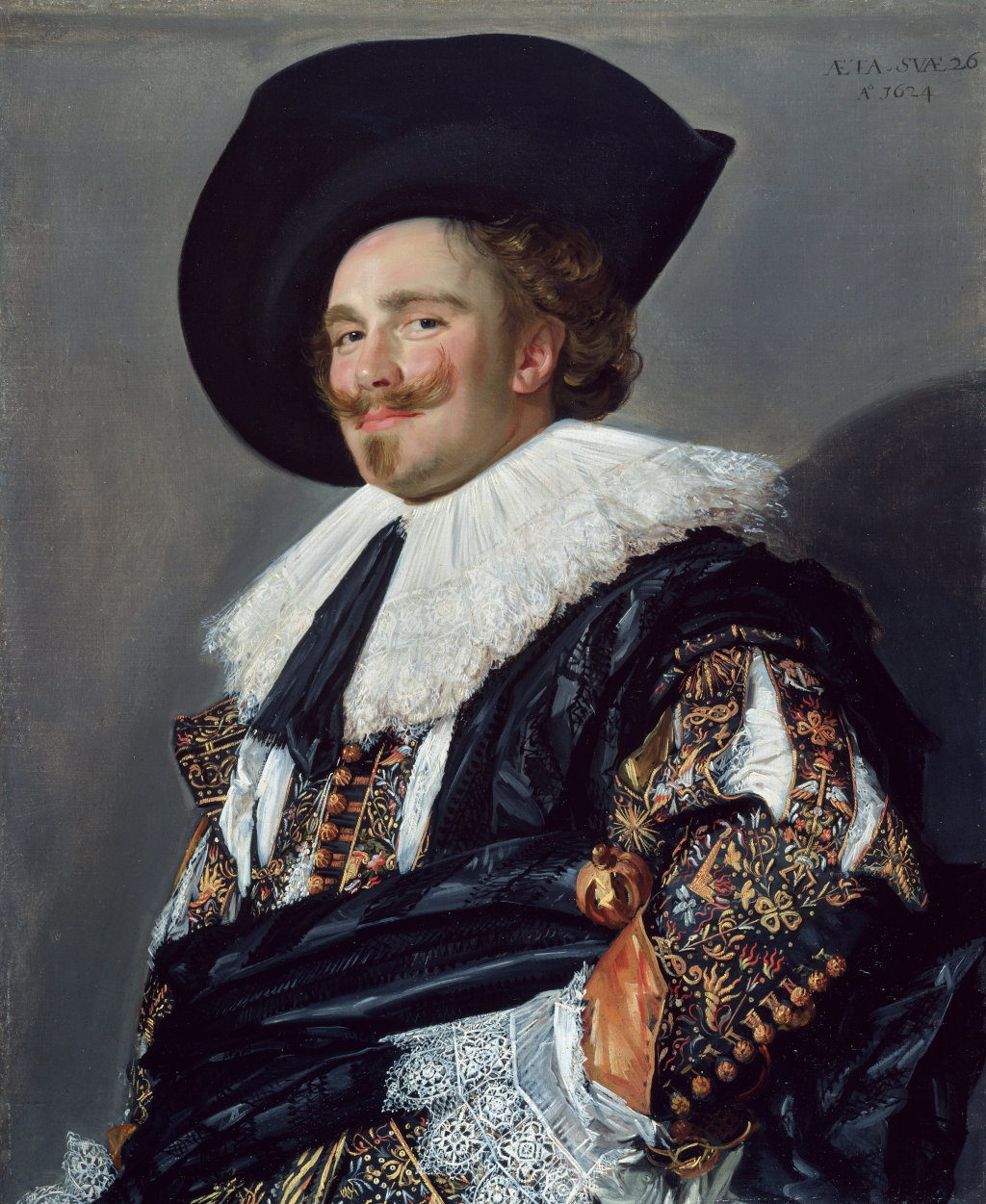
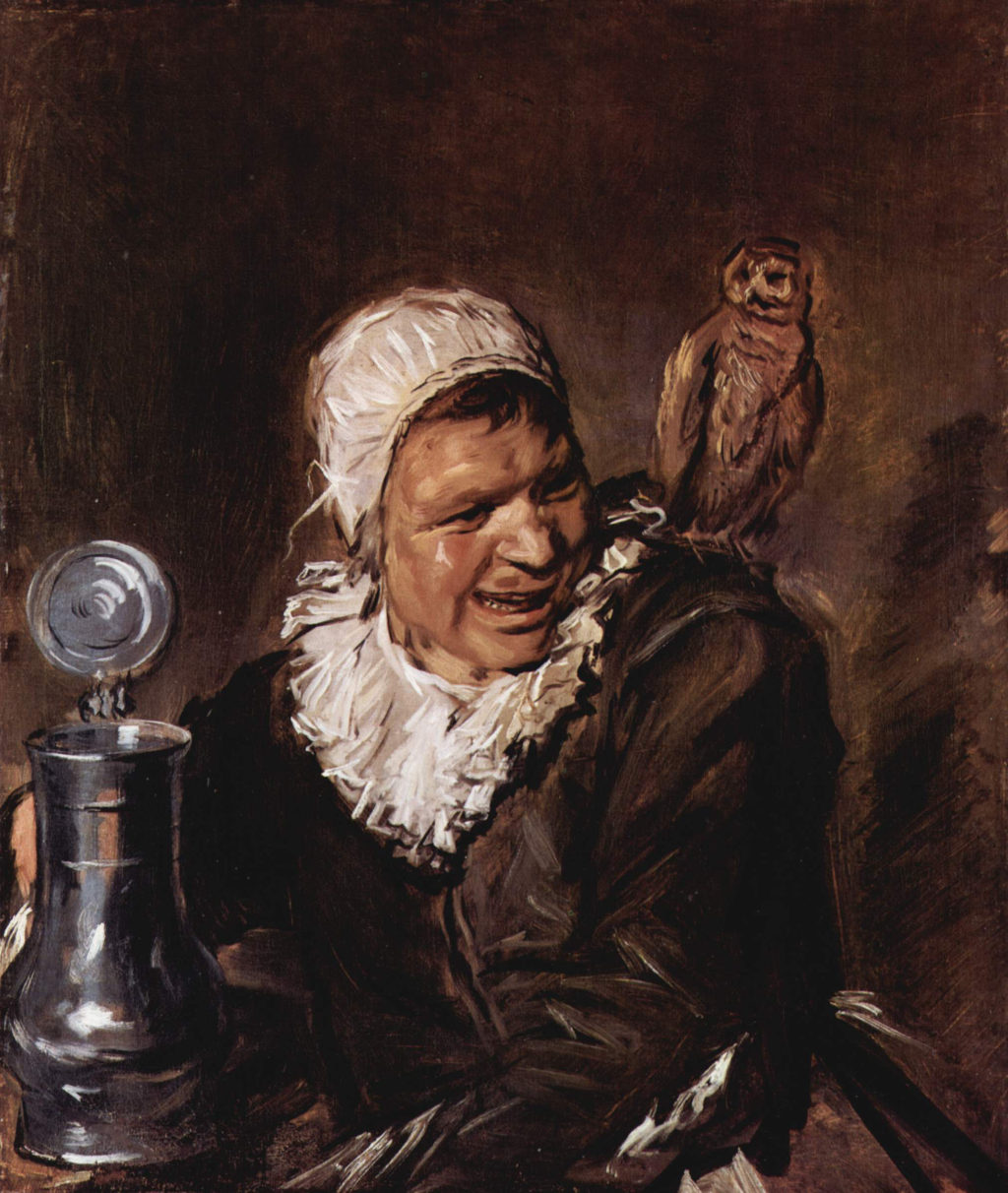
Although The Smoker is less famous than works such as The Laughing Cavalier or Malle Babbe, it perfectly demonstrates the qualities that make Frans Hals one of the most original painters of the Dutch Golden Age. Rather than celebrating wealth or political importance, he finds artistic significance in an ordinary social moment. The painting reminds us that personality, humour and shared experience can be just as worthy of preservation as the lives of kings or generals.
Hals' approach proved remarkably influential. During the nineteenth century, artists including Gustave Courbet, Édouard Manet, John Singer Sargent and Vincent van Gogh admired his ability to paint directly from observation while allowing individual brushstrokes to remain visible. They recognised that Hals could suggest movement, expression and character with an economy that seemed astonishingly modern.
Today, The Smoker continues to appeal because its subject remains immediately recognisable. While attitudes towards tobacco have changed dramatically since the seventeenth century, the painting is fundamentally about sociability rather than smoking itself. It captures the relaxed confidence of a person enjoying a moment with friends, a universal experience that continues to resonate across cultures and centuries.
Why It Still Matters
The painting reminds us that great portraiture is not simply about recording appearances. Hals was interested in the moments between formal poses—the smile that appears unexpectedly, the glance exchanged during conversation, the small gestures that reveal personality more truthfully than carefully arranged expressions. Modern photography often seeks exactly the same qualities.
The work also demonstrates how everyday subjects can become enduring works of art. A young man with a pipe might seem an unremarkable subject, yet Hals transforms the scene into a vivid study of human presence through observation, confidence and extraordinary technical skill. Four centuries later, the painting still feels fresh because it captures behaviour that remains fundamentally familiar.
Looking Closely: A Moment That Never Ends
Imagine what happens one second after the painting ends. Does the sitter laugh? Raise the pipe? Continue a conversation? Hals deliberately paints a moment suspended in time, encouraging every viewer to complete the story differently.
Timeline
- c.1625–1630 — Frans Hals paints The Smoker during the most innovative phase of his early career.
- Seventeenth century — Tobacco becomes a fashionable part of everyday life in the Dutch Republic following expanding global trade.
- Nineteenth century — Artists including Manet and Van Gogh help revive appreciation of Hals' expressive brushwork.
- Twentieth century — Technical study confirms Hals' extraordinary economy of painting and sophisticated handling of light.
- Today — The painting remains admired as one of Hals' finest studies of everyday sociability.
Interesting Facts
- Smoking was still a comparatively recent habit in Europe when Hals painted this work.
- Clay tobacco pipes became one of the defining everyday objects of the Dutch Golden Age.
- Hals rarely moralises, allowing viewers to interpret the sitter's enjoyment for themselves.
- The visible brushwork that shocked some eighteenth-century critics later inspired the Impressionists.
- The painting demonstrates Hals' lifelong fascination with spontaneous human expression.
FAQs
Legacy and Why It Still Matters
Although The Smoker is less famous than works such as The Laughing Cavalier or Malle Babbe, it perfectly demonstrates the qualities that make Frans Hals one of the most original painters of the Dutch Golden Age. Rather than celebrating wealth or political importance, he finds artistic significance in an ordinary social moment. The painting reminds us that personality, humour and shared experience can be just as worthy of preservation as the lives of kings or generals.
Hals' approach proved remarkably influential. During the nineteenth century, artists including Gustave Courbet, Édouard Manet, John Singer Sargent and Vincent van Gogh admired his ability to paint directly from observation while allowing individual brushstrokes to remain visible. They recognised that Hals could suggest movement, expression and character with an economy that seemed astonishingly modern.
Today, The Smoker continues to appeal because its subject remains immediately recognisable. While attitudes towards tobacco have changed dramatically since the seventeenth century, the painting is fundamentally about sociability rather than smoking itself. It captures the relaxed confidence of a person enjoying a moment with friends, a universal experience that continues to resonate across cultures and centuries.
Why It Still Matters
The painting reminds us that great portraiture is not simply about recording appearances. Hals was interested in the moments between formal poses—the smile that appears unexpectedly, the glance exchanged during conversation, the small gestures that reveal personality more truthfully than carefully arranged expressions. Modern photography often seeks exactly the same qualities.
The work also demonstrates how everyday subjects can become enduring works of art. A young man with a pipe might seem an unremarkable subject, yet Hals transforms the scene into a vivid study of human presence through observation, confidence and extraordinary technical skill. Four centuries later, the painting still feels fresh because it captures behaviour that remains fundamentally familiar.
Looking Closely: A Moment That Never Ends
Imagine what happens one second after the painting ends. Does the sitter laugh? Raise the pipe? Continue a conversation? Hals deliberately paints a moment suspended in time, encouraging every viewer to complete the story differently.
Timeline
- c.1625–1630 — Frans Hals paints The Smoker during the most innovative phase of his early career.
- Seventeenth century — Tobacco becomes a fashionable part of everyday life in the Dutch Republic following expanding global trade.
- Nineteenth century — Artists including Manet and Van Gogh help revive appreciation of Hals' expressive brushwork.
- Twentieth century — Technical study confirms Hals' extraordinary economy of painting and sophisticated handling of light.
- Today — The painting remains admired as one of Hals' finest studies of everyday sociability.
Interesting Facts
- Smoking was still a comparatively recent habit in Europe when Hals painted this work.
- Clay tobacco pipes became one of the defining everyday objects of the Dutch Golden Age.
- Hals rarely moralises, allowing viewers to interpret the sitter's enjoyment for themselves.
- The visible brushwork that shocked some eighteenth-century critics later inspired the Impressionists.
- The painting demonstrates Hals' lifelong fascination with spontaneous human expression.