 by Tom Gurney
Tom Gurney BSc (Hons) is an art history expert with over 20 years experience
Published on June 19, 2020 / Updated on October 2, 2026
Email: tomgurney1@gmail.com / Phone: +44 7429 011000
Filippino Lippi and Ancient Rome
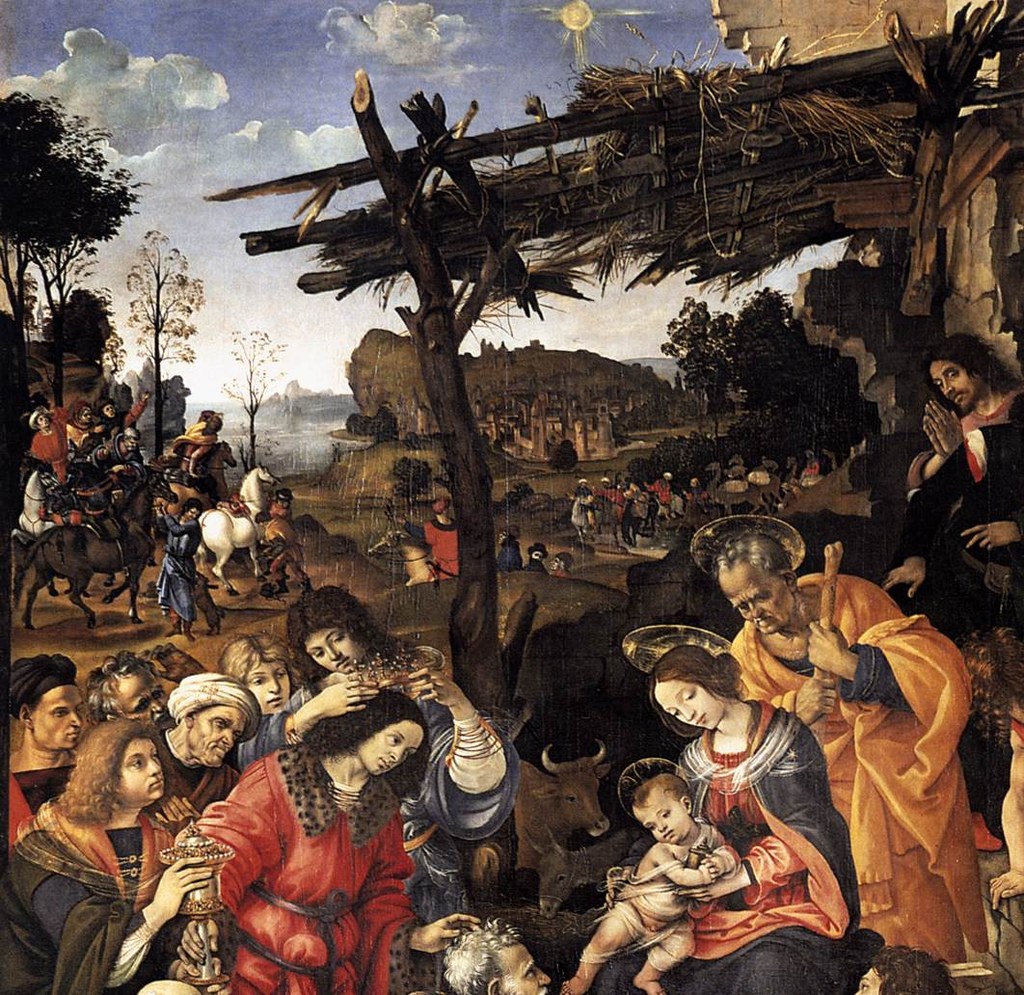
Filippino Lippi’s encounter with ancient Rome between 1488 and 1493 was the decisive transformation of his mature career. The Cleveland Museum of Art’s 2025–26 exhibition Filippino Lippi and Rome was organised specifically around this turning point, bringing paintings, drawings and antiquities together to show how direct study of Roman fragments altered both his style and his iconography.[1]
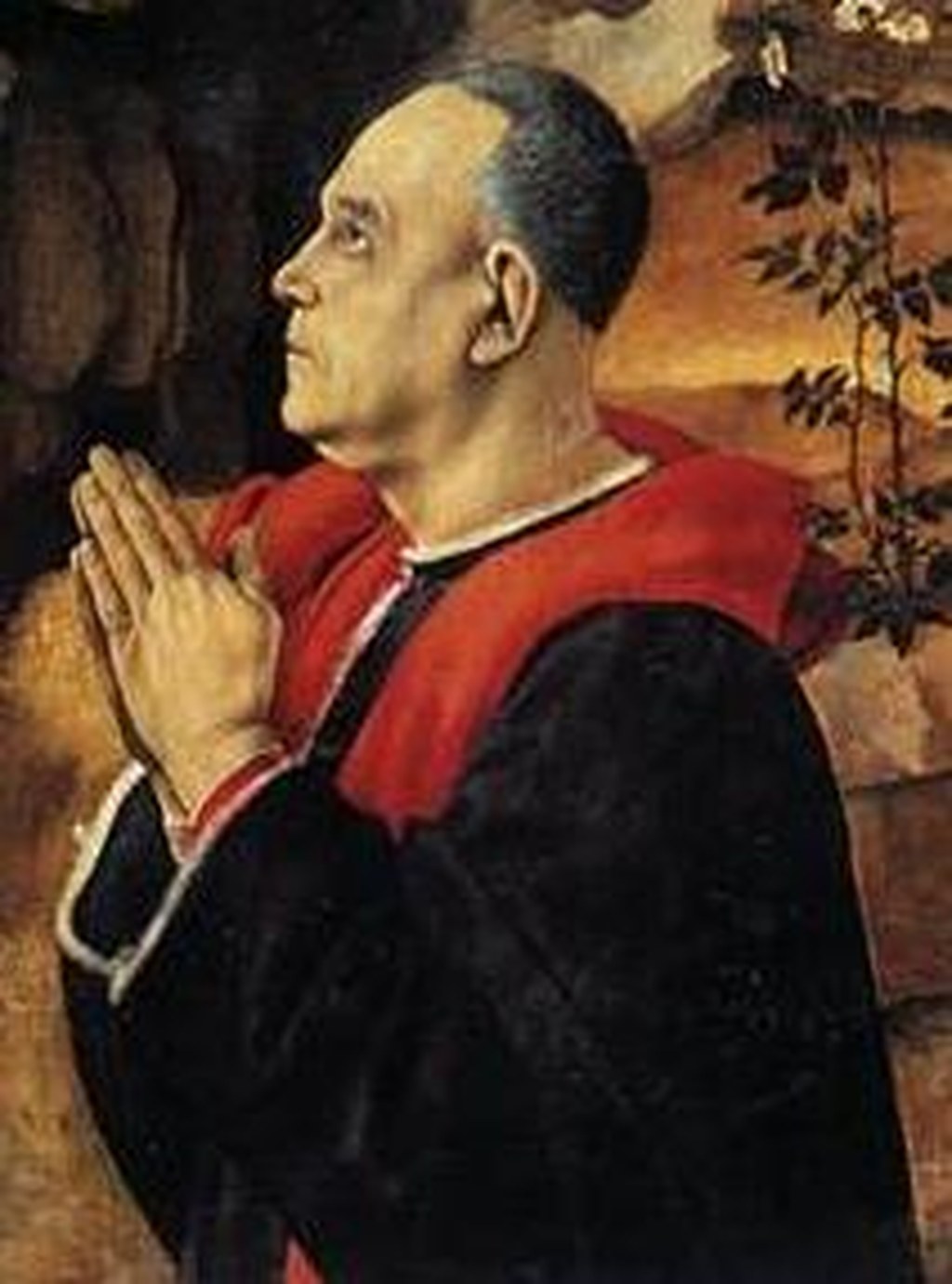
Filippino arrived in Rome to decorate the Carafa Chapel in Santa Maria sopra Minerva for Cardinal Oliviero Carafa. Lorenzo de’ Medici had recommended him for the commission.[5] He was already an accomplished Florentine painter. The Vision of Saint Bernard, Brancacci Chapel work, Strozzi Madonna and Nerli Altarpiece demonstrate that maturity.
Rome did not create his imagination. It redirected it. Cleveland emphasises the fragments Filippino encountered across the city: ancient sculpture, architecture and painting. He studied them through drawings and then transformed them in the Carafa Chapel, the Cleveland Holy Family and later Florentine works.[1]
The key word is transformation. Filippino was not an archaeologist reconstructing antiquity accurately. The Met describes his drawings as showing a “spirited reinvention of antique designs”.[4]
He detached poses, ornaments and architectural motifs from their original pagan settings and made them serve new Christian narratives. A study after an antique Venus could become Saint Margaret. Grotesque decoration could enter a Dominican chapel devoted to Saint Thomas Aquinas.
Triumphal architecture could frame Christian victory. This makes Filippino’s classicism very different from the calm harmonious model often associated with the High Renaissance. For him, antiquity generated strangeness as well as order.
At a Glance
- Roman period1488–93
- Principal patronCardinal Oliviero Carafa
- Major Roman commissionCarafa Chapel, Santa Maria sopra Minerva
- Major Roman panelHoly Family with Saint John the Baptist and Saint Margaret, Cleveland
- RecommendationLorenzo de’ Medici
- Primary antique sourcessculpture, architecture, painted decoration and fragments
- Key processdrawing after antique works, then transforming them into Christian imagery
- Major later effectRoman motifs continued throughout Filippino’s remaining Florentine career
- Best post-Roman monumentStrozzi Chapel, Santa Maria Novella
- Research anchorCleveland Museum of Art’s 2025–26 exhibition and catalogue
Contents
- Rome before Filippino
- Ancient Sculpture
- Why Grotesques Mattered
- The Cleveland Holy Family
- Rome and the Strozzi Chapel
- Florence as Preparation
- Movement
- Rome and Raphael
- Nero’s Golden House and Buried Interiors
- Memory rather than Reconstruction
- Monsters and Antiquity
- The Sibyl as Cultural Bridge
- Late Florence as Remembered Rome
- Roman Innovation after 1493
- Frequently Asked Questions
- References
Rome before Filippino
Rome in the late fifteenth century was not a city of intact classical monuments. It was a city of ruins and fragments. Ancient structures were embedded within medieval and Renaissance buildings.
Sculptures were excavated, collected or reused. Decorative painting survived in partially buried interiors. Humanists, patrons and artists were increasingly fascinated by these remains. Filippino entered this environment at precisely the moment antiquarian curiosity was intensifying.
The Eternal City as Workshop. For a Florentine painter, Rome offered a visual archive impossible to reproduce fully through drawings or written descriptions. Ancient bodies could be studied directly. Architectural proportions could be observed.
Reliefs provided crowded figure compositions. Painted fragments revealed ornamental systems radically different from conventional Florentine decoration. The city therefore became an extension of the workshop. Filippino could walk through source material.
Lorenzo de’ Medici’s Recommendation. The Roman opportunity depended upon networks. Cardinal Carafa engaged Filippino on Lorenzo de’ Medici’s recommendation. This shows how artistic mobility operated.
Talent alone was not enough. Patronal endorsement allowed a Florentine painter to enter a major Roman commission. The recommendation also demonstrates Filippino’s standing by 1488. He was trusted to represent Florentine artistic excellence outside the city.
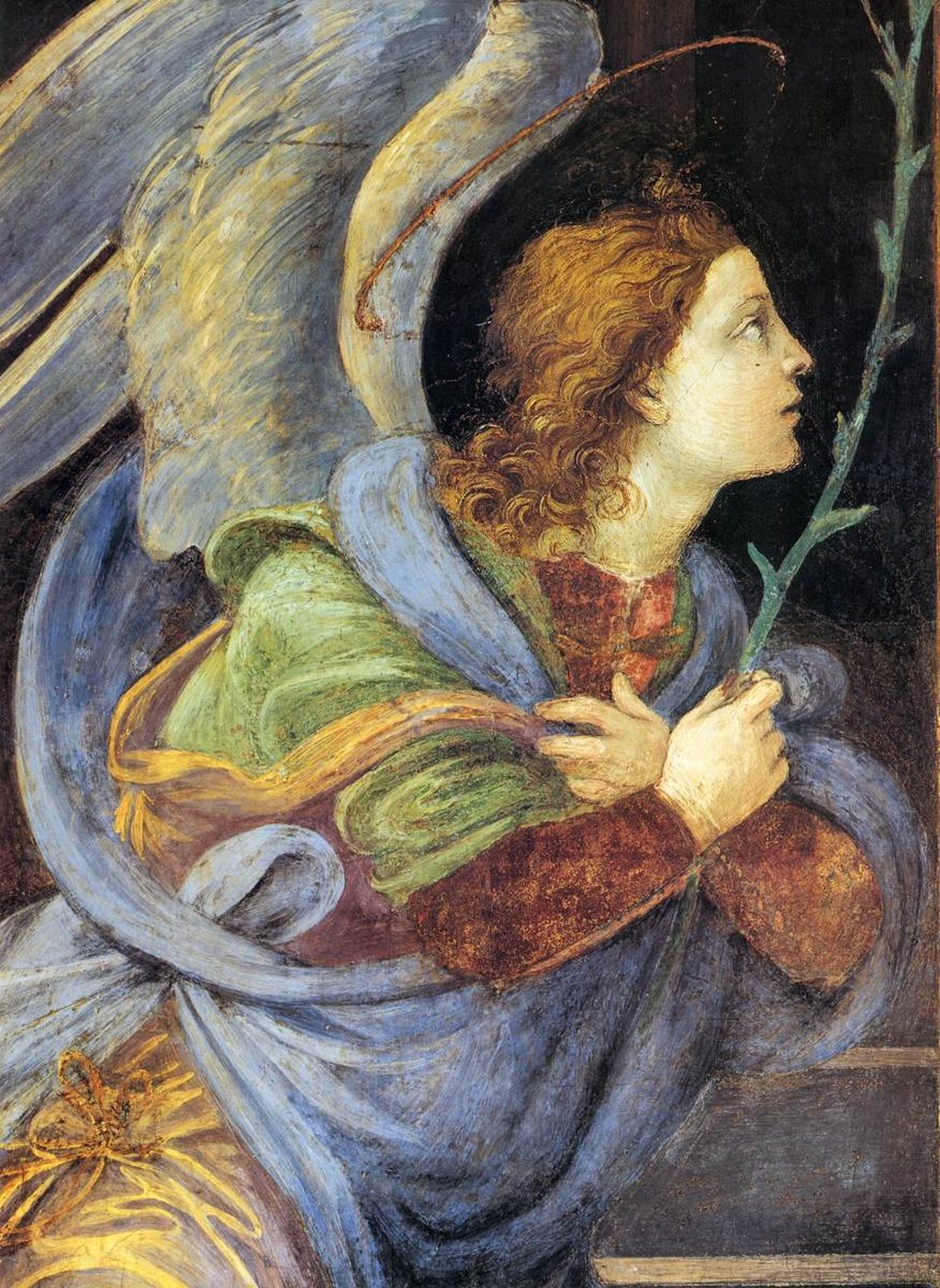
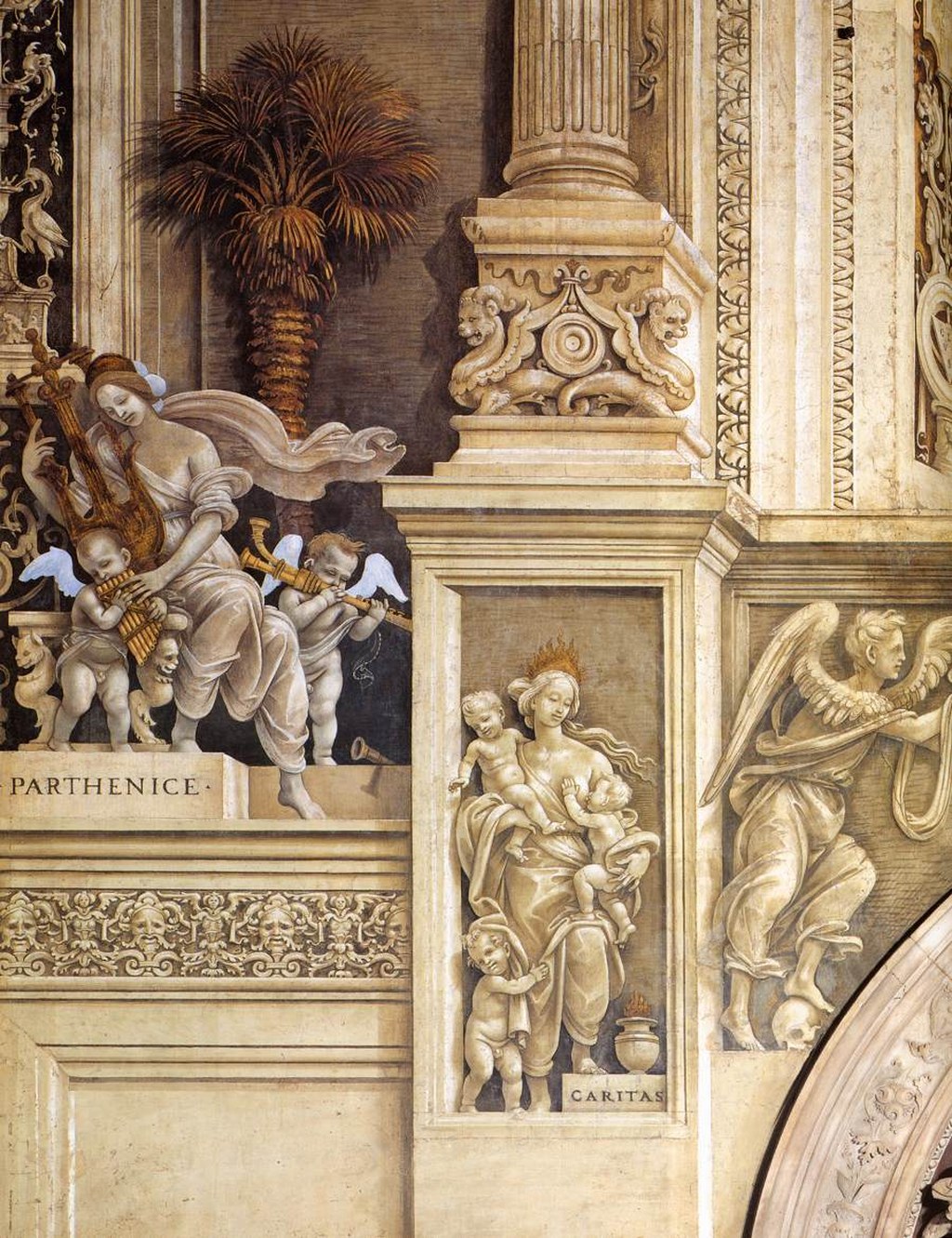
The Carafa Chapel as Laboratory. The Carafa Chapel became the place where Roman study was tested at monumental scale. Filippino had to create a Christian Dominican programme. Yet he surrounded Thomas Aquinas and the Virgin with a vocabulary increasingly drawn from antiquity. Sibyls, triumphal forms, personifications and grotesques appear. The chapel therefore acts almost like a laboratory in which pagan fragments are repeatedly converted into Christian meaning.
Ancient Sculpture
Sculpture gave Filippino bodies. A pose could be studied independently from subject. This is crucial to understanding Renaissance reuse.
The original statue might represent Venus, a hero or pagan deity. Filippino could extract weight distribution, torso turn or limb position. The form survived while identity changed. This process is visible most clearly in the Cleveland tondo.[1]
Venus Becoming Saint Margaret. Cleveland’s research connects a preparatory drawing after an antique Venus with Saint Margaret in the Holy Family.[1] This single example summarises Filippino’s method. He did not hide the classical source by abandoning the pose.
He Christianised it. A pagan goddess becomes a martyr saint. The body crosses religious systems. Drawing makes the translation possible.
Drawings after Antiquity. The Met’s 1997 catalogue includes Filippino’s studies after the antique as a major part of his draughtsmanship.[4] These sheets are not merely documentary records. They show selection.
Filippino notices what interests him. He may isolate one figure, ornament or gesture. The act of drawing already transforms the source before it reaches a painting.
Grotesques. Grotesques became one of the most distinctive features of Filippino’s mature art. The term derives from ancient decorative paintings found in buried or subterranean rooms that Renaissance viewers associated with grotte, or caves. These designs combined human, animal, plant and architectural elements freely.
They could be playful, hybrid and physically impossible. Filippino responded enthusiastically. The freedom suited his taste for unusual forms.
Why Grotesques Mattered
Classical antiquity is often imagined as disciplined proportion. Grotesques reveal another ancient tradition. They are fantastic.
Bodies merge with ornament. Plants turn into creatures. Architecture becomes decorative fiction. Filippino’s fascination therefore broadens our understanding of Renaissance classicism. Artists could admire ancient strangeness as much as ancient order.
The Carafa Sibyls. The Sibyls demonstrate how pagan figures could be integrated theologically. Ancient prophetesses were interpreted by Christian writers as having foretold Christ. Their pagan identity therefore became useful rather than threatening. In the Carafa Chapel, the Sibyls make antiquity witness Christian revelation. This intellectual conversion parallels Filippino’s visual conversion of ancient forms.
Thomas Aquinas and Classical Knowledge. The Thomas Aquinas programme is especially appropriate to this synthesis. Thomas represented a Christian intellectual tradition capable of engaging philosophy systematically. Personifications of Philosophy, Theology, Dialectic and Grammar surround him.
Ancient learning is therefore not rejected. It is placed into a Christian hierarchy. Filippino’s antiquarian decoration supports the same argument visually.
Pagan Form, Christian Meaning. This transformation repeats throughout the chapel. Triumphal architecture frames Christian subjects. Classical-looking statues become allegories of virtue.
Grotesques decorate sacred walls. The pagan past is appropriated into Christian present. The process demonstrates extraordinary cultural confidence. Christian patrons did not need to destroy ancient beauty in order to assert theological superiority. They could absorb it.
The Cleveland Holy Family
The tondo provides a portable counterpart to the fresco cycle. It was commissioned by the same patron during the Roman years. The painting brings antiquity into an intimate devotional format.
Saint Margaret’s pose derives from Venus. A weathered architectural pier evokes the material presence of ruins. Technical imaging reveals active revision. The Roman experiment therefore crosses from wall to panel.
Fragments rather than Reconstructions. Cleveland’s exhibition emphasises fragments.[1] This is conceptually important. Filippino did not encounter one coherent ancient world.
He encountered broken survivals. A fragment invites invention because missing context must be imagined. This may help explain why his late classicism became so fantastic. He learned from incomplete things.
Architecture. Roman architecture expanded Filippino’s spatial imagination. Arches, columns, capitals, reliefs and monumental ruins provided an enormous repertory. Yet his later painted architecture is often deliberately implausible.
He combines elements into theatrical structures. The aim is not archaeological reconstruction. Architecture becomes expressive setting.
Ruin as Creative Freedom. Ruins free the artist from strict imitation. A complete building tells you how parts fit. A broken column or fragment leaves possibilities open.
Filippino seems to have enjoyed that openness. His late architecture often feels reconstructed by imagination rather than scholarship. This is precisely why it is so distinctive.
Rome and the Strozzi Chapel
The Strozzi Chapel is the clearest proof that Rome remained active after Filippino returned to Florence. The commission had begun before his journey. Its eventual completion around 1502 bears the full impact of antique architecture and grotesque decoration. This makes the chapel a remarkable before-and-after case. The painter returned to an older project as a changed artist.
Temple of Mars. The Saint Philip scene at Strozzi places Christian preaching inside an imagined pagan temple. Filippino can now construct antiquity as an entire dramatic environment. Statues, monsters and architecture become part of the narrative conflict. Rome supplies the visual vocabulary through which pagan religion can be made compelling enough to defeat.
Antiquity and Christian Conflict. Filippino’s late sacred narratives often depend upon tension between admiration and rejection. The pagan temple is beautiful. Its religion is false within the Christian programme.
This tension is productive. The viewer is allowed to enjoy ancient visual culture while accepting the saint’s spiritual victory. That dual response is central to Renaissance humanism.
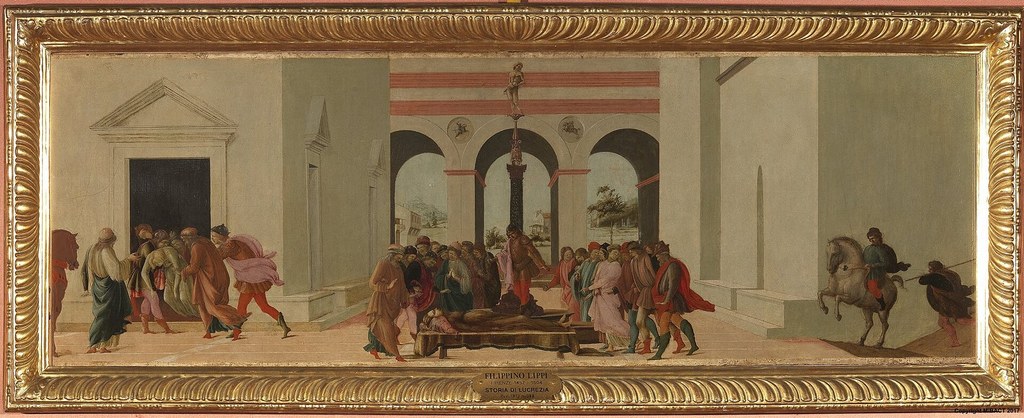
Ancient History before Rome. Filippino’s interest in classical antiquity began earlier than 1488. The Story of Lucretia around 1478–80 treats Roman Republican history and includes a prominent antique-looking nude statue. The Nerli Altarpiece also contains classicising architecture before the Roman journey. Rome therefore deepened an existing fascination.
Florence as Preparation
Florence itself was already rich in classical revival. Brunelleschi, Alberti, Donatello and humanist collectors had transformed the city’s relationship with antiquity. Filippino did not arrive in Rome culturally unprepared. He arrived with a Florentine Renaissance education. What changed was direct density of encounter.
Rome versus Florence. Florentine classicism often involved adaptation of ancient principles through new buildings and artworks. Rome confronted the painter with actual material remains. This difference matters.
One environment taught classical language through Renaissance interpretation. The other exposed broken originals. Filippino’s mature art combines both.
Antique Bodies and Christian Emotion. The transformation of Venus into Margaret also shows that classical bodies did not make sacred figures emotionally cold. Margaret participates in an intimate network of touch around Christ and John. Ancient form serves human tenderness. Filippino’s classicism is therefore not opposed to devotional emotion. It helps organise it.
Decorative Arts. The Met catalogue notes Filippino’s designs for decorative arts as part of his wider draughtsmanship.[4] This matters because antique motifs could migrate across media. An ornamental idea was not restricted to fresco. Drawings could feed furniture, metalwork, architectural decoration or panel painting. Rome expanded a reusable visual vocabulary.
Movement
Ancient sculpture also gave Filippino new resources for movement. Twisted torsos and complex poses could be studied from surviving bodies. His drawings already had a strong concern with motion. Antiquity intensified that interest. Late figures become increasingly energetic.
Expression. The Met describes Filippino’s drawings as unusually expressive.[4] Roman sources contributed not only ideal beauty but dramatic possibilities. Filippino’s late saints confront monsters, false philosophers and martyrdom. Classical form becomes a vehicle for emotional action. This is another way he differs from a purely harmonious model of classicism.
Rome and Leonardo. Cleveland’s exhibition also explores reciprocal flows of invention between Filippino and other artists including Leonardo da Vinci.[1] Both painters studied movement, grotesque possibility and unusual visual forms. Their relationship should not be simplified into one-way influence. Late-fifteenth-century Florence and Rome formed networks in which ideas circulated widely.
Rome and Raffaellino del Garbo. Raffaellino del Garbo belonged closely to Filippino’s circle. Cleveland emphasises the later circulation of Filippino’s Roman inventions among other artists.[1] This shows that the Roman transformation did not end with one painter. Filippino became a transmitter of antiquity to his own followers.
Rome and Raphael
The Met notes that Filippino’s drawings inspired even Raphael.[4] This gives his antiquarian studies a longer legacy. Raphael would develop a very different classical language. Yet Filippino belongs to the generation that made direct, imaginative study of antique material increasingly central to artistic education.
Alternative Classicism. Filippino offers an alternative to the standard story of Renaissance classicism. In that standard narrative, study of antiquity produces balance, clarity and ideal proportion. Filippino often produces the opposite: density, hybrid ornament and surprise.
Both responses are historically authentic. The ancient world was not one thing. Artists chose different parts of it.
The Discovery Culture of the 1480s. Filippino’s Roman years coincide with a period of increasingly intense excavation, collecting and study. Ancient fragments were not yet organised through modern archaeology. Finds could move quickly into palaces, workshops and collections. Artists encountered antiquity through chance discovery as well as famous monuments. This unstable environment suited Filippino’s appetite for fragments.
“Grotesque” before Modern Grotesque. The Renaissance term for grotesque decoration came from the circumstances of discovery rather than from the modern meaning of ugly or distorted. Artists entered buried rooms thought of as caves and copied strange ornament from the walls. The designs seemed ancient and newly discovered at once. This combination of authority and novelty made them especially exciting.
Nero’s Golden House and Buried Interiors
The rediscovery of ancient painted rooms, especially those associated with the Domus Aurea tradition, helped stimulate interest in grotesque ornament. Artists saw light, fantastical systems unlike the heavy monumental classicism of temples. The lesson was that Roman decoration could be playful. Filippino exploited that revelation intensely.
Humanist Collectors. Roman cardinals and humanists collected ancient objects partly as evidence of cultural authority. Carafa’s environment therefore linked theology with antiquarian sophistication. Filippino’s decorative programme was not created for an audience hostile to classical culture. It served patrons who expected Christian Rome to inherit ancient Rome.
Christian Rome and Pagan Rome. The city itself embodied this layering. Churches stood near temples. Ancient columns entered Christian buildings.
Pagan sculptures survived in Christian collections. Filippino’s art mirrors the physical city. He does not separate antiquity and Christianity into different worlds. He places them on top of one another.
The Meaning of Spolia. The broader Renaissance practice of reusing ancient material, often called spolia, provides a useful conceptual parallel. A column removed from one context can serve another building. Filippino performs something similar visually. He reuses forms. The “material” being transferred may be a pose or ornament rather than actual stone.
Memory rather than Reconstruction
His late architecture often resembles memory of ruins more than accurate reconstruction. That distinction is important. Fragments are combined according to emotional and compositional need. A temple in a fresco does not have to pass an archaeological test. It has to feel ancient and serve narrative.
Rome as an Emotional Catalyst. The effect of antiquity was not merely intellectual. Filippino seems excited by strangeness. Masks, monsters and hybrid forms energise the surface.
The drawings often feel exploratory. Rome therefore stimulated emotion as well as scholarship. This helps explain why his response is so personal.
The Antique Nude. The nude body carried particular classical authority. Filippino’s study after Venus demonstrates close attention to pose and anatomy. Yet the final Christian saint is clothed and recontextualised. The antique nude therefore remains structurally present while disappearing iconographically. This is a sophisticated form of visual memory.
Statues inside Painted Architecture. Filippino frequently fills architectural settings with fictive sculpture. These statues make architecture feel historically layered. They also create a dialogue between painting and sculpture. The painted saint moves through a world already inhabited by painted representations of other bodies. Media begin to imitate one another.
Monsters and Antiquity
The monstrous forms in Strozzi may seem anti-classical to viewers who associate Rome with ideal beauty. Grotesque ornament corrects that assumption. Ancient art contained hybrids and fantasies. Filippino’s monsters therefore can be understood partly as antiquarian enthusiasm rather than departure from classicism.
Roman Colour. Ancient painted decoration also challenged the misconception that antiquity was colourless. Filippino encountered or learned from coloured surfaces as well as stone forms. His own mature frescoes remain richly coloured. Classical reference does not produce monochrome restraint.
Rome and Scale. The Carafa Chapel exposed Filippino to monumental Roman architecture while demanding monumental fresco. The city’s scale may have encouraged his increasing architectural ambition. Even when later Florentine structures are imaginary, they feel larger and more theatrical than pre-Roman settings.
Rome and Iconography. Cleveland stresses a shift in iconography as well as style.[1] This is crucial. Filippino does not merely decorate old subjects differently. Ancient motifs create new relationships between pagan prophecy, Christian truth and sacred history. The Sibyls are one obvious case.
The Sibyl as Cultural Bridge
Sibyls allow ancient voice to enter Christian prophecy. Their inclusion validates classical wisdom selectively. Pagan antiquity contains hints of truth but requires Christian fulfilment. This structure is almost a theological version of Filippino’s artistic method: preserve the ancient fragment, give it new meaning.
Philosophy around Thomas Aquinas. The personifications of intellectual disciplines extend the same synthesis. Classical philosophical culture is not presented as enemy by default. It is organised around Christian theology. The chapel therefore turns humanist learning into Dominican visual argument.
Saint Philip before Mars. At Strozzi, Filippino makes pagan religion more visibly adversarial. Saint Philip confronts the Temple of Mars. The ancient world is no longer merely decorative or prophetic. It becomes the stage on which Christianity proves superiority. The complexity of Filippino’s relationship with antiquity is therefore visible within his own works.
Admiration without Worship. This distinction is central to Renaissance classicism. An artist can admire pagan form while rejecting pagan religion. Modern viewers sometimes experience that as contradiction. For Filippino’s culture, it could be a demonstration of Christian historical supremacy. The best of antiquity is preserved under new meaning.
Late Florence as Remembered Rome
The Strozzi Chapel can be understood as Rome remembered from Florence. Filippino no longer needs to stand before the actual fragment. He carries an internal archive of motifs. Memory frees them further. They become more fantastic because the source is no longer physically constraining.
Rome and Artistic Identity. Before 1488, Filippino could still be described primarily through Fra Filippo and Botticelli. After Rome, that description becomes inadequate. The Roman experience supplies the visual difference most immediately recognisable as mature Filippino. In that sense, a city becomes part of artistic identity.
Why Filippino and Ancient Rome Matter. Rome matters because it transformed Filippino without erasing his Florentine identity. He arrived already interested in movement, landscape, ornament and classical subjects. Ancient fragments gave those interests new fuel.
His mature originality lies in what he did with the material. A Venus becomes Saint Margaret. Grotesques enter a Dominican chapel.
A triumphal arch becomes Christian funerary imagery. Pagan temples become settings for apostolic victory. The result is one of the most inventive encounters with antiquity in Renaissance painting. Filippino did not merely recover Rome. He remade it.
Ancient Rome and the Viewer’s Imagination. Filippino’s fragments ask viewers to participate imaginatively. A broken-looking temple implies a lost whole. A grotesque creature suggests an ancient decorative system beyond the surviving motif. The paintings therefore recreate the experience of antiquarian discovery rather than merely display learned quotations. This makes the viewer an interpreter of ruins.
Roman Innovation after 1493
The persistence of Roman motifs after Filippino left the city is crucial evidence. If the forms disappeared immediately, Rome could be treated as a temporary local style. Instead, they remain active in Florence for the rest of his career. The city changed his internal repertory permanently. That is why Cleveland’s exhibition is structured around before, during and after rather than Rome as an isolated episode.[1]
Antiquity as a Source of Freedom. The most important result may be freedom. Ancient authority paradoxically allowed Filippino to become less conventional. Because grotesques and fragments carried the prestige of antiquity, strange invention could claim historical legitimacy. Rome gave him permission to be more experimental while appearing more learned.
Why did he go there? Cardinal Oliviero Carafa commissioned him to decorate the Carafa Chapel in Santa Maria sopra Minerva, following Lorenzo de’ Medici’s recommendation.[5]
What ancient art did Filippino study?
Cleveland identifies ancient painting, sculpture and architecture as major sources.[1]
Did he copy ancient works exactly?
No. The Met emphasises his spirited reinvention of antique designs.[4]
What is a clear example?
A preparatory study after an antique Venus was transformed into Saint Margaret in the Cleveland Holy Family.[1]
Did Roman influence disappear when he returned to Florence?
No. Cleveland stresses that Filippino continued adapting Roman innovations for the rest of his career, especially in the Strozzi Chapel.[1]
Frequently Asked Questions
Discussion
What stands out to you most about Filippino and Ancient Rome in relation to Filippino Lippi's wider career?
Reader Insights
Notice how the page connects close visual detail with patronage, workshop practice and the wider Renaissance setting.
Which comparison elsewhere in the cluster helps clarify this work or theme most strongly?
Join the Conversation
Have a thought or observation about Filippino and Ancient Rome? Share it below. Thoughtful responses may be added to this section.
References
- Cleveland Museum of Art, Filippino Lippi and Rome, exhibition, 2025–26. View Source
- Cleveland Museum of Art, “Filippino Lippi and Rome,” curatorial article. View Source
- Cleveland Museum of Art, press materials for Filippino Lippi and Rome. View Source
- Metropolitan Museum of Art, The Drawings of Filippino Lippi and His Circle, 1997. View Source
- Basilica of Santa Maria sopra Minerva, Carafa Chapel institutional guide. View Source
- Santa Maria Novella, Strozzi Chapel institutional history. View Source