by Tom Gurney
Tom Gurney BSc (Hons) is an art history expert with over 20 years experience
Email: tomgurney1@gmail.com / Phone: +44 7429 011000
The Connoisseurs: Portrait of the Artist with Two Dogs: Introduction
Edwin Landseer's The Connoisseurs gives an animal painter an audience of his own subjects. Seated with a drawing board across his lap, he works beneath the close inspection of two dogs, their heads appearing above his shoulders like a pair of unusually attentive visitors. The oil painting dates from 1865 and belongs to the Royal Collection, where it is catalogued as RCIN 403220. Its canvas measures 92.4 × 72.1 cm.[1] Within that compact upright format, Landseer combines a substantial likeness of himself with a joke about who is qualified to judge his work.
The human face occupies the centre, yet the title belongs to the animals. Landseer looks towards the space in front of him while the dogs lower their heads towards the board. Their apparent interest draws attention to something the viewer cannot inspect: the drawing itself. The sheet faces its maker and his companions, leaving us outside the small circle of knowledge that the picture constructs. We can examine the artist and the animals in considerable detail, but the work on which their attention supposedly rests remains concealed.[2]
That unequal access makes the painting more than a genial portrait of a man with pets. Landseer places himself between the creatures whose appearances he has made his profession and the people who encounter those appearances as art. His own likeness becomes part of the exchange. The dogs are both painted subjects and imagined spectators; the painter is both the author of their expressions and the person exposed to their scrutiny. The humour depends on this reversible relationship, held together by a composition whose serious faces never settle into an obvious punchline.[2]
At a Glance
This work across Edwin Landseer’s career
The Cat's Paw
c. 1824 [4]The Hunting of Chevy Chase
1825–26 [5]The Monarch of the Glen
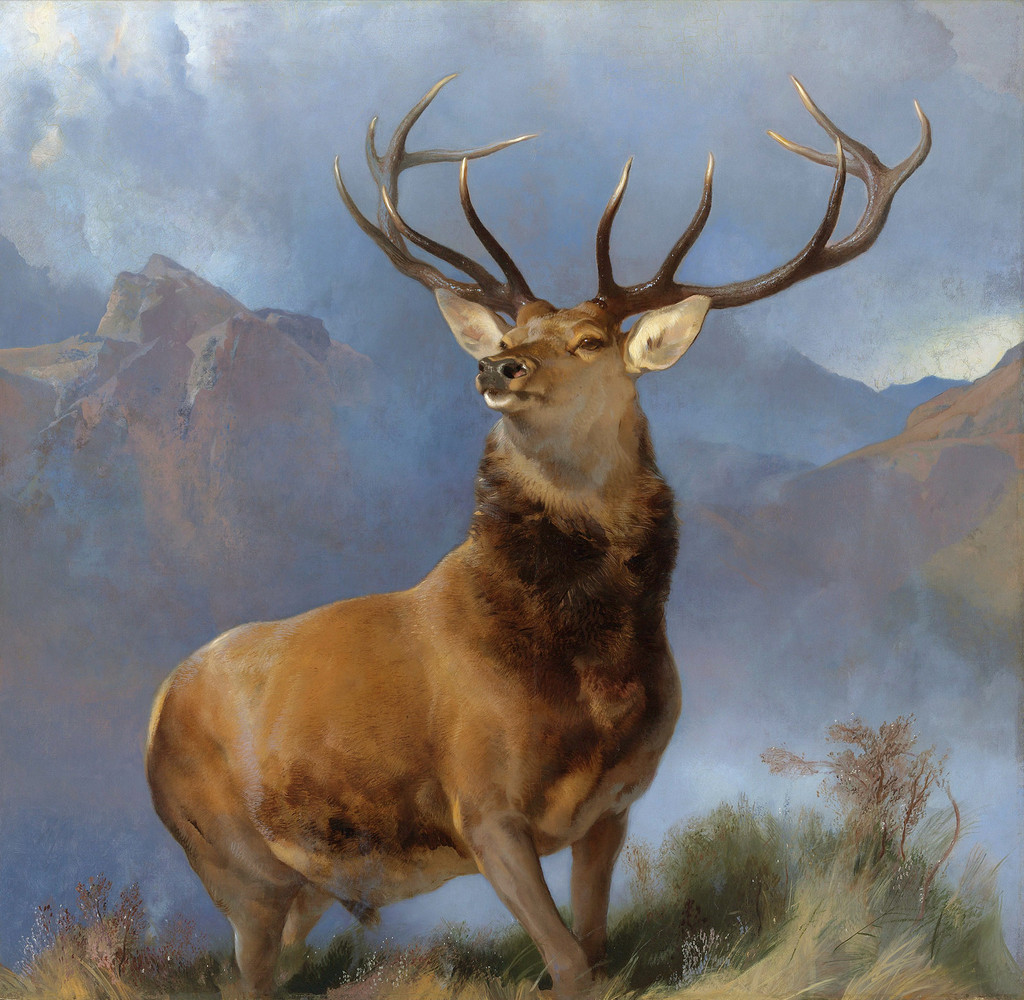
about 1851 [9]Contents
- Three faces above a drawing board
- The work that remains out of sight
- Lassie, Myrtle and individual presence
- Dress, colour and the compressed interior
- Dogs in the working studio
- A different image of artistic labour
- What makes a connoisseur?
- Praise and reservation in 1865
- A portrait presented to the Prince of Wales
- Reproduction and the disappearing dogs
Three faces above a drawing board
The three heads form a close but unequal group. Landseer's face is larger, more brightly illuminated and more fully exposed than either dog's. His broad forehead and pale hair stand out against the dark background, while the light shirt collar separates his head from the grey clothing below. The dogs occupy the darker spaces on either side, approaching from behind rather than standing as independent figures beside him. Their nearness creates companionship without displacing the conventional prominence of the human sitter.[2]
The left-hand dog is absorbed into deep blacks and browns. Tan markings around its eyes and muzzle help its face emerge from the surrounding darkness, but much of its body remains difficult to separate from the backdrop. The animal on the right has a warmer brown coat and a broad white stripe running down its face towards the muzzle. That pale marking makes its lowered head easier to read. The two animals therefore reach the viewer through different distributions of light, rather than through a repeated expression pasted onto contrasting coats.[2]
Landseer's own features provide a third kind of surface. The forehead is smooth and expansive, the cheeks warm, the moustache and side-whiskers more softly broken. His eyes, framed by the heavier lines of the brows, do not follow the same downward direction as the dogs' noses. This divergence prevents the group from becoming three faces mechanically directed at one point. The board links their activities, but each head retains a separate orientation and a distinct physical presence.[2]
The painting also brings the animals close to the level of a human bust portrait. Their heads are sufficiently large and sufficiently near the centre to demand the kind of sustained attention usually given to a sitter's face. Yet their bodies remain partly hidden, and neither is dressed or furnished with a human attribute. The transformation into connoisseurs happens through position, gaze and title. Landseer leaves their canine forms intact while asking the viewer to recognise a social role in them.[2]
The resulting balance is delicate. If the dogs were more extravagantly animated, the picture might become a scene of interruption or disorder. If they were less closely engaged, they might function as incidental signs of affection or occupation. Instead, their stillness allows the act of looking to carry the joke. The artist continues to work, the dogs continue to attend, and the spectator is left to decide how seriously to take the attentiveness that has been painted into their faces.[2]
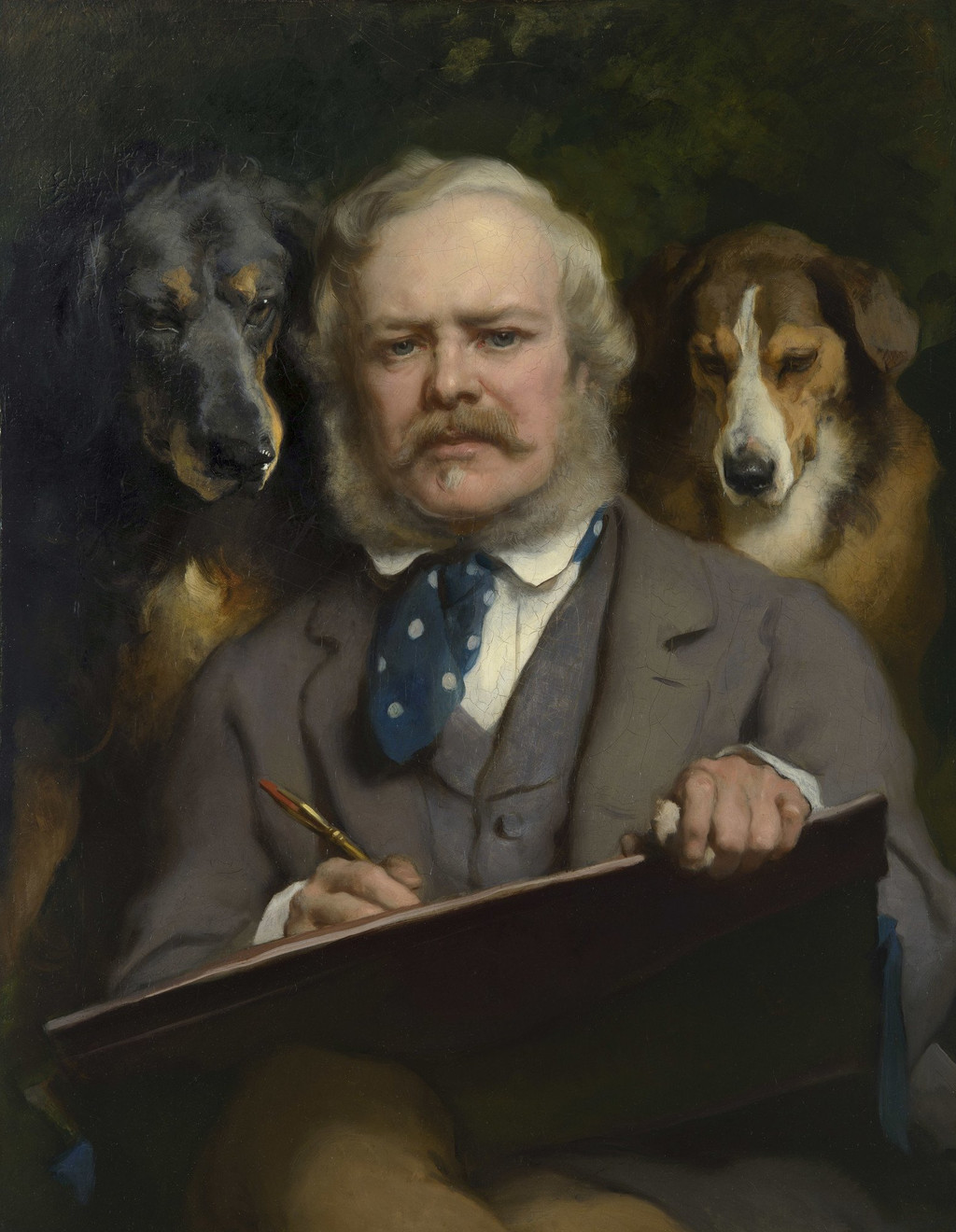
The Connoisseurs: Portrait of the Artist with Two Dogs. Royal Collection. Image source. Public domain.
The work that remains out of sight
The drawing board cuts diagonally across the lower part of the canvas. Its dark outer surface contrasts with the thin, lighter edge above it, where the working paper turns towards the artist. One hand holds the pointed drawing implement; the other steadies the board near its upper corner. These actions make the scene recognisable as work in progress, even though the image being made is withheld. Landseer supplies the apparatus and movement of drawing without offering its result.[2]
The diagonal is also a useful barrier. It closes off much of the lap and lower body, bringing the hands forward while keeping the composition concentrated on the upper figure. The dogs appear to possess a better view over this barrier than we do. Their elevated heads have access to the surface that the viewer sees only edge-on. The title turns that practical difference in viewpoint into a difference in authority: they can supposedly assess a drawing whose likeness or quality we cannot verify.[2]
This makes the spectator dependent on expressions rather than on a comparison between model and representation. We cannot check whether Landseer has drawn one of the dogs accurately, or even establish that he is drawing an animal. The picture encourages such possibilities without depicting the evidence needed to choose among them. Its wit is strengthened by that incompleteness. A fully visible sketch would give the dogs a definite object to judge; the hidden sheet leaves their scrutiny open to the viewer's imagination.[2]
The board's broad dark shape also steadies the crowded arrangement above it. Faces, fur, hair, cloth and hands contain many small changes of texture and tone. Beneath them, the relatively simple plane gives the eye a place to rest. Its sloping edge gathers the scattered details into a common structure, rising towards the hand on the right and answering the downward inclination of the dogs' heads. The act of drawing is therefore both the subject of the picture and one of its principal organising devices.[2]
Lassie, Myrtle and individual presence
The Royal Collection's description proposes that the dog on the right is probably Landseer's collie Lassie, and the other a retriever named Myrtle, belonging to his patron Mr Wells.[1] The qualification matters. It allows the animals to be understood as possible individual companions without converting an identification into certainty. It also preserves a distinction between the artist's own dog and one associated with a patron, rather than treating both as interchangeable members of his household.
Their individuality does not depend entirely on knowing their names. The dark dog's longer, narrower muzzle and concentrated facial markings differ from the broader areas of white and brown in its companion. Their heads occupy slightly different heights, their ears fall differently, and the lighter animal is more clearly separated from the background. These are differences in represented bodies before they become differences in imagined temperament. Landseer gives the viewer enough particularity to resist seeing the pair as a single repeated emblem of canine loyalty.[2]
Dress, colour and the compressed interior
Landseer's grey jacket and waistcoat make a broad middle tone between the pale face and the dark drawing board. The clothing has sufficient structure to establish the shoulders, lapels and seated torso, but it does not compete with the faces through brilliant ornament. The conspicuous exception is the blue neckcloth, patterned with pale spots. Its colour gathers attention beneath the chin and introduces a cooler, more saturated note into the restrained browns, greys and greens.[2]
The spotted cloth also gives the human figure a small area of repetitive pattern. It contrasts with the less regular transitions of hair and fur, and with the plain planes of the board and jacket. This difference helps the viewer navigate the centre of the painting. From the face, the eye can move down through the blue cloth to the hands, then follow the board's edge outwards. The portrait's colour is concentrated enough to support this movement without dispersing attention into an elaborate setting.[2]
Very little of a room is described. The green-brown background offers darkness and uneven patches of colour rather than a legible inventory of studio furniture, canvases or windows. The two dogs can consequently seem to emerge from the artist's immediate surroundings without being assigned a separately measurable space. Their relationship to him is made clear through overlap. Their relationship to the architecture is left indistinct. The picture locates artistic activity in a close group rather than explaining the building in which it takes place.[2]
This compression distinguishes the scene from an expansive portrait of an artist displaying his possessions. There is no need to survey a collection of finished pictures to establish Landseer's occupation. The board and tool identify the activity; the dogs identify its particular field. The limited setting makes these few elements carry more weight. What might otherwise be one episode in a crowded studio becomes a concentrated encounter between a maker, his subjects and their supposed judgement.[2]
Dogs in the working studio
Richard Ormond relates The Connoisseurs to Well-Bred Sitters That Never Say They Are Bored, painted by 1864, in which dogs and painting implements bring the animal painter's occupation into the subject. He also records Landseer's pleasure in having dogs around while he worked. In an account dated 9 April 1867, the artist's pupil Frederick Keyl described Landseer praising Lassie as a sitter and then arranging brushes about her.[13] The episode suggests the ease with which an actual studio companion could become the starting point for a visual joke.
That connection illuminates the self-portrait without making it a literal record of a particular sitting. The dogs' close positions are convincing as an image of familiar company, but the composition has been organised to make those positions meaningful. Their heads appear where they can frame the artist and overlook his work; the board conceals what they are supposedly examining. Familiarity supplies the scene with plausibility, while arrangement gives it the unusual social structure announced by its title.[2]
In Ormond's interpretation, the later dog pictures allow a personal element into Landseer's work: the painter looks at himself and his art through the satirical viewpoint assigned to animals.[13] The self-portrait makes that reversal unusually direct because the person exposed to it is the artist himself. The dogs do not merely enact the weaknesses of a profession or a social type. They hover over the hand responsible for their existence within the painting, turning the animal painter's own authority into the subject of play.[2]
The humour therefore contains a measure of self-exposure. Landseer has given the dogs an apparent competence that could diminish his dignity, yet their scrutiny also testifies to his ability to paint them persuasively. The more attentive they seem, the more effective his characterisation becomes. He can make a joke at his own expense while demonstrating the very skill on which his reputation depends. The portrait does not require a choice between affection, professional confidence and self-mockery; it accommodates all three.[2]
A different image of artistic labour
John Ballantyne's portrait of Landseer, also dated about 1865, offers a revealing comparison. It shows him in the studio of the sculptor Carlo Marochetti, working on a lion for the base of Nelson's Column. The National Portrait Gallery identifies the accompanying collie cautiously as Lassie and notes her resemblance to the dog in The Connoisseurs.[14] The presence of a dog links the two images, but the animal's place within the representation of work differs sharply.
In Ballantyne's wide interior, the enormous light-coloured lion dominates the space. Landseer is small beside it, seated on a raised platform, with the dog close to his feet. Other models, equipment and the overhead structure of the studio establish an environment of substantial physical labour. The viewer can inspect both the worker and the large object on which he is engaged. The scale of the undertaking becomes part of the artist's public identity.[14]
The self-portrait removes that expansive demonstration. Landseer becomes the largest figure, the product of his labour disappears behind the board, and the animals rise from the floor-level companionship of Ballantyne's scene to positions beside his head. Instead of measuring the artist against a monumental model, we watch him share a small pictorial space with potential judges. Both images connect him with animals, but one stresses the magnitude of a civic commission while the other makes intimacy and scrutiny the basis of professional character.[2][14]
Neither portrait needs to be treated as an unguarded disclosure of the man. Each selects a relationship between a person and an occupation. Ballantyne gives the spectator the external view of a conspicuous task; Landseer constructs a more enclosed encounter in which the spectator's own access is restricted. The difference helps explain the self-portrait's unusual vitality. It identifies the artist through a way of being looked at, as well as through the work he is shown performing.[2][14]
What makes a connoisseur?
A connoisseur brings specialised knowledge and discrimination to the judgement of art. Applying that title to dogs creates an immediate incongruity, but the painting does more than substitute animal heads for human experts. The dogs occupy a privileged position over the working surface and possess the solemnity that a viewer might associate with considered judgement. Their qualifications are imaginary; their access is pictorially convincing. The title invites the human spectator to reconcile these two conditions.[2]
Alison Elizabeth Wright reads the painting as a self-deprecating presentation of the animal painter's professional life. She places its humour within a tradition in which animals become supposedly natural critics, their untrained responses set against human expertise. She also connects the companions' proximity with the pressures they can place on an artist's dignity.[15] This interpretation makes the joke more pointed without requiring it to be a declaration against artistic institutions or a rejection of learned judgement altogether.
The image itself remains hospitable to several degrees of seriousness. The dogs may seem judicious, affectionate, merely curious or comically grave. Landseer's concentrated expression neither answers them nor dismisses them. Because the drawing is hidden, no final decision can be tested against the thing under inspection. The painting suspends the act of judgement rather than bringing it to a conclusion. That suspension allows the spectator to enjoy the role of interpreter while recognising how much of the animals' critical character has been supplied by human expectation.[2]
The viewer is consequently implicated in the comedy. To call either face sceptical or approving is to perform the same imaginative conversion that the title encourages. Landseer offers observed-looking features, but their status as the signs of connoisseurship depends on a human reading. The painting can therefore flatter our ability to recognise expression while gently exposing our willingness to invent a critical conversation. The spectators outside the canvas become another audience whose judgement is part of the scene.[2]
Praise and reservation in 1865
When The Connoisseurs appeared at the Royal Academy in 1865 as number 152, the Athenaeum responded to this combination of portraiture and canine character with a divided judgement. Its review of 6 May admired the humour but objected to the human flesh painting, finding it excessively white and pink, opaque and coarse. The dogs received markedly different treatment: the reviewer praised their characterisation and imagined them possessing habits of critical reflection.[16]
The distinction is useful because it prevents the picture's early reception from being reduced to straightforward applause. The critic enjoyed Landseer's invention while questioning an important part of its execution. The self-portrait's human sitter and animal spectators were evaluated almost as separate achievements. The very work that placed dogs in the role of connoisseurs prompted a human connoisseur to declare that the dogs had been painted more successfully than the man.[16]
The review then developed the joke by assigning the animals different critical habits. The dog on the viewer's right would supposedly hesitate before approving its master's work; the other would follow its neighbour's judgement. Those imagined dispositions belong to the critic's performance, rather than to an ascertainable verdict encoded in the animals. They nevertheless show how readily the painting could generate a miniature social comedy. Looking became deliberation, and proximity became the possibility of one critic influencing another.[16]
Writing retrospectively in 1873, James Dafforne considered The Connoisseurs the most popular of Landseer's four Royal Academy exhibits of 1865. He emphasised the contrast between the animals' solemnity and the comedy of their expressions.[17] His assessment records the work's appeal as he understood it, rather than supplying a numerical measure of audience preference. Together with the earlier review, it identifies a durable source of enjoyment: the dogs remain physically credible while appearing to exercise a recognisably human seriousness.
A portrait presented to the Prince of Wales
Algernon Graves's 1874 catalogue records that Landseer presented the original painting to the Prince of Wales. The National Portrait Gallery's historical iconography likewise identifies it as an artist's presentation to the future Edward VII.[18][14] This provenance gives the self-portrait another audience beyond its canine spectators and exhibition visitors: a royal recipient for whom the artist offered an image of himself at work. The gift joined a substantial likeness with an unusually personal representation of his occupation.
The picture's mode of self-presentation is appropriate to that combination. Landseer appears respectably dressed, serious and professionally engaged, but he has chosen companions who complicate the decorum of the likeness. They allow intimacy without requiring an anecdote about the recipient or a ceremonious emblem of patronage. The artist offers his recognisable face and his specialised world together. The dogs help make the portrait particular to him while softening the formality that a solitary bust likeness might have conveyed.[2]
Its royal history should not, however, erase the public identity established by exhibition. The painting had already invited a critic to discuss both its technical qualities and its social wit. Presentation and public reception are different parts of the same object's history, not competing explanations of what it means. The self-portrait could circulate as an account of a familiar animal painter even while the original entered a collection associated with his longstanding patrons.[14][16][18]
Reproduction and the disappearing dogs
Samuel Cousins translated the painting into a print published by Henry Graves & Co. on 10 December 1867; the Metropolitan Museum holds a proof before letters in mezzotint on chine collé, number 62.600.575. Its collection also contains George Edward Perine's smaller mixed-method version of 1869, which the museum considers probably derived from Cousins's print.[19] The distinction between these objects matters: the painted self-portrait, the engraved translation and the later adaptation were made by different hands and reached viewers in different forms.
Reproduction made the conjunction of artist and dogs portable. A viewer could encounter Landseer's likeness without standing before the Royal Collection canvas, and the title could continue to identify the peculiar relationship on which the composition turns. The image was well suited to this function because its main elements are concentrated: a clearly exposed face, two neighbouring heads and the drawing apparatus below. Its identity does not depend on a complicated narrative setting that must be decoded before the sitter can be recognised.[2]
The image could also be altered to serve another purpose. For the Illustrated London News of 11 October 1873, William Biscombe Gardner made a commemorative wood engraving after Cousins's reproduction. The Metropolitan Museum's example, 2015.653.17, presents Landseer within an oval that removes both dogs.[19] The actual sheet also omits the drawing board and working hands. A scene of artistic activity becomes a relatively conventional head-and-shoulders likeness, suitable for identifying the artist in the context of his death.[19]
That change is more consequential than a reduction in the number of figures. In the painting, the dogs are the named connoisseurs and the hidden drawing gives their attention a possible object. In the memorial crop, neither the judges nor the thing judged remains. The pale forehead, hair, moustache, collar and spotted neckcloth retain the identity of the sitter, but the relationships that made the self-portrait comic have been removed. Landseer's face survives while the picture's unusual account of looking largely disappears.[2][19]
The comparison reveals how different kinds of recognition can coexist within one image's afterlife. A portrait can be valued for its resemblance to a person, for its representation of an occupation or for the interaction among its figures. Gardner's oval preserves the first function especially clearly. Landseer's original binds all three together. The dogs are therefore more than decorative accompaniments that can be lost without altering the subject: they make the likeness an account of the animal painter's working identity.[2][19]
The artist among his spectators
The Connoisseurs holds its humour in a quiet arrangement. There is no disruptive movement, no overturned equipment and no overt reaction from the artist. The three figures remain close, the hand continues its work and the paper keeps its secret. The painting asks the viewer to linger over distinctions of gaze, surface and position rather than to follow a sequence of incidents. Its comedy emerges gradually from the seriousness with which the animals seem to inhabit their assigned role.[2]
Landseer has made himself visible through the creatures he depicts, but he has also granted them a place from which to look back at artistic production. That place is imagined, and its critical authority depends on the human spectator's participation. The result is a self-portrait that recognises the painter's skill without insulating him from scrutiny. Surrounded by his possible judges, he offers a likeness whose most revealing feature is the relationship between the person making an image and the living subjects who make his occupation distinctive.[2]
Artworks directory
This directory gathers works discussed in the articles, including drawings, original etchings and prints after Landseer. It is not a complete catalogue of every drawing, version, plate or impression. Distinct media are kept separate; uncertain dates are left blank. Linked titles open individual articles.
| Name | Date | Medium |
|---|---|---|
| A Bellowing Stag | Drawing | |
| A Deerhound | 1826 | Painting |
| A Distinguished Member of the Humane Society | 1838 | Painting |
| A Highland Breakfast | 1834 | Painting |
| A Highland Landscape | c. 1830 | Painting |
| A Highland Shepherd's Home | Painting | |
| A Horse, Goat and Bull | 1811 | |
| A Hunting Horse | Drawing | |
| A Jack in Office | Painting | |
| A Lion Disturbed at His Repast | Painting | |
| A Random Shot | Painting | |
| A Scene at Abbotsford | Painting | |
| Adversity | Painting | |
| Alexander and Diogenes | exhibited 1848 | Painting |
| Alpine Mastiffs Reanimating a Distressed Traveler | 1820 | Painting |
| Contending Group after Nature | Drawing | |
| Copy after Rubens's Wolf and Fox Hunt | c. 1824–26 | Painting |
| Dash | Painting | |
| Deer and Deer Hounds in a Mountain Torrent ('The Hunted Stag') | c. 1832 / exhibited 1833 | Painting |
| Deer Family | ||
| Dignity and Impudence | 1839 | Painting |
| Dog Resting Upon a Couch | Drawing | |
| Eos | 1841 | Painting |
| Favourites, the Property of H.R.H. Prince George of Cambridge | 1834–35 | Painting |
| Her Majesty Sketching at Loch Laggan | ||
| High Life | 1829 / exhibited 1831 | Painting |
| Highland Lassie | Drawing | |
| Isaac van Amburgh and his Animals | 1839 | Painting |
| Lady Godiva's Prayer | Painting | |
| Laying Down the Law | 1840 | Painting |
| Lion Defending Its Prey | c. 1840 | Painting |
| Lioness | Drawing | |
| Little Strollers | ||
| Low Life | 1829 / exhibited 1831 | Painting |
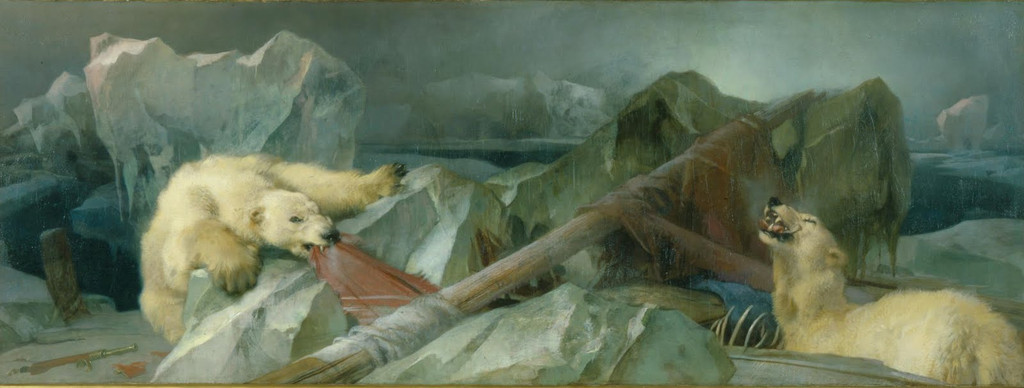
| Man Proposes, God Disposes | 1864 | Painting |
| Nell Gwynne / Diana Vernon | Painting | |
| Neptune | ||
| No Hunting Till the Weather Breaks | Painting | |
| Otterhounds | Drawing | |
| Peace | Painting | |
| Pensioners | Painting | |
| Portrait of a Mule | Painting | |
| Portrait of Mr Van Amburgh, as He Appeared with His Animals at the London Theatres | 1846–47 | Painting |
| Portraits of a Pointer Bitch and Puppy | Painting | |
| Pray Let Me Out | ||
| Prosperity | Painting | |
| Ptarmigan in a Landscape | by 1833 | Painting |
| Queen Victoria and Prince Albert at the Bal Costumé of 12 May 1842 | 1842–46 | Painting |
| Queen Victoria at Loch Laggan | Painting | |
| Queen Victoria at Osborne | 1865–67 | Painting |
| Queen Victoria landing at Loch Muick | Painting | |
| Rat-catching | 1823 | |
| Reclining Lion | Drawing | |
| Reclining Lion, From Back | Drawing | |
| Rent-day in the Wilderness | 1855–68 | Painting |
| Return from Deer Stalking | 1839 | |
| Royal Sports on Hill and Loch | Painting | |
| Sam Lovill, Porter at the Royal Academy | Drawing | |
| Scene from A Midsummer Night's Dream | 1848–51 | Painting |
| Scene in the Highlands, with portraits of the Duchess of Bedford, the Duke of Gordon and Lord Alexander Russell | Painting | |
| Scottish Highlands, Lochs and Figures | Drawing | |
| Shoeing | exhibited 1844 | Painting |
| Sleeping Bloodhound | exhibited 1835 | Painting |
| Spaniel and Rabbit | Painting | |
| Stag at Bay | 1866 | Sculpture |
| Stag at Bay | 1846 | Painting |
| Studies of a staghound and the head of a stag for painting ‘The Hunting of Chevy Chase’ | Drawing | |
| Study for Alpine Mastiffs Reanimating a Distressed Traveler | Drawing | |
| Study for the Monkey in The Cat's Paw | Drawing | |
| Study of a Dog | Drawing | |
| Study of a herding dog facing right | Drawing | |
| Study of the horse of Selene, from the East pediment of the Parthenon | Drawing | |
| Suspense | Painting | |
| Taking a Buck | ||
| The Arab Tent | c. 1865–66 | Painting |
| The Barn | Drawing | |
| The Best Run of the Season | ||
| The Cat's Paw | c. 1824 | Painting |
| The Cavalier’s Pets | ||
| The Challenge | Painting | |
| The Chase | Drawing | |
| The Connoisseurs: Portrait of the Artist with Two Dogs | 1865 | Painting |
| The Death of a Stag in Glen Tilt | Painting | |
| The Drive—Shooting Deer in the Pass | Painting | |
| The Drover's Departure | Painting | |
| The Highland Shepherd’s Dog | 1824; portfolio issue 1848 | |
| The Honourable Mrs Norton | Painting | |
| The Hunting of Chevy Chase | 1825–26 | Painting |
| The Illicit Highland Whisky Still | Painting | |
| The Keeper John Crerar with his Pony | Painting | |
| The Larder Invaded | ||
| The Lion-Dog of Malta | ||
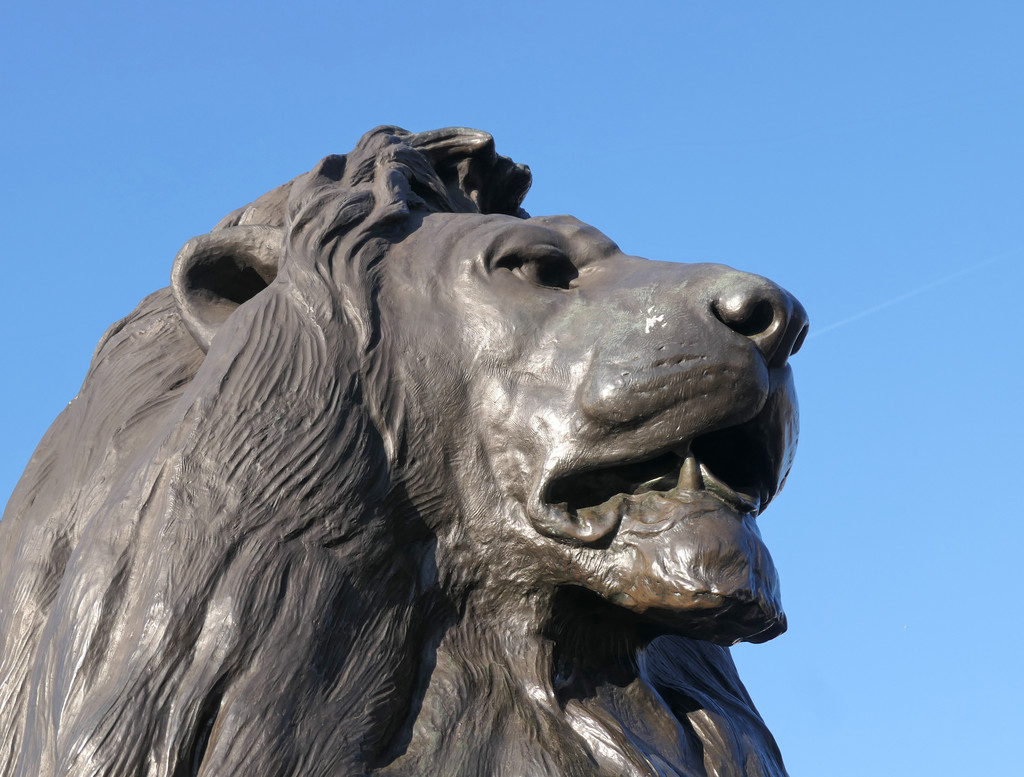
| The Lions at the Base of Nelson's Column | 1867 | Sculpture |
| The Monarch of the Glen | about 1851 | Painting |
| The Mountain Torrent | ||
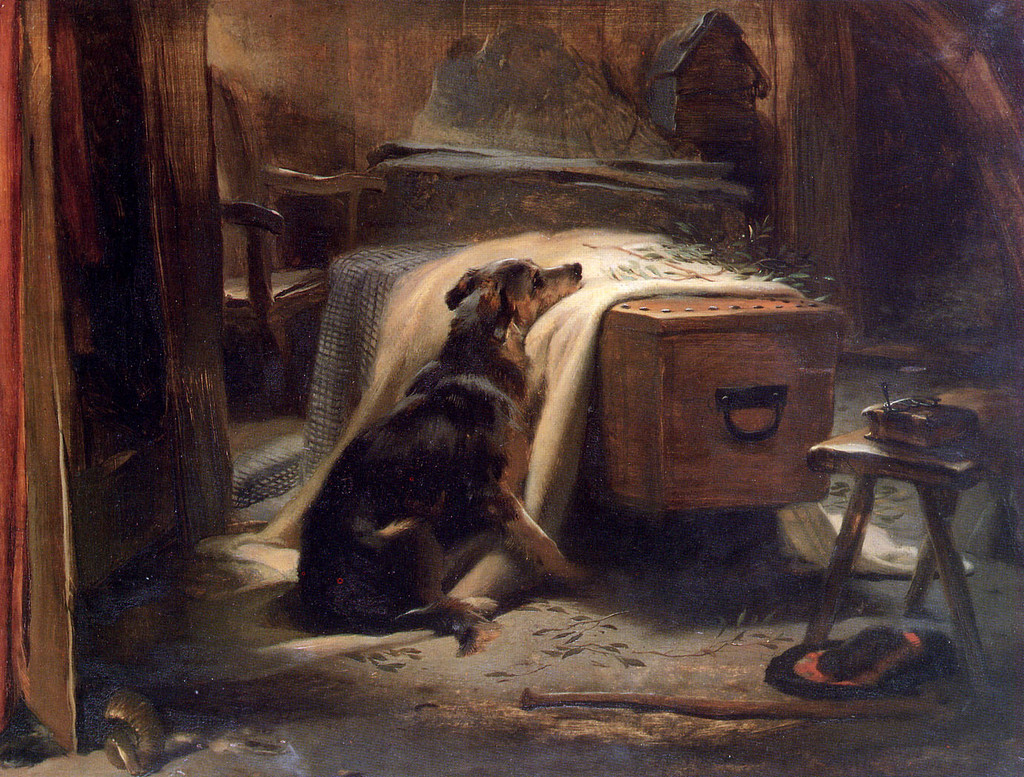
| The Old Shepherd's Chief Mourner | 1837 | Painting |
| The Sanctuary | 1842 | Painting |
| The Stricken Deer | Painting | |
| The Twa Dogs | Painting | |
| Time of Peace | ||
| Two stags running | Drawing | |
| Victoria, Princess Royal, with Eos | Painting | |
| View of Glenfeshie | Painting | |
| War | Painting | |
| White Horse in a Stable | Painting | |
| Windsor Castle in Modern Times | 1841–43 | Painting |
| Woburn Abbey Game Card | 1825; portfolio issue 1848 |
Discussion
Use the article’s images and evidence to develop your own reading of The Connoisseurs: Portrait of the Artist with Two Dogs.
Reader Insights
Which detail is most revealing when you consider “Three faces above a drawing board”?
How does the evidence in “The work that remains out of sight” affect your reading of The Connoisseurs: Portrait of the Artist with Two Dogs?
What further question would you bring to “The artist among his spectators”?
Join the Conversation
Share a detail, comparison or question about The Connoisseurs: Portrait of the Artist with Two Dogs below.
References
- Royal Collection Trust, The Connoisseurs: Portrait of the Artist with Two Dogs, RCIN 403220, institutional description preserved with the RCT-origin image on Wikimedia Commons; Vanessa Remington, Queen Victoria, Prince Albert and their relations with artists, in Victoria & Albert: Art & Love, edited by Susanna Avery-Quash, Royal Collection Trust, 2012, p. 7, fig. 7. Native object description unavailable at consultation; preserved attribution and official published caption consulted. Accessed 31 October 2026. View source 1. View source 2. View source 3.
- Royal Collection Trust, colour photograph of The Connoisseurs, RCIN 403220, preserved on Wikimedia Commons. Accessed 31 October 2026. View source.
- National Gallery of Art, Alpine Mastiffs Reanimating a Distressed Traveler. View source.
- Minneapolis Institute of Art, The Cat's Paw. View source.
- Birmingham Museums Trust, The Hunting of Chevy Chase. View source.
- Victoria and Albert Museum, The Old Shepherd's Chief Mourner. View source.
- Tate, Dignity and Impudence. View source.
- Royal Collection, Eos. View source.
- National Galleries of Scotland, The Monarch of the Glen. View source.
- Royal Holloway, University of London, Man Proposes, God Disposes. View source.
- Royal Collection, The Connoisseurs: Portrait of the Artist with Two Dogs. View source.
- Trafalgar Square / Greater London Authority, The Lions at the Base of Nelson's Column. View source.
- Richard Ormond, Sir Edwin Landseer, Philadelphia Museum of Art and Tate Gallery, 1981, pp. 191, 199–200. Includes the account of Frederick Keyl's note of 9 April 1867. Accessed 31 October 2026. View source.
- National Portrait Gallery, John Ballantyne, Sir Edwin Landseer, NPG 835, current record and linked Robin Gibson, Pets in Portraits, 2015, p. 88; Richard Ormond, Early Victorian Portraits: Landseer iconography, 1973, reproduced online. Accessed 31 October 2026. View source 1. View source 2.
- Alison Elizabeth Wright, Animal and sporting painting in Britain, 1760–c.1850: its artistic practices, patronage and public display, PhD thesis, University of East Anglia, November 2018, pp. 84–89, especially p. 87; fig. 13, p. 229. Accessed 31 October 2026. View source.
- “Fine Arts: Royal Academy”, The Athenaeum, no. 1958, 6 May 1865, p. 627. Accessed 31 October 2026. View source.
- James Dafforne, Pictures by Sir Edwin Landseer, Royal Academician: With Descriptions and a Biographical Sketch of the Painter, London: Virtue & Co., 1873, p. 60. Accessed 31 October 2026. View source.
- Algernon Graves, Catalogue of an Exhibition of the Engraved Works of the Late Sir Edwin Landseer, R.A., revised edition, London: Henry Graves & Co., 1874, p. 23, no. 419. Accessed 31 October 2026. View source.
- Metropolitan Museum of Art, Samuel Cousins after Landseer, The Connoisseurs, 62.600.575; George Edward Perine after Landseer, Landseer and His Connoisseurs, 17.3.756-282; William Biscombe Gardner after Cousins and Landseer, The Late Sir Edwin Landseer, R.A., 2015.653.17. Accessed 31 October 2026. View source 1. View source 2. View source 3.
- Splash image, The Connoisseurs: Portrait of the Artist with Two Dogs. Royal Collection. Image source. Public domain.
- Navigation image, One of the bronze lions at Nelson’s Column: modelled by Edwin Landseer and cast by Carlo Marochetti. Photograph by Amanda Slater. CC BY-SA 2.0. Image source. CC BY-SA 2.0. Resized.