


 by Tom Gurney
Tom Gurney BSc (Hons) is an art history expert with over 20 years experience
Email: tomgurney1@gmail.com / Phone: +44 7429 011000
Introduction
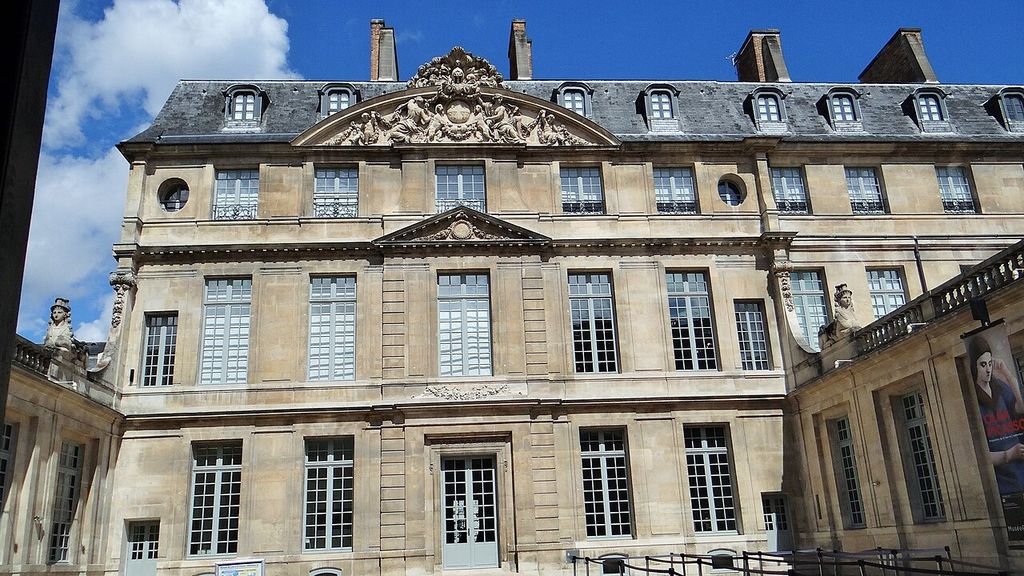
Picasso's work is spread among museums in several countries, while places associated with his life tell a different story. Málaga has both a museum in his birthplace and a separate museum with works from across his career. Barcelona is particularly strong on his formation and his late Las Meninas series. Paris brings together art and archives from many phases. Madrid is central to the public history of Guernica. These are distinct reasons to visit or research an institution; no single building contains a complete Picasso.[1][2][3][4][5]
A museum's collection is not the same as what is hanging in its galleries today. Works can be lent, conserved, stored or temporarily rehung. A picture made in Paris may now be in New York; a museum named for Picasso may not occupy a house where he lived. The guide below identifies enduring collection strengths and direct records for particular objects. Check the institution's current display and visit information before travelling.[4][5][6]
At a Glance
- Málaga: Picasso’s birthplace and a separate collection museum
- Barcelona: Especially strong on his formation and the Las Meninas series
- Paris and Madrid: Art and archives in Paris; Guernica’s public history in Madrid
- Before visiting: Check current display and loan information with each museum
Contents
- Málaga: the birthplace and the collection are different museums
- Barcelona: formation, family-held works and Las Meninas
- Paris: a collection that includes the artist's working record
- Antibes: a museum that was briefly an actual workshop
- Madrid: Guernica and its documentary history
- Works in New York, Washington and other collections
- Choose the institution by the question
- Places in Picasso's life are not necessarily Picasso museums
- How to check a work before visiting
Málaga: the birthplace and the collection are different museums
Picasso was born in 1881 at Plaza de la Merced 15 in Málaga. The building is now the Museo Casa Natal Picasso[1], whose interpretation begins with his family, childhood and early artistic environment. This is the place to connect the child Pablo Ruiz Picasso with the city in which he spent his first decade, rather than expect an encyclopaedic sequence of major paintings. The institution's holdings also reach beyond childhood: its collection account[1] describes graphic work, ceramics and a notebook of preparatory studies for Les Demoiselles d'Avignon. A visitor should check which of those objects is actually displayed, because a collection record is not an exhibition checklist.[1]
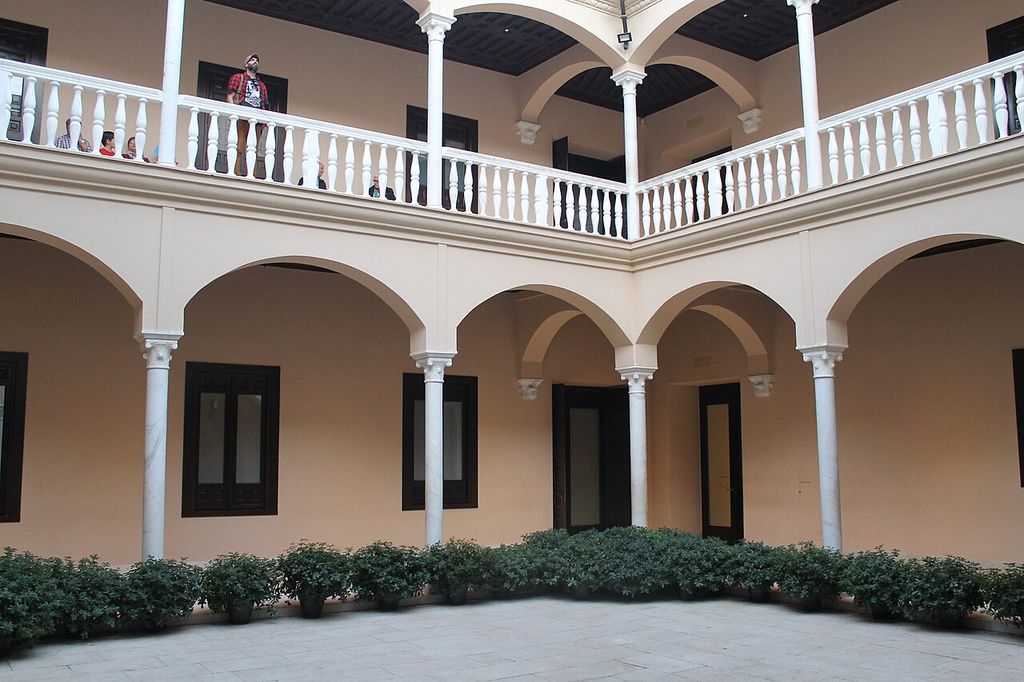
The Museo Picasso Málaga[2] is a separate institution in the Palacio de Buenavista. It uses works spanning Picasso's career to show changes in subject, form and medium, from the years of his training through Cubism, classicising work and ceramics. The palace has its own architectural history; it is not the house in Plaza de la Merced where Picasso was born. Its collection has developed through family gifts, acquisitions and loans, so the galleries can change even as the museum's broad purpose remains the same.[2]
This distinction is more useful than a competition over which Málaga museum is “the real Picasso museum.” The Casa Natal answers questions about family, origin and the setting of his earliest years. The Museo Picasso Málaga offers a wider encounter with the art itself. Both belong to his native city, but they hold different types of evidence. A reader investigating a childhood document should start in a different catalogue from someone seeking a later ceramic or portrait.[1][2]
Barcelona: formation, family-held works and Las Meninas
Picasso's years in Barcelona were formative. The city's Museu Picasso[3] is especially important for early training, works from his youth, the period of his move toward a personal pictorial language, and the complete Las Meninas series. Seeing these holdings together complicates the popular tale of a prodigy who simply abandoned academic skill. Drawings, studies and early paintings show what he learned; later works show how he used, tested and resisted it.[3]
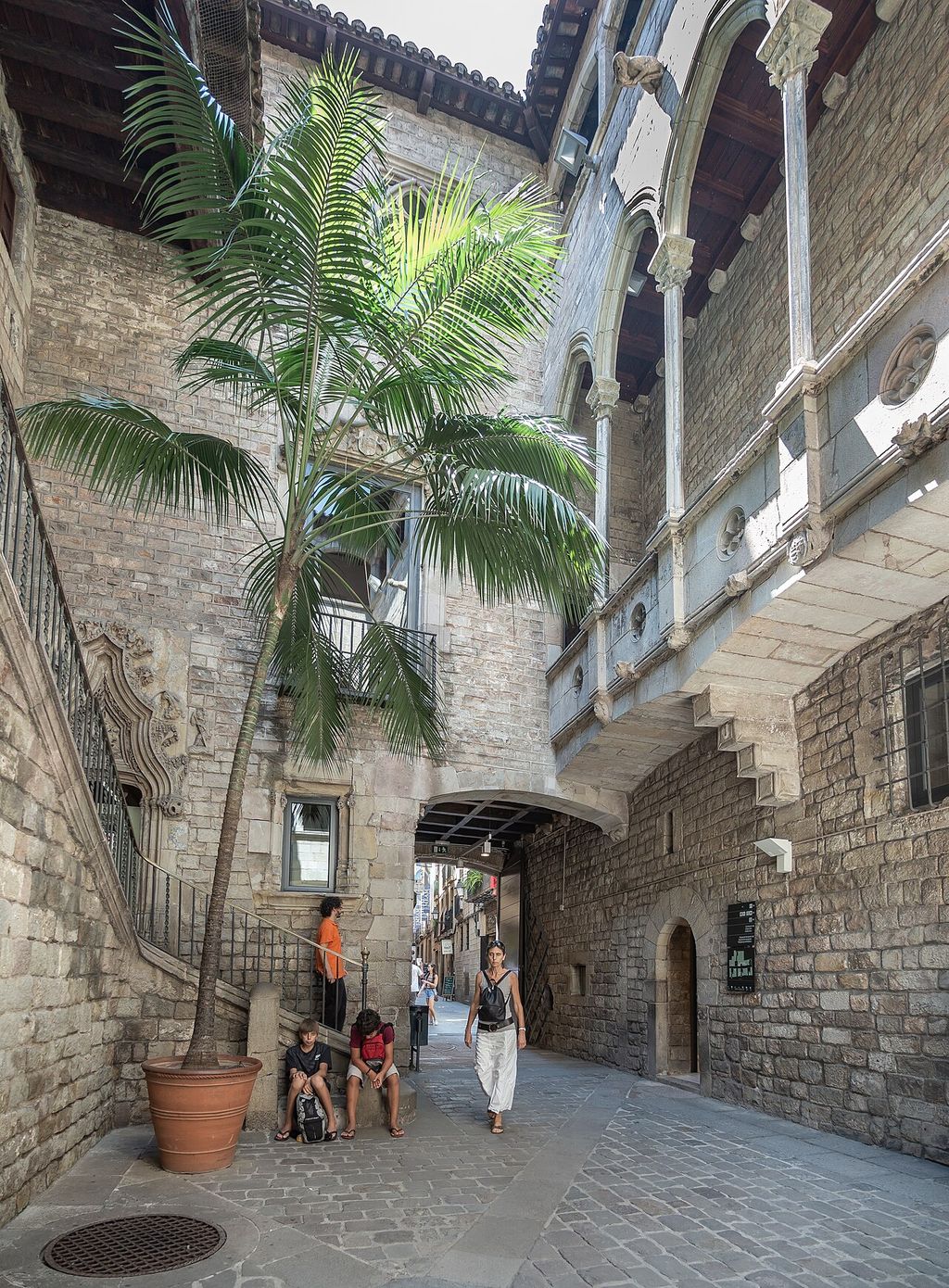
The collection's shape has a history. Jaume Sabartés, Picasso's friend and secretary, helped bring the museum into being. Picasso later donated the Las Meninas group and a substantial body of works kept by his family in Barcelona. The museum's account of its collection[3] explains why its strengths are not a random sample from a market: relationships, civic collecting and the artist's own donations made this particular ensemble possible. “Complete Las Meninas series” describes the museum's holdings, not a promise that every canvas is on view on every date.[3]
Barcelona is also a starting point for understanding a network of places, not just one museum. The museum's detailed Catalan chronology[9] records his training in the city and connections with Horta de Sant Joan, Gósol and other Catalan locations. Their names are sometimes used as shorthand for stylistic change, but the relationship between place and work must be checked object by object. A stay in a village does not mean the resulting paintings are held there today. Barcelona's museum is a research anchor because it links works, documents and chronology.[3][9]
Watch: Pablo Picasso
Explore Picasso through five videos from museums, broadcasters and art educators.
Picasso’s Guernica: Great Art Explained
Explore the composition and historical setting of Picasso’s best-known response to war.
Watch on YouTubeParis: a collection that includes the artist's working record
The Musée national Picasso-Paris[4] is distinctive for the breadth of its holdings across painting, sculpture, drawing, printmaking, ceramics, notebooks and archives. Its collection includes works that remained with Picasso and entered French national holdings through his heirs. It also contains material documenting how objects developed: studies, proofs, photographs and written records. A visitor or researcher can therefore ask not only what a finished work looks like, but how a version, model or print state relates to another.[4]
The museum's account traces major donations in lieu of tax in 1979 and 1990, with further acquisitions and an extensive archive. It also holds works Picasso collected by other artists. That last point prevents a common misunderstanding: not everything displayed or catalogued by a Picasso museum was made by Picasso. Some objects help explain the art he encountered and kept. The Paris museum is a collection and research institution in a historic city where he lived and worked; it should not be mistaken for one of his former studio rooms.[4]
For a first encounter, the value of Paris is range rather than a fixed “top ten” list. A visitor interested in a Cubist construction, a later sculpture, a ceramic or a print proof can start with the museum's collection record and then ask whether that object is currently accessible. Even a museum with very deep holdings cannot place every fragile work on public display at once. Paper, archival and conservation materials may have different access arrangements from gallery paintings. The collection website is the authoritative starting point for an object, not an assurance about the day's installation.[4]
Antibes: a museum that was briefly an actual workshop
The Musée Picasso in Antibes has a different relationship to place. In 1946 Picasso worked in the Château Grimaldi, then a museum, after its curator invited him to use part of the building as a studio. The city's museum history[6] records a nucleus of paintings and drawings he left with Antibes after that stay. Ceramics later enlarged its Picasso holdings. Here the museum is both the site of a period of production and a collection shaped by that event.[6]
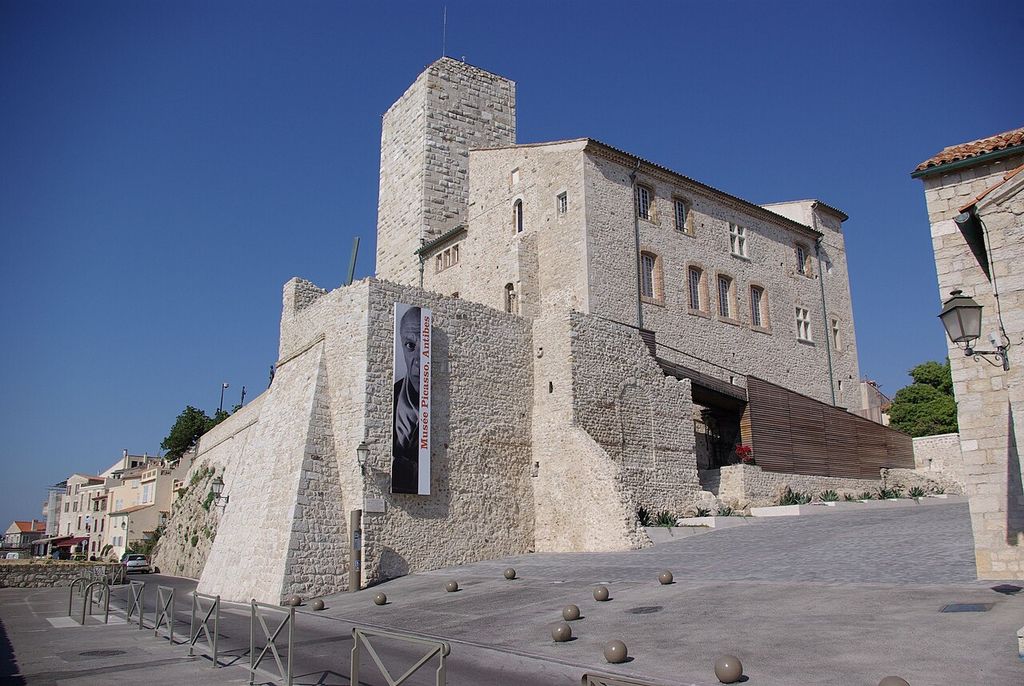
That combination makes Antibes unusually direct evidence for the Mediterranean years. It does not make every work now associated with the region an Antibes work, nor does it mean all objects from the 1946 stay are permanently installed in the rooms where they were made. The Paris Picasso museum's account of the Mediterranean years[9] places the Antibes studio near a wider shift toward the south of France and Picasso's engagement with ceramics at Vallauris. The geography is close; the activities and collections are not interchangeable.[6][9]
Madrid: Guernica and its documentary history
The Museo Reina Sofía[5] is the institution to consult for Guernica. Its object record identifies the painting, its 1937 date, its acquisition by the Spanish Republic and its return to Spain in 1981 after decades in MoMA's custody. It entered the Reina Sofía in 1992. The work was created for the Spanish Pavilion at the 1937 Paris International Exposition, so Madrid is its current museum context, not its place of making or first exhibition.[5]
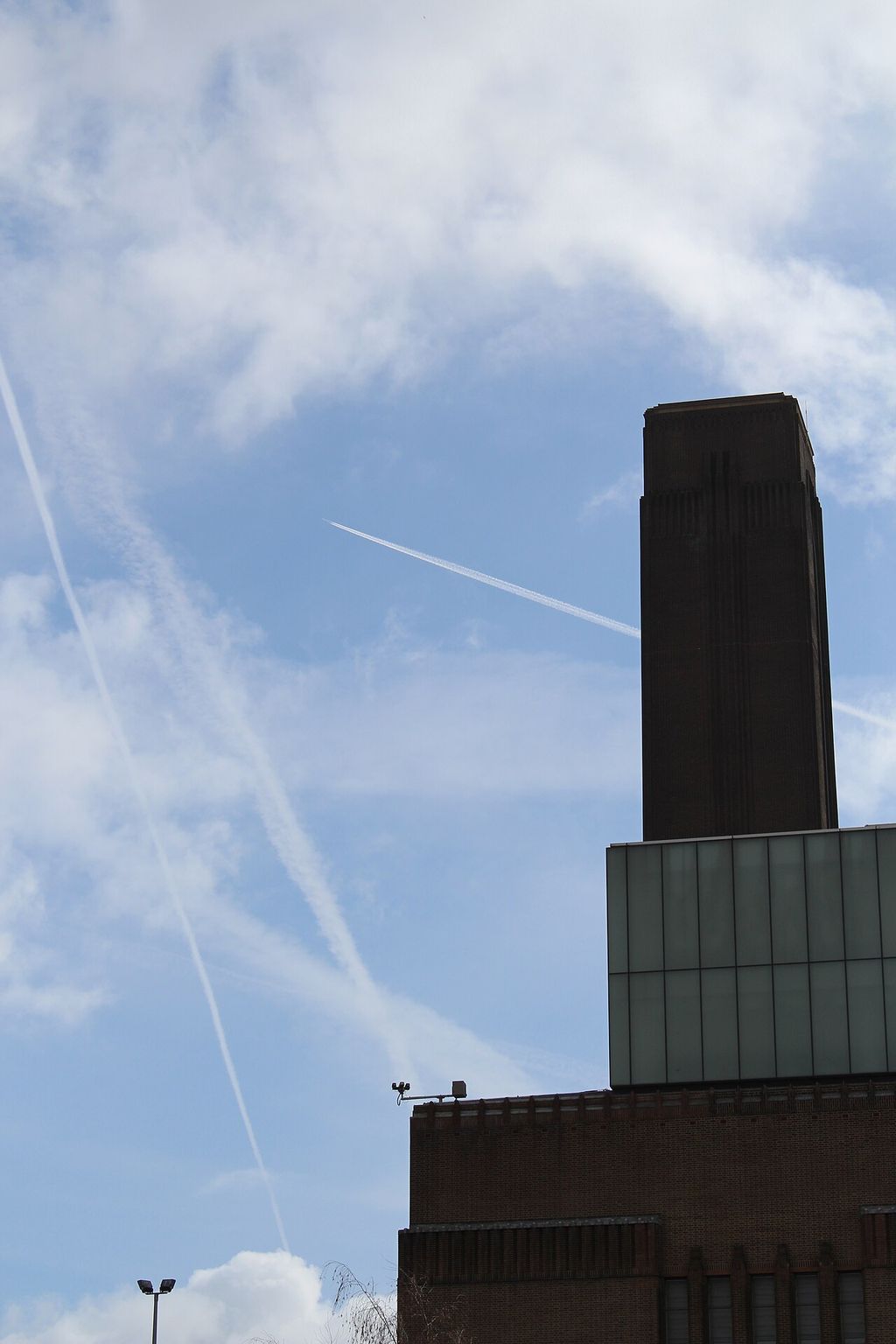
The museum also offers Rethinking Guernica[5], an extensive research project drawing together documents about the commission, making, travels, reception and later meanings of the painting. It is valuable even for someone who cannot visit Madrid: a reader can trace the work's public history without relying on one tidy anecdote about its symbols. Documentary access, however, does not grant the right to reproduce its images, and a digital presentation is not the same as seeing the scale of the canvas.[5]
The distinction between where a work was made, shown, held and studied is especially vivid here. Guernica was made in Paris in response to the bombing of the Basque town whose name it bears, travelled widely, remained for years in New York, and is now part of a Madrid museum's collection. Each place contributes to the work's history. A simple “Picasso painted it in Madrid” or “it belongs to MoMA” would be wrong; an old exhibition photograph would not establish its present display.[5]
Works in New York, Washington and other collections
Museums not named after Picasso hold some of his most studied works. In New York, MoMA catalogues Les Demoiselles d'Avignon[7], Three Musicians and a constructed Guitar. These objects make different questions possible: how a large painting changed in the making, how Cubist signs can reappear in a later canvas, and how a musical instrument can be built from flat materials. The Metropolitan Museum of Art holds the portrait of Gertrude Stein[7], for which conservation study and the sitter's own writing provide different kinds of evidence. These are named collection holdings, not a guarantee that all four works can be seen on a single visit.[7]
In Washington, the National Gallery of Art catalogues The Tragedy[7], a 1903 painting associated with the Blue Period. Its object record provides medium, dimensions, provenance and exhibition history. That is a better basis for locating a named painting than a reproduced image without an accession number. Across institutions, the same principle applies: search for a title together with date, material and collection number, because Picasso reused motifs and some titles have several variants.[7]
Germany offers a useful contrast between collection depth and visitor access. Cologne's Museum Ludwig[8] describes holdings across painting, ceramics, sculpture and major print series. Berlin's Museum Berggruen[8] likewise has a substantial Picasso collection, from early work to later paintings. As checked in October 2026, the Berlin museum's own site says its usual building is closed for renovation while the collection tours. It would be misleading to present that address as an assured place to see those works. The online collection and the current exhibition programme are the routes to check.[8]
Choose the institution by the question
A reader studying Picasso's beginnings could compare the Casa Natal's family and childhood material with Barcelona's sustained record of training, early drawings and family-held work. These institutions answer related but different questions: one begins from the house and its social world, the other from an unusually dense artistic collection. Neither alone explains every later development. In Málaga, the Palacio de Buenavista adds a broader sequence of mature media and subjects, letting the two museums in the same city complement rather than duplicate each other.[1][2][3]
Someone interested in how an object was made should look beyond the largest or most famous painting. Paris's archives and cross-media holdings can connect an idea to studies, proofs and models; Barcelona's drawings and Las Meninas series make serial transformation unusually visible. Cologne's print cycles are another strong route into repetition and variation. The best choice may be a collection database or scholarly record before a physical visit, especially when the object of interest is a drawing, print or document that cannot remain on view indefinitely.[3][4][8]
For Guernica, Madrid's research project and object record are the obvious first sources, but its history also leads to Paris, where Picasso made it, and New York, where MoMA held it for decades. For Cubist work, MoMA's Les Demoiselles d'Avignon and the Paris museum's constructions present different kinds of evidence, one centred on a major canvas and the other on the movement between picture and object. A choice between them should follow the question asked, not an assertion that either museum is universally “best.”[4][5][7]
These collections were assembled through different acts of collecting, donation and public policy. Picasso's own gifts shaped Barcelona; family donations helped build Málaga and Paris; a particular civic relationship anchored Antibes; individual patrons and bequests brought works to major museums outside Spain and France. That history explains why holdings are uneven by date and medium. It also reminds us that a “Picasso museum” is an institution with a particular formation, not a neutral container of everything he produced.[2][3][4][6][7]
Places in Picasso's life are not necessarily Picasso museums
Picasso's biography begins in Málaga, continues through A Coruña and Barcelona, and includes study and visits in Madrid, periods in Catalonia, a long working life in France and later residence in the south. The Barcelona chronology[9] and the Paris museum's Mediterranean account[9] let readers follow that movement without mistaking a work's current location for its origin.[9]
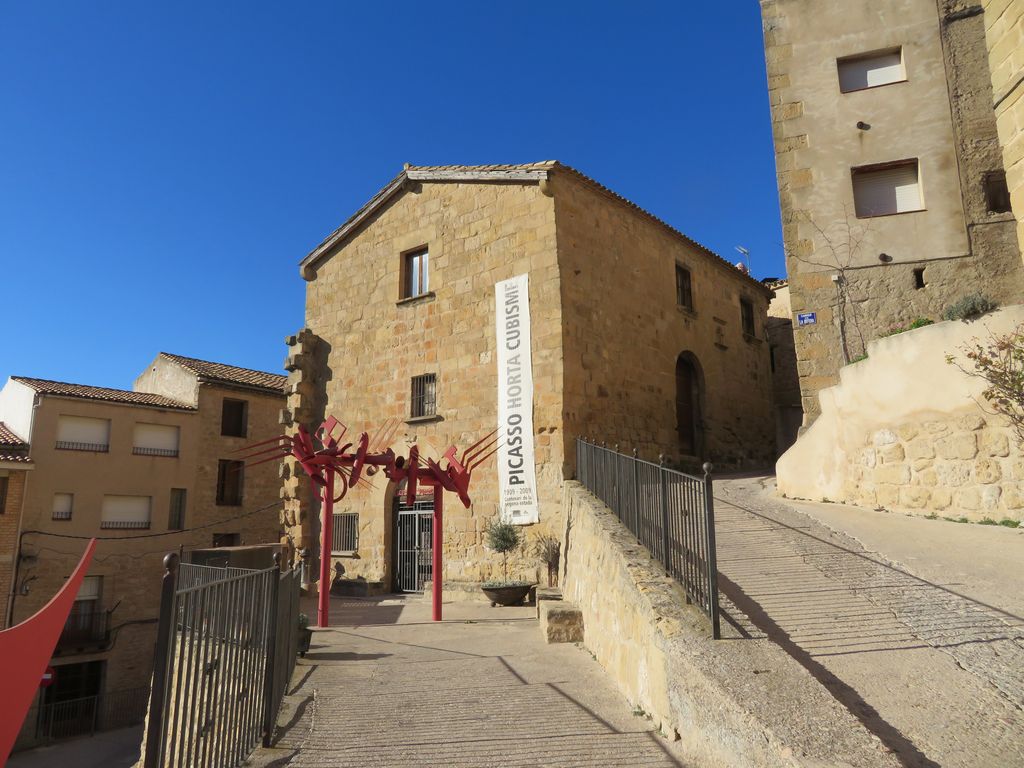
Some places are linked to an especially concrete activity: Antibes to the Château Grimaldi studio in 1946, Vallauris to work with the Madoura ceramic workshop, and Barcelona to the training and family networks that helped form its museum collection. Other sites may have changed use, be private, or no longer preserve the conditions Picasso knew. A museum can interpret a place without being that place; conversely, a former studio is not automatically a public museum with major holdings. To understand a particular artwork, ask separately where it was created and where an institution now keeps it.[1][3][6][9]
How to check a work before visiting
First find the holding museum's own object page. Check the title, date, medium and inventory or accession number, especially for repeated titles such as Weeping Woman or works later cast or editioned. Then check its current display, exhibition or loan information. If a page says “collection” but not “on view,” do not infer that the object is hanging. If a museum's building is closed or a collection is touring, look for the institution's current venue information rather than an old travel guide. Finally, consult the museum directly for opening arrangements and accessibility needs; those details change faster than an art-historical account.[4][5][7][8]
This method helps even when travel is not the aim. Museums' object records often provide provenance, technical description and related research. A direct link to the institution allows a reader to inspect that evidence while respecting the rights attached to Picasso's work and to its photographs. The result is a more reliable map of Picasso than a list that treats birthplace, former studio, collection owner and today's gallery as though they were the same thing.[1][4][5][6]
Discussion
Use the evidence and your own close looking to explain your view. These are editorial prompts, not reader comments.
Reader Insights
Which collection is best suited to the particular work or phase you want to study?
How would a loan or rehanging change a visit plan without changing the museum’s collection?
Which site preserves evidence of Picasso’s life rather than owning the work discussed?
Join the Conversation
Which reading best fits the evidence?
References
- Museo Casa Natal Picasso, house and collection; collection introduction.
- Museo Picasso Málaga, collection; Palacio de Buenavista.
- Museu Picasso Barcelona, museum presentation; collection history.
- Musée national Picasso-Paris, collection.
- Museo Reina Sofía, Guernica; Rethinking Guernica.
- City of Antibes, Musée Picasso history.
- MoMA, Les Demoiselles d'Avignon; Three Musicians; Guitar; The Met, Gertrude Stein; National Gallery of Art, The Tragedy.
- Museum Ludwig, Picasso collection; Museum Berggruen, collection and renovation status.
- Museu Picasso Barcelona, Catalan chronology; Musée Picasso-Paris, Mediterranean years.
Image Credits
- Ibex73. CC BY-SA 4.0. Source: Wikimedia Commons. Resized proportionally to 1024px wide; no crop. Source record. Licence.
- Emilio Luque. CC BY-SA 4.0. Source: Wikimedia Commons. Resized proportionally to 1024px wide; no crop. Source record. Licence.
- Edgardo W. Olivera from Montevideo, Uruguay. CC BY 2.0. Source: Wikimedia Commons. Resized to 1024px; no crop. Source record. Licence.
- Clemensfranz. CC BY-SA 3.0. Source: Wikimedia Commons. Resized proportionally to 1024px wide; no crop. Source record. Licence.
- Deror_avi. CC BY-SA 3.0. Source: Wikimedia Commons. Resized to 1024px; no crop. Source record. Licence.
- Juan Emilio Prades Bel, 12 January 2024. Wikimedia Commons, CC BY 4.0. Proportional resize only. Source record. Licence.

.jpg)
.jpg)


