


 by Tom Gurney
Tom Gurney BSc (Hons) is an art history expert with over 20 years experience
Email: tomgurney1@gmail.com / Phone: +44 7429 011000
Introduction
“African Period” is a name often given to Picasso's experiments around 1907 and 1908, when encounters with sculpture and masks from African cultures became part of a wider change in how he painted bodies and space. The label is convenient but incomplete. Ancient Iberian sculpture, works from Oceania, European painting and Picasso's own preceding work also mattered. By 1908 these investigations overlapped with the development of Cubism, rather than ending neatly before it began.[1][2][3]
The 1907 painting Les Demoiselles d'Avignon is the best-known point of entry. Its figures do not all share one face or one source. MoMA identifies the two heads at the right as especially connected to Picasso's encounter with African masks and sculpture, while other parts of the composition have been related to Iberian and European models. To understand this moment, we need to look at those differences and at the colonial routes by which African objects reached Paris—not treat “African art” as a single anonymous style Picasso discovered.[1][4]
At a Glance
- Approximate years: 1907–08
- Term: A convenient but incomplete label for overlapping experiments
- Sources of form: African and Oceanic works, Iberian sculpture and European painting
Contents
- What does the name African Period mean?
- From Gósol and Iberian sculpture to Paris in 1907
- Les Demoiselles d'Avignon and its different sources
- The change visible in works of 1908
- African makers and the limits of influence stories
- What continued into Cubism?
- How to examine the evidence
What does the name African Period mean?
The phrase is a retrospective art-historical shorthand. Picasso did not begin a formally declared “African Period” on a recorded date, and museums do not agree on a single boundary for it. A useful focus is the work of 1907–08, with late 1906 as a prelude and some related questions continuing into 1909. The range is deliberately approximate: a painting begun before Picasso's best-documented Trocadéro encounter could be revised after it, and a work of 1908 may be both concerned with African sculpture and part of early Cubist experimentation.[1][2][5]
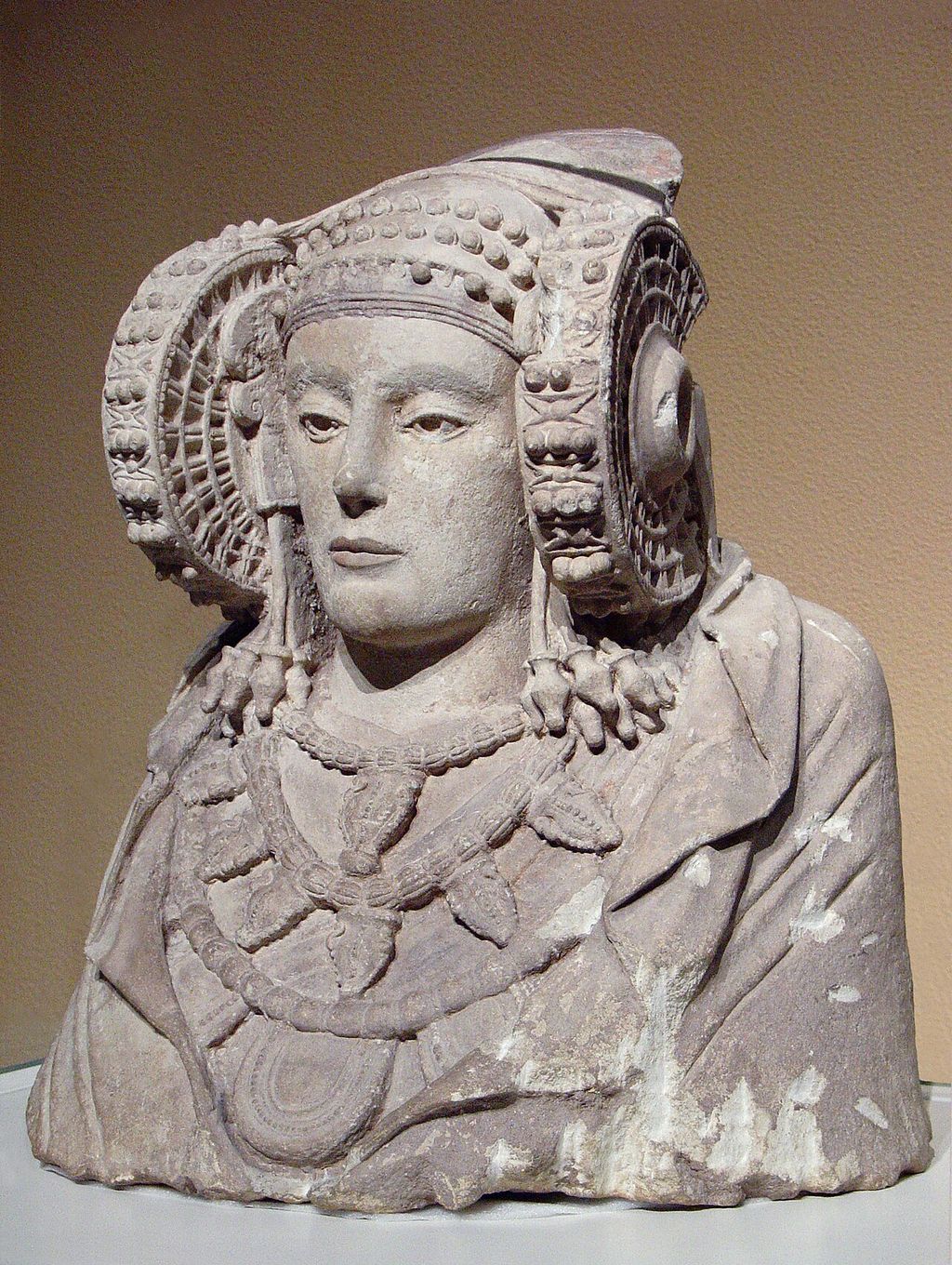
The adjective is also too broad to identify the art he encountered. Africa contains many distinct artistic traditions; a Dan mask from a region spanning present-day Liberia and Côte d'Ivoire is not interchangeable with a Fang mask from Gabon or an Iberian sculpture from Spain. The European writers who used “primitive” often grouped such objects with Oceanic and American works, treating them as an undifferentiated alternative to Western naturalism. That older category tells us more about European modernist attitudes than about the makers and purposes of the works themselves.[1][6]
The name should therefore lead to questions, not close them. Which object did Picasso demonstrably see? Which resemblance is a curator's formal comparison rather than a documented source? How did an object enter a Paris museum or dealer's stock? And what did its makers intend before it was removed from the setting in which it was used? The surviving evidence answers some of these questions better than others.[1][6]
From Gósol and Iberian sculpture to Paris in 1907
In 1906 Picasso and Fernande Olivier spent part of the summer at Gósol in Catalonia. His figures were becoming more solid and simplified even before Les Demoiselles d'Avignon. The Musée national Picasso-Paris also records his attention to Iberian sculpture displayed at the Louvre that year. MoMA's Two Nudes, painted in Paris in late 1906, connects its heavy, terracotta-coloured figures specifically to ancient Iberian sculpture. Its left figure anticipates a pose and face in Demoiselles. These observations resist a story in which one encounter with African masks suddenly created a wholly new manner.[2][5]
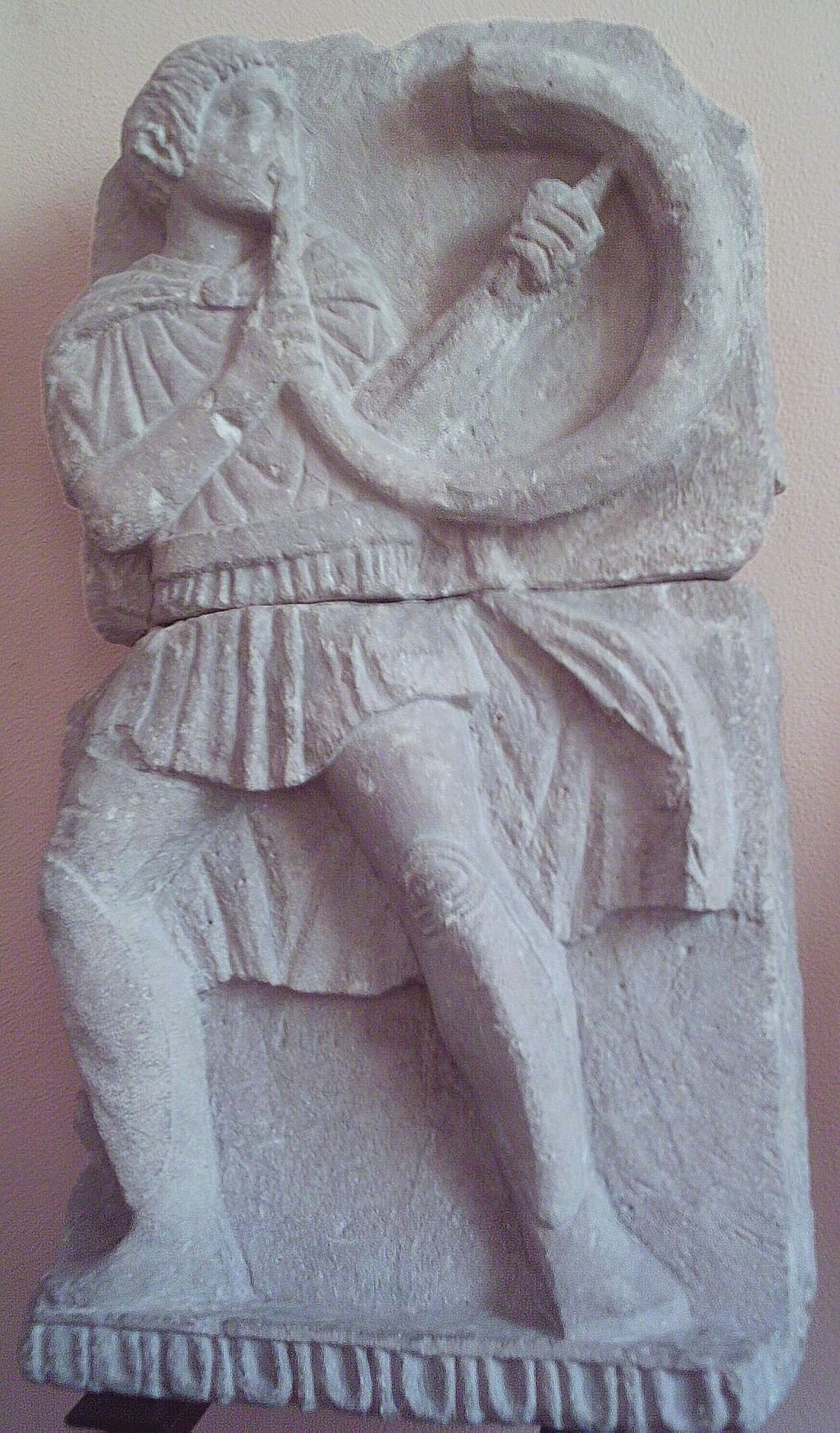
Picasso's Parisian circle included artists who were also looking at African objects. The Musée national Picasso-Paris describes his encounter with an African sculpture in the Stein circle, while the Metropolitan Museum of Art recounts Henri Matisse showing him a small figure he had acquired. Retellings vary in detail and date, so they are better used to establish a social setting than to claim the exact moment when Picasso's interest began. The French Picasso museum's chronology places his discovery of African sculpture at the Musée d'Ethnographie du Trocadéro in 1907.[2][3]
The Trocadéro was an ethnographic museum, not an art museum organised around named African artists and their own histories. Picasso encountered objects that had travelled through imperial and commercial networks. MoMA's account of Demoiselles explicitly connects the African and Oceanic material available in Paris to colonial channels. The point is not that Picasso lacked visual curiosity; it is that the conditions under which he could study these works were unequal. The objects could be admired for their forms while their makers, functions and paths out of their communities remained obscured.[1][6]
Watch: Pablo Picasso
Explore Picasso through five videos from museums, broadcasters and art educators.
Picasso’s Guernica: Great Art Explained
Explore the composition and historical setting of Picasso’s best-known response to war.
Watch on YouTubeLes Demoiselles d'Avignon and its different sources
Picasso began planning Les Demoiselles d'Avignon in the winter of 1906–07 and developed it through numerous drawings and painted studies. MoMA dates the completed Paris canvas to June–July 1907. Five women are pressed into a shallow space; their bodies are broken into sharp planes, and the faces do not resolve into one coherent treatment. The work was not publicly exhibited until 1916, around which time it received the title by which it is now known. That title refers to a Barcelona street associated with sex work, not the French city of Avignon.[1]
It is misleading to say Picasso “copied an African mask” for every figure. MoMA's recent gallery label singles out the two women on the right: their geometrically stylised, masklike heads show a strong engagement with African forms. The left and central figures have been related to other sources, including Iberian sculpture and European precedents. What makes the painting so difficult and consequential is partly this collision of unlike treatments within one canvas. Difference is visible among the figures rather than smoothed into a single imported formula.[1][5]
The canvas also changed during its making. MoMA's account places Picasso's Trocadéro experience partway through the work and notes the unusually large number of preparatory studies. It is reasonable to connect the right-hand heads with that encounter, but not to declare a particular surviving mask the precise model without evidence. The paintings and drawings tell us about revisions; they do not identify every object Picasso saw on a given day. Even the dating of the museum visits varies among later accounts, so the defensible chronology is an encounter in 1907 during the picture's development.[1][2][3]
The women return the viewer's gaze in a scene that unsettles conventional arrangements of the nude. Their bodies are not presented through a single, easily entered perspective, and angular forms interfere with an illusion of depth. This is not a neutral exercise in geometry. The subject is a group of women in a space linked to sex work; a modern reading must take seriously the way they are represented as well as the sources Picasso used for their faces. MoMA's own commentary asks what the artist appropriated from Western and non-Western traditions and how those acts should be understood.[1]
Some historians have called Demoiselles the beginning of Cubism; others distinguish it from the more sustained Cubist work Picasso and Georges Braque developed afterward. The disagreement is useful. The painting is a crucial laboratory of fractured bodies and space, yet a single 1907 canvas cannot stand in for all the methods of Cubism. It belongs on this page because its sources and revisions illuminate the period's central questions, while its full history needs an object-specific account.[1][2]
The change visible in works of 1908
The investigation did not end with Demoiselles. The Metropolitan Museum of Art's Bust of a Man, dated 1908, compresses a head into a small field of rust, orange and brown. Its long nose, lozenge-shaped eyes and simplified mouth prompt the Met to compare it with masks made by Dan artists in Liberia and Côte d'Ivoire. This is an instructive comparison, not proof that Picasso studied the Met's present-day mask or that all Dan masks share one design. The painting asks how a face can be constructed through a few strong relationships among contours and planes.[4]
The Museu Picasso Barcelona's The Offering, also made in Paris in 1908, is a gouache on primed cardboard. A reclining woman is approached by two men; one lifts the bed covering and holds out flowers. The museum relates the work to Picasso's study of African and Oceanic sculpture and to Cézanne's treatment of bodies and space. The vertical figures and compressed setting are therefore not explained by a single source. The object is especially useful because its medium, scale and scene differ from both the huge Demoiselles canvas and the Met's head study, yet the problem of placing simplified figures in a shallow space connects them.[7]
Barcelona's account also traces the subject through preparatory work, including a written note describing a woman on a bed and a man with flowers. This is stronger evidence for a relationship between studies and finished work than a general visual resemblance would be. It still does not make the woman merely a device for Picasso's innovation. The scene stages a relationship among people; the formal choices and the represented encounter must both be examined.[7]
Works of 1908 and 1909 complicate any fixed period name. The Met discusses Bust of a Man as one of Picasso's early Cubist experiments while noting its engagement with African and Iberian sculpture. Its Head of a Woman (Fernande), made in clay in 1909 and surviving in plaster and bronze forms, is described as a Cubist sculpture built through adding, paring and cutting material. To call all such works simply “African Period” would erase the new investigations of volume and material; to call them only Cubist would conceal sources still active in the artist's thinking.[4][8]
African makers and the limits of influence stories
The word “influence” can make a relationship sound easy and one-way: an anonymous mask enters Europe, a famous European artist sees it, and modern art is born. That sequence assigns creativity to Picasso while reducing the African work to raw material. Museums now publish more information about makers, cultural contexts and performance. The Met, for example, attributes one Face Mask to a Dan artist and explains that Dan masks can take different roles in spiritual, social and political life. A mask's meaning may depend on the dancer, costume and occasion; a face viewed alone in a glass case is an incomplete record of that work.[6]
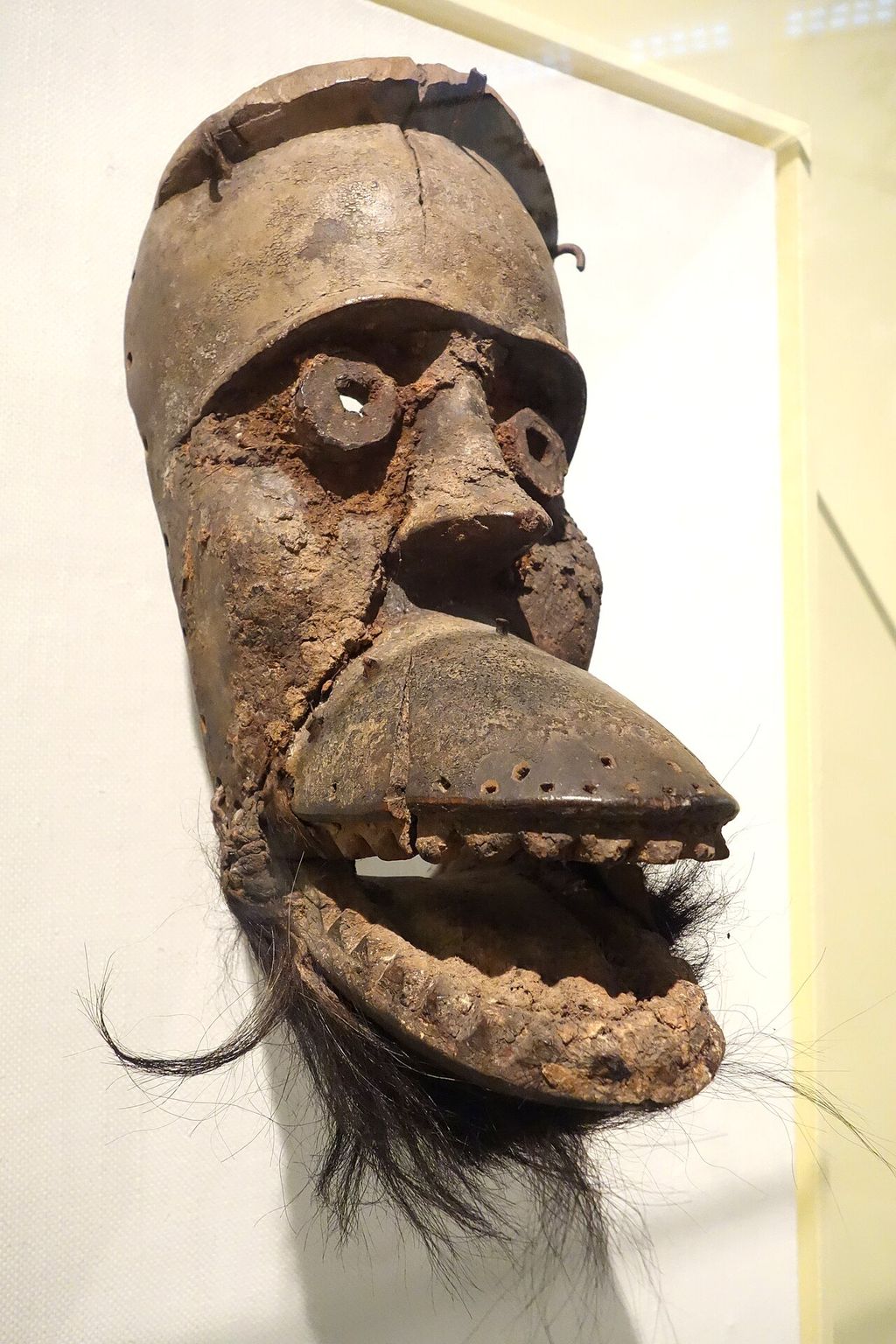
Another Met record identifies a helmet mask as the work of a Betsi-Fang artist from the region of present-day Gabon. Its account describes a masked performance tradition and a response to changing social conditions during the colonial era. This was a designed and used object within a living artistic practice, not an anonymous example of an entire continent's “look.” The record does not establish that Picasso saw this particular mask. Read alongside the Dan example, it makes clear how much cultural information is lost when distinct works are collapsed into the single phrase “African masks.”[6]
The Met masks are contextual examples, not identified sources for a Picasso painting. The distinction matters. A formal likeness between eyes or noses and Bust of a Man can help a reader ask a visual question, but it cannot establish that Picasso owned, handled or even saw a particular surviving object. The same caution applies to Fang and other works often placed beside Demoiselles in illustrations. Where the chain of contact is missing, the honest statement is that a comparison is possible, not that a precise borrowing is proved.[1][4][6]
European access to African objects was shaped by colonial rule, trade and ethnographic collecting. The Met's history of African art's reception describes how objects could be presented as specimens or, later, as modernist icons while their original contexts faded from view. MoMA identifies colonial routes in its account of Picasso's sources. This does not make every object's exact departure history known, and it does not mean every maker had the same experience. It does mean that a history of Picasso's formal innovations is incomplete if it treats the objects as simply “available” in Paris without asking how they arrived.[1][6]
The older word “primitivism” needs similar care. It describes a tendency among European artists and critics to value works they imagined as outside academic civilisation, often projecting onto them qualities such as rawness, magic or timelessness. It is not a respectful or accurate description of the artists or societies whose work they admired. Some later Picasso accounts still use the term as a historical category; it should be understood as evidence of a European viewpoint, not repeated as a neutral label for African art.[2][6]
What continued into Cubism?
Picasso and Braque developed Cubism through sustained experiments with how objects and figures occupy a picture surface. African, Iberian and Oceanic works were among the many sources in Picasso's environment, but neither masklike faces nor a taste for geometric shapes is, by itself, a definition of Cubism. Cézanne's example, the analysis of volume, and the repeated study of a subject from different pictorial possibilities are also part of the story. Barcelona's reading of The Offering makes that combination explicit.[1][7]
The overlap is why the “African Period” cannot be made into a tidy stepping-stone that ends as soon as Cubism begins. The Met dates Bust of a Man to 1908 and calls it an early Cubist experiment while relating its face to Dan masks. A viewer can keep both observations in mind. One concerns a visual source and the history of its encounter; the other concerns a method of pictorial construction. They answer different questions about the same painting.[4]
Nor should the label extend automatically to every later work with a simplified face. Picasso continued to collect and transform a wide range of art, and later masks and heads can recall earlier interests. But a similarity decades later does not prove an unbroken “African Period,” any more than a blue passage creates a new Blue Period. Object dates, materials, documented sources and the problem the artist was addressing are better guides than an indefinite stylistic label.[2][3][8]
How to examine the evidence
Start with MoMA's Two Nudes[5] of late 1906 and Les Demoiselles d'Avignon[1] of 1907. The first makes the Iberian prelude visible; the second combines several kinds of face and figure in one contested composition. Ask which parts of the later canvas the museum specifically relates to African art and which it does not. That keeps a broad influence claim from swallowing the actual painting.[1][5]
Then compare the Met's Bust of a Man[4] with Barcelona's The Offering[7]. One is a concentrated painted head; the other is a small gouache with several bodies and a narrative action. Both belong to a period of testing simpler forms and shallower space, yet neither is a copy of Demoiselles. Finally, read the Met's Dan artist Face Mask[6] for a reminder that an African object has its own maker and context, not merely a role in Picasso's career.[4][6][7]
This route through the works leaves the period label in its proper place. It helps locate an intense moment of experiment around 1907–08, but it cannot replace precise object histories, the diversity of African artistic traditions, or an account of colonial collecting. Those histories remain visible when Picasso's achievement is studied alongside, rather than instead of, the creativity of the artists whose works entered his Parisian world.[1][6]
Discussion
Use the evidence and your own close looking to explain your view. These are editorial prompts, not reader comments.
Reader Insights
Which form in a cited work can be described without treating African cultures as one source?
How do Iberian, Oceanic and European comparisons complicate the period label?
Where does the evidence end and a claim of direct borrowing begin?
Join the Conversation
Which reading best fits the evidence?
References
- Museum of Modern Art, Les Demoiselles d'Avignon, object record and 2024 gallery text.
- Musée national Picasso-Paris, chronology and influences essay.
- Metropolitan Museum of Art, “African Influences in Modern Art”.
- Metropolitan Museum of Art, Bust of a Man.
- Museum of Modern Art, Two Nudes.
- Metropolitan Museum of Art, Dan artist Face Mask, Betsi-Fang artist Ngontang helmet mask and “African Art, New York, and the Avant-Garde”.
- Museu Picasso Barcelona, The Offering and Spanish collection commentary.
- Metropolitan Museum of Art, Head of a Woman (Fernande).
Image Credits
- Photograph: Francisco J. Díez Martín, 2004. CC BY-SA 2.5. Source: Wikimedia Commons. Resized to 1024px; no crop. Source record. Licence.
- Creator as listed on source page. CC BY-SA 3.0. Source: Wikimedia Commons. Resized proportionally to 1024px wide; no crop. Source record. Licence.
- Daderot. CC0. Source: Wikimedia Commons. Resized proportionally to 1024px wide; no crop. Source record. Licence.

_01.jpg)
_-_Dan_people,_Liberia,_19th_century,_wood,_organic_materials,_monkey_skin,_iron_nails_-_Brooklyn_Museum_-_Brooklyn,_NY_-_DSC08599.JPG)