


 by Tom Gurney
Tom Gurney BSc (Hons) is an art history expert with over 20 years experience
Email: tomgurney1@gmail.com / Phone: +44 7429 011000
Introduction
“Picasso print” can mean two very different things. It may be an original etching, lithograph or linocut made through a printing process Picasso used as part of his art. It may also be a modern reproduction of one of his paintings, drawings or sculptures. Both can carry his name on a sales page, but they are not the same kind of object. Picasso's printmaking deserves to be understood on its own terms: he used plates, stones and blocks to change an image, test variations and reach people through multiple impressions.[1][2]
This guide explains the principal techniques and several securely documented works, from an early etching to late series. It also gives a practical way to read museum records and product descriptions. A print may exist in more than one state or edition; the date of the image's making need not be the date when a particular impression was pulled. Printers and publishers may have played identifiable roles. Those details matter more than whether a picture looks “drawn” or has been reproduced many times online.[2][3]
At a Glance
- Focus: Picasso’s original printmaking, not later reproductions of his art
- Processes: Etching, lithography, linocut and related techniques
- Check the object: State, edition, printer, publisher and impression date
Contents
- What makes an original print
- The Frugal Repast and the life of an etching
- Cubist prints and the problem of signs
- The Vollard Suite and the force of variation
- Ovid's Metamorphoses and Partial Female Figure
- Prints made for a political public
- Lithography after the war
- Colour linocuts and the role of the printer
- Late etchings and the continuing workshop
- Original prints, reproductions and careful descriptions
What makes an original print
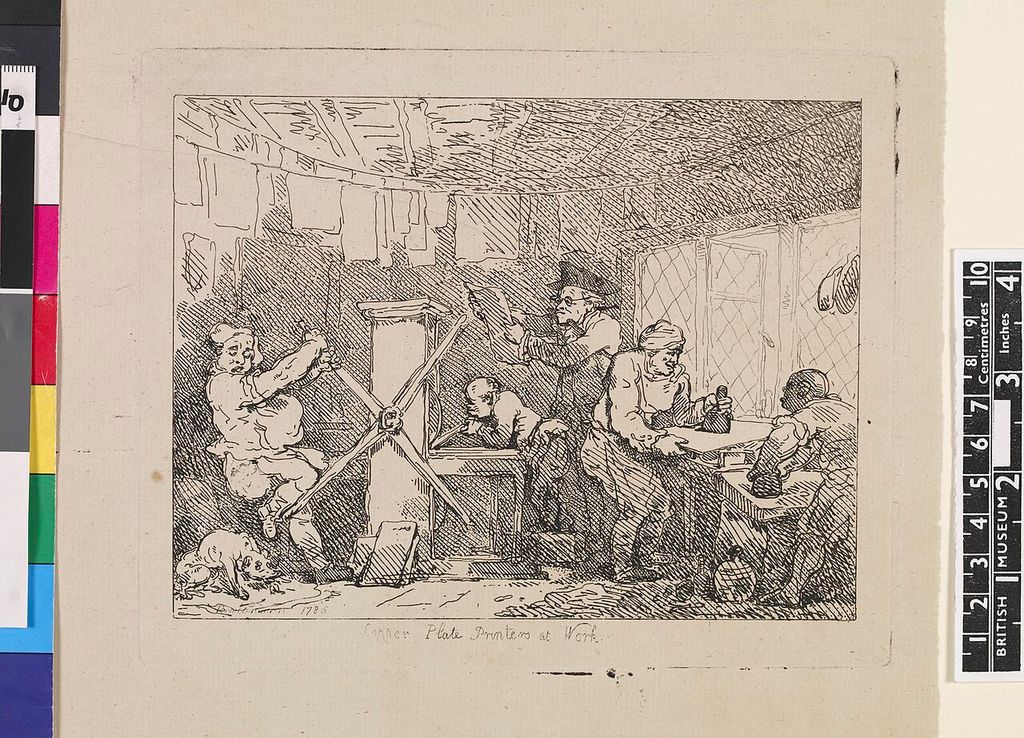
In printmaking, the artist develops an image on a matrix—a surface such as a metal plate, lithographic stone or carved block. Ink is transferred from it to paper, producing an impression. A single matrix can produce multiple impressions. They are not automatically copies of a painting: the image may have been conceived for that printing process. A reproduction, by contrast, reproduces an existing image, perhaps a photograph of a painting or a scan of a drawing. This distinction is about how an object was made, not a judgement that every inexpensive poster is worthless.[1][4]
An original print can still involve several people. Picasso made choices about the image and its changes, while a specialist printer might prepare materials, ink a plate or pull impressions. A publisher could organise an edition and its distribution. Museum records often name these roles. They are not footnotes to a myth of solitary genius; printmaking is a workshop practice in which technical knowledge and artistic decisions meet.[2][5]
Three terms help when reading a catalogue. A state is a version of the image after the matrix has been changed; an impression from an earlier state can look different from one made after further work. A proof is an impression made to test or approve an image, sometimes before an edition is complete. An edition is a defined group of impressions, though its size and associated proofs must be checked for the particular work. These labels describe production histories; none, by itself, proves that an offered sheet is what a seller claims.[2][3][6]
Dates need equally careful reading. A catalogue may record when Picasso made a plate, when it was printed, when a publisher issued it, or when a later impression entered a collection. These are different events. The gap between them is especially clear in one of his first major prints.[3]
The Frugal Repast and the life of an etching
Picasso etched The Frugal Repast in 1904. Two gaunt people sit at a table with bread and drink. The Metropolitan Museum of Art identifies the work as an etching made in two states. Picasso had only a few impressions printed at the time; Ambroise Vollard later acquired the plate and published an edition in 1913. The Met's own impression is described as “1904, printed 1913,” with Louis Fort named as printer and Vollard as publisher.[3]
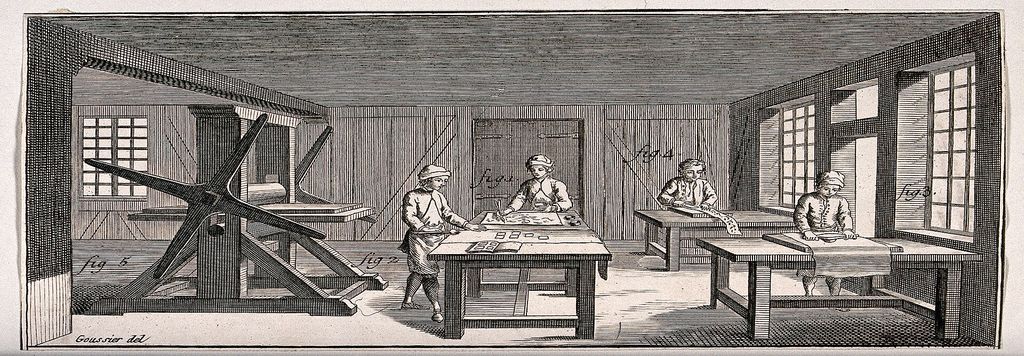
That label is more informative than “a 1904 Picasso print.” The image belongs to 1904, but this particular sheet belongs to a later printing. The change does not make it a reproduction of a painting. It is an impression from the etched matrix. Nor does a later impression become identical in historical circumstances to one pulled when the plate was first made. The British Museum's record likewise identifies its example as a second-state impression from the Vollard edition.[3][7]
The scene has affinities with Picasso's Blue Period treatment of isolation, but the medium does its own work. Etched lines and the relation between dark figures and unmarked paper create an experience different from blue oil paint. The Frugal Repast shows why the printmaking story should not be told as a secondary gallery of familiar painted subjects. An idea can be developed in a technique that gives it another texture, scale and route into circulation.[3][7]
Etching is an intaglio process: lines are worked into a metal plate, which holds ink in its recesses for printing. In drypoint, a sharp tool incises the surface directly, leaving a slight raised burr that can catch ink and soften a line. Aquatint is used to create areas of tone rather than only outlines. Picasso moved among and combined such methods. Knowing a technique need not become a chemistry lesson; it helps explain why a print's black marks may be crisp, velvety or washed across a surface.[1][8]
Watch: Pablo Picasso
Explore Picasso through five videos from museums, broadcasters and art educators.
Picasso’s Guernica: Great Art Explained
Explore the composition and historical setting of Picasso’s best-known response to war.
Watch on YouTubeCubist prints and the problem of signs
Printmaking also gave Picasso a way to test the Cubist problem of recognition. A bottle, musical instrument or face could be divided into lines and planes, while letters or fragments of text might offer clues about what a viewer was seeing. A printed black line can mark the edge of an object, an internal plane or a sign borrowed from ordinary life. The choice of process affects how those clues sit on the page. The separate Cubism guide follows the broader experiment across media.[2][9]
The label “Cubist print” should not be treated as one uniform appearance. The museum collections contain etchings, drypoints and other works made in different phases of Cubist experiment. Some are difficult to read because objects are broken into near-matching facets; others use recognisable signs more boldly. Picasso and Georges Braque developed Cubist approaches in dialogue, and other artists contributed to the movement's public life. A print's date and technique are better guides than assuming every fractured image tells the same story.[2][9]
The book can also be a print's intended setting. Picasso contributed original graphic work to illustrated publications; a sheet made for a book has a relation to sequence, text, paper and publisher that may be lost when it is seen framed alone. Museu Picasso Barcelona has shown books containing original etchings, lithographs and linocuts, distinguishing limited bibliophile editions from widely distributed publications. “Illustration” need not mean that the art is merely a reproduction of a painting.[10]
Niko Pirosmani and Pirosmanachvili 1914
One late example is Iliazd's Pirosmanachvili 1914, published in 1972 in homage to the Georgian painter Niko Pirosmani. Toledo Museum of Art identifies Picasso's contribution as an original drypoint frontispiece—an idealised portrait—made for Iliazd's republication of an article he had written about Pirosmani in 1914. The title's year therefore refers to that earlier text, not the date of Picasso's print. MoMA catalogues the illustrated book with one drypoint and names Atelier Lacourière et Frélaut as printer of the image.[24][25]
The frontispiece shows an artist at an easel: a small figure and palette are built from sharply crossing lines, while the easel and canvas stand to the right. A tightly cropped monochrome image circulated as Niko Pirosmani shows this same design as the frontispiece visible in MoMA's catalogue. That visual match identifies the composition, not the particular physical impression, its paper, or its ownership. Nor does it make the drypoint a painting or a preparatory pen drawing. The book setting and the print process are central to what Picasso made here; the artwork image remains copyright-restricted and is not reproduced on this page.[24][25]
The Vollard Suite and the force of variation
During the 1930s Picasso made the group of 100 plates known as the Vollard Suite, after the dealer and publisher Ambroise Vollard. The Musée national Picasso-Paris describes the plates as made between 1930 and 1937. They do not form a single story with a beginning and end. Repeated settings and figures—among them the sculptor's studio and the Minotaur—change role across the series. Clear drypoint line can give way to deep aquatint blacks.[8]
These variations make the viewer's expectations part of the subject. An artist and a model may share a studio, or the act of looking may become uncomfortable. A Minotaur can be aggressive in one plate and vulnerable in another. It is unhelpful to attach one permanent symbol to him or to assume that every scene is a direct diary entry. Looking across multiple plates reveals shifts of mood, technique and power that one reproduced image cannot show.[8][11]
The Rape (Le Viol) and Man and Woman (Homme et Femme)
An old page titled Man and Woman (1927) showed two overlapping nude figures beneath a dense mesh of crosshatched lines. Its JPEG matches the composition of the National Gallery of Art's The Rape (Le viol), not the more open-lined Man and Woman (Homme et Femme) that MoMA separately catalogues as a 1927 etching. The match rests on the arrangement of the figures and the net-like background; a cropped JPEG cannot establish that it depicts the National Gallery's particular impression. The National Gallery dates its etching to 1931 and records its impression as printed in 1939 by Roger Lacourière. MoMA likewise catalogues Le Viol as a 1931 Vollard Suite etching published in 1939. These are printmaking dates, not evidence of a painting made in 1927.[22][23][29]
The catalogue title names sexual violence. That wording should not be softened into a romantic encounter, and the scene should not be treated as a report of a real event without evidence. The institutional records help identify the print and distinguish plate, impression and publication, but they do not establish the sitter identities or Picasso's private motives. The legacy JPEG and museum reproductions remain copyright-restricted; readers can inspect the linked object records without this page republishing the image.[22][29]
The date “1930–37” refers to the making of the plates, not automatically to the printing or distribution of every impression. The British Museum's exhibition research describes a later printing and subsequent distribution history. When a collection record gives a date for a specific impression, it is worth checking what that date means. A print's physical and publishing history can be as complex as its image.[8][11]
Ovid's Metamorphoses and Partial Female Figure
The few contours of Partial Female Figure (Fragment de corps de femme) describe part of a woman's back and hips without completing the body. Musée national Picasso-Paris catalogues its impression MP2144 as an etching from April 1931, printed by Louis Fort. MoMA holds a separately catalogued 1931 impression and also records the design in the illustrated-book project Les Métamorphoses by Ovid. These are records of print objects, not evidence that every online crop of the design depicts the same sheet, state, paper or owner.[26][27][28]
A small reproduction sometimes titled simply Woman shows the same spare arrangement of curved and vertical lines as MoMA's catalogued image, but removes the surrounding page and carries a signature-like mark at lower right. The close design match does not authenticate that mark or establish whether the crop came from an original etching, a later facsimile or another reproduction. Calling the visible lines a “painting” would obscure the printing process; calling the JPEG a particular museum impression would invent provenance. The page therefore describes the design and directs readers to the institutions' object records without reproducing Picasso's protected image.[26][27]
Prints made for a political public
In 1937 Picasso made the two-part Dream and Lie of Franco (Sueño y mentira de Franco), attacking the leader of the Nationalist uprising in Spain. The Metropolitan Museum of Art describes the sheets as divided into small scenes and identifies etching with sugar-lift aquatint in its second plate. Roger Lacourière is named as printer; Picasso is listed as publisher. The works were also issued as postcards sold for the benefit of the Spanish Republican government.[12]
This was a print with a public purpose. Repetition mattered because an image and its message could circulate beyond the studio or one exhibition room. Some later scenes on the second plate are related to the developing Guernica painting, but the sheets are not simply small copies of that mural. Reina Sofía separately catalogues Sueño y mentira de Franco I as etching and sugar-lift aquatint on paper, reinforcing that it is an original graphic work with its own technique and object history.[12][13]
The sheets also show why a print's direction can matter. A plate is printed in reverse. The Met notes that Picasso worked across the scenes in one direction while the printed version reads in the other. That material fact shapes the sequence a reader encounters. Printmaking is not a transparent method of multiplying a drawing; its transfer process can alter how an image is read.[12]
Lithography after the war
In lithography, a greasy image is drawn or painted on a prepared stone or metal surface, then printed through the way grease and water resist one another. This permits marks that can feel close to pencil, brush, wash or a broad painted gesture. Museu Picasso Barcelona's technical research describes Picasso using lithographic crayons, inks, washes, brushwork and frottage, on stone or zinc. It also places his work in relation to the Atelier Mourlot in Paris.[5]
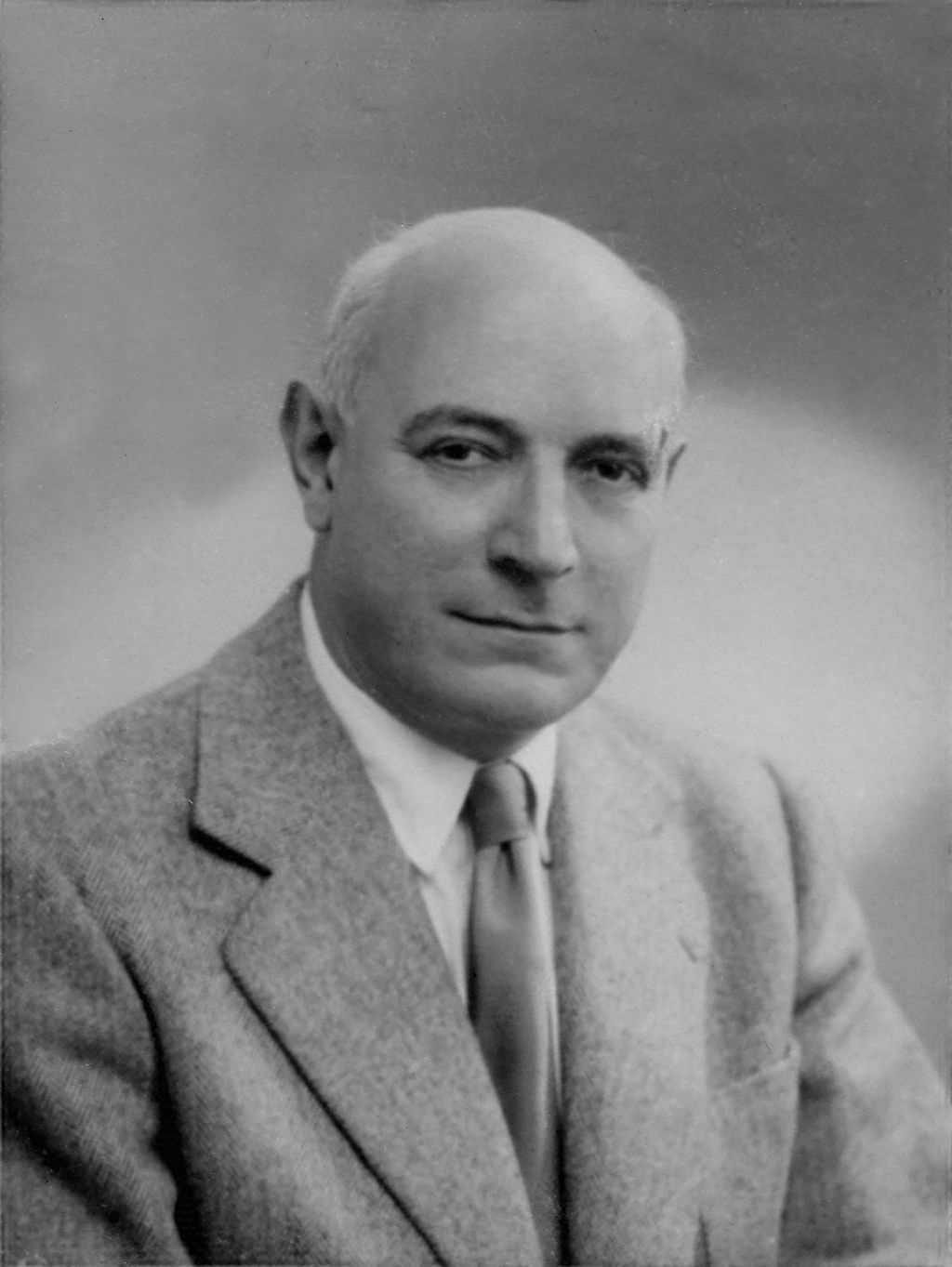
Picasso's series The Bull is a particularly clear example of why “a Picasso print” may refer to several related but distinct images. MoMA identifies its eleventh state as a lithograph dated 17 January 1946 and names Mourlot as printer. The sequence moves from a fuller animal toward a few schematic lines. Each state asks how much can be removed before a bull ceases to be recognisable. The late, spare image is not a casual one-line animal sketch; it belongs to an extended experiment in revision through a printing matrix. The bulls and Minotaurs guide considers how this subject changes across other media.[6][14]
A German museum record offers a useful object-level check. The Staatliche Kunsthalle Karlsruhe catalogues its Der Stier (Le taureau) as a 1946 lithograph on paper, with its own dimensions and inventory number. Its page says the artwork image cannot be offered for download because of copyright. The record confirms the medium; it does not give THOA permission to reproduce the image or establish that every online “Bull” print is the same impression.[15]
Other lithographs broaden the picture beyond black line. Barcelona's conservation account describes work that became more painterly in its handling of gesture and wash. Lithography can therefore carry a quick-looking line, layered tone or a substantial brushlike mark. A viewer should ask what the technique permits in the particular sheet rather than treating all lithographs as copies of drawings.[5]
Colour linocuts and the role of the printer
Picasso explored linocut especially in the late 1950s and early 1960s. In this relief technique, areas are cut away from linoleum; the raised parts receive ink and print. It can produce bold shapes and strong colour relationships. Museu Picasso Barcelona traces Picasso's work with the printer Hidalgo Arnéra and the reduction method, in which successive colour stages can be cut from a block as the image develops.[16]
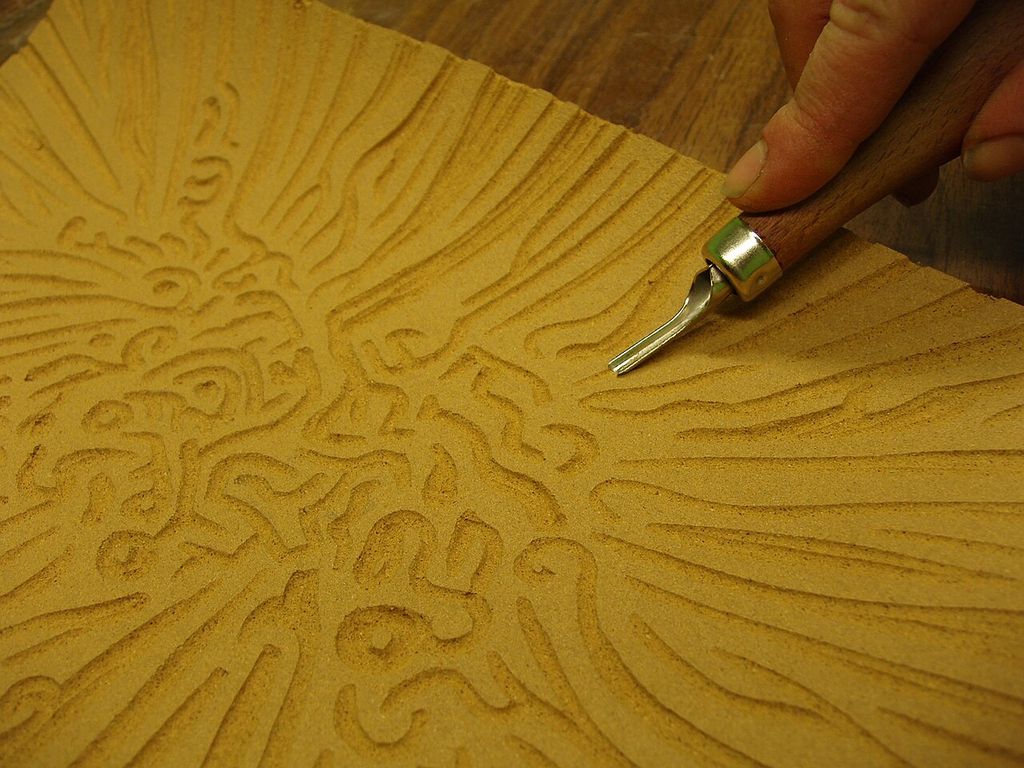
The reduction method is not a universal formula for every Picasso linocut. Barcelona catalogues Portrait of Jacqueline in a Printed Dress (1962) as printed in three colours from two linoleum blocks, with a proof and state specified in its record. The Metropolitan Museum of Art's Still Life with Hanging Lamp (1962) names Arnéra as printer and Galerie Louise Leiris as publisher. A British Museum trial proof of that still life records an early colour combination that was abandoned. These details show why proof, state, printer and publisher are useful information rather than specialist decoration.[17][18][19]
The subject matter could be a person, still life, poster or other image. But the print should be examined as a sequence of material choices. Where a later colour lies over an earlier one, the block and inking order matter. A reproduction of the final image can show the result; it cannot by itself reveal which states were tried or how the print was made.[16][19]
Late etchings and the continuing workshop
Picasso did not abandon printmaking after linocut. In 1968 he made the group now called the 347 Suite, returning intensively to etching and related processes. The British Museum records one impression as printed with Aldo and Piero Crommelynck and published by Galerie Louise Leiris. The series returns to performers, studios, bullfighting, sexual encounters and older art; an individual sheet needs to be read in relation to its own date and technique rather than used as a summary of the entire late career.[20][21]
The printer's presence remains visible in the catalogue. Picasso's design, the worked matrix, the printing of a state, the choice of paper and the publication of an edition are linked but different actions. A museum record that names those contributors lets the reader see a work of art as a produced object, not merely a famous image attached to one name.[2][20]
Original prints, reproductions and careful descriptions
If you encounter a “Picasso print” for sale, begin by asking what the seller means. Is it an impression from an etching, lithograph or linocut Picasso made as a print? Is it a later reproduction of a painting or drawing? Is it a poster, book illustration or photograph of a sculpture? These categories may all be offered on paper. A beautiful, licensed reproduction can serve someone who wants an image for a wall, but it is not the same object as an original Picasso print.[1][4]
For an asserted original, compare the description with a museum record or established catalogue entry. Look for the exact title, technique, dates of matrix and impression where known, dimensions of sheet and printed area, state, edition or proof designation, printer, publisher and ownership history. Ask for clear documentation and qualified independent assessment before a substantial purchase. A signature, edition number or certificate in a listing can be useful evidence to examine; none should be treated alone as conclusive proof of authenticity. This is a method for asking better questions, not a judgement on any particular seller or sheet.[3][6][17]
Image rights are a separate issue. The fact that a museum displays an object online, or that a retailer sells a reproduction, does not grant another website permission to copy its image. This page is text-led and points to institutional records so readers can inspect specific works and their catalogue details in context. Those records also protect against a common misunderstanding: a print can be multiple and still be an original work of printmaking, while a photographically reproduced painting remains a reproduction however often the word “print” is used.[3][4][15]
Picasso's prints make the act of variation tangible. An etched couple could be printed years after the plate was made; a bull could lose form across successive lithographic states; a colour linocut could change through proofs; a political sheet could travel as a postcard. Looking at matrix, impression and publication alongside the image reveals an artistic practice that was collaborative, technically adventurous and distinct from painting or drawing, even when their subjects overlapped.[3][6][12][19]
Discussion
Use the evidence and your own close looking to explain your view. These are editorial prompts, not reader comments.
Reader Insights
What evidence identifies this as an original print rather than a reproduction?
How might a different state or impression change the image you are describing?
Where do printer and publisher enter the object’s history?
Join the Conversation
Which reading best fits the evidence?
References
- National Gallery of Art, “Prints,” explanation of matrix and impression. View source.
- Musée national Picasso-Paris, “La collection,” French account of its print holdings, matrices, proofs and collaborators. View source.
- The Metropolitan Museum of Art, “The Frugal Repast,” object record distinguishing 1904 plate from 1913 impression. View source.
- The Metropolitan Museum of Art, “L'Estampe Originale: A Rare Print Portfolio Now Online,” account of an original print as an artistic multiple. View source.
- Museu Picasso Barcelona, “Exploramos la técnica de la litografía a través de las experimentaciones de Picasso,” Spanish conservation account. View source.
- The Museum of Modern Art, “The Bull (Le Taureau), state XI,” 1946 lithograph record. View source.
- British Museum, “Le repas frugal,” collection record of a second-state Vollard impression. View source.
- Musée national Picasso-Paris, “La collection,” French printmaking section on the Suite Vollard, in the collection press dossier. View source.
- Musée national Picasso-Paris, “Picasso et le cubisme,” French account of Cubism and its materials. View source.
- Museu Picasso Barcelona, “Exposición de libros con grabados originales de Picasso,” Spanish exhibition overview. View source.
- British Museum, “Picasso: printmaker,” exhibition research on the Vollard Suite and later printmaking. View source.
- The Metropolitan Museum of Art, “The Dream and Lie of Franco II,” 1937 object record. View source.
- Museo Reina Sofía, “Sueño y mentira de Franco I,” Spanish archival object record. View source.
- The Museum of Modern Art, “Picasso: Themes and Variations,” research on states of The Bull. View source.
- Staatliche Kunsthalle Karlsruhe, “Der Stier (Le taureau),” 1946 German object record and image-rights notice. View source.
- Museu Picasso Barcelona, “Picasso linograbador,” Spanish exhibition research. View source.
- Museu Picasso Barcelona, “Retrato de Jacqueline con vestido estampado,” 1962 object record. View source.
- The Metropolitan Museum of Art, “Still Life with Hanging Lamp,” 1962 linocut record. View source.
- British Museum, “Nature morte sous la lampe,” 1962 trial proof record. View source.
- British Museum, “Eau-forte 29 mars 1968,” 347 Suite impression record. View source.
- British Museum, “Picasso: printmaker,” overview of the 1968 347 Suite. View source.
- The Museum of Modern Art, The Rape (Le Viol) from the Vollard Suite, object 183.1949, 1931 etching published 1939. View source.
- The Museum of Modern Art, Man and Woman (Homme et Femme), object 383.1949, 1927 etching. View source.
- Toledo Museum of Art, Pirosmanachvili 1914, 1972 illustrated-book record, object 1984.945, with the publication and frontispiece history. View source.
- The Museum of Modern Art, Pirosmanachvili 1914, 1972 illustrated book with one drypoint, object 16.1976, including image, printer and rights statement. View source.
- Musée national Picasso-Paris, Fragment de corps de femme, impression MP2144, April 1931 etching printed by Fort. View source.
- The Museum of Modern Art, Partial Female Figure (Fragment de corps de femme), 1931 etching, object 10.1945. View source.
- The Museum of Modern Art, Partial Female Figure from Ovid's Les Métamorphoses, 1931, object 968.1964.27. View source.
- National Gallery of Art, The Rape (Le viol), 1931 etching from the Vollard Suite, accession 1950.16.199, including visual description, impression medium, printer and rights notice. View source.
Image Credits
- Creator as listed on source page. Public domain. Source: Wikimedia Commons. Resized proportionally to 1024px wide; no crop. Source record. Licence.
- Unknown creator. CC BY 4.0. Source: Wikimedia Commons. Source record. Licence.
- Mourlot family archive; scan and rights-holder release credited to Eric Mourlot on Wikimedia Commons. Record date: 16 July 1953, despite the filename’s ‘1950’. Worldwide public-domain dedication, with fallback permission for any purpose. Proportional resize only. Source record. Licence.
- Ivo Kruusamägi. CC BY-SA 2.5. Source: Wikimedia Commons. Resized proportionally to 1024px wide; no crop. Source record. Licence.



