by Tom Gurney
Tom Gurney BSc (Hons) is an art history expert with over 20 years experience
Page created on September 4, 2026 / Page updated on September 13, 2026
Email: tomgurney1@gmail.com / Phone: +44 7429 011000
Start With the Question: Style, Material or Working Process?
Art comparisons help you decide whether you are separating historical movements and styles or looking at the media and methods used to make art. This guide helps you choose among Baroque vs Rococo, Oil vs Acrylic, or Gouache vs Watercolor, then points to established subject pages when you need background rather than a side-by-side guide.
At a Glance
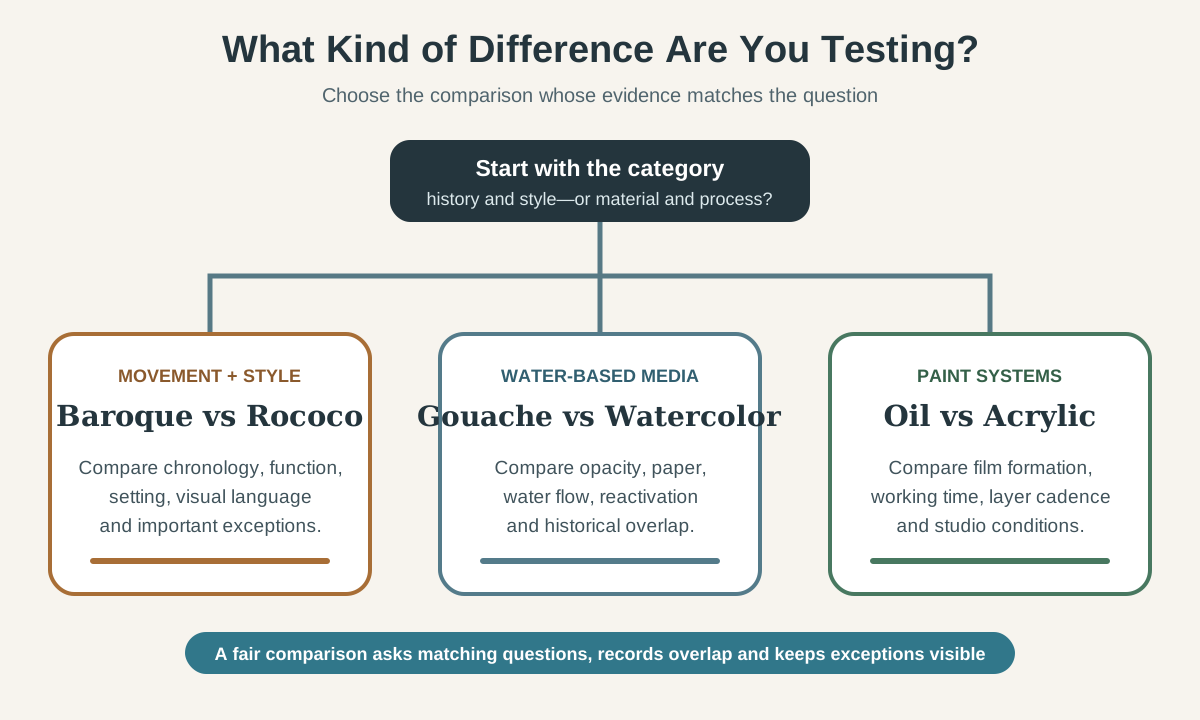
- Movement and styleUse Baroque vs Rococo for chronology, place, patronage, setting and visual language.
- Water-based mediaUse Gouache vs Watercolor for opacity, paper, water flow, layering and reactivation.
- Paint systemsUse Oil vs Acrylic for binder, film formation, working time, studio setup and care.
- Shared methodEach guide asks comparable questions of both sides, records overlap and preserves exceptions.
- Background firstUse the linked movement, medium and materials pages when you need a subject survey rather than a comparison.
Contents
Choose the Comparison That Matches Your Evidence
Begin with the kind of question you are asking. A movement-and-style comparison deals with historically situated labels and visual language; a painting-media comparison deals with the materials of art and the ways artists work with them.[1][2]
Movement and style
Baroque vs Rococo
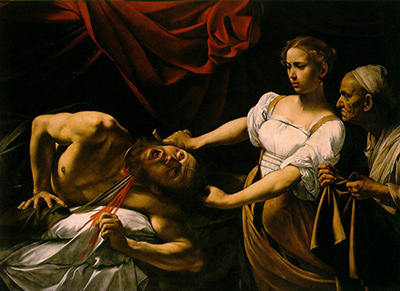
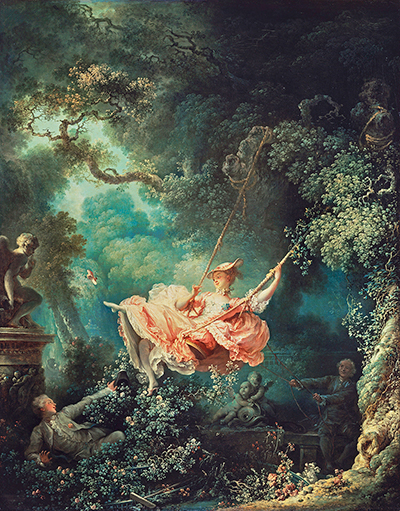
Category: Movement and style. Choose this pathway when your question concerns how two named artistic traditions should be distinguished and discussed in context. It keeps the comparison separate from the broader histories of either subject. For that background, visit Baroque Artists and Rococo Art, where each tradition can be explored on its own terms.
Painting media
Oil vs Acrylic
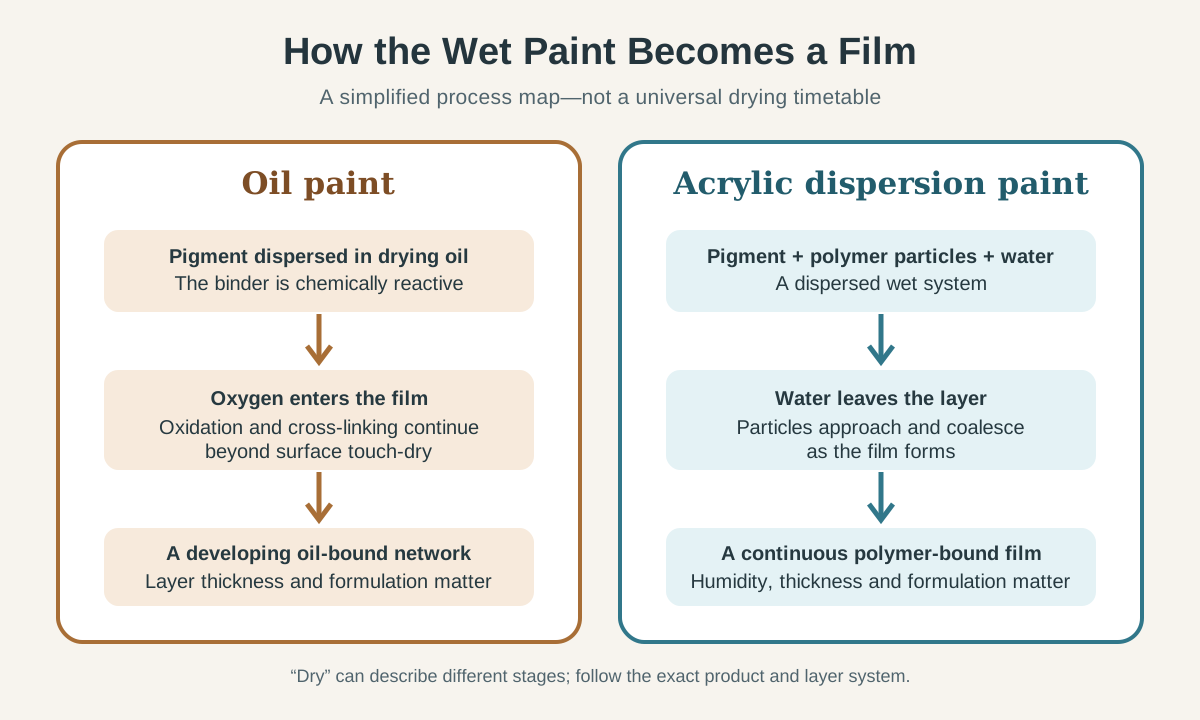
Category: Painting media. Choose this pathway when your question concerns two materials used for painting and you need their differences organised on matching criteria. It is distinct from a general introduction to either medium. For established background, begin with Oil Painting and use Art Materials for the wider roles of materials and tools.
Gouache vs Watercolor
Category: Painting media. Choose this pathway when your question concerns two painting media and you need a balanced account of where their identities meet and separate. It is distinct from a general technique lesson or a survey of works made with either material. For established background, visit Gouache Painting and Watercolor Painting.
Three Comparison Routes, Three Evidence Problems
What are you comparing?
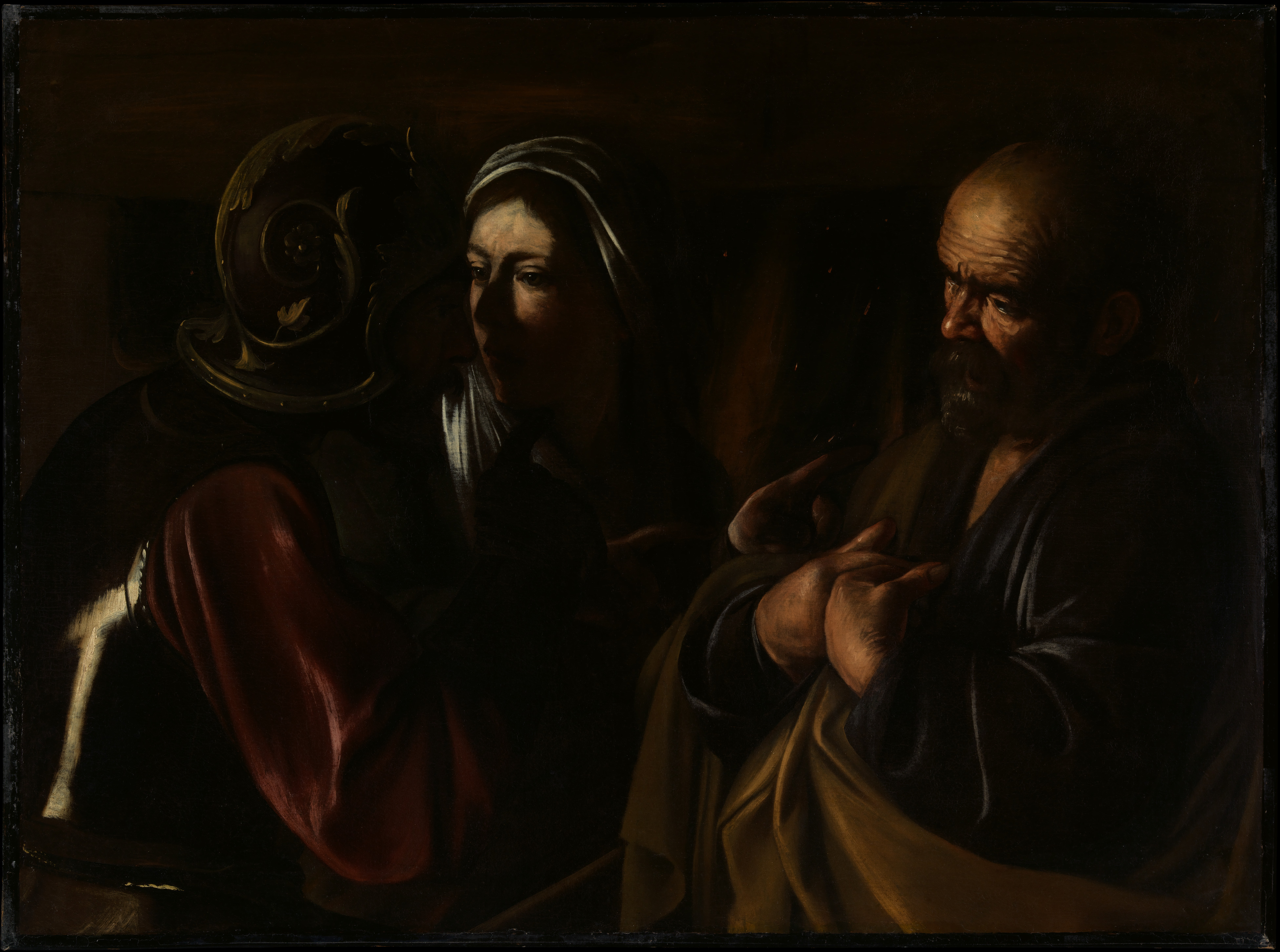
Museum and scholarly resources organise art through several related categories, including materials, techniques and movements.[1] Identifying the category first makes the eventual comparison clearer.
Movement. A movement is a named artistic tendency or grouping understood through historical and scholarly context. It may involve artists, ideas, institutions or shared practices, but its boundaries are not always fixed. Getty’s cataloguing guidance notes that the meanings and parameters of terms for styles, periods, groups and movements can be debated.[2]
Style. Style describes shared formal or visual characteristics associated with works, artists, places or periods. Smarthistory explains that art historians use style principally for formal characteristics and understand it as varying with time and place.[3] A style can overlap a movement, but the two words do not automatically name the same thing.
Medium or media. A medium identifies the material form in which a work is made; media is the plural. The Metropolitan Museum of Art describes medium through the materials and techniques employed to produce an object, while Getty records materials and processes as related but separately structured information.[4][5] That distinction matters when the question is about what was used rather than how it was handled.
These categories can overlap without collapsing into one another. A useful label should clarify the question, not force every artwork or practice into a rigid box.
How these comparisons work
A fair comparison begins by asking the same questions of both subjects. It records similarities as carefully as differences, uses terms appropriate to the category, and gives each side comparable space. Getty’s education guidance joins comparison with the language of visual art and with attention to historical and cultural context.[6]
Context comes next: a visual resemblance or shared material does not necessarily carry the same meaning in a different time, place or use. Evidence should support the distinction, and important exceptions should remain visible rather than being edited away. The National Gallery of Art’s educational approach combines careful observation, comparison, multiple perspectives and reasoning from evidence.[7] Those principles keep a comparison balanced and informative.
Explore the subject first
If you are still deciding what kind of question you have, return to Art Topics for the broader subject structure. Use the Art History Glossary when a term needs a fuller definition, or Art Materials when your question concerns supports, preparation, components or tools rather than one of the comparison pathways above.
The linked movement and media pages provide subject background. They retain responsibility for their own histories, terminology and examples, while this page remains a guide to choosing the right comparison.
Watch Three Kinds of Comparative Evidence
Choose a style comparison, a watercolor studio process, or a museum-led oil-paint study.
Baroque vs Rococo: What's the Difference?
Use the overview to identify claims, then test them against chronology, setting and exceptions in the comparison guide.
Watch on YouTubeFrequently Asked Questions
Start with the category of your question. Use Baroque vs Rococo for historically situated styles, Gouache vs Watercolor for related water-based media, and Oil vs Acrylic for complete paint systems and studio decisions.
A useful comparison does more than list opposites. Similarities show shared ground, while exceptions test whether a claimed difference remains persuasive across periods, products, regions and individual objects.
Not by itself. Pigment, formulation, thickness, ground, lighting, capture and display can all change appearance. The material guides therefore state their variables and use documented objects rather than decorative swatches as universal proof.
Use the linked movement, medium or materials page. The comparison guides keep a balanced side-by-side focus, while the subject pages own fuller histories, artists, techniques and examples.
Discussion
Which comparison question becomes clearer once you separate style, medium and technique—and what evidence would you test first?
Reader Insights
Decide whether the question concerns history, style, material or process.
Comparable criteria prevent one side from receiving different standards.
A strong exception improves the comparison by revealing its limits.
Join the Conversation
Share one precise observation or a useful museum example below.
References
- Museum of Modern Art, “Art terms”, accessed 4 September 2026.
- Getty Research Institute, “Styles/Periods/Groups/Movements”, Categories for the Description of Works of Art, accessed 4 September 2026.
- Smarthistory, “Understanding art: an introduction to art historical analysis”, accessed 4 September 2026.
- The Metropolitan Museum of Art, “Materials and Techniques”, accessed 4 September 2026.
- Getty Research Institute, “Materials/Techniques”, Categories for the Description of Works of Art, accessed 4 September 2026.
- J. Paul Getty Museum, “Comparing Portraits”, accessed 4 September 2026.
- National Gallery of Art, “Every Picture Tells Many Stories”, accessed 4 September 2026.