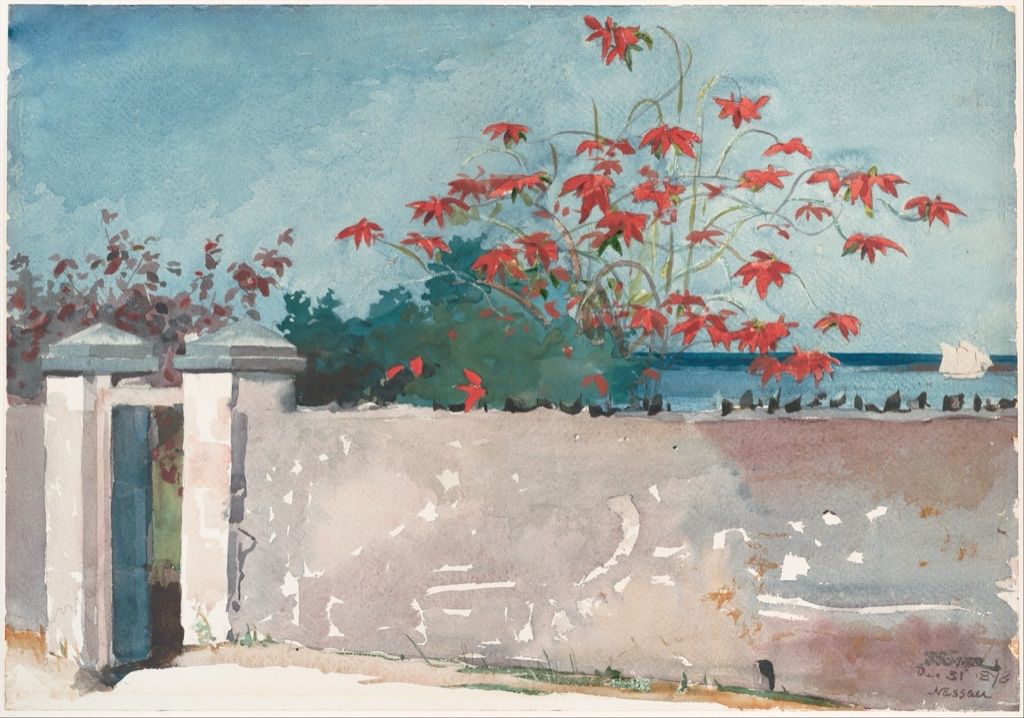
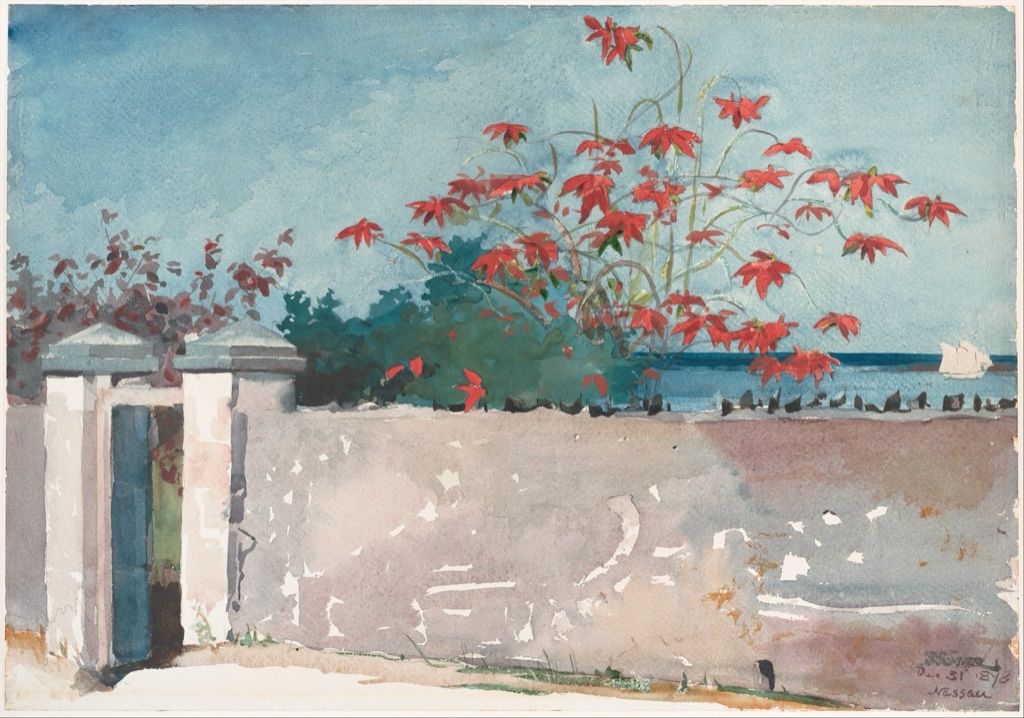
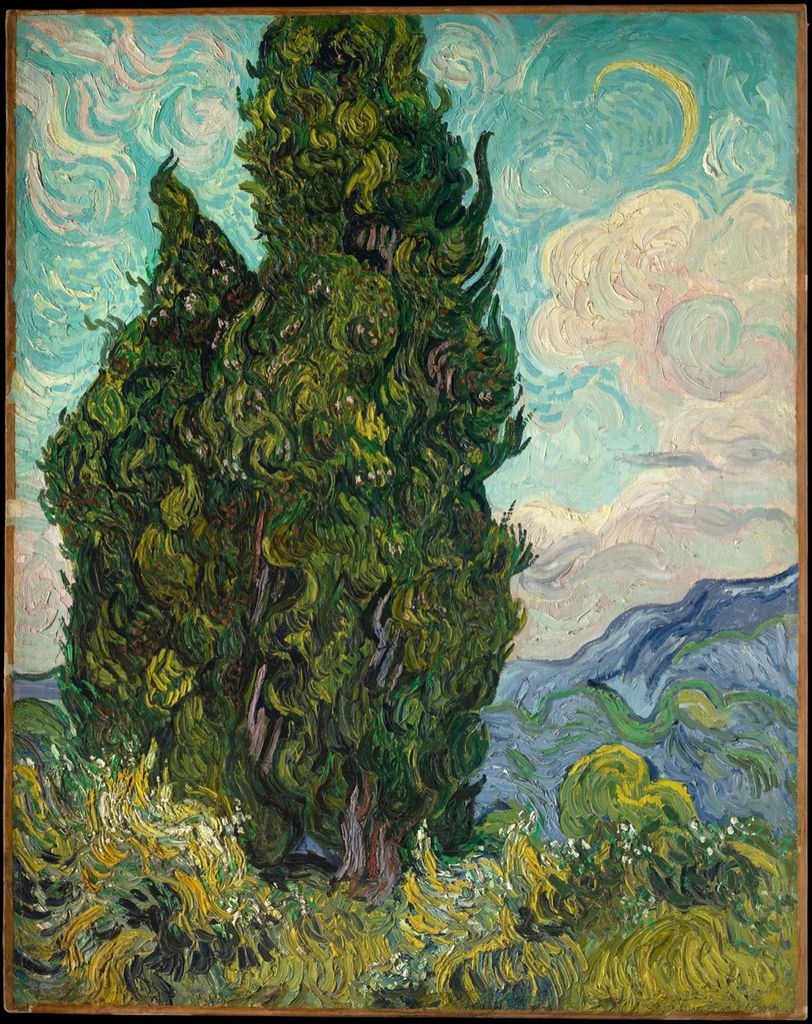
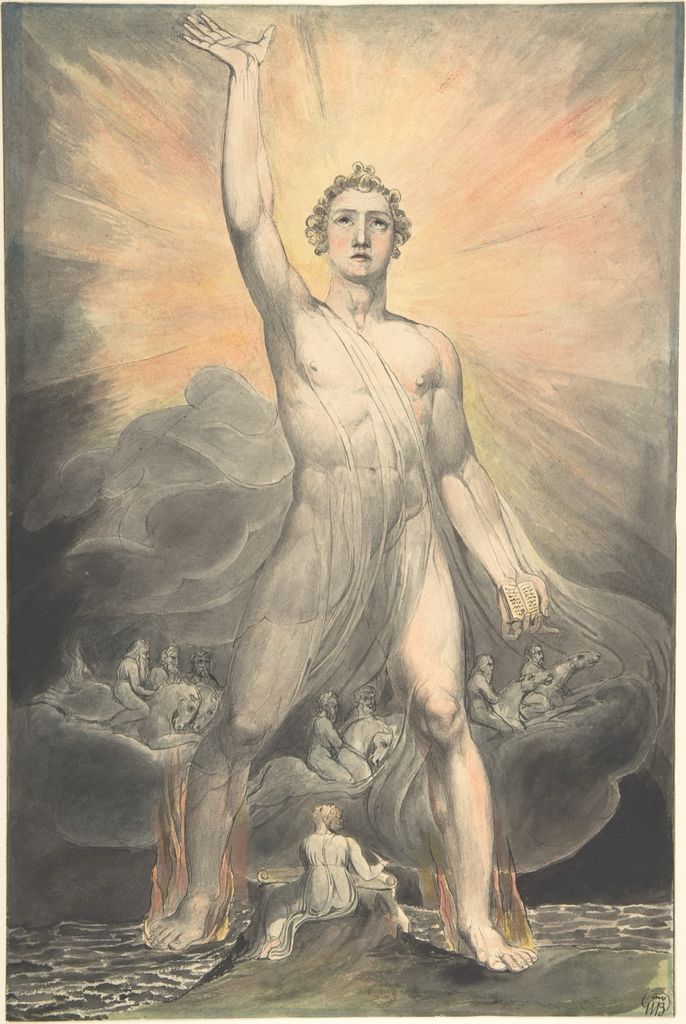
by Tom Gurney
Tom Gurney BSc (Hons) is an art history expert with over 20 years experience
Page created on September 4, 2026 / Page updated on September 13, 2026
Email: tomgurney1@gmail.com / Phone: +44 7429 011000
Two Water-Based Paints, One Crucial Question: What Should the Paper Do?
Watercolor is commonly used in transparent washes that let the paper participate in the image, while traditional gouache is generally formulated and used for more opaque, matte coverage. [1] [2] [4] [5] Neither is a universal winner: the better fit depends on the coverage you want, water and edge behavior, layer order, revision, support, pigment, formulation and care. [2] [5] [6] [9] [10] [11]
At a Glance
- Shared familyBoth use pigment with a water-compatible binder and can be diluted, layered and combined in the same work.
- Watercolor tendencyTransparent washes often make the paper an active source of light, although opaque watercolor also exists.
- Gouache tendencyDenser, matte-looking coverage and opaque revision are common, but opacity varies by pigment and formulation.
- Key variablesPigment, binder, dilution, paint thickness, paper, sizing, humidity and layer order all affect behaviour.
- Decision ruleChoose by the surface and revision process you need, then test the exact paint and paper—not the category name alone.
Contents
- Evidence Matrix: Gouache and Watercolor
- 1. Material family and formulation
- 2. Transparency, opacity and role of the support
- 3. Water, flow and edge behavior
- 4. Layering, reactivation and revision
- 5. Body, surface and dry appearance
- 6. Supports, tools, setup and cleanup
- 7. Historical uses, objects and overlap
- 8. Durability, display, care and learner fit
- Which medium fits your aim?
Evidence Matrix: Gouache and Watercolor
Both are broad families rather than single recipes. Read each row as a decision point, then check the actual pigment, paint range, dilution and paper you plan to use.
1. Material family and formulation
Gouache
Traditional gouache is a water-soluble, pigment-based paint commonly associated with denser coverage; binder and formulation vary. [2] [5] [10] [11]
Watercolor
Watercolor commonly combines pigment, water and a water-soluble binder such as gum arabic. [1] [2]
Check before choosing
Do not treat every tube alike. Pigment concentration, binder, additives and product type matter; acrylic gouache is a separate acrylic-bound family. [9] [10] [11] [12]
2. Transparency, opacity and role of the support
Gouache
Usually chosen for stronger coverage and a more opaque-looking layer, but it can be diluted and some colours are comparatively transparent. [2] [9] [10]
Watercolor
Usually chosen for transparent washes through which the paper contributes light and tone, but it can also be applied opaquely. [1] [2] [4]
Check before choosing
Compare the exact pigment, formulation, paint load, dilution, thickness, paper colour and texture. [2] [6] [9]
3. Water, flow and edge behavior
Gouache
Can move in a wash or hold a denser mark, depending on water, consistency and surface. [10] [11]
Watercolor
On damp paper it can spread into diffuse edges and tidelines; on dry or textured paper it can make more defined or broken marks. [2]
Check before choosing
Sizing, absorbency, texture, water load, pigment and studio conditions can alter either result. [2] [6] [7]
4. Layering, reactivation and revision
Gouache
Traditional gouache can be rewetted in documented gum- or dextrin-bound ranges, but later water may disturb lower layers. [6] [11]
Watercolor
Transparent washes can retain evidence of earlier layers, while some colour may be lifted under suitable conditions. [2] [4]
Check before choosing
Staining, opacity, paper, timing, thickness and formulation determine whether revision works cleanly. [2] [9] [11]
5. Body, surface and dry appearance
Gouache
Commonly gives a denser, matte or tactile surface; thick applications can carry cracking or flaking risk. [2] [5] [6]
Watercolor
Transparent applications can gain luminosity from reflected paper, while pigment and application can also produce opacity and texture. [2] [4] [6]
Check before choosing
There is no fixed brighter, duller or wet-to-dry rule. Product, water, thickness, ground and lighting all matter. [9] [10] [11]
6. Supports, tools, setup and cleanup
Gouache
Paper and board are common, and many broad tool families overlap with watercolor. [1] [5] [7]
Watercolor
Paper is central to much practice, but fibre, sizing, colour, thickness and texture change its response. [2] [7]
Check before choosing
Water-based cleanup is not a blanket safety or disposal assurance; follow the current label, safety data and local rules. [8] [11]
7. Historical uses, objects and overlap
Gouache
Gouache and bodycolour appear in mixed water-based practice as well as more opaque passages. [1] [2] [3]
Watercolor
Watercolor has served manuscripts, maps, miniatures, studies, landscape and exhibition work across periods and places. [2] [3] [4]
Check before choosing
Historical labels overlap. A work catalogued with both media proves coexistence, not which visible passage uses each one. [2] [3] [4]
8. Durability, display, care and learner fit
Gouache
Thick or porous matte layers may be vulnerable to cracking, flaking and embedded dirt. [5] [6]
Watercolor
Sensitive pigments in thin washes may show fading, while the paper support brings its own risks. [5] [6]
Check before choosing
Exact pigment, construction, housing, light, environment and handling matter more than a medium-wide ranking. [5] [6] [7]
1. Material family and formulation
Gouache and watercolor are close relatives. Both commonly disperse pigment in water with a water-soluble binder; gum arabic is well documented in watercolor and in some gouache ranges, while a documented gouache family uses dextrin instead. [1] [2] [10] [11] That shared chemistry helps explain why the boundary has never been perfectly tidy.
The practical difference is usually concentration and formulation rather than an absolute ingredient test. Traditional gouache is commonly prepared or used to give denser, more opaque coverage, sometimes through higher pigment concentration or other formulation choices. [5] [10] Yet manufacturers do not reach that result by one universal recipe: one documented range emphasizes high pigment load without added white, while an individual colour sold in another gouache range is labelled transparent. [9] [10]
“Acrylic gouache” must remain separate. A named acrylic-gouache family uses acrylic polymer and is described as water-resistant when dry, so its reactivation and layering behavior cannot define traditional water-soluble gouache. [12] The Paint Components reference explains how these ingredients relate.
2. Transparency, opacity and role of the support
Transparent watercolor allows light to pass through thin colour and reflect from the paper, making the support an active optical part of the image. [2] [4] [6] This tendency supports luminous washes and visible paper, but it is not a rule that every watercolor passage must be transparent. The V&A notes that watercolor may also be applied thickly or opaquely, and museum accounts place opaque water-based colour within the same wider history. [1] [2]
Traditional gouache usually offers stronger covering power and a matte-looking surface. [2] [5] It can nevertheless be thinned into washes, and opacity differs across pigments and products. [9] [10] [11] A label such as “watercolor is transparent” or “gouache is opaque” is therefore a useful starting distinction only when accompanied by the variables that control it: pigment, formulation, concentration, dilution, thickness, support colour and surface. [2] [6] [9]
That is why this comparison uses text rather than swatches. A photographed sample would also record its paper, paint grade, dilution, brush load, lighting, camera processing and screen—not a universal property of the medium. [2] [6] [9] [10]
3. Water, flow and edge behavior
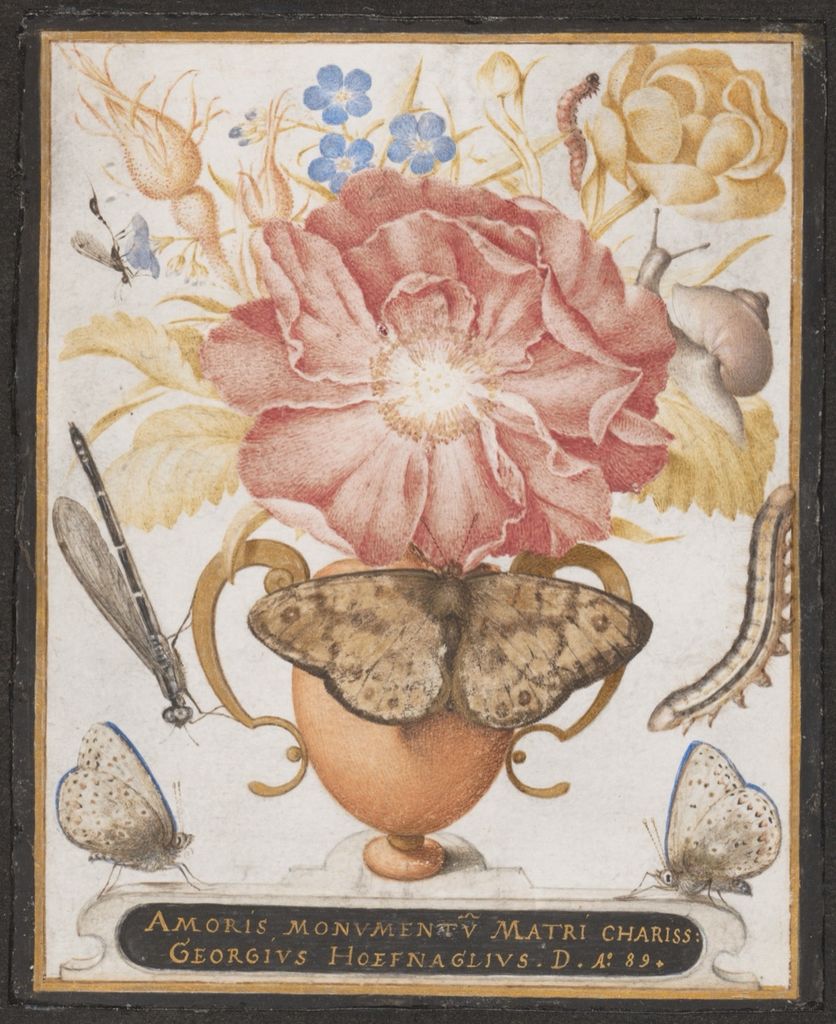
Watercolor can spread across damp paper or into a wet wash, producing diffuse edges, blooms and tidelines; the same paint on dry paper can form a more defined edge. [2] A relatively dry brush crossing textured paper may catch raised fibres and leave lower areas visible. [2] These are possibilities, not guaranteed effects.
Gouache also changes character with water. Documented ranges can be diluted for washes or used with more body for denser, flatter marks. [10] [11] It would be misleading to call watercolor inherently uncontrollable and gouache inherently controlled: paper sizing and absorbency, surface texture, water load, pigment, consistency, temperature, humidity and airflow all affect what happens. [2] [6] [7]
Nor is there a defensible category-wide drying stopwatch. Water load, layer thickness, support and studio conditions vary too much for a universal minutes-or-hours verdict. [2] [10] [11]
4. Layering, reactivation and revision
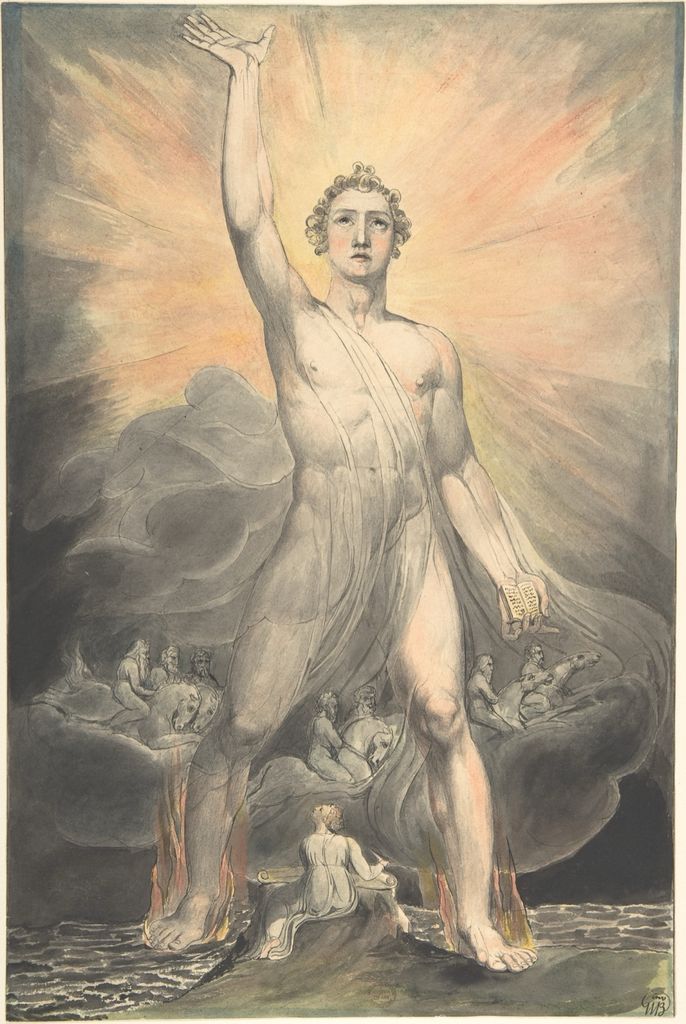
In transparent watercolor, successive washes can change colour while leaving earlier layers visible. [2] [4] Some pigment may also be lifted from wet or dry passages to reveal more of the support, but success depends on the pigment, staining behavior, paper, sizing, timing and earlier layers. [2] “Watercolor cannot be corrected” is too absolute.
Traditional gouache offers a different kind of flexibility. At least some gum- or dextrin-bound formulations can be rewetted after drying, and opaque paint may cover a previous passage. [10] [11] But rewetting can also disturb the lower colour; covering is not the same as removing, and neither guarantees a clean correction. [6] [11] Acrylic gouache, with its documented water-resistant dry film, belongs outside that traditional-gouache claim. [12]
Choose between transparent accumulation and denser revision by considering layer order, staining, paint thickness and how much disturbance you can accept—not by assuming one medium forgives every change.
5. Body, surface and dry appearance
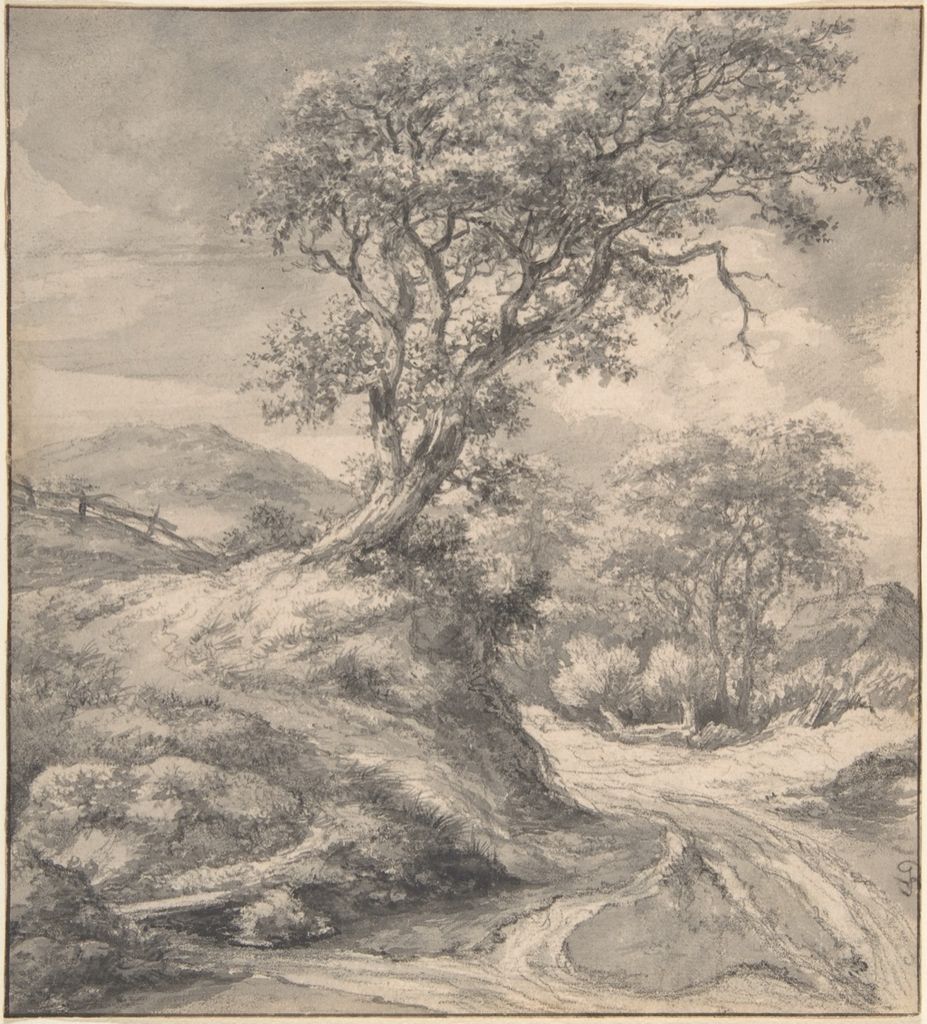
Watercolor's familiar luminosity arises most clearly where transparent colour allows the support to reflect light. [2] [4] [6] Gouache commonly forms a more opaque, matte or tactile-looking layer. [2] [5] [11] Neither description is a quality score, and neither covers every pigment or application.
Watercolor may be granular, staining, smooth, transparent or opaque; gouache can vary in opacity, surface and lightfastness across a range. [2] [6] [9] [10] A fixed claim that one always dries lighter, darker, brighter or duller would conceal those differences. The observed result depends on product, pigment, water, thickness, ground and lighting. [9] [10] [11]
Body also affects care. Conservation guidance notes that thicker gouache applications may crack or flake, although formulation, support, condition, environment and handling decide the actual risk. [5] [6] This is a reason to avoid universal appearance and permanence claims, not a reason to avoid the medium.
6. Supports, tools, setup and cleanup
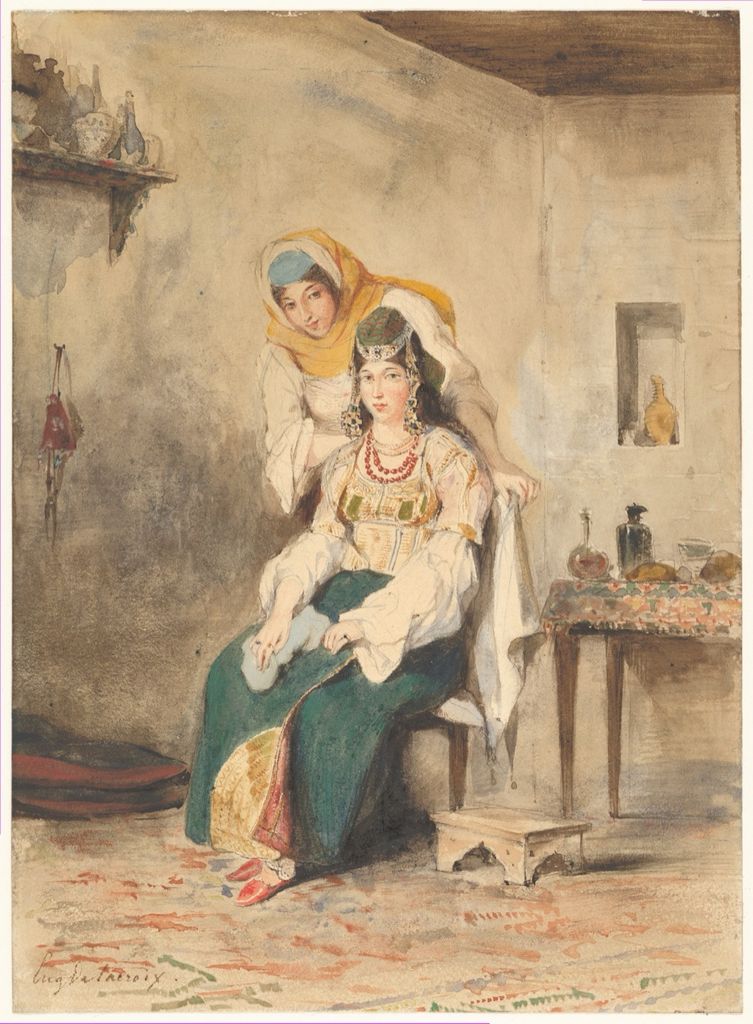
Paper and rigid board are common supports for both media, but the word “paper” hides important differences in fibre, colour, thickness, texture, absorbency and sizing. [1] [2] [5] [7] Those variables influence flow, edge, surface appearance and long-term care. For the practical choice and preparation of a ground, continue to Painting Surfaces and Supports.
The two media can share broad families of brushes, palettes and water containers. [2] [10] [11] Suitability still depends on the intended mark, consistency and the current product instructions, so a side-by-side comparison does not need a prescriptive kit list.
Both commonly allow water-based cleanup while wet. [8] [11] That convenience does not make every ingredient harmless or every residue suitable for a drain. Pigments, preservatives, binders and additives vary, as do exposure routes and regional disposal requirements; read the current label and safety data rather than assigning either category a blanket “non-toxic” status. [8] The Art Materials section covers the broader studio system.
7. Historical uses, objects and overlap
Water-based painting has histories across cultures and long predates the rise of British watercolor, so it should not be described as one country's invention. [3] In Britain, watercolor became especially prominent from the mid-eighteenth to mid-nineteenth century, alongside changes in paper, pigments, professional practice and exhibiting. [3] Across broader histories, transparent and opaque water-based colour served manuscripts, maps, portrait miniatures, natural-history studies, landscapes and other kinds of work. [2] [3] [4]
The terminology reflects this range. “Bodycolour” or “bodycolor,” “opaque watercolor” and “gouache” overlap in historical and descriptive use, but they are not dependable synonyms for every modern product. [1] [2] [3] [4] Manufactured Chinese White, introduced in 1834, expanded nineteenth-century bodycolour practice in a documented British and European context; it did not invent opaque water-based painting. [1] [3]
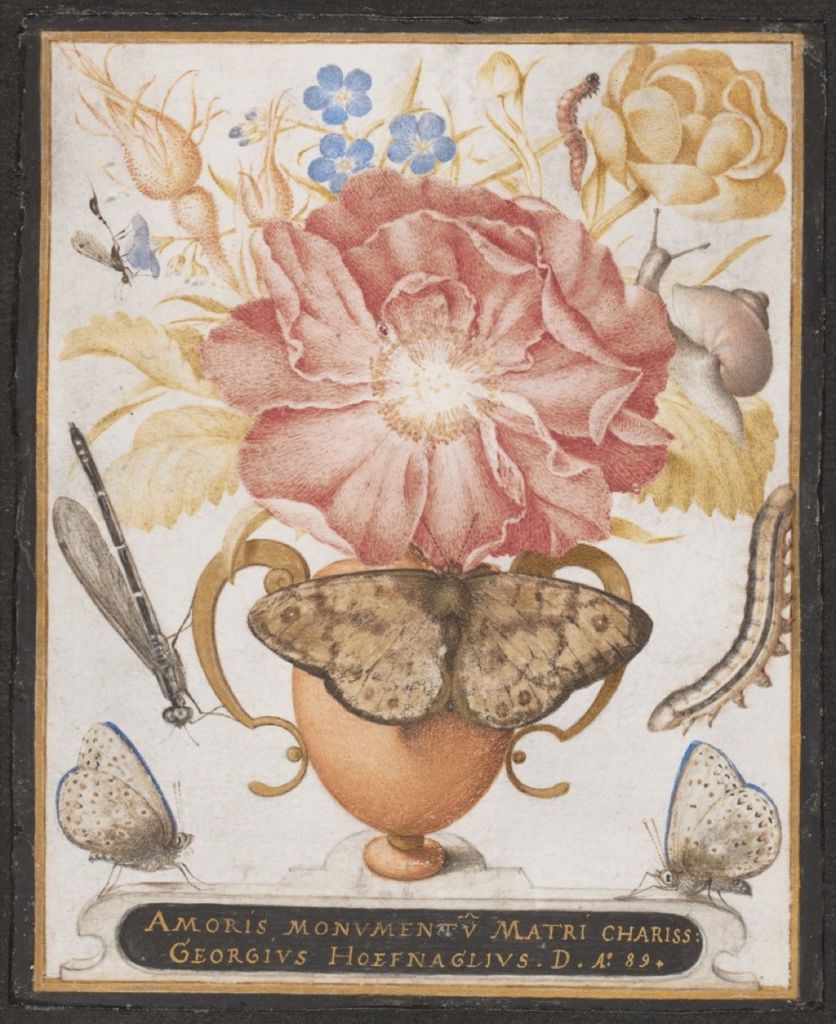
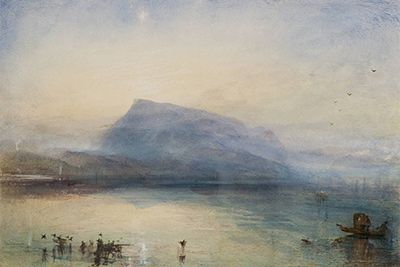
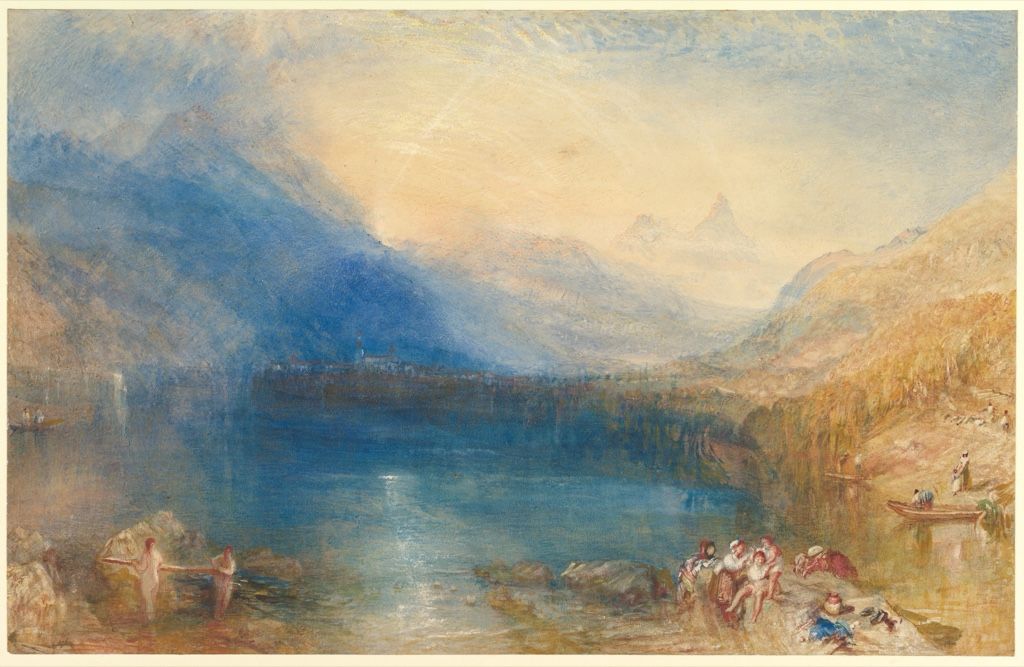
Artists have also used watercolor and gouache within the same work. [2] [3] [4] A museum catalogue can establish that combination, but its digital reproduction cannot reliably identify which passage contains which material or provide a controlled test of colour and opacity. The standalone Watercolor Painting and Gouache Painting guides own the fuller histories, techniques, artists and examples.
8. Durability, display, care and learner fit
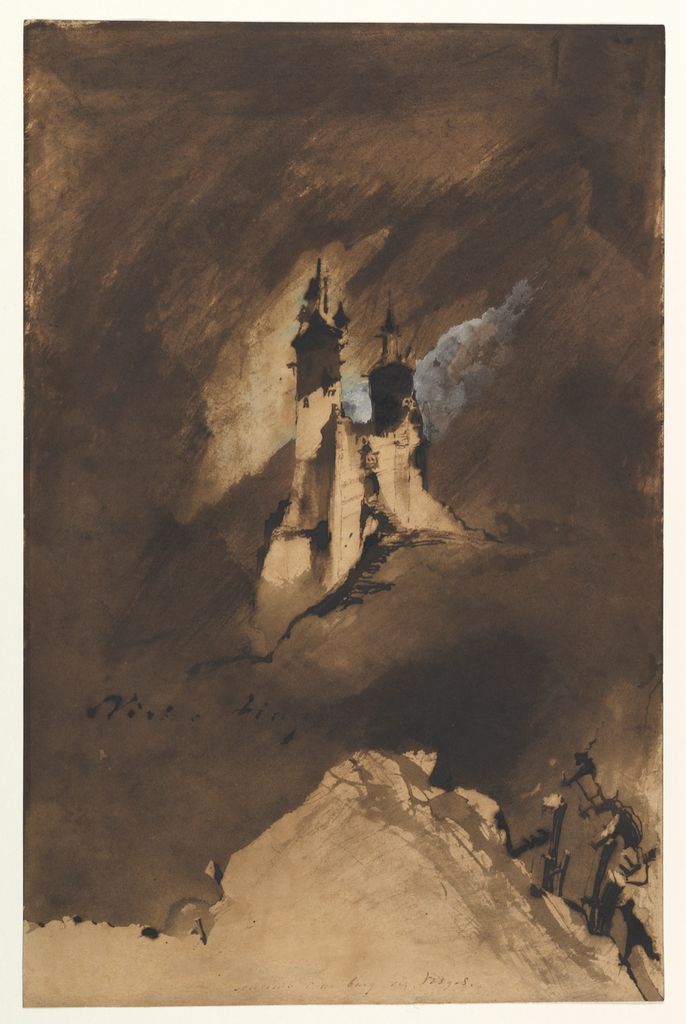
Neither name guarantees permanence. Watercolor works can contain light-sensitive pigments whose change is conspicuous in thin washes; gouache may contain vulnerable pigments too, while thicker films can crack or flake and porous matte surfaces may retain dirt. [5] [6] Much depends on the paper or board beneath the paint, along with light, environment, housing, handling and the exact formulation. [5] [6] [7]
Appropriate glazing and enclosure may help protect works on paper, but conservation decisions belong to the actual object and its condition. [5] [6] [7] This is preventive orientation, not a home-treatment instruction and not a verdict that one medium is more archival.
Beginner fit is equally conditional. Transparent watercolor may suit someone who values flowing washes, visible paper and gradual layering; those same qualities may demand more planning around reserved light and water movement. [2] [4] Gouache may suit someone who values coverage, flatter shapes and the possibility of opaque revision; reactivation and thick-layer behavior introduce different judgments. [5] [10] [11] Neither has been established here as universally easier.
Cost cannot settle the choice without comparing equivalent grade, pigment, format, quantity, region, support and likely paint use. [9] [10] [11] A current tube price would rank particular products in one market rather than the two media.
Which medium fits your aim?
Choose watercolor when transparent layering, flowing washes and an optically active paper surface match the result you want. Choose traditional gouache when denser coverage, matte passages and opaque revision matter more. In either case, check the actual pigment, formulation, dilution, support and layer plan before treating the category description as a promise. [2] [5] [6] [9] [10] [11]
If you want the two together, historical and museum evidence confirms that artists have combined them, but compatibility and layer behavior still depend on the materials at hand. [2] [3] [4] If you need a dry layer described as water-resistant, investigate acrylic gouache as a distinct product family rather than transferring that expectation to traditional gouache. [12]
The Art Mediums directory places both paints among other material families. You can also return to Art Comparisons for another established side-by-side guide.
Watch Watercolor and Gouache Behave on the Surface
Choose gouache fundamentals, a watercolor studio method, or a museum close reading of Turner's physical technique.
Introduction to Gouache
Review materials, opacity, blending and the differences between wet and dry handling.
Watch on YouTubeFrequently Asked Questions
Gouache and watercolor are close water-based relatives, and historical terms such as bodycolor and opaque watercolor overlap. Yet modern formulations vary, so opacity, binder and reactivation should be checked for the exact product rather than assumed from one label.
Yes. Watercolor can be applied thickly or opaquely, while pigments and formulations vary in covering power. Transparent wash is a major watercolor practice, not an absolute definition of every passage.
Traditional gouache can be diluted into washes, although its handling and dry appearance depend on pigment, binder, concentration, water load and paper. A thin passage does not make every gouache product behave identically to transparent watercolor.
Neither is universally easier. Watercolor rewards planning around wash, reserve and water movement; gouache supports denser coverage and opaque revision but can reactivate or crack when mishandled. Choose the process that matches your intended surface and test it on the actual paper.
Discussion
Which variable—paper, water load, opacity or layer order—most changes your choice between watercolor and gouache, and why?
Reader Insights
Category labels cannot replace a swatch made with your pigment, dilution and paper.
Transparent wash makes the support optically active; opaque passages change that relationship.
Museum records often identify watercolor, bodycolor and gouache within the same object.
Join the Conversation
Share one precise observation or a useful museum example below.
References
- Victoria and Albert Museum, “What is watercolour?”, accessed 4 September 2026. View source.
- The Metropolitan Museum of Art, “Watercolor”, accessed 4 September 2026. View source.
- The Metropolitan Museum of Art, “Watercolor Painting in Britain, 1750–1850”, accessed 4 September 2026. View source.
- National Gallery of Art, “The Color of Nature: Recent Acquisitions of Landscape Watercolors”, accessed 4 September 2026. View source.
- Canadian Conservation Institute, “Know Your Paintings – Structure, Materials and Aspects of Deterioration”, accessed 4 September 2026. View source.
- Canadian Conservation Institute, “Caring for paper objects”, accessed 4 September 2026. View source.
- National Gallery of Art, “Works on Paper Conservation”, accessed 4 September 2026. View source.
- U.S. Consumer Product Safety Commission, Art and Craft Safety Guide, Publication 5015, accessed 4 September 2026. View source.
- Winsor & Newton, “Designers Gouache – Viridian”, product-specific record, accessed 4 September 2026. View source.
- DANIEL SMITH Artists' Materials, “Get ready for GOUACHE!”, product-family information, accessed 4 September 2026. View source.
- Royal Talens, “Using water-mixable colours”, product-family information, accessed 4 September 2026. View source.
- Liquitex, “Acrylic Gouache”, product-family information, accessed 4 September 2026. View source.