by Tom Gurney
Tom Gurney BSc (Hons) is an art history expert with over 20 years experience
Page created on September 3, 2026 / Page updated on September 13, 2026
Email: tomgurney1@gmail.com / Phone: +44 7429 011000
How Species, Season and Setting Change a Flower’s Role
Flower symbolism in art depends on species, setting and use. A lily in an Annunciation can participate in Christian ideas of Mary's purity; a lotus model from an Egyptian temple evokes renewal; a Dutch bouquet may display rarity, trade and artistic invention. A painted rose may also be a rose—studied for colour, shape and technique without carrying one hidden message.
Modern “language of flowers” lists are tempting but often flatten history. Meanings changed between ancient Egypt, medieval Christianity, Mughal India, Edo Japan and nineteenth-century Europe. Botanical identity is only the beginning.
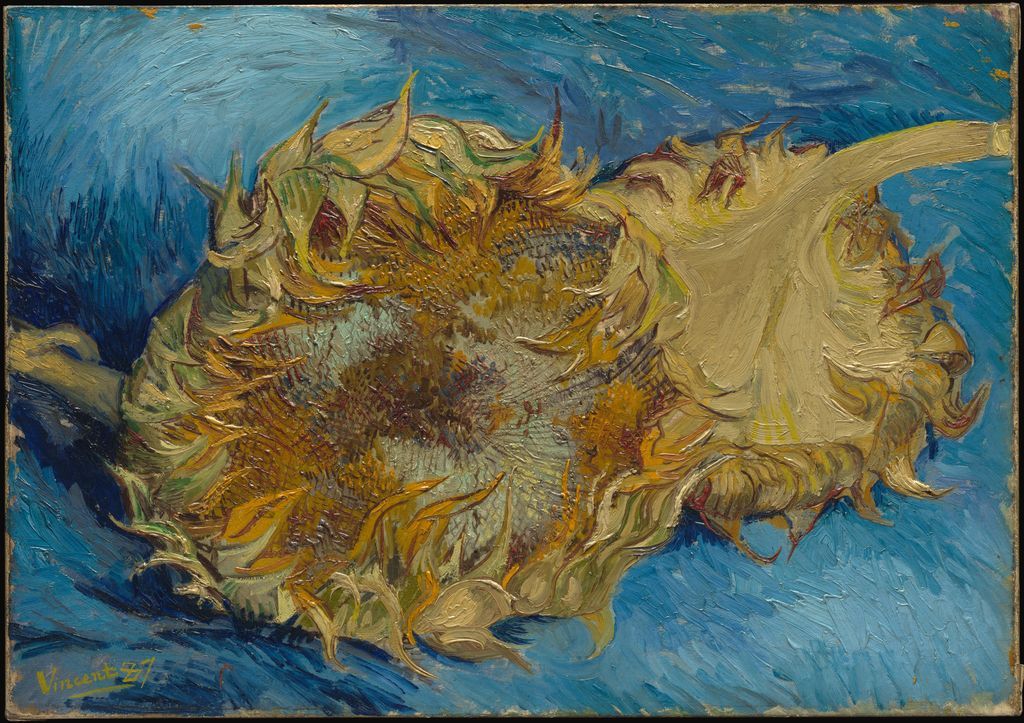
Vincent van Gogh, Sunflowers, 1887. Species, cut condition, colour, paint handling and the work’s place within Van Gogh’s practice all matter before later associations are assigned to the flowers. Image: The Metropolitan Museum of Art, public domain, Open Access CC0.
At a Glance
- Identify the plantspecies, cultivated variety and condition may matter.
- Context controls meaningreligion, season, poetry, trade, botany and personal practice create different evidence chains.
- Role variesa flower can be attribute, ornament, commodity, specimen, memorial sign or principal subject.
- Combinations speakvessel, garden, accompanying plants, figures and inscriptions can narrow the reading.
- Avoid fixed codeslilies, roses, lotus and other plants do not mean one thing across all cultures and periods.
Contents
How flowers acquire meaning
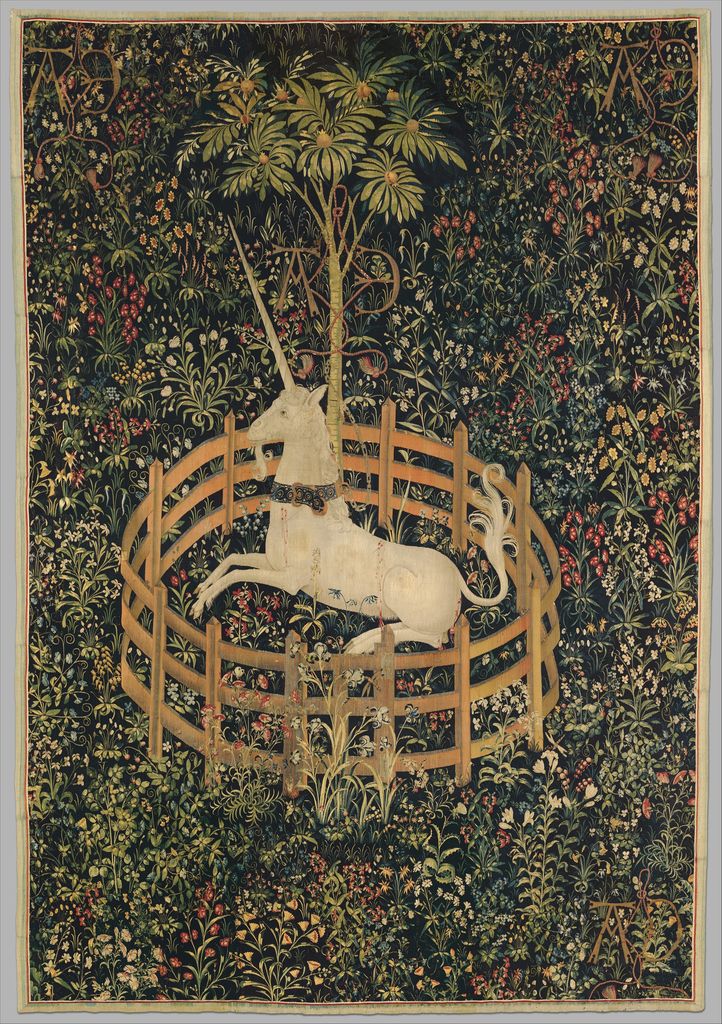
Flowers mark seasons because they bloom at particular times. They can embody brevity because they fade, renewal because they return, purity through colour, or status through rarity and cost. Sacred stories and poetry make those associations more precise.[8] In still life, insects, fruit and damaged petals may add time; in textiles, repeated flowers can create an ideal garden rather than narrate decay.[1]
Placement matters. A flower held by a saint can be an attribute. A bouquet at the centre of a painting becomes its subject. A floral border frames text; a blossom worn on cloth moves with the body. Meaning belongs to the complete object.
Four works: flowers doing different jobs
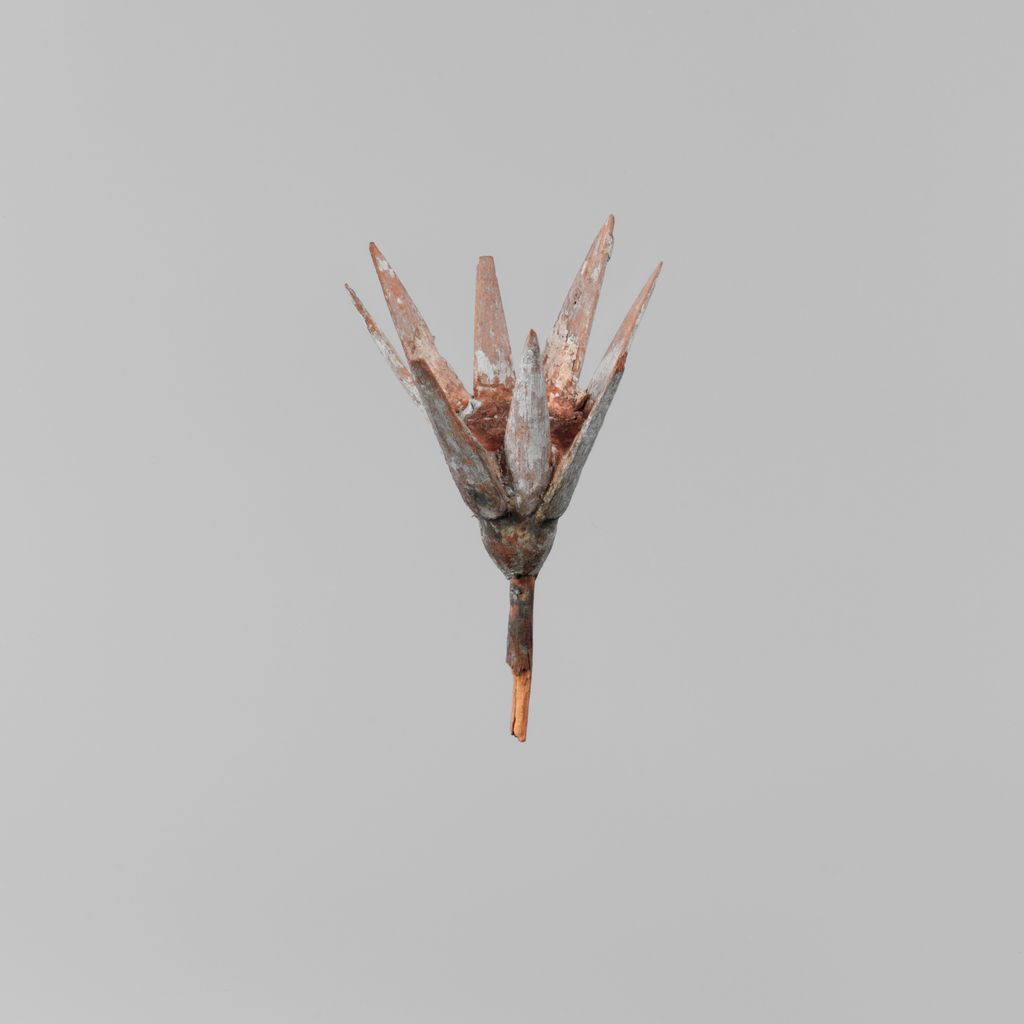
An Egyptian lotus and daily renewal
A painted wooden Model Lotus Flower from Egypt's Middle Kingdom dates to about 2051–1981 BCE.[2] The plant is more accurately a water lily. Because its blue or white flower closes at night and reopens around dawn, ancient Egyptians associated it with the rising sun, creation, rebirth and rejuvenation.[2]
The model was found in the temple of Mentuhotep II and may have formed part of an offering carried by a wooden figure. Material context turns botanical behaviour into a sacred cycle. It should not be generalised into “lotus means rebirth” for every Asian image.
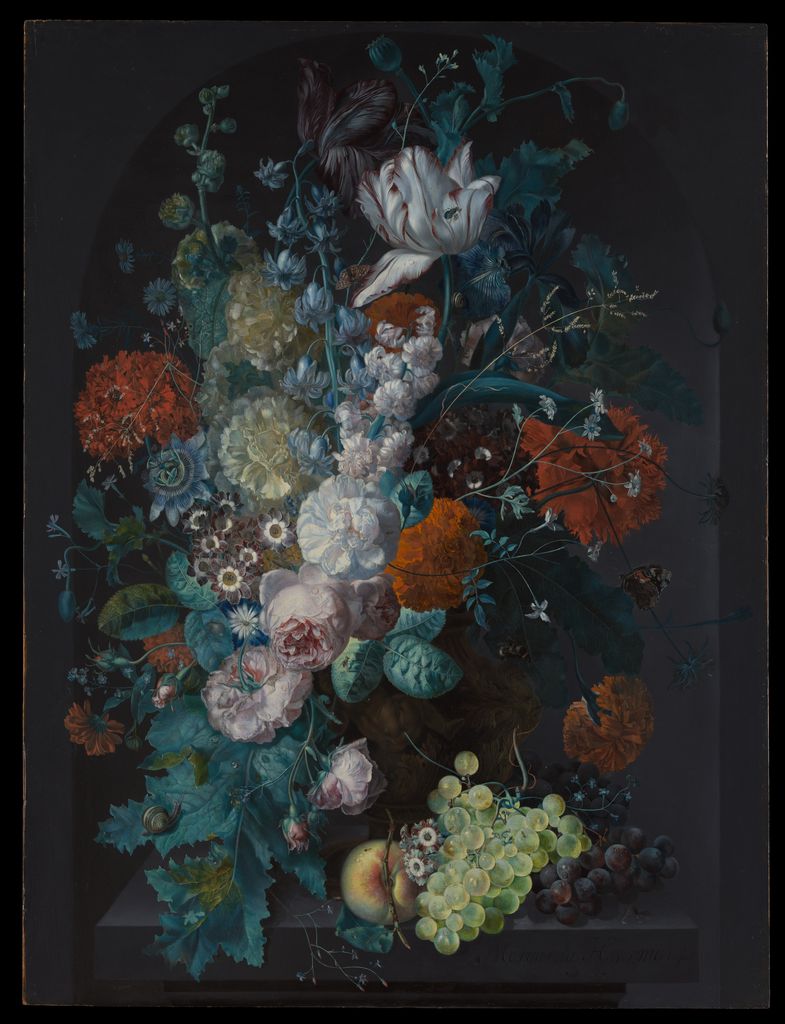
Haverman: an impossible Dutch bouquet
Margareta Haverman's A Vase of Flowers (1716) combines roses, tulips, hollyhocks, irises, marigolds and poppies that do not bloom together.[3] The bouquet is an artistic construction. Haverman used new pigments, and changes in colour over time reveal her technical experimentation.[3]
The painting can evoke abundance, seasonality and transience, but its first achievement is pictorial: it collects separate studies into a composition no vase could naturally hold. Luxury, botanical knowledge and virtuosity coexist. Treating every petal as a fixed symbol would miss how flower painting advertised skill.
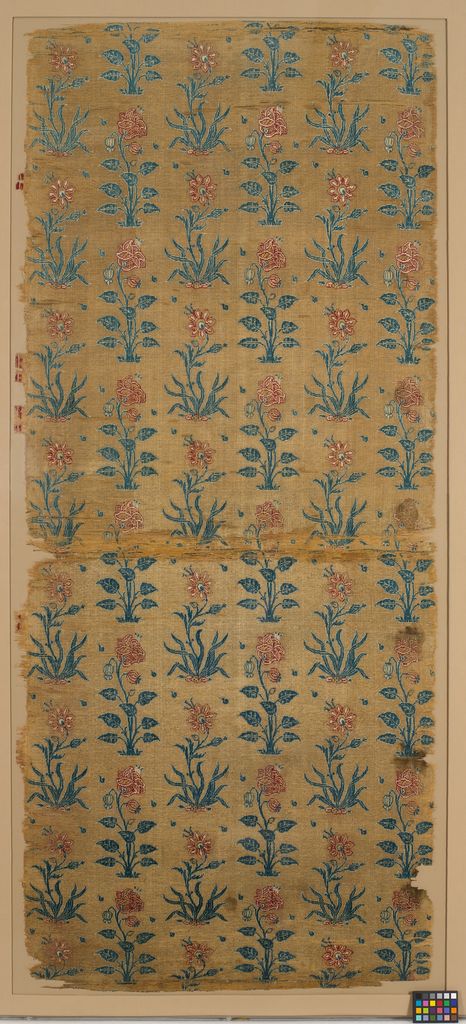
Mughal flowers between observation and design
A mid-seventeenth-century Indian Velvet Panel with Rows of Flowers arranges roses and lilies across silk and metal-wrapped thread.[4] The Met connects its naturalistic style to European herbal illustrations during Shah Jahan's reign, while noting that the flowers were altered aesthetically and are not botanically exact.[4]
The panel shows motifs crossing media and cultures. Medical illustration informed observation, then textile design formalised it. Repetition produces an ordered, enduring garden in cloth; precious materials turn flowers into courtly surface and status.
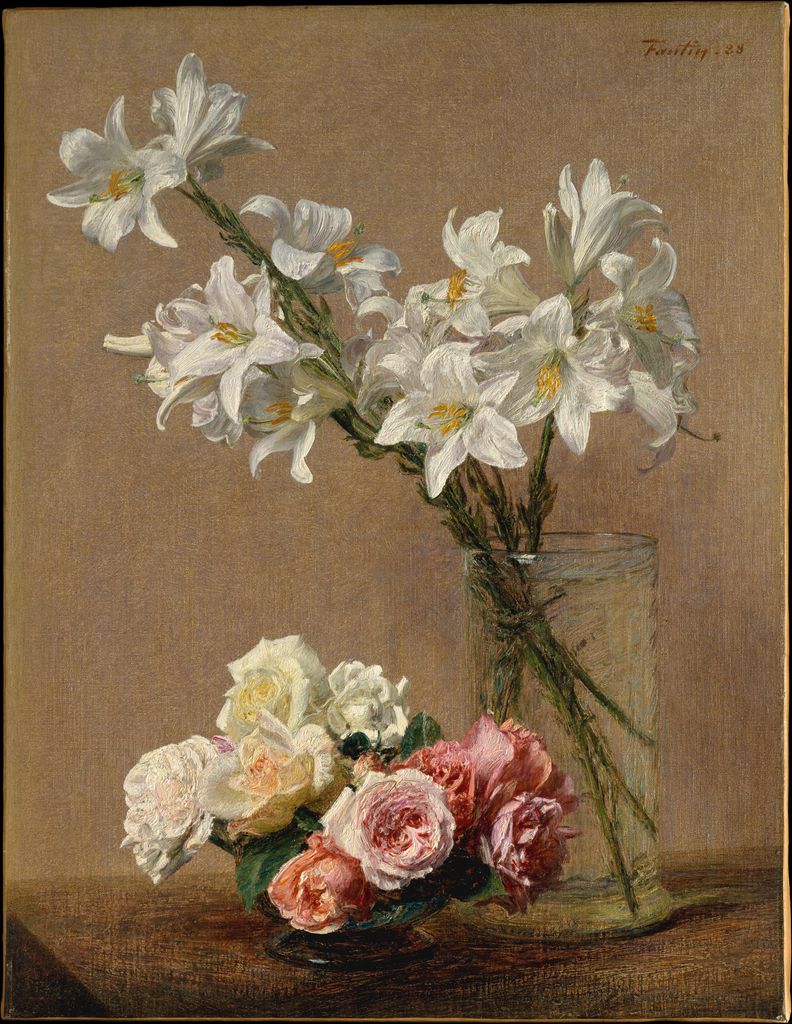
Fantin-Latour: when painting itself leads
Henri Fantin-Latour's Roses and Lilies (1888) offers a useful limit case.[5] The Met emphasises the artist's handling of paint with brushes, scraper and brush butt. Although rose and lily carry long symbolic histories, the record does not require a coded programme.
This restraint matters. Genre, title and technique can make flowers primarily subjects of observation and painting. Symbolic interpretation becomes stronger only when other evidence—commission, inscription, narrative or established pairing—supports it.
Lilies, roses and changing contexts
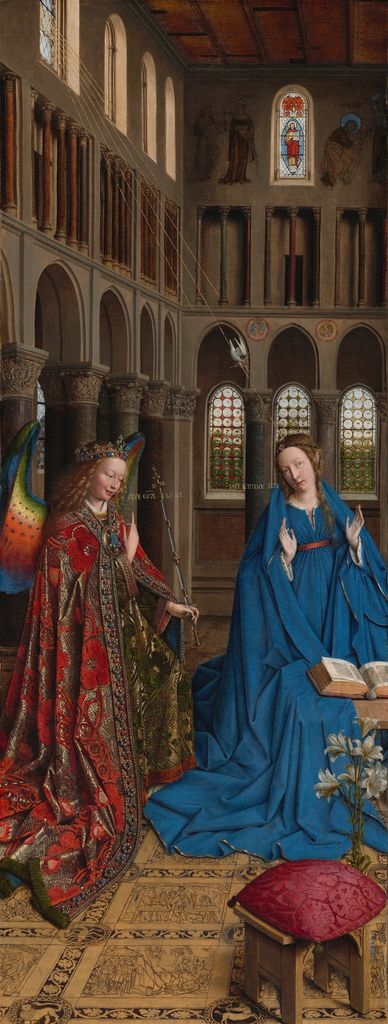
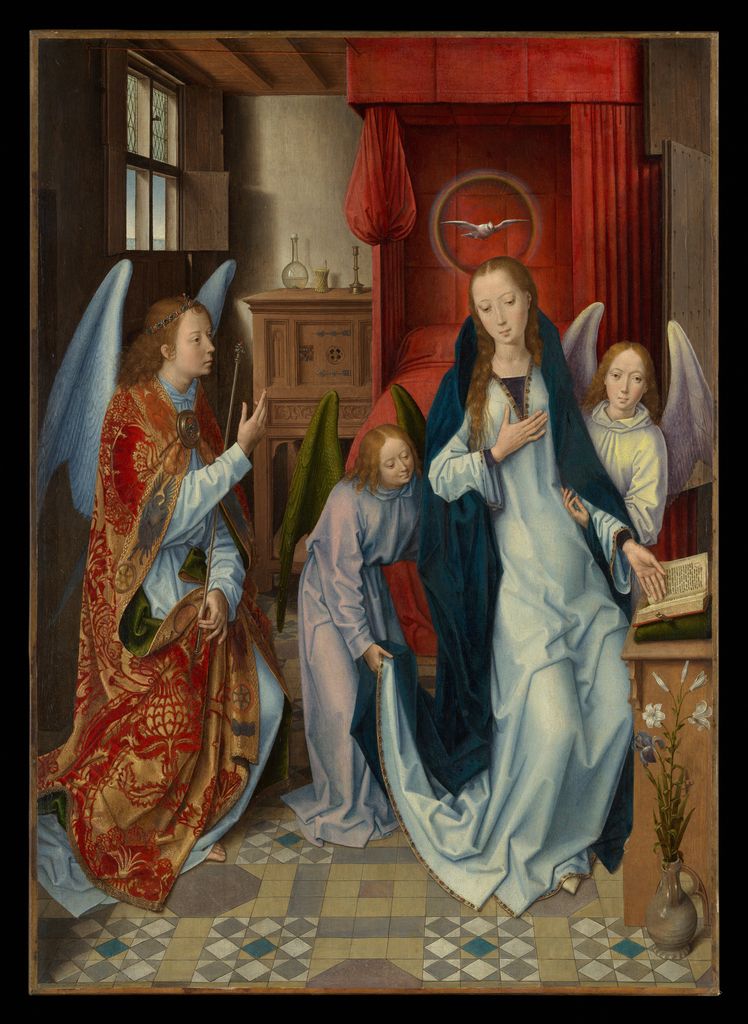
In European Christian art, white lilies are commonly associated with the Virgin and appear frequently in Annunciations.[6] A rose can also carry Marian meanings. Francisco de Zurbarán's A Cup of Water and a Rose (c. 1630) was understood by devout Spanish viewers through purity; the thornless rose may refer to the Immaculate Conception.[7]
But lilies also appear in mythology, portraits and still life. Roses may evoke love, secrecy, dynasty, martyrdom, fragrance or horticulture. Colour alone is not enough. A red rose in a modern portrait cannot automatically inherit a seventeenth-century Spanish devotional meaning.
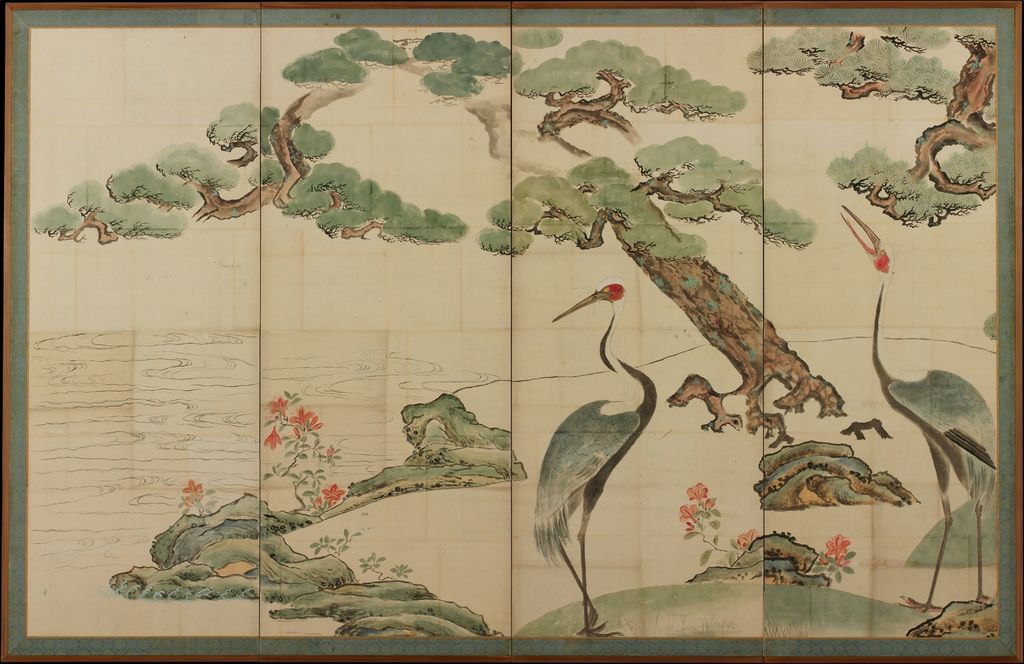
Japanese flower imagery provides another model. Plum blossom can announce renewal after winter; cherry blossom can join beauty to brevity; chrysanthemum marks autumn and may carry imperial associations. Seasonal art often converses with poetry, festivals, Shinto and Buddhism.[8] The same flower changes when it appears on a screen, kimono or print.
How to read flowers in art
Identify the plant as precisely as evidence allows, but note stylisation and damaged colour. Ask whether it blooms naturally with its companions. Establish date, place, medium and original function. Look for narrative figures, inscriptions, insects, fruit, vessels and signs of decay.
Then consult culture-specific sources. Distinguish documented convention from plausible suggestion. The Christian symbolism guide explains lilies within sacred narratives; the Japanese symbolism guide restores seasonal and literary settings.
Finally, allow flowers to be material and visual. Pigment, textile, scent imagined through sight and the labour of botanical observation all contribute. Flower symbolism is most convincing when it grows from the artwork's whole ecology rather than a detached dictionary.
Watch: Flower Symbolism through Formal Analysis
Choose a museum-led whole-work analysis, a close reading, or a foundations overview for considering flower symbolism.
Introducing Formal Analysis: Landscape
Follow how recurring shapes, colours and intervals contribute to a larger visual organisation.
Watch on YouTubeFrequently Asked Questions
It is the historically grounded use or interpretation of flowers as attributes, emblems, seasonal signs, memorial forms or other meaningful subjects.
No. Species, culture, period, religion, season, function and surrounding details can all change a flower’s role.
Lilies can carry Christian Marian associations in some contexts, but they may also function as botanical subjects, decoration or signs of season.
Their associations vary widely and can involve devotion, love, beauty, transience, cultivation or simply the subject of a still life.
Identify the plant and work, consult reliable object records and relevant historical sources, then test whether the proposed meaning explains the whole setting.
Discussion
Which example on this page depends most on plant identity, material setting or season rather than a familiar symbolic label?
Reader Insights
A broad colour word is not a botanical identification.
Cut, rooted, woven, offered and painted flowers do different work.
Use sources from the relevant culture, date and function.
Join the Conversation
Share one precise observation or a useful museum example below.