by Tom Gurney
Tom Gurney BSc (Hons) is an art history expert with over 20 years experience
Page created on September 3, 2026 / Page updated on September 13, 2026
Email: tomgurney1@gmail.com / Phone: +44 7429 011000
Reading Image, Object and Ritual as One Historical System
Medieval symbolism in art linked visible forms to sacred history, moral teaching, social identity and the use of objects. Meaning appeared across church portals, stained glass, manuscripts, reliquaries, textiles, seals and tableware. A creature or colour could carry an association, but the object's location and action often mattered just as much.
“Medieval” covers centuries and many cultures across Europe and Byzantium. No single code governed them all. Viewers brought different degrees of biblical, liturgical, courtly and local knowledge, while images moved between religious and secular settings.
Christ Presenting the Keys to Saint Peter, 12th century. The keys identify Peter through Gospel narrative, but the relief’s material, architectural origin and devotional setting also govern how the sign operated for medieval viewers. Image: The Metropolitan Museum of Art, public domain, Open Access CC0.
At a Glance
- Begin with object typemanuscript, reliquary, tapestry, sculpture and liturgical furnishing shape meaning differently.
- Text and ritual matterscripture, saints’ lives, liturgy and use constrain visual signs.
- Attributes identifyobjects and creatures can name holy figures or episodes within particular traditions.
- Material is meaningfulgold, enamel, ivory, textile and bodily form affect presence and value.
- Medieval is pluralcenturies, regions, faiths and audiences cannot be reduced to one symbolic code.
Contents
How medieval images made meaning
Narrative cycles arranged time across pages, windows or walls. Typology linked Old Testament events to New Testament fulfilments. Attributes identified saints. Heraldic signs marked families and institutions. Bestiaries combined descriptions of animals with moral and Christian interpretations; their symbolism could operate on several levels rather than serving as literal natural history.[1]
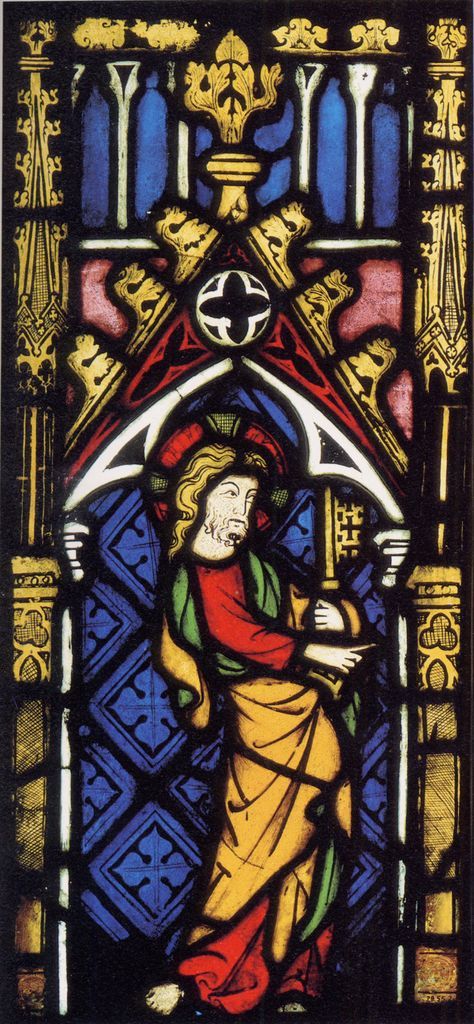
Materials also signified. Gold could produce an otherworldly field; translucent glass transformed daylight; rock crystal covered relics while permitting sight.[8] Scale and access determined whether an image addressed a congregation, a choir, a courtly room or one person holding an object.
Four medieval works in context
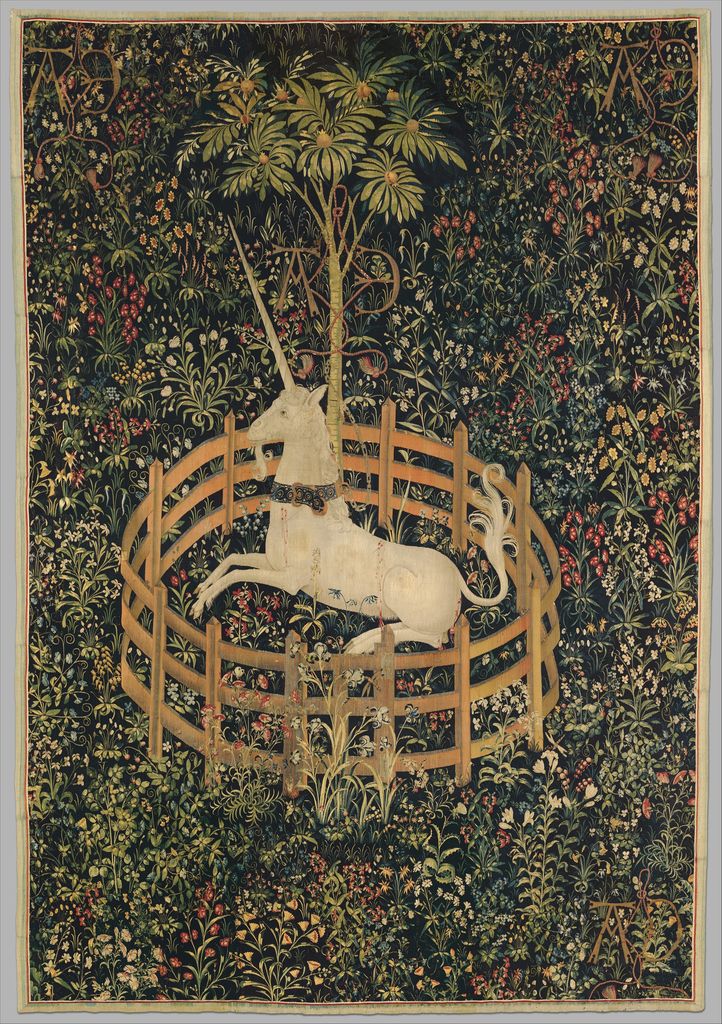
The Unicorn Rests in a Garden: meanings held together
The Unicorn Rests in a Garden (1495–1505) shows the animal tethered within a low circular fence beneath a pomegranate tree.[2] The Met records more than one interpretation: the unicorn has been connected to Christ's resurrection, while collar, enclosure and seed-filled fruit also support a courtly reading of marriage and the beloved tamed.[2]
Plurality is not confusion. The tapestry's plants, red pomegranate juice, chain and contented animal create a network that could support sacred and secular associations. Its luxurious wool, silk and metal threads also made symbolic abundance physically impressive.
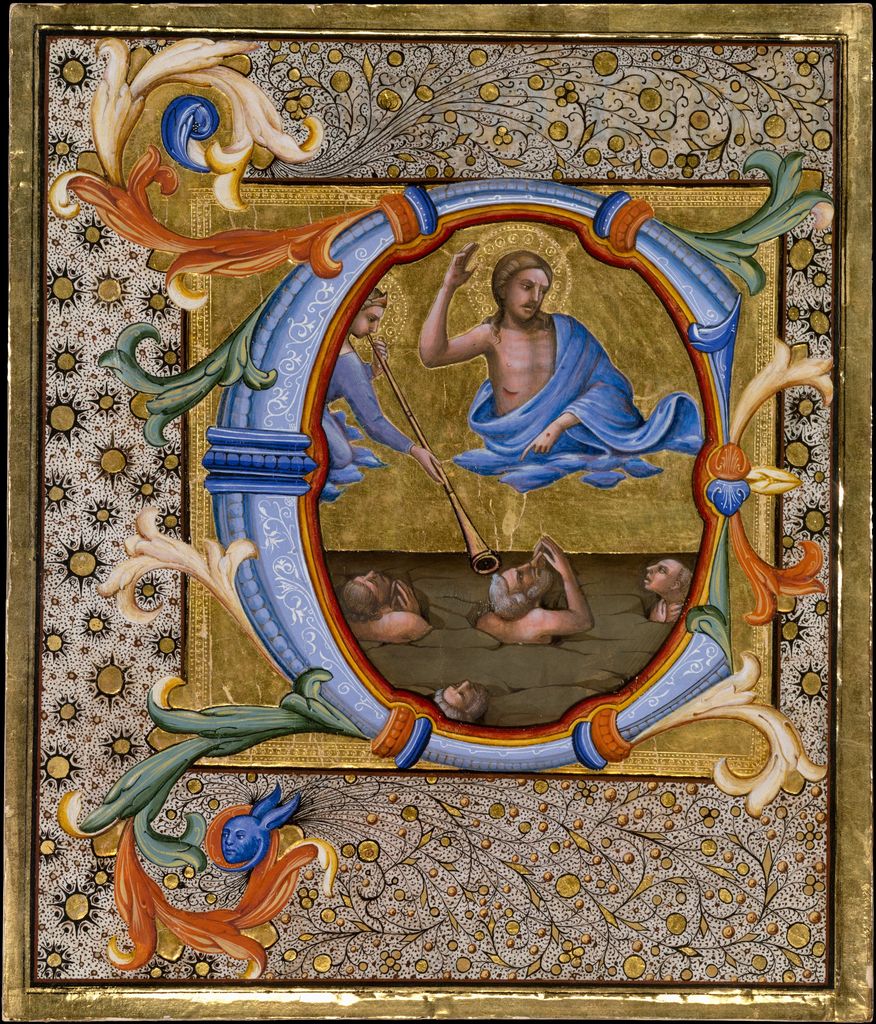
Lorenzo Monaco: liturgy inside a letter
Lorenzo Monaco's Last Judgment in an Initial C (c. 1406–7) compresses Christ, trumpet-blowing angel and rising dead into an illuminated letter.[3] The miniature originally introduced a response for the Office of the Dead in a choir book made for a Florentine convent.[3]
That function changes the image. The Last Judgment was not simply illustrated for private curiosity; it entered sung communal remembrance. Text, music, letterform and image became one liturgical event. Its later removal from the manuscript turned a functional initial into an independent collectible.
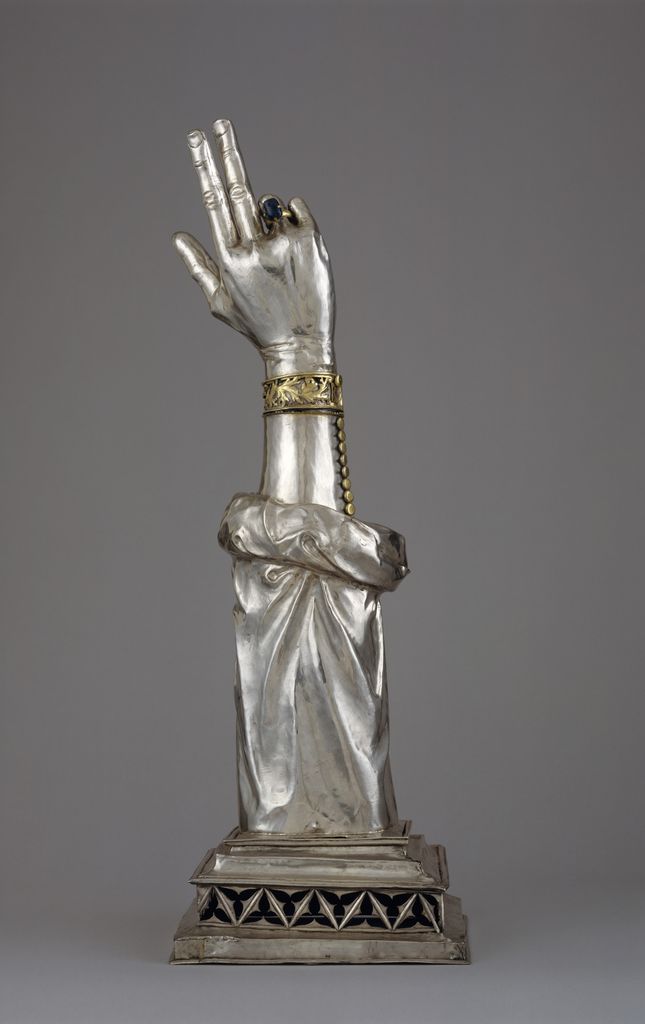
A reliquary arm: presence through form
The fourteenth-century Reliquary Arm of St. Valentine shaped precious metal like the body part whose relic it contained.[4] Displayed on Basel Cathedral's high altar and used in processions, it evoked both a particular saint and the broader idea of saintly power. The hand's blessing gesture addressed worshippers directly.[4]
Its symbolism is inseparable from material and ritual. Silver, gilding and sapphire announced value; bodily form made an absent holy person present; movement through a procession extended that presence into public space.
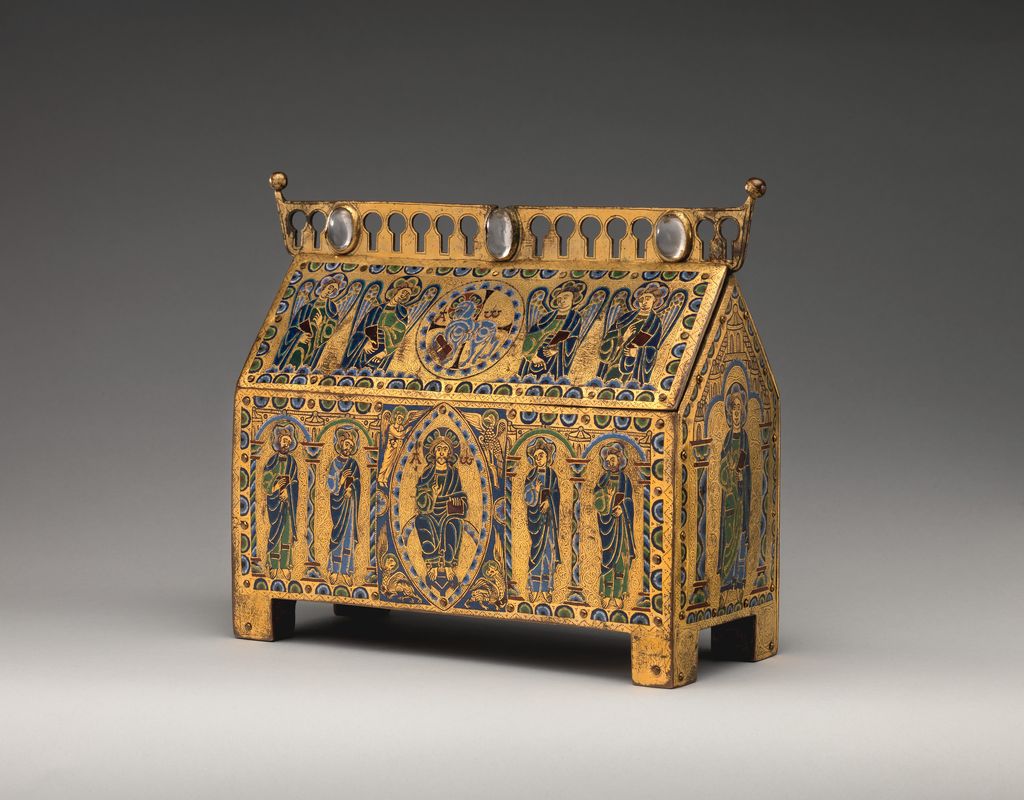
A chasse: signs on a sacred container
The enamel Chasse with Christ in Majesty and the Lamb of God (c. 1180–90) places sacred signs on a reliquary shaped like a small building.[5] Christ enthroned and the Lamb of God connect authority, sacrifice and salvation. The container's purpose—holding relics—gave those images a relationship to matter understood as holy.
Bright champlevé enamel and gilded copper created durable colour and shine. The work shows why medieval iconography cannot be separated from objects: the image declares what the container is and how it should be approached.
Creatures, gardens and buildings
The unicorn could be read through bestiary lore, Christian allegory, courtship or heraldry. In another Unicorn Tapestry fragment, a maiden occupies an enclosed garden, or hortus conclusus, often associated with purity.[6] Yet a unicorn-shaped aquamanile from Nuremberg was also a functional hand-washing vessel and reflected civic fascination with the creature.[7]
The lion could signal strength, kingship, Christ, Saint Mark or a particular family. The lamb could evoke Christ's sacrifice. Pelicans, phoenixes and stags gained Christian associations through texts; monsters could map moral or geographic boundaries. Interpretation starts with the work, not with an isolated animal.
Architecture can also symbolise. Church portals and windows organised narratives of salvation and judgment. Stained glass illuminated buildings physically and, in medieval understanding, spiritually.[8] Reliquaries borrowed architectural forms to make sacred contents resemble shrines.
How to read medieval symbols
Identify the object type before decoding detail. Ask whether it was sung from, worn, processed, opened, touched or viewed from below. Read inscriptions and collection records; locate the relevant biblical, liturgical, legendary or courtly source. Compare related objects from the same region and period.
Then allow multiple meanings when the evidence supports them. The wider Iconography and Symbols in Art method helps distinguish identification from interpretation. Medieval images were not primitive puzzles: they were sophisticated forms embedded in actions, materials and communities.
Watch: Medieval Symbolism through Formal Analysis
Choose a museum-led whole-work analysis, a close reading, or a foundations overview for considering medieval symbolism.
Introducing Formal Analysis: Landscape
Follow how recurring shapes, colours and intervals contribute to a larger visual organisation.
Watch on YouTubeFrequently Asked Questions
It is the historically grounded use of subjects, attributes, materials, texts and object functions across medieval visual cultures.
Some conventions were stable within communities, but meaning still varied by period, region, object type, function and combination.
Animals could appear through scripture, bestiaries, heraldry, moral teaching, decoration or observation; the relevant tradition must be identified.
Their shape, precious materials, inscriptions, imagery, bodily references and ritual use work together rather than acting as separate symbols.
Identify the object and its original use, consult relevant texts and collection scholarship, compare related works, and avoid treating “medieval” as one uniform culture.
Discussion
Which object on this page becomes least understandable when separated from its original material or ritual function?
Reader Insights
A page, textile and reliquary addressed bodies and spaces differently.
Use scripture, liturgy, bestiary, legend or heraldry only where evidence connects it.
Gold, enamel, textile, touch and placement are part of meaning.
Join the Conversation
Share one precise observation or a useful museum example below.
References
- The Met — A Medieval Bestiary
- The Met — The Unicorn Rests in a Garden
- The Met — Last Judgment in an Initial C
- The Met — Reliquary Arm of St. Valentine
- The Met — Chasse with Christ in Majesty and the Lamb of God
- The Met — The Unicorn Surrenders to a Maiden
- The Met — Aquamanile in the Form of a Unicorn
- The Met — Medieval Art: A Resource for Educators